Bangkok’s architecture tells the story of a city that has never stopped changing. Traditional Thai houses stand alongside historic European-influenced buildings, elaborate temples and contemporary towers. Across the capital, each architectural style reflects a different period in Thailand’s cultural, political and economic development.
The contrast is especially clear when moving between the historic districts and the modern business centre. Around Rattanakosin Island, palace compounds and religious buildings preserve older architectural traditions. Along the Chao Phraya River, former trading districts reveal the influence of international commerce. Further east, glass towers and ambitious residential projects express Bangkok’s position as a major Asian metropolis.
Yet the city’s architectural identity is not simply a story of old buildings replaced by new ones. Some historic houses have become museums. Former commercial buildings now accommodate galleries, design organisations and cultural spaces. Contemporary architects also draw on traditional materials, tropical gardens and local ways of living.
For travellers interested in design and heritage, Bangkok offers a chance to see these changes at street level. The most rewarding approach is to look beyond individual landmarks and consider how buildings connect with their surroundings, their original purpose and the communities that continue to use them.
Traditional Thai Architecture and the Art of the Teak House

Traditional Thai architecture developed in response to climate, available materials, religious beliefs and daily life. Raised timber houses, steep roofs and open spaces helped residents adapt to heat, heavy rain and seasonal flooding. Their forms also created a distinctive visual language, with carefully proportioned structures and decorative details.
One of Bangkok’s most accessible examples is the Jim Thompson House Museum. Located in central Bangkok, the property brings together six traditional Thai teak houses assembled by American entrepreneur Jim Thompson in 1959. The buildings were sourced from different parts of Thailand and adapted to form a residential compound surrounded by tropical gardens.
The house is valuable not only for its architecture but also for the way it combines domestic space, craftsmanship and Asian art. Timber structures, elevated floors and connections between indoor and outdoor areas create a different atmosphere from the sealed interiors of modern high-rise buildings. The compound also shows how traditional architecture can be preserved and presented within a rapidly developing city.
Visitors can explore the main house on a guided tour. The museum’s official visitor information lists daily opening hours from 10am to 5pm, with the final guided tour at 5pm. Check the official website before travelling in case arrangements change.
Traditional Thai architecture is also visible in religious compounds across the capital. Temple roofs, layered gables, ornamental details and carefully arranged courtyards reflect the importance of Buddhist practice and royal patronage. Wat Pho, Wat Arun and the Grand Palace are among the best-known places to study these features.
Rather than viewing each building as an isolated monument, pay attention to the wider setting. Gates, walkways, smaller shrines and courtyards all contribute to the architectural experience. These details reveal how buildings organise movement, frame views and create a sense of place.
For a broader cultural itinerary, combine architectural visits with The Most Beautiful Places to Visit in Bangkok. This helps place the city’s historic buildings within the wider landscape of temples, riverside districts and public spaces.
Historic Mansions and Bangkok’s International Influences
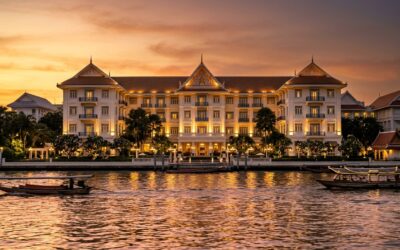
Bangkok’s growth as a regional trading centre brought new building types and architectural influences to the capital. During the late nineteenth and early twentieth centuries, expanding diplomatic, commercial and administrative connections helped introduce European styles alongside established Thai traditions.
Historic mansions provide a particularly revealing view of this period. Manangkhasila Mansion, on Lan Luang Road, is a striking example. Designed by English architect Edward Healey, it uses the Tudor style, with decorative half-timbering and stucco walls. The design was commissioned during the reign of King Rama VI, and the mansion later served several official and institutional purposes. Its buildings were recognised as historic landmarks by Thailand’s Fine Arts Department in 1985.
The mansion illustrates how international architectural references were adapted to a Thai setting. Its European-inspired appearance differs from traditional teak houses and temple compounds, yet it forms part of the same urban history. Bangkok’s architectural identity developed through this interaction rather than through one uniform style.
Other historic buildings across the city reflect commercial life, diplomacy and public administration. Former trading premises and warehouses reveal the importance of river transport and overseas commerce. Old shophouses combine commercial space at street level with residential areas above, creating a compact urban form that remains familiar in many Asian cities.
The condition and accessibility of historic properties vary. Some remain in active use, while others have been adapted for new functions or are not generally open to visitors. Check access arrangements before making a special journey, and respect private or government premises.
These buildings are worth studying for more than their façades. Look at the proportions of their windows, the arrangement of balconies, the entrances and the way the structures meet the street. Such features help explain how architecture responded to the needs and ambitions of the people who commissioned and occupied the buildings.
Temples, Palaces and the Architecture of Rattanakosin

Rattanakosin, the historic area around the Grand Palace, contains some of Bangkok’s most important architectural landmarks. Its royal and religious compounds offer a concentrated introduction to Thai decorative traditions, from monumental roofs and gilded details to murals, sculptures and carefully planned courtyards.
The Grand Palace complex is among the city’s defining landmarks. Its buildings reflect royal ceremonial life and the development of Thai architectural identity. Wat Phra Kaew, located within the palace grounds, is particularly significant for its religious and artistic importance. Visitors should check official information for access requirements, appropriate dress and current opening arrangements.
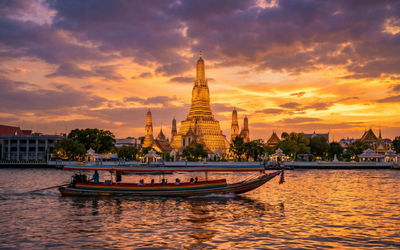
Wat Pho offers a different architectural experience. Its large compound contains religious buildings, stupas, statues and courtyards that reward a slower visit. Wat Arun, on the western bank of the Chao Phraya River, is recognised for its central prang and richly decorated surfaces. Seen from the river, the temple forms one of Bangkok’s most distinctive urban silhouettes. The Tourism Authority of Thailand includes these sites among the capital’s major historic and religious attractions.
For architecture enthusiasts, surface detail is only part of the story. The organisation of these compounds is equally important. Paths guide visitors between structures, open courtyards provide space for gathering, and taller elements create visual points of focus. Architecture, landscape and religious practice work together.
Timing can influence the experience. Early visits may offer more comfortable temperatures, while late afternoon light can bring out the texture of roofs and decorative surfaces. However, access and photography rules differ by site. Follow posted guidance, especially in active places of worship.
The historic centre also connects naturally with Bangkok’s river heritage. A visit to the temples can be paired with Bangkok by Boat: Exploring the City’s Historic Canals to understand how waterways shaped the location, movement and development of the capital’s older districts.
Adaptive Reuse: Giving Historic Buildings a New Purpose

One of the most important questions in Bangkok’s architectural development is what happens to buildings when their original purpose disappears. Former offices, warehouses and commercial properties can be demolished, restored or adapted for new uses. Adaptive reuse offers another possibility: retaining significant parts of a structure while changing how people experience it.
The Thailand Creative and Design Center, known as TCDC, is a notable example. Located in the historic Grand Postal Building on Charoen Krung Road, the centre uses parts of the existing complex for design resources, exhibitions and creative activities. The building’s civic presence remains visible while its interior supports contemporary cultural and professional uses.
Bangkok Kunsthalle provides another example of a historic building transformed into a cultural venue. Opened in 2024, it occupies a former industrial printing facility and has become a space for contemporary art and cultural programming. Its reuse demonstrates how buildings associated with earlier phases of urban life can acquire new roles.
Adaptive reuse can preserve the character of a neighbourhood as well as the physical fabric of an individual building. Keeping a recognisable façade, structural elements or traces of an earlier function allows the past to remain visible. At the same time, new activities can attract visitors and support local businesses.
These projects also raise practical challenges. Older buildings may require substantial work to meet current safety, accessibility and environmental standards. Successful conversion depends on balancing those requirements with the features that make a property historically or architecturally valuable.
To see this process in a wider cultural context, explore Bangkok’s Creative Districts: Art, Design and Urban Culture. The article examines how design activity and new uses are contributing to the evolution of established neighbourhoods.
Modern Icons and Bangkok’s Changing Skyline

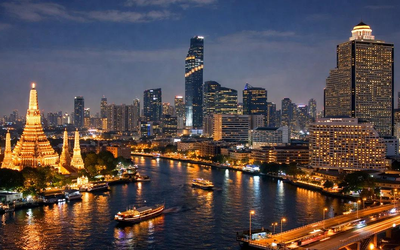
Bangkok’s contemporary architecture is most visible in its commercial districts, where tall buildings reflect the city’s growth as a centre for finance, hospitality, retail and residential development. Glass façades, large floor plates and vertical transport systems contrast sharply with the low-rise houses and historic compounds found elsewhere in the capital.
King Power Mahanakhon is one of the city’s most recognisable contemporary towers. Designed by German architect Ole Scheeren, the 314-metre building is distinguished by a pixelated spiral pattern that appears to break apart its exterior as it rises. Its sculptural form creates a strong presence in the Silom–Sathorn skyline. The building also includes an observation attraction that gives visitors a high-level view across the city.
The tower illustrates a shift in the role of landmark architecture. Earlier monuments often expressed religious devotion or royal authority. Contemporary towers may instead communicate commercial ambition, technological capability and the international outlook of a global city.
Bangkok’s newer buildings also reflect the practical demands of urban life. Access to public transport, mixed-use development and connections between offices, residences, shops and leisure facilities all influence how buildings are planned. Architecture is therefore not only about the appearance of the skyline. It also shapes daily movement and the way people experience the city.
For visitors, a skyline viewpoint can help reveal the scale of Bangkok’s development. Yet it is worth balancing the view from above with time at street level. From the ground, the contrast between older shopfronts, elevated transport, new towers and traditional temples becomes easier to understand.
Modern buildings should not automatically be treated as more advanced or more successful than historic ones. Their value depends on how well they respond to their setting, how people use them and what they contribute to the wider city.
Exploring Bangkok’s Architecture with a More Considered Eye
A thoughtful architectural itinerary should include different periods and building types rather than concentrating only on famous landmarks. Begin with a traditional house or temple compound, continue through a historic commercial district, and finish with a contemporary tower or a restored cultural building. This sequence makes the city’s transformation easier to see.
The Jim Thompson House Museum offers a strong starting point for traditional architecture. Rattanakosin provides the most concentrated introduction to royal and religious buildings. Charoen Krung is useful for exploring historic commercial streets and adaptive reuse, while the Silom–Sathorn area reveals the scale of contemporary development.
Allow time to walk between nearby sites where practical. Look for changes in materials, rooflines, building heights and street layouts. A narrow shophouse, a restored warehouse and a modern office tower may reveal different responses to climate, commerce and available land.
Respect the fact that not every notable building is open to the public. Some are private residences, active offices or government properties. Admire them from public areas and confirm visiting arrangements before entering any site.
Architecture also offers a way to connect with other aspects of Bangkok’s culture. Materials and decorative details relate to craft traditions, while riverside buildings reflect the city’s trading history. Neighbourhoods show how food, retail and creative businesses adapt to changing urban conditions. For more on the city’s everyday cultural life, see Discovering Authentic Bangkok: Markets, Culture and Hidden Neighbourhoods.
Bangkok’s architectural treasures are not confined to one period or style. They form a layered record of adaptation, ambition and continuity. The city becomes more legible when its historic houses, temples, mansions, reused buildings and modern icons are considered together. Each offers a different perspective on how Bangkok has developed—and how it continues to shape its future.
Frequently Asked Questions
What are the best places to see traditional Thai architecture in Bangkok?
The Jim Thompson House Museum, the Grand Palace, Wat Pho and Wat Arun are useful starting points. They showcase different aspects of traditional domestic, royal and religious architecture.
Which historic mansion is notable for European architectural influence?
Manangkhasila Mansion is a notable example. Designed by Edward Healey, it uses Tudor-style features, including decorative half-timbering, adapted to a Thai setting.
Where can visitors see adaptive reuse in Bangkok?
The Thailand Creative and Design Center in the Grand Postal Building and Bangkok Kunsthalle are examples of historic structures given new cultural uses. Check current access and programme details before visiting.
What is Bangkok’s most recognisable modern architectural landmark?
King Power Mahanakhon is one of the city’s most recognisable contemporary towers. Its pixelated spiral façade distinguishes it from the surrounding skyline.
How can visitors plan an architectural walk in Bangkok?
Combine sites by area to reduce travel time. Rattanakosin is ideal for temples and royal architecture, Charoen Krung for historic commercial buildings and adaptive reuse, and Silom–Sathorn for contemporary towers. Check opening hours and access rules in advance.
By The Editors of Luxury Magazine