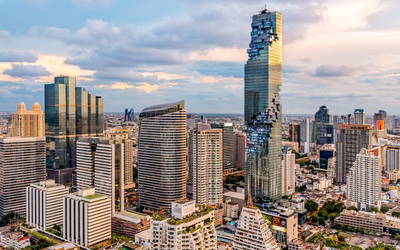
Bangkok is a city of striking contrasts. Golden temple roofs rise above busy streets, traditional wooden boats travel along the Chao Phraya River, and historic neighbourhoods sit alongside modern towers. The Thai capital combines centuries of royal history with a lively urban culture, making it one of Southeast Asia’s most fascinating destinations.
For first-time visitors, the most beautiful places to visit in Bangkok often lie within its historic centre. The Grand Palace reveals the grandeur of Thailand’s monarchy, Wat Pho is home to the famous Reclining Buddha, and Wat Arun creates one of the city’s most recognisable riverfront scenes. Together, these landmarks offer a memorable introduction to Thai architecture, Buddhism and royal traditions.
Yet Bangkok’s appeal extends beyond its best-known monuments. Riverside walks, traditional markets, historic streets and elevated viewpoints reveal different sides of the city. The best approach is to explore at a comfortable pace, allowing time to appreciate the details rather than rushing between attractions.
The Grand Palace: Bangkok’s Royal Heritage
The Grand Palace is one of Bangkok’s most important historic landmarks. Established in 1782 under King Rama I, it became the royal residence and administrative centre of the new capital. Today, the complex remains a symbol of Thailand’s monarchy and continues to serve ceremonial purposes.
Inside its walls, elaborate buildings, gilded details, colourful mosaics and carefully maintained courtyards reflect the skill of Thai artisans. The architecture combines traditional Thai forms with influences that developed through the country’s historical connections with other cultures.
One of the most important sites within the complex is Wat Phra Kaew, the Temple of the Emerald Buddha. The revered Buddha image is carved from jade and holds a central place in Thai religious life. Its setting is richly decorated, with intricate architectural details and murals that reward close attention.
Visitors should allow around two to three hours to explore the main complex without rushing. Arriving early can make the visit more comfortable, particularly during busy travel periods.
The official Grand Palace website lists the standard foreign adult admission price as 500 baht, including Wat Phra Kaew and the Queen Sirikit Museum of Textiles. General sightseeing hours are listed as 8:30 am to 4:30 pm, with tickets sold until 3:30 pm. Hours and access arrangements can change for royal events, so check the official visitor information before setting out.
Appropriate clothing is essential. Sleeveless tops, shorts and other revealing garments are not accepted under the palace’s dress code. Lightweight trousers or a long skirt and a top covering the shoulders are practical choices for Bangkok’s warm climate.
Wat Arun: The Temple of Dawn Beside the River

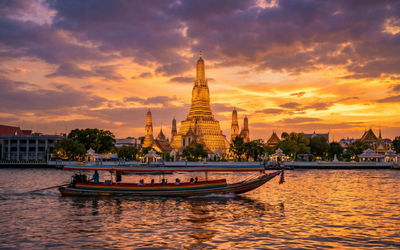
Wat Arun, officially Wat Arun Ratchawararam, is one of Bangkok’s most distinctive religious monuments. Located on the western bank of the Chao Phraya River, the temple is recognised by its tall central prang, decorated with intricate patterns of porcelain and ceramic pieces.
The structure stands out against the river and the surrounding city. Its detailed surface reveals floral motifs and decorative elements that are easy to overlook in photographs. Seen from close range, the temple offers a strong impression of the craftsmanship involved in traditional Thai religious architecture.
Wat Arun is often called the Temple of Dawn, and early morning light can create beautiful conditions for photography. The temple is also attractive later in the day, when changing light brings out the colours and textures of its exterior.
Visitors can explore the temple grounds and admire the central structure from different angles. The setting is particularly rewarding because the river forms an essential part of the experience. Wat Arun is not simply a monument to view from the street; its relationship with the water helps explain why it has become such an enduring Bangkok landmark.
The temple is generally listed as open from 8 am to 6 pm, although visitors should confirm current information before travelling. Modest clothing is expected, as Wat Arun remains an active place of worship. See the temple’s official website for visitor guidance.
One of the simplest ways to appreciate Wat Arun is to cross the river by ferry from the Tha Tien area after visiting Wat Pho. The short journey offers a closer look at the river’s everyday activity, from commuter boats to vessels carrying visitors between the historic landmarks.
Wat Pho: The Reclining Buddha and Traditional Thai Culture

A short walk south of the Grand Palace brings visitors to Wat Pho, officially Wat Phra Chetuphon Wimon Mangkhalaram. One of Bangkok’s oldest and most important temple complexes, it is best known for its enormous Reclining Buddha.
The statue measures approximately 46 metres in length and is covered in gold leaf. Its size is impressive, but the details are equally memorable. The feet are decorated with mother-of-pearl designs representing auspicious symbols, while the surrounding temple hall creates a setting for quiet observation.
Wat Pho is more than a single attraction. Its grounds contain numerous chedis, statues, courtyards and halls, each contributing to the complex’s historical and religious importance. The colourful chedis, decorated with ceramic tiles, are particularly striking against the surrounding architecture.
The temple is also closely associated with traditional Thai massage and the study of traditional medicine. Visitors may encounter massage services within the complex, making it possible to combine cultural sightseeing with a traditional wellness experience.
Allow at least an hour to explore the main highlights, although those interested in architecture and religious history may want longer. Wat Pho is commonly listed as open from 8 am to 7:30 pm, but current access information should be checked before visiting.
As at other temples, respectful behaviour is important. Remove shoes before entering designated buildings, dress modestly and avoid disturbing people who are praying. Photography is often permitted in visitor areas, but posted restrictions should always take priority.
Wat Pho pairs naturally with the Grand Palace because the two sites are close together. Visiting both in the same morning or afternoon makes the most of your time in Bangkok’s historic centre.
The Chao Phraya River: Bangkok from the Water

The Chao Phraya River is one of the defining features of Bangkok. For centuries, it has supported trade, transport and settlement, shaping the development of communities along its banks. Today, it remains both a working waterway and one of the best places to appreciate the city’s historic landscape.
A river journey offers a different perspective from travelling by road. Traditional longtail boats, public ferries and larger passenger vessels move past temples, markets, hotels and residential areas. The scenery changes continuously, revealing the contrast between older riverside neighbourhoods and modern buildings.
Public river boats are a practical way to reach several attractions, including the Grand Palace area and Wat Arun. They can also help visitors avoid some of the city’s road traffic. Check the route, flag colours and pier names before boarding, as services differ in the stops they make.
For a more leisurely experience, consider a sightseeing cruise or a private boat trip. Some cruises focus on dinner and city views, while others offer daytime journeys through sections of the river and nearby canals. Compare the route and duration before booking, particularly if you want to see specific landmarks.
The river is especially attractive around sunset, when the light softens and the temples stand out against the changing sky. However, views can be enjoyed throughout the day, and the experience does not depend on perfect weather.
For a memorable photograph of Wat Arun, look for a riverside viewpoint on the opposite bank. Several restaurants and public areas around the Tha Tien and Wat Pho neighbourhoods offer views across the water. Choose a safe, accessible location and respect private property.
The Chao Phraya is not merely a scenic backdrop. It remains part of everyday life in Bangkok, and travelling along it helps visitors understand how the city developed around its waterways.
Historic Bangkok: Temples, Old Streets and Cultural Landmarks
Bangkok’s historic centre contains many important sites beyond its most famous three landmarks. Exploring a few additional places can provide a deeper understanding of the city’s religious traditions, architecture and urban history.
Wat Suthat is known for its elegant temple architecture and murals. Outside stands the Giant Swing, a large red structure that once played a role in Brahmin ceremonies. Today, it remains a recognisable historic landmark in the old city.
Another rewarding stop is Wat Saket, commonly known as the Golden Mount. The temple sits on an artificial hill topped by a golden chedi. Visitors who climb to the summit are rewarded with broad views over the surrounding neighbourhoods and parts of the modern skyline. The ascent involves steps, so it is best approached at a comfortable pace, especially in hot weather.
The area around Rattanakosin, the historic royal district, is also worth exploring on foot. Its streets contain smaller shrines, traditional shops, markets and everyday businesses that give the area a sense of continuity with its past.
For visitors interested in Bangkok’s wider cultural identity, these neighbourhoods offer a useful balance to the grandeur of the royal complex. They reveal how religious sites and historic landmarks remain connected to the routines of local residents.
The Tourism Authority of Thailand’s Bangkok guide highlights many of these historic and religious attractions, including Wat Suthat, Wat Saket and the Golden Mount.
Try to avoid packing too many temples into a single day. A smaller number of visits, combined with time to walk between them and enjoy the surrounding streets, usually creates a more rewarding experience.
Iconic Bangkok Views: Where to Appreciate the City

Bangkok’s most memorable views come in different forms. Some reveal the city’s historic architecture, while others show the scale of its modern skyline. A varied selection gives visitors a fuller picture of the capital.
Wat Arun is one of the best-known landmarks to photograph from across the Chao Phraya River. Its illuminated structure can be particularly striking after sunset, although lighting conditions and access vary.
The Golden Mount at Wat Saket offers a different perspective. From the top, the view stretches across older neighbourhoods, temple rooftops and the surrounding city. It is a useful reminder that Bangkok’s history remains visible even as the capital continues to grow.
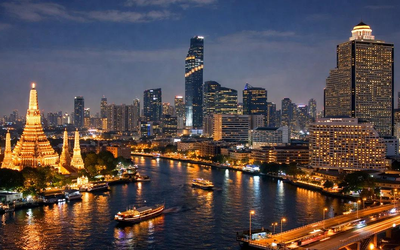
For a modern skyline, visitors can consider a rooftop bar or observation venue in the central business districts. These locations offer views of high-rise buildings and the city’s evening lights. Some venues require reservations or enforce dress codes, so check their policies before visiting.
The river is another excellent viewpoint in its own right. A public ferry provides an affordable way to see the city from the water, while a dinner cruise offers a slower evening experience. Both allow visitors to appreciate Bangkok’s combination of historic temples, modern buildings and active river traffic.
When planning photography, consider the time of day and the direction of the light. Early morning often brings softer conditions for temple visits, while late afternoon can be attractive along the river. Heat, haze and rain can affect visibility, so remain flexible.
The most rewarding views are not always the highest or most expensive. Sometimes, a simple riverside walk provides a clearer sense of the city than a crowded observation deck.
Planning Your Visit to Bangkok’s Most Beautiful Places
Bangkok’s major historic attractions are relatively close together, making it possible to visit the Grand Palace, Wat Pho and Wat Arun in one well-planned day. Begin early at the Grand Palace, continue to Wat Pho and cross the river to Wat Arun. Allow time for meals, transport and breaks in the heat.
Wear light, breathable clothing that meets temple dress codes. Carry drinking water, sun protection and comfortable footwear. You will need to remove your shoes in certain temple buildings, so shoes that are easy to take off are useful.
For transport, combine walking with the river boats and the city’s rail network where practical. The MRT Blue Line provides access to the historic district, including Sanam Chai station near the Grand Palace area. River services can be particularly useful for moving between the temples along the Chao Phraya.
Bangkok is hot for much of the year, and heavy rain can affect outdoor plans during the wet season. Start early, take breaks when needed and keep an indoor alternative available. Museums and other cultural attractions can be useful options during the hottest part of the day.
Finally, remember that these landmarks are not only tourist attractions. Temples remain places of worship, and the Grand Palace has national and ceremonial significance. Respectful clothing, quiet behaviour and attention to local rules make the experience better for everyone.
Bangkok rewards visitors who look beyond the obvious. Its most beautiful places reveal a capital shaped by royal history, Buddhist traditions, river life and the energy of a modern metropolis.
Frequently Asked Questions
What are the best places to visit in Bangkok for first-time visitors?
The Grand Palace, Wat Phra Kaew, Wat Pho and Wat Arun are essential stops for understanding Bangkok’s history and architecture. A journey along the Chao Phraya River and a walk through the historic Rattanakosin district provide a broader view of the city.
Can I visit the Grand Palace, Wat Pho and Wat Arun in one day?
Yes. The three landmarks can be combined because they are relatively close together. Visit the Grand Palace first, continue to Wat Pho and then take the short ferry crossing to Wat Arun. Start early and allow enough time for security, walking and breaks.
What is the best time to visit Bangkok’s temples?
Early morning is generally a comfortable choice because temperatures are lower and crowds may be lighter. Check opening hours before travelling, especially for the Grand Palace, which may change access arrangements during royal ceremonies.
What should I wear when visiting temples in Bangkok?
Wear clothing that covers your shoulders and legs. Avoid sleeveless tops, shorts and revealing or transparent garments, particularly at the Grand Palace. You may also need to remove your shoes before entering temple halls.
Where can I enjoy the best views of Bangkok?
Wat Arun viewed from across the river, the Golden Mount at Wat Saket and the Chao Phraya River itself are excellent choices. Rooftop venues provide modern skyline views, while riverside walks offer a closer look at the city’s historic landmarks.
By The Editors of Luxury Magazine