Bangkok has a distinctive way of bringing different worlds together. Golden temple roofs rise above busy streets, historic shophouses stand beside contemporary galleries, and elegant hotels offer a quiet retreat from the movement of the capital. Tradition is not separate from modern life here. It remains part of the city’s identity, even as its architecture, food scene and lifestyle continue to evolve.
For luxury travellers, this combination is what makes Bangkok particularly compelling. The city offers international hotels, destination restaurants and sophisticated shopping, but it also rewards those who take time to explore its temples, neighbourhood markets and riverside communities. A meaningful visit can include both a carefully prepared tasting menu and a simple local meal, a private hotel suite and a walk through a historic district.
Bangkok’s appeal lies in the balance between these experiences. Its luxury is not defined only by expensive addresses or impressive views. It also appears in the quality of Thai craftsmanship, the care involved in traditional hospitality and the cultural depth behind everyday rituals.
Understanding the city means looking beyond its skyline. From the historic heart of Rattanakosin to the creative districts along the Chao Phraya River and the modern towers of Sathorn, Bangkok reveals how an ancient cultural heritage can coexist with an ambitious, contemporary lifestyle.
The Spiritual Heart of Bangkok
Bangkok’s historic temples provide an essential starting point for understanding the city. They are places of worship, architectural landmarks and active parts of community life. Their importance extends beyond their appearance, connecting religious practice with Thai history and cultural identity.
The Grand Palace remains one of the capital’s defining landmarks. Its buildings, courtyards and decorative details reflect the development of royal architecture since Bangkok became Thailand’s capital in 1782. Within the complex, Wat Phra Kaew houses the Emerald Buddha, one of the country’s most revered religious images. The Tourism Authority of Thailand identifies the palace as a major symbol of the Thai monarchy and national heritage.
Wat Pho offers another perspective. Known for its Reclining Buddha, the temple also contains courtyards, chedis and richly decorated structures. It is associated with traditional Thai massage and the preservation of traditional knowledge. Visitors can explore the compound and, subject to availability, experience a massage at its traditional medicine school.
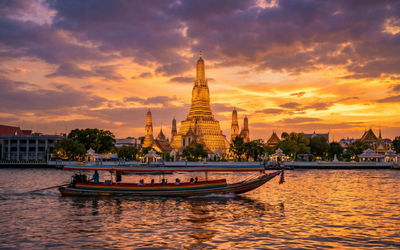
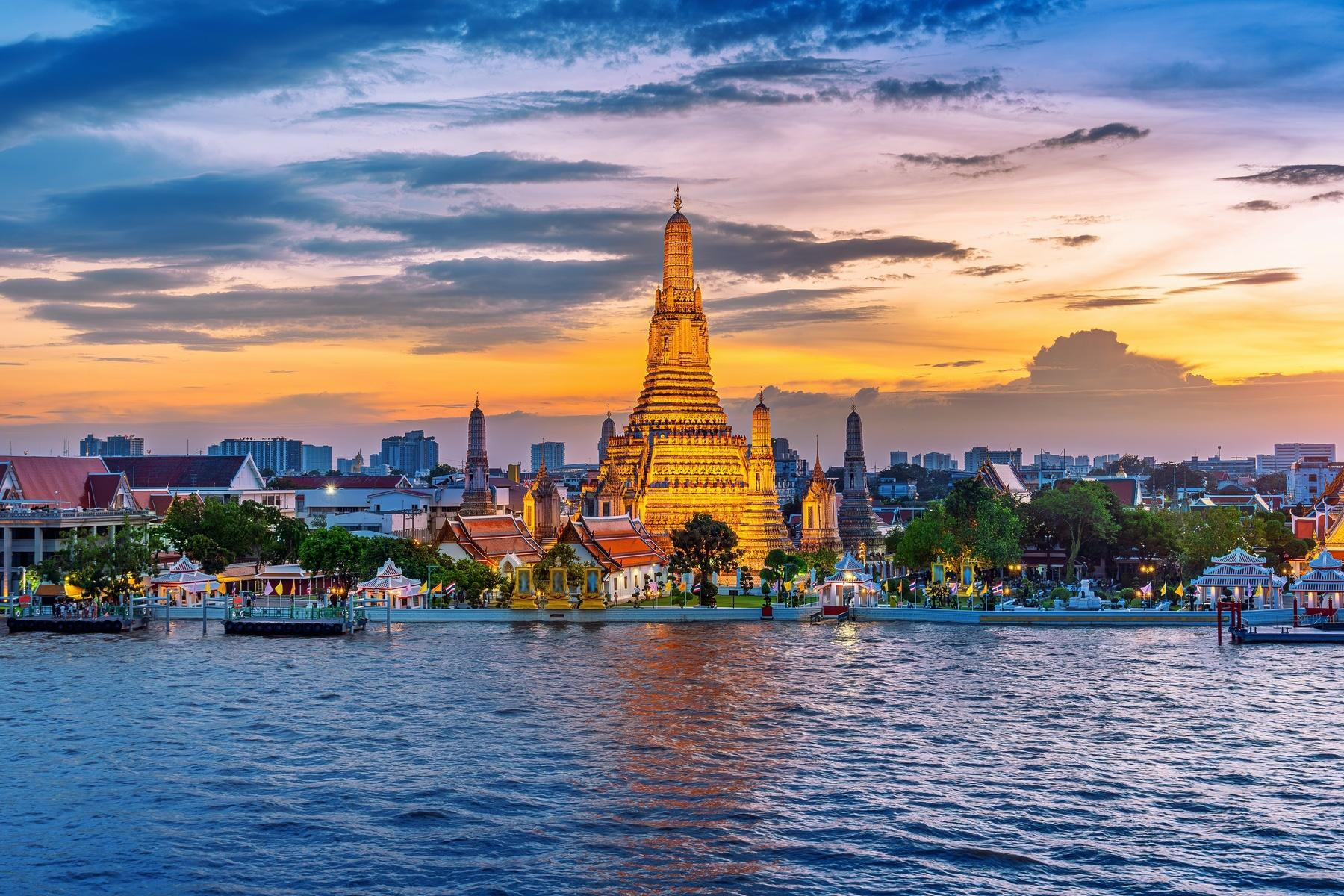
Across the Chao Phraya River, Wat Arun is recognised by its central prang, decorated with intricate ceramic details. Its riverside setting makes it especially striking, whether viewed from a boat or from the opposite bank. The temple also shows how religious architecture can shape the wider identity of a city.
These sites are best approached with respect and sufficient time. Dress modestly, follow local instructions and remember that temples remain places of worship rather than simply attractions. An early visit can also help avoid the strongest heat and some of the busiest periods.
To explore the historic centre in greater depth, see The Most Beautiful Places to Visit in Bangkok. For a different view of the city’s spiritual and multicultural heritage, Kudi Chin: Discovering Bangkok’s Multicultural Riverside Heritage explores one of its historic riverside communities.
Architecture That Connects Past and Present
Bangkok’s architectural identity reflects centuries of cultural exchange. Traditional Thai houses, royal compounds, Chinese-influenced shophouses and European-inspired mansions reveal different stages in the city’s development. Contemporary towers add another layer, expressing Bangkok’s role as a major centre for business, hospitality and design.
The contrast is particularly visible along Charoen Krung, one of the city’s historic commercial roads. Older buildings and traditional businesses share the area with galleries, creative studios and cultural venues. Some historic properties have been adapted for new uses, allowing parts of Bangkok’s architectural heritage to remain active rather than becoming static monuments.
The Thailand Creative and Design Center, housed in the historic Grand Postal Building, is one example of this approach. The wider Charoen Krung area has developed as a creative district where heritage, design and new businesses meet. Bangkok’s designation as a UNESCO Creative City of Design in 2019 also reflects the importance of design in its cultural and urban development.
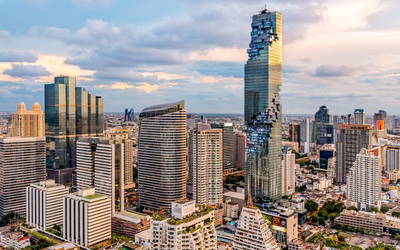
Modern Bangkok presents a different visual language. Buildings such as King Power Mahanakhon stand out for their sculptural forms and dramatic presence on the skyline. Contemporary architecture is also visible in hotels, shopping centres and mixed-use developments that bring dining, retail, offices and residences together.
For travellers, the most rewarding approach is to experience both scales of the city. A walk through an older neighbourhood reveals details that may be missed from a car, while a rooftop viewpoint helps explain the scale of Bangkok’s expansion.
The city’s architectural story is explored further in Bangkok’s Architectural Treasures: From Historic Mansions to Modern Icons. Visitors interested in the relationship between old buildings and contemporary creativity can also read Bangkok’s Creative Districts: Art, Design and Urban Culture.
Luxury Hospitality and the Art of Thai Service
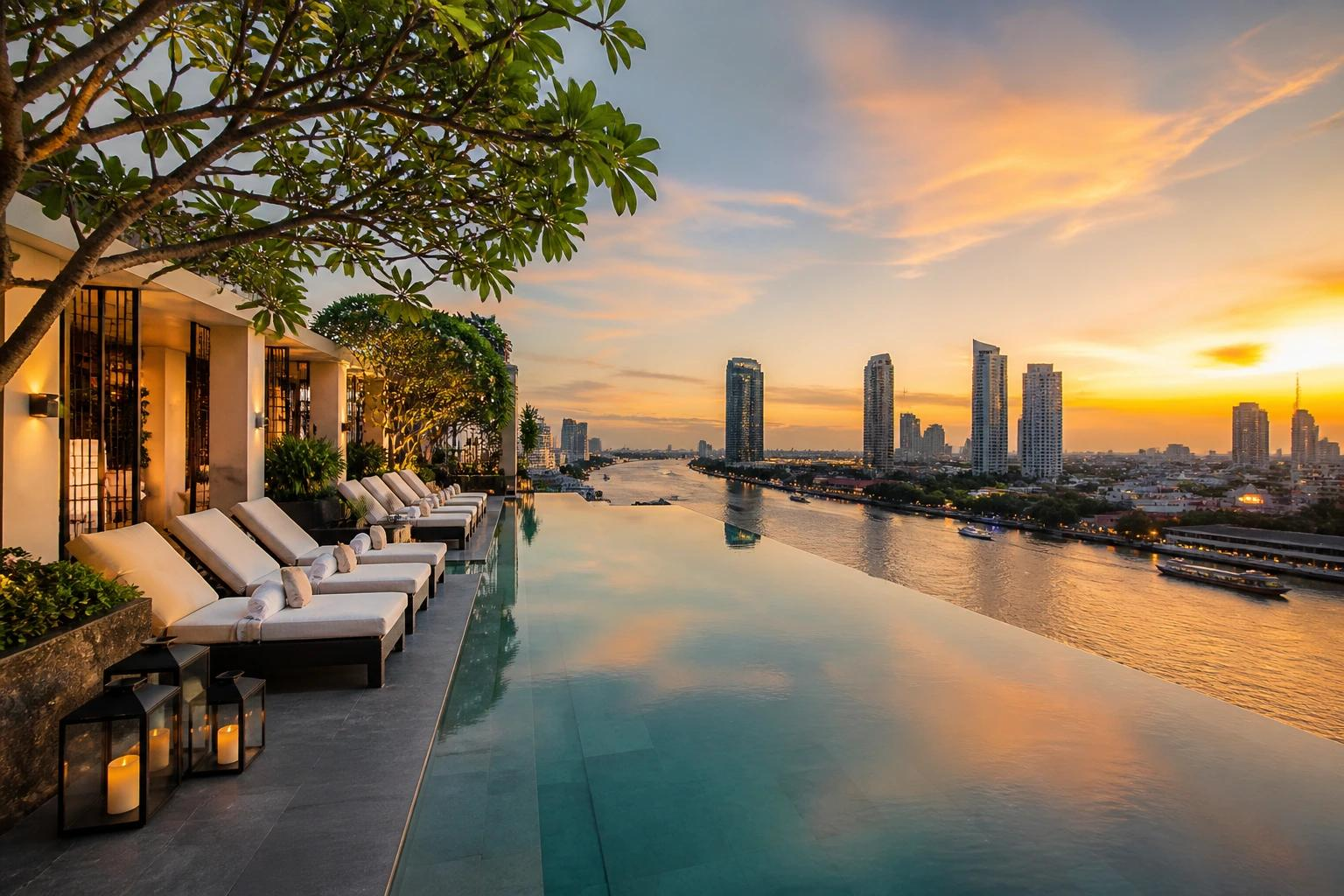
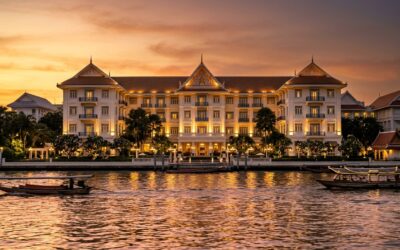
Bangkok’s luxury hotels offer more than a place to sleep. Many combine international standards with Thai design references, thoughtful service and settings that reflect the character of the city. Some overlook the Chao Phraya River, while others occupy central business districts or sit close to major shopping and cultural areas.
The choice of location can shape the entire stay. Riverside hotels appeal to travellers who value views, boat access and a more relaxed atmosphere. Properties near Siam offer convenient access to shopping and transport, while Silom and Sathorn are practical for business travel, dining and contemporary city life.
Service is a central part of the experience. Thai hospitality often places emphasis on attentiveness, courtesy and an ability to anticipate a guest’s needs without making the interaction feel intrusive. The quality of a stay depends not only on the room or facilities but also on how consistently these details are handled.
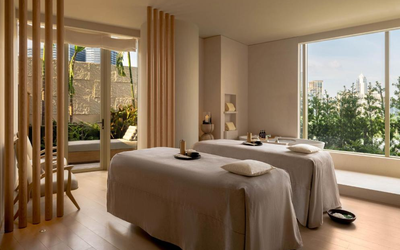
Wellness can also form part of a luxury hotel experience. Depending on the property, guests may find traditional Thai massage, oil treatments, fitness facilities, swimming pools and spa programmes. These services offer a way to pause between sightseeing and evening plans.
For a broader introduction to the city’s wellness culture, Bangkok for Wellness Lovers: Traditional Thai Massage and Urban Retreats explores traditional bodywork and contemporary spa experiences.
When choosing accommodation, consider how you want to experience Bangkok rather than relying only on a hotel’s reputation. A dramatic skyline view may suit one traveller, while another may prefer a quieter garden setting or direct access to the river. The best choice is the one that supports the pace and interests of the trip.
Fine Dining, Street Food and the Luxury of Flavour
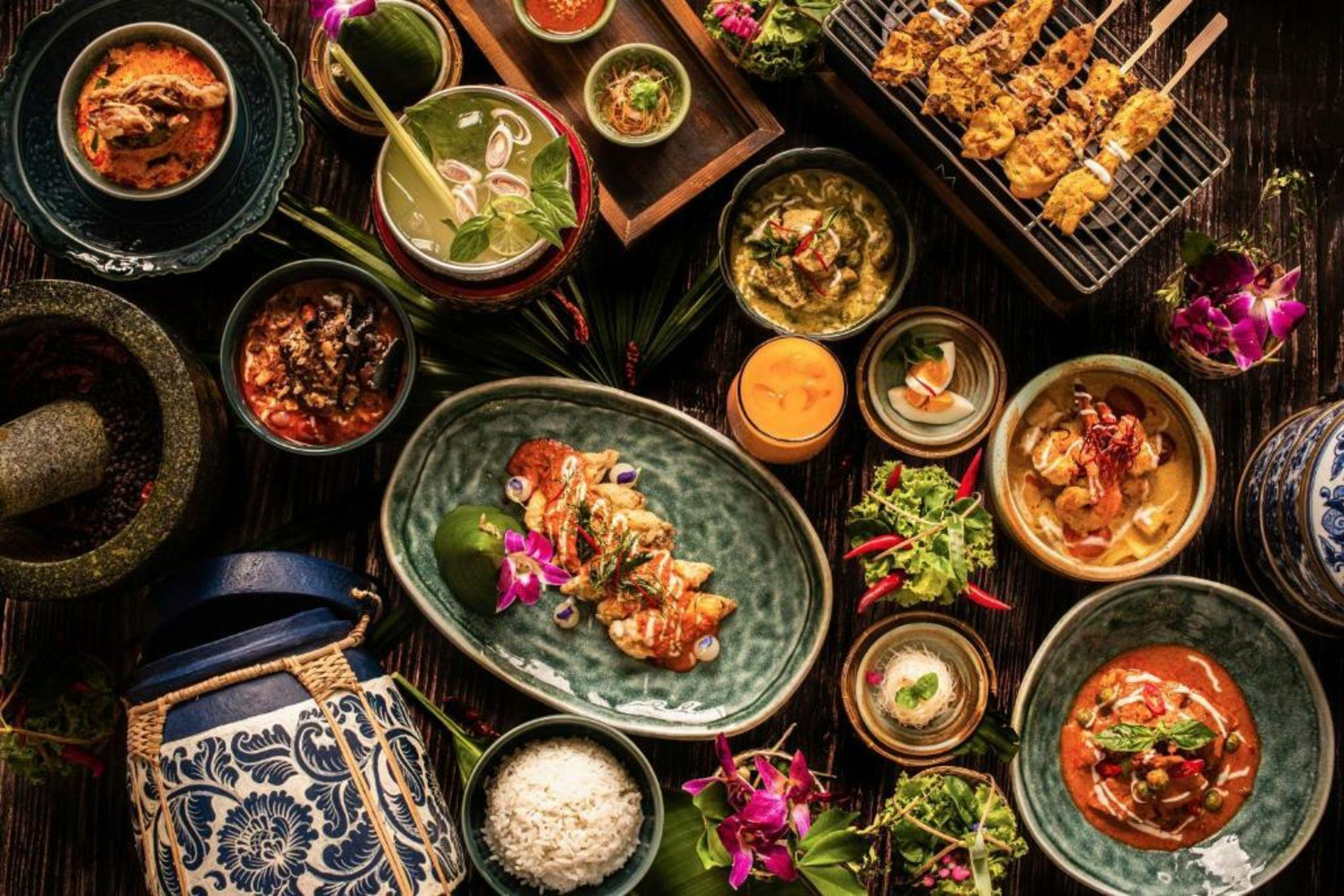
Bangkok’s food culture brings together local traditions, regional influences and contemporary culinary ideas. A single day can include a bowl of noodles from a neighbourhood shop, a carefully prepared Thai lunch and an elaborate dinner overlooking the skyline. These experiences are different, but each can reveal something about the city’s relationship with food.
Traditional Thai cooking balances flavours such as sour, salty, sweet, spicy and bitter. Herbs, fresh ingredients, pastes and sauces contribute to the character of individual dishes. Recipes and preparation methods vary across Thailand, so a meal in Bangkok can introduce visitors to both central Thai cuisine and dishes influenced by other regions.
Street food remains an important part of the city’s daily life. Chinatown’s Yaowarat Road is particularly well known for its evening food scene, with stalls and restaurants serving noodles, seafood, grilled dishes and desserts. Local markets and neighbourhood restaurants offer further opportunities to eat outside formal dining rooms.
At the other end of the spectrum, Bangkok has a sophisticated restaurant scene that includes contemporary Thai cuisine and international dining. Rooftop restaurants add another dimension, pairing food with panoramic views across the city. The Tourism Authority of Thailand has highlighted rooftop venues in central Bangkok, including restaurants that present Thai flavours through modern settings.
A luxury food itinerary does not need to choose between street food and fine dining. Experiencing both creates a more complete picture of the city. The important thing is to select places that suit your tastes and budget, check menus in advance when necessary, and leave room for spontaneous discoveries.
For more on local dishes and eating traditions, read A Taste of Bangkok: Traditional Thai Cuisine and Street Food Culture. Travellers looking for rooftop dining and refined evening experiences can also consult Bangkok’s Luxury Lifestyle: Rooftops, Fine Dining and Exclusive Experiences.
Thai Craftsmanship and Contemporary Design
Bangkok’s sense of luxury is also expressed through materials, craftsmanship and design. Thai silk, decorated ceramics, carved wood and woven fibres connect contemporary products with specialised skills developed over generations. These traditions continue to influence fashion, interiors and decorative objects.
The Jim Thompson House Museum provides a useful introduction to Thai silk and traditional architecture. Its collection of teak houses and Asian art offers cultural context for understanding the relationship between materials, domestic space and craftsmanship. It is also a reminder that design traditions are not limited to objects displayed in shops; they form part of how people build and furnish their surroundings.
Contemporary Thai designers reinterpret these traditions in different ways. Some use traditional materials in modern furniture and lighting, while others experiment with ceramics, textiles and new production techniques. Bangkok’s galleries, design shops and creative events provide opportunities to see this work beyond the conventional souvenir market.
For visitors considering a purchase, asking about the maker, materials and production process can make the experience more meaningful. A well-made textile or ceramic object may offer a lasting connection to the city, particularly when its origin and craftsmanship are clearly explained.
The city’s design culture also reflects its multicultural character. Traditional Thai aesthetics exist alongside Chinese influences, international architectural ideas and the demands of contemporary urban life. This exchange has helped create a design scene that is recognisably local without being limited to one style.
Explore Thai Craftsmanship in Bangkok: Silk, Ceramics and Contemporary Design for a closer look at the textiles, ceramics and creative practices that connect Thai heritage with modern design.
Shopping, Green Spaces and the Contemporary City
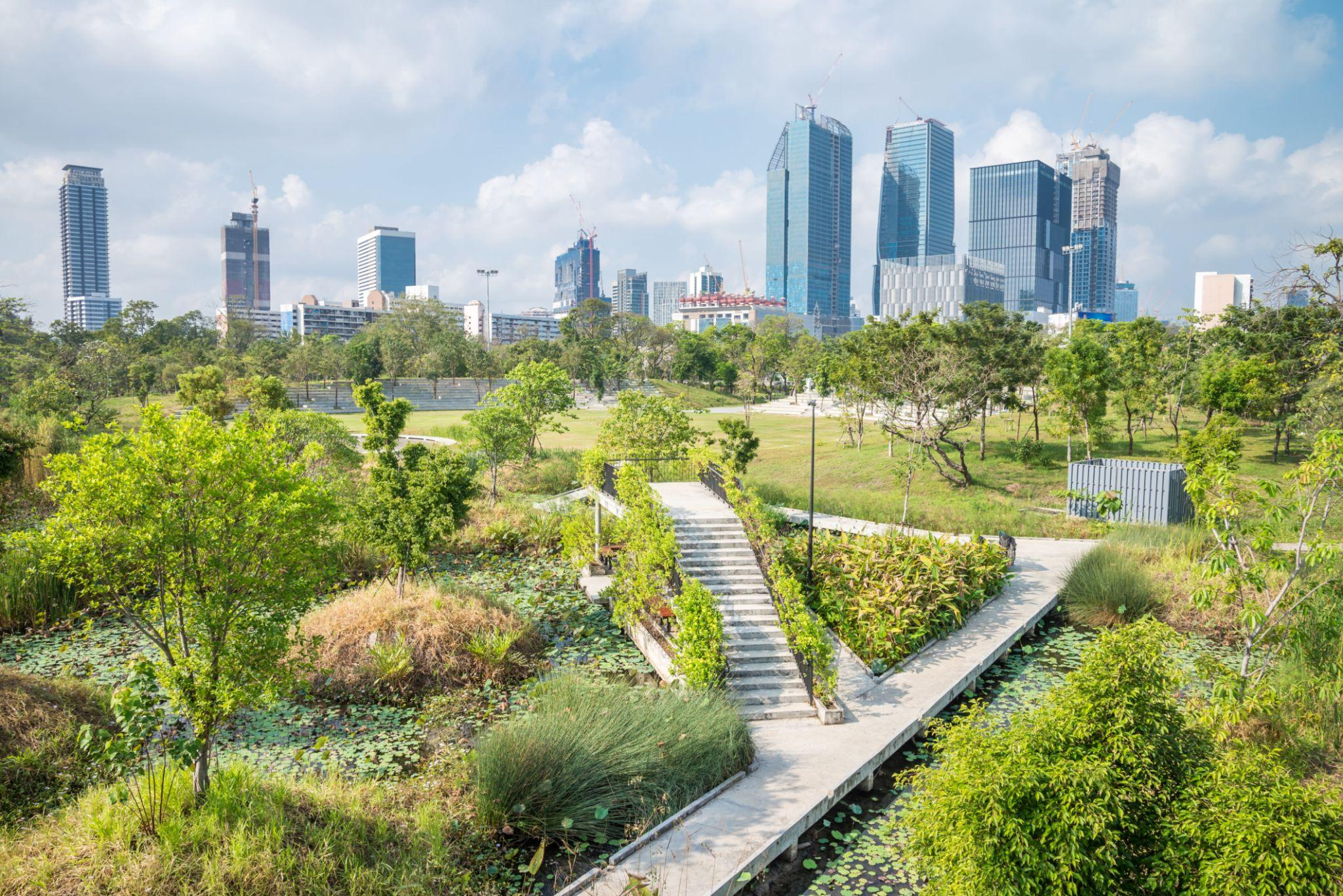
Bangkok’s lifestyle is not confined to temples, hotels and restaurants. Shopping districts, galleries, public parks and creative neighbourhoods are also part of its appeal. Together, they reveal how residents and visitors use the city beyond its main historic attractions.
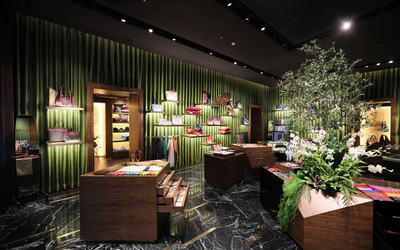
Large shopping centres in areas such as Siam and Sukhumvit bring international fashion, Thai labels, restaurants and lifestyle stores together under one roof. They can be useful during the hottest part of the day, when air-conditioned spaces offer a comfortable break from walking outdoors. Specialist retailers and independent design shops provide a different experience for visitors interested in local products.
Green spaces add another dimension. Lumphini Park offers paths and open areas in the middle of the business district, while Benjakitti Forest Park combines wetlands, walkways and city views. These spaces provide a quieter contrast with the surrounding traffic and towers.
The balance between commercial energy and quieter places is important. Bangkok can feel intense when every hour is scheduled, but a pause in a park, an unhurried café visit or a walk through an older district can make the city easier to appreciate.
Experiencing Bangkok Beyond the Expected
Bangkok is most rewarding when visitors look beyond a checklist of landmarks. The major temples and luxury hotels are worth experiencing, but the city’s identity also emerges in the everyday details: the food prepared at a busy stall, the work of a local craftsperson, the activity around a river pier or the way an older building has found a new purpose.
A thoughtful itinerary combines different experiences without trying to fit everything into a single visit. Spend time in the historic centre, explore a creative neighbourhood, choose a restaurant that interests you and leave room for a slower afternoon. If wellness matters to you, make time for a massage or spa treatment rather than treating it as an afterthought.
The city also changes according to the time of day. Early morning brings a different atmosphere to the temples and parks, while evening reveals the energy of food streets, rooftop venues and the illuminated skyline. Allowing for these contrasts gives a visit more depth.
Bangkok’s relationship with luxury is ultimately more complex than a collection of premium hotels and expensive experiences. It brings together history, service, craftsmanship, food and design in a city that continues to change. Its most compelling quality is the way these elements coexist, allowing ancient traditions and modern ambitions to shape one another.
For the traveller willing to explore both sides, Bangkok offers a rich and varied experience: one rooted in Thai culture, open to international influence and unmistakably contemporary.
Frequently Asked Questions
What makes Bangkok a distinctive luxury travel destination?
Bangkok combines historic temples, Thai craftsmanship, contemporary architecture, luxury hotels, fine dining and lively local neighbourhoods. Visitors can enjoy refined experiences while still connecting with the city’s cultural traditions.
Which historic sites should first-time visitors explore?
The Grand Palace, Wat Phra Kaew, Wat Pho and Wat Arun are essential starting points. Together, they offer an introduction to Thai religious traditions, royal history and architecture.
Where can visitors experience modern luxury in Bangkok?
Riverside hotels, luxury properties in central Bangkok, rooftop restaurants and high-end shopping districts offer different perspectives on the city’s contemporary lifestyle. The best choice depends on whether you prefer river views, dining, shopping or convenient access to cultural sites.
How can travellers discover Thai culture beyond the main attractions?
Explore historic neighbourhoods, visit local markets, try regional Thai dishes and learn about traditional crafts such as silk weaving and ceramics. Creative districts also show how Thai heritage continues to influence contemporary design.
How many days should visitors spend in Bangkok?
Three days provide a good introduction to the city’s main cultural landmarks, food scene and modern lifestyle. Four to five days allow more time for wellness, creative districts, shopping and slower exploration.
By The Editors of Luxury Magazine