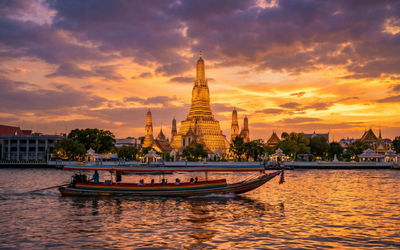
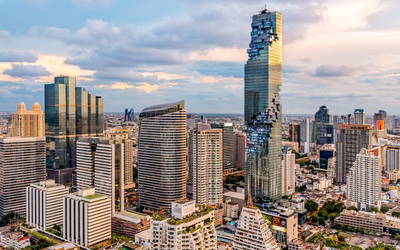
Bangkok is a city of contrasts. Historic temples stand beside modern skyscrapers, traditional markets sit close to designer boutiques, and quiet riverside hotels offer a different pace from the busy streets beyond their gardens. For travellers seeking a more refined side of Thailand’s capital, this contrast is part of the appeal.
The city’s luxury lifestyle is not limited to five-star hotels or expensive restaurants. It can mean watching the sunset from a rooftop terrace, discovering Thai cuisine through a carefully designed tasting menu, or seeing the Chao Phraya River from a traditional wooden boat. Contemporary art, wellness, private hospitality and high-end shopping add further dimensions to the experience.
Bangkok also has a strong sense of place. Its most memorable experiences often combine international standards of service with Thai ingredients, local craftsmanship and the rhythms of everyday life. The result is a destination where luxury can be sophisticated without losing its connection to the city.
Bangkok’s Skyline: Rooftop Bars and Elevated Dining
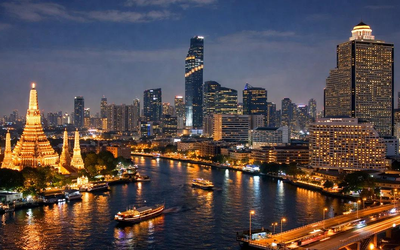
Bangkok’s skyline is one of its defining features. As daylight fades, office towers begin to glow, traffic forms bright lines across the streets, and the Chao Phraya River reflects the lights along its banks. Rooftop bars and restaurants provide a different perspective on this activity, bringing the city into view from above.
Sky Bar by lebua is among Bangkok’s best-known rooftop destinations. Located on the 64th floor of The Dome at lebua, it stands 247 metres above the city. The open-air setting and panoramic views make it a popular choice for an evening drink, particularly around sunset. Its location also makes it easy to combine cocktails with dinner at one of the nearby restaurants within the same hotel complex.
For a full dinner above the skyline, Sirocco at lebua offers Mediterranean cuisine in an open-air setting. The experience places equal emphasis on the food and the surrounding view. Guests who prefer a more formal gastronomic experience can consider Mezzaluna, the hotel’s two-MICHELIN-Starred restaurant, which serves contemporary French cuisine shaped by Japanese influences.
Another name associated with Bangkok’s rooftop culture is Vertigo at Banyan Tree Bangkok. Set high above Sathorn, it combines open-air dining with wide views across the city. However, travellers planning a visit in 2026 should check the latest operating information: Vertigo and Moon Bar are scheduled to reopen after renovation on 2 December 2026.
The right rooftop depends on the occasion. A cocktail bar works well for a short visit, while a rooftop restaurant allows more time to enjoy the view. For either option, smart attire is a sensible choice, and it is worth checking dress codes and reservation policies in advance. Sunset is popular, so arriving early can help secure a better position and avoid rushing through the experience.
Fine Dining: Bangkok’s International Culinary Reputation

Bangkok has become one of Asia’s most compelling destinations for fine dining. Its restaurants combine international techniques with Thai ingredients, regional traditions and ideas drawn from across the world. The result is a varied scene that ranges from contemporary Thai tasting menus to French gastronomy, modern Indian cuisine and inventive culinary concepts.
The MICHELIN Guide Thailand 2026 offers a useful starting point. Sühring received three MICHELIN Stars, joining Sorn as one of Thailand’s two restaurants at this level. Sühring presents modern German cuisine influenced by family recipes, traditional techniques and seasonal ingredients. Its approach shows that Bangkok’s fine-dining scene extends well beyond Thai cuisine.
For a distinctly Thai perspective, Nusara explores contemporary Thai cooking through a menu that draws on the country’s culinary traditions. POTONG, housed in a historic building in Bangkok’s Chinatown, offers an innovative experience shaped by Thai-Chinese heritage. Both restaurants provide alternatives to conventional hotel dining, with a stronger focus on culinary storytelling and the character of their surroundings.
Gaa and Côte by Mauro Colagreco are also worth considering. Both hold two MICHELIN Stars in the 2026 selection, offering different interpretations of contemporary gastronomy. Gaa draws on modern Indian cooking, while Côte presents modern cuisine in a riverside setting at Capella Bangkok. The contrast illustrates the range of styles available within the city’s high-end dining scene.
A fine-dining evening in Bangkok can be as much about the pace of the meal as the menu itself. Tasting menus may unfold over several courses, with each dish introducing a new ingredient or technique. Guests should allow enough time to enjoy the experience rather than scheduling several activities around dinner.
Reservations are advisable, especially for restaurants with Michelin distinctions. Menus, prices and opening schedules can change, so consult each restaurant’s official website before booking. Travellers with dietary requirements should communicate them when making the reservation, particularly when choosing a fixed tasting menu.
The Chao Phraya River: Private Cruises and Riverside Living

The Chao Phraya offers one of the most distinctive ways to experience Bangkok. The river passes historic temples, royal landmarks, traditional neighbourhoods and contemporary hotels. From the water, the city feels different: the traffic recedes, the skyline opens up, and everyday river life becomes part of the view.
For a refined evening, the Saffron Cruise by Banyan Tree Bangkok combines Thai gastronomy with a contemporary boat design. The experience includes a four-course Thai dining journey, panoramic river views and an open-air Moon Deck inspired by the hotel’s rooftop bar. The cruise departs from ICONSIAM, making it possible to combine an afternoon of shopping with an evening on the water.
Another option is the Apsara Cruise, also associated with Banyan Tree Bangkok. This experience takes place aboard a restored vintage rice barge and features a five-course Thai menu. Its slower pace and traditional vessel create a different atmosphere from larger dinner boats, with illuminated landmarks such as Wat Arun and the Grand Palace forming part of the journey.
For travellers who prefer a more intimate experience, a private boat can offer greater flexibility over timing and itinerary. Depending on the operator, a journey may focus on riverside architecture, historic communities or a sunset passage through the central city. Confirm the vessel, route, duration, inclusions and weather policy before booking, as private charters vary considerably.
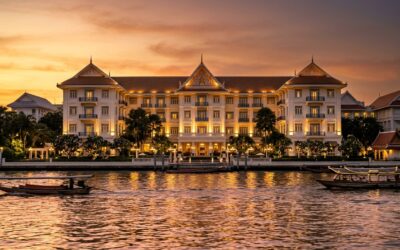
Riverside hotels also make the water part of daily life rather than a single excursion. A room with a river view, a long breakfast beside the water or an evening drink on a terrace can provide a quieter counterpoint to Bangkok’s busier commercial districts.
The best time for a river cruise depends on the atmosphere you want. An early evening departure offers the transition from daylight to illuminated landmarks, while a later cruise places more emphasis on the city after dark. Either way, the river provides a perspective that cannot be replicated from a rooftop.
Luxury Hotels, Wellness and Personalised Service

Bangkok’s luxury hotels offer more than a place to sleep. Many function as destinations in their own right, with carefully designed rooms, restaurants, wellness facilities and attentive service. The choice between a riverside property and a hotel in the central business or shopping districts can shape the entire stay.
Riverside hotels suit travellers who want views, a calmer atmosphere and easy access to river-based activities. Properties around Sathorn and Silom offer convenient connections to business districts, restaurants and rooftop venues. Staying near Siam or Chit Lom, meanwhile, places major shopping destinations within easier reach.
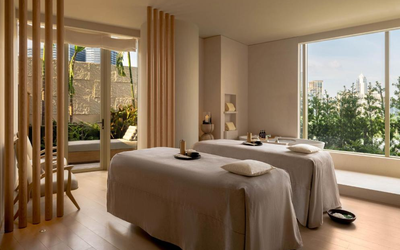
Wellness is another important part of the city’s contemporary luxury scene. Hotel spas offer treatments, relaxation areas and personalised services that can provide a break from sightseeing. For a more complete wellness day, guests may combine a treatment with a leisurely lunch, time by a pool and an evening without a tightly planned schedule.
Bangkok is also a destination for travellers who value privacy and convenience. Airport transfers, a dedicated driver, restaurant reservations and tailored excursions can reduce the time spent navigating a busy city. These arrangements are particularly useful for short stays, when traffic and travel between districts can take up a significant part of the day.
The most suitable hotel depends on the purpose of the visit. A couple planning a special occasion may prioritise views, dining and spa facilities. A traveller focused on shopping may prefer direct access to the central retail districts, while a longer stay may benefit from larger rooms and more residential surroundings.
Before booking, compare the location as carefully as the room category. A hotel may look close to several attractions on a map, yet the journey can be slow during peak traffic. Access to the BTS Skytrain, MRT or river transport can make a noticeable difference to the daily experience.
Designer Shopping and Contemporary Bangkok
Shopping is a central part of Bangkok’s modern lifestyle. The city brings international luxury houses together with Thai designers, contemporary retail concepts, restaurants and cultural attractions. For visitors, this creates an opportunity to explore both global brands and local creativity within the same day.
Siam Paragon is one of the city’s major luxury shopping destinations. Its offering includes international fashion labels, dining and entertainment, making it suitable for travellers who want to combine shopping with other activities. The wider Siam district also includes Siam Center and Siam Discovery, each with a different retail identity and a focus on contemporary design and lifestyle.
ICONSIAM offers a different setting on the banks of the Chao Phraya River. Alongside luxury boutiques and international brands, the complex includes dining, Thai cultural elements and entertainment. Its riverside location makes it particularly convenient for combining a shopping visit with a cruise or an evening meal.
For travellers interested in design beyond international labels, Bangkok’s creative districts and independent shops offer another perspective. Thai fashion, jewellery, homeware and craft objects can provide more personal souvenirs than conventional luxury purchases. Exploring these smaller businesses also reveals how local designers interpret traditional materials and techniques for contemporary audiences.
A well-planned shopping day should leave room for breaks. Bangkok’s heat and humidity can make extended outdoor walking tiring, while large retail complexes provide air-conditioned spaces for dining and rest. Rather than trying to visit every major mall, choose one or two areas and allow time to explore them properly.
Exclusive Experiences Beyond the Usual Itinerary
Bangkok rewards travellers who look beyond a checklist of landmarks. Private cultural visits, guided food experiences, architecture-focused walks and tailored excursions can offer a closer understanding of the city. The value lies in the quality of the experience and the knowledge of the person leading it, not simply in its price.
A private food tour can introduce visitors to dishes and neighbourhoods they might overlook when travelling independently. Chinatown, for example, combines historic shopfronts, temples and a lively food culture. A knowledgeable guide can help explain the area’s Thai-Chinese influences while adapting the route to the visitor’s interests and appetite.
Architecture is another way to explore Bangkok. The city’s character emerges through the contrast between traditional wooden houses, historic religious buildings, early commercial streets and modern towers. A guided walk can make these layers easier to understand, particularly for visitors interested in photography, design or urban history.
Art and contemporary culture also deserve a place in a luxury itinerary. Bangkok has galleries, creative spaces and cultural venues that reveal a side of the city beyond shopping and nightlife. Check current exhibitions and opening hours before visiting, as programmes vary throughout the year.
For a special occasion, a personalised itinerary may bring several experiences together: a cultural visit in the morning, a long lunch, time at a hotel spa and dinner at a restaurant booked in advance. The schedule should remain flexible enough to accommodate traffic, weather and the natural pace of the day.
The most successful experiences often balance planning with freedom. Reserving a sought-after restaurant or a private cruise in advance is sensible, but leaving time to discover a café, explore a side street or enjoy an unplanned river view can make the city feel more personal.
Planning a Luxury Stay in Bangkok
Bangkok is a year-round destination, but heat, humidity and seasonal rain can influence how the day should be organised. Outdoor activities are often more comfortable in the morning or later in the afternoon. Rooftop venues and river cruises are popular in the evening, so check weather conditions and operating policies before setting out.
Traffic is one of the most important practical considerations. For longer journeys, the BTS Skytrain and MRT can be more predictable than a car during busy periods. River transport can also be useful when visiting riverside attractions. For private transfers, allow additional time around peak hours and major events.
Reservations are particularly important for Michelin-starred restaurants, popular rooftop venues and private river experiences. Confirm the dress code, cancellation policy, menu options and any deposit requirements directly with the provider. Rooftop bars may operate different policies from their restaurants, even when they share the same building.
A balanced itinerary might include one major dining experience, one evening on the river, a rooftop visit and a wellness session, with time left for shopping or cultural exploration. Trying to fit every activity into a short stay can make the city feel like a series of appointments rather than a destination to enjoy.
Bangkok’s luxury lifestyle is at its best when these experiences work together. A panoramic view reveals the scale of the city, a carefully prepared meal offers a taste of its creativity, and a journey along the Chao Phraya brings its history into focus. Between these moments, the city’s shops, hotels, galleries and neighbourhoods provide countless ways to discover its contemporary character.
Frequently Asked Questions
What are the best luxury experiences in Bangkok?
Popular choices include rooftop bars such as Sky Bar by lebua, Michelin-starred dining, an evening cruise on the Chao Phraya River, luxury hotel spas and designer shopping at Siam Paragon or ICONSIAM. The best combination depends on your interests and the length of your stay.
Which rooftop bars are worth visiting in Bangkok?
Sky Bar by lebua is known for its high-altitude setting and panoramic views. Vertigo and Moon Bar at Banyan Tree Bangkok are also well-known names, but they are scheduled to reopen after renovation on 2 December 2026. Check official websites for current operating information before visiting.
Where can visitors enjoy Michelin-starred fine dining in Bangkok?
Options in the MICHELIN Guide Thailand 2026 include Sühring, Sorn, Gaa, Côte by Mauro Colagreco, Nusara and POTONG. They offer different cuisines and dining styles, so review the menus and reservation requirements before choosing.
Are luxury river cruises available on the Chao Phraya River?
Yes. Experiences include the Saffron Cruise and Apsara Cruise, both associated with Banyan Tree Bangkok. They combine Thai dining with views of riverside landmarks. Departure points, menus and schedules differ, so confirm details directly with the operator.
How many days are needed to experience Bangkok’s luxury lifestyle?
Three to four days provide a useful starting point. This allows time for a rooftop evening, a fine-dining meal, a river cruise, shopping and a wellness experience, while leaving space for cultural visits and travel between districts.
By the Editors of Luxury Magazine