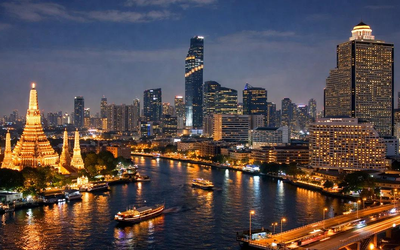
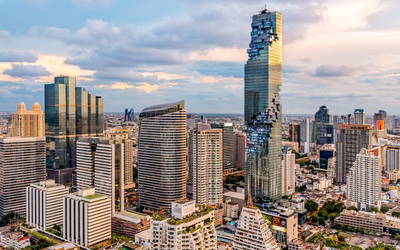
Bangkok is known for its energy, historic temples, river views and modern skyline. Yet the city also offers a closer look at Thailand’s creative traditions. Silk textiles, decorated porcelain, carved wood and woven materials reveal the skill and knowledge passed between generations of artisans. Today, these traditions continue to evolve through contemporary fashion, interiors and product design.
Craftsmanship in Bangkok is not limited to souvenirs or traditional objects displayed behind glass. It appears in carefully woven fabrics, ceramics made for everyday use, furniture that combines natural materials with modern forms, and design exhibitions that connect local knowledge with international ideas. The result is a creative landscape in which heritage remains visible without preventing experimentation.
For visitors interested in culture, design and considered shopping, exploring Thai craftsmanship adds another dimension to a stay in the capital. A museum visit can explain the history behind a textile, while a gallery or specialist shop may reveal how the same techniques are being adapted for contemporary life.
Thai Silk: A Textile Tradition with an International Story

Thai silk is one of the country’s best-known craft traditions. Its appeal comes from the relationship between material, colour, pattern and the skill required to turn threads into fabric. Depending on the weaving technique and the silk itself, the finished textile can have a distinctive sheen, a rich texture or a more understated appearance.
The tradition is not uniform across Thailand. Weaving communities in different regions have developed their own patterns, materials and methods. Bangkok brings many of these traditions into contact with fashion houses, interior designers, specialist retailers and international visitors. The city is therefore an important place to learn about Thai silk, even though much of the weaving takes place elsewhere in the country.
One of the best-known names associated with the international recognition of Thai silk is Jim Thompson. The company was founded in 1950 by James H. W. Thompson, an American entrepreneur who helped introduce Thai textiles to a wider international audience. Its work continues to connect traditional weaving with contemporary fabrics and design.
Visitors can explore this history at the Jim Thompson House Museum, a collection of traditional Thai teak houses set within a tropical garden in central Bangkok. The residence also provides a wider introduction to Southeast Asian art, architecture and decorative objects. Guided visits help place the textiles within the cultural context of the house and its collection.
The museum is worth visiting even for travellers who do not intend to buy silk. It offers a clearer understanding of how architecture, objects and materials work together in Thai design. The adjoining Jim Thompson Art Center adds a contemporary dimension through exhibitions and cultural programmes. Before visiting, check the official website for current admission information and exhibitions.
When shopping for silk, look beyond colour alone. Examine the texture, the finish and the way the fabric falls. Ask whether the textile is handwoven or produced using another method, and request details about its origin when available. These questions are more useful than assuming that every fabric marketed as Thai silk has the same production history.
Silk also works well in modern interiors. Cushions, table accessories, wall panels and carefully selected textile pieces can introduce colour and texture without making a room feel overly decorative. In fashion, scarves, jackets and tailored garments offer a way to wear the material while respecting the character of the weave.
Benjarong Ceramics: Colour, Precision and Decorative Detail

Ceramics reveal another side of Thai craftsmanship. Among the most recognisable decorative traditions is Benjarong, a style of porcelain associated with intricate patterns and richly coloured decoration. The name is commonly translated as “five colours”, although contemporary pieces may feature a wider palette.
Traditional Benjarong objects often combine floral motifs, repeated borders and fine decorative details. Some pieces also use gold accents, giving the finished surface a particularly elaborate appearance. The work requires patience and precision: the composition must fit the shape of the vessel, while the colours and details need to remain balanced across its curved surface.
Historically associated with refined decorative objects, Benjarong can now be encountered in a range of forms, from display pieces to tableware and home accessories. Its patterns offer a strong visual contrast with the clean lines often found in contemporary interiors. A single bowl or vessel can become a focal point, while a coordinated set creates a more formal presentation.
The wider Thai ceramics tradition extends well beyond Benjarong. Potters and ceramic artists work with different clays, glazes, firing methods and forms. Some focus on functional objects, while others create sculptural pieces that sit between craft and fine art. Thailand’s Community Development Department has highlighted the way traditional ceramic knowledge is being combined with modern techniques and product development.
In Bangkok, visitors can look for ceramics in design shops, galleries, craft exhibitions and specialist retailers. Ask about the maker and the production process, particularly when considering a piece as a lasting purchase. Small differences in glaze, shape and surface finish can reveal the hand of the maker and distinguish an individual object from mass-produced alternatives.
Ceramics are also practical souvenirs, provided they can be transported safely. Before purchasing a fragile piece, check its packaging and consider whether it can be shipped. For larger works, confirm the dimensions, weight and delivery arrangements in advance.
From Traditional Materials to Contemporary Thai Design
Thai design today is not simply a preservation of older forms. Designers and makers continue to reinterpret traditional techniques, materials and visual references in response to modern needs. Woven fibres may become lighting or furniture; familiar patterns can appear in fashion accessories; and ceramic forms may move from the kitchen to the gallery.
Bangkok provides a useful setting for observing this exchange. The city has a diverse design community, with work spanning fashion, interiors, architecture, furniture and product development. In 2019, UNESCO designated Bangkok a City of Design within its Creative Cities Network, recognising the city’s creative strengths and the role of design in urban development.
This contemporary approach is visible in exhibitions that bring traditional craft into conversation with new materials and ideas. At the Jim Thompson Art Center, for example, programmes have explored connections between contemporary art, craft and the museum’s historic collection. One exhibition has included artists reinterpreting garland traditions, working with ceramic forms and collaborating with brass craftsmen. Such projects demonstrate that craft can remain rooted in cultural knowledge while developing new artistic directions.
For visitors, the most interesting objects often balance these two qualities. A piece may use a traditional weaving technique but have a restrained contemporary silhouette. A ceramic vessel may draw on familiar decorative forms while experimenting with scale or surface. Furniture may use rattan or other natural materials in a design suited to a modern apartment or hotel.
This is also where thoughtful shopping becomes more meaningful. Rather than choosing an object simply because it looks traditionally Thai, consider how its material, construction and form relate to the maker’s ideas. Ask whether the design is produced locally, whether the materials are identified and whether the creator provides information about the process.
Not every contemporary object will use an old technique, and not every traditional craft needs to be modernised. The strength of Bangkok’s creative scene lies partly in the range of approaches available, from careful continuity to experimentation.
Bangkok Design Week and the City’s Creative Community

Design events can provide a concentrated introduction to Thailand’s contemporary craft scene. Bangkok Design Week brings together designers, creative businesses, cultural organisations and members of the public through exhibitions, installations, talks and other activities. Its programme changes from year to year, so visitors should consult the official event listings before planning a trip around it.
The wider value of a design festival is the opportunity to see how creative work develops beyond the finished product. Exhibitions may reveal the materials behind an object, the thinking behind a collection or the collaboration between designers and specialist makers. They can also introduce visitors to independent studios and emerging labels that are less visible in large shopping centres.
Outside festival periods, galleries, design-focused retail spaces and cultural institutions remain useful places to explore. Look for exhibitions that identify the artists and makers rather than presenting objects without context. Information about materials, techniques and place of production can help visitors distinguish a considered design purchase from a generic decorative item.
Bangkok’s creative scene is diverse, and no single exhibition or district represents every aspect of Thai craftsmanship. It is better to treat a design visit as a starting point: one gallery may introduce contemporary furniture, while another may focus on textiles, ceramics or experimental art.
Travellers with limited time can combine a cultural visit with a design-focused shopping stop. The Jim Thompson House Museum and Art Center are particularly useful for understanding the relationship between traditional Thai architecture, textiles and contemporary creative practice. Check current exhibitions and opening information before travelling, as programmes and arrangements may change.
Where to Discover Thai Craftsmanship in Bangkok

A good craft itinerary should balance cultural context with opportunities to see objects at close range. Begin with the Jim Thompson House Museum for an introduction to Thai silk, traditional architecture and Southeast Asian decorative arts. Allow time to explore the garden and, if the programme suits your interests, the adjoining Art Center. The museum’s official website provides visitor details and guidance on admission.
Next, explore design shops and galleries that focus on contemporary Thai products. These can be useful places to compare ceramics, textiles, accessories and home objects in one visit. Look for clear information about the designer, the material and the place of production. If you are interested in a particular technique, ask staff whether they can recommend makers or collections with a documented connection to it.
For a more event-led experience, check the dates and programme for Bangkok Design Week. Its temporary exhibitions and installations may offer access to work that is not normally presented in retail settings. Because venues and participating designers can vary, it is worth reviewing the programme before choosing a neighbourhood or building a route.
Traditional craft objects are also sold through specialist retailers and selected markets. However, a market setting alone does not guarantee that a product is handmade, locally produced or made using traditional methods. If authenticity matters to you, ask questions and look for specific information rather than relying only on labels or visual appearance.
Practical considerations are important when buying craft. Compare prices across a few retailers, particularly for higher-value pieces. For silk, clarify the fibre content and care requirements. For ceramics, check for chips, cracks and secure packaging. For furniture or larger decorative objects, ask about dimensions, shipping, delivery times and any additional charges.
Most importantly, leave room for discovery. A small textile sample, a well-made ceramic cup or a modest object from an emerging designer can offer a more personal connection to Bangkok than a hurried purchase of a familiar souvenir.
Buying Craft with Care and Understanding
A meaningful craft purchase begins with curiosity. Ask who made the object, what materials were used and how the design relates to local traditions. Not every seller will have detailed information, but a clear answer can help you understand what you are buying.
Handmade work naturally varies. Differences in colour, pattern or shape may be part of the process rather than a flaw, although this depends on the object and the maker’s standards. For functional ceramics, check that the item is suitable for its intended use. Decorative vessels, for example, should not automatically be assumed to be food-safe.
Consider the object’s usefulness as well as its appearance. Silk accessories, textiles for the home, small ceramic pieces and well-designed everyday items are often easier to transport and incorporate into daily life than large decorative purchases. If you are buying a gift, ask about care instructions and packaging.
It is also worth distinguishing between traditional craft and contemporary design without treating one as more authentic than the other. Traditional methods preserve specialised knowledge, while contemporary work can create new opportunities for makers and materials. Both can contribute to Thailand’s creative economy when production and provenance are represented accurately.
Bangkok offers a rewarding introduction to these different approaches. Through silk, ceramics, exhibitions and design-led retail, visitors can see how the country’s craft traditions remain active in modern life. The most memorable object may not be the most elaborate or expensive one. It may be the piece whose material, workmanship and story stay with you long after the journey has ended.
Frequently Asked Questions
Where can visitors learn about Thai silk in Bangkok?
The Jim Thompson House Museum is a useful starting point. Its historic residence and collection provide cultural context for Thai textiles, architecture and decorative arts. Check the official website for current visitor information and exhibitions.
What is Benjarong pottery?
Benjarong is a Thai decorative porcelain tradition known for intricate patterns and colourful decoration, often including floral motifs and gold details. Contemporary examples may vary in style, palette and intended use.
Where can visitors discover contemporary Thai design?
Bangkok’s galleries, design shops, cultural institutions and Bangkok Design Week are useful places to explore contemporary work. Event dates and programmes change, so check official listings before visiting.
How can shoppers identify authentic Thai craft products?
Ask about the maker, production location, materials and techniques. Look for specific product information and be cautious of broad claims that are not supported by details about how or where an object was made.
What Thai craft items are practical to bring home?
Silk scarves, small textiles, ceramic tableware and compact decorative objects can be practical choices. Check care instructions, packaging and transport requirements before purchasing, especially for fragile or high-value items.
By The Editors of Luxury Magazine