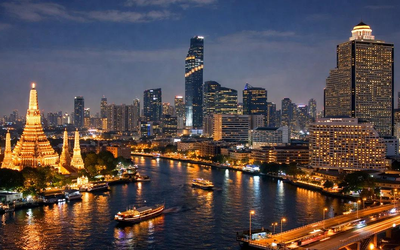
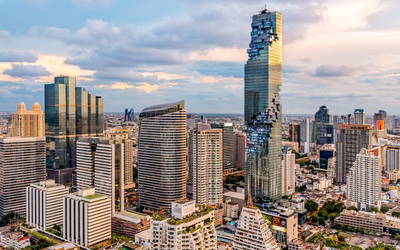
Bangkok is often introduced through its grand temples, luxury hotels and spectacular skyline. Yet some of the city’s most revealing experiences are found away from these familiar landmarks. They emerge in narrow market lanes, family-run restaurants, old shophouses and riverside communities where daily life continues alongside the city’s rapid transformation.
In Chinatown, the smell of freshly cooked noodles drifts through busy streets. In Talat Noi, old mechanical workshops share space with small galleries and cafés. Bang Rak brings together historic architecture, traditional food businesses and contemporary creative spaces. Each neighbourhood offers a different view of Bangkok, shaped by generations of trade, migration and cultural exchange.
Exploring these districts requires a different pace. Rather than moving quickly between attractions, visitors can walk, stop for a meal, browse a market and observe the details that make each area distinctive. These experiences reveal an authentic side of the Thai capital without separating its heritage from its modern life.
Chinatown: The Flavours and Traditions of Yaowarat
Bangkok’s Chinatown, centred on Yaowarat Road, is one of the city’s most distinctive historic districts. Its character reflects generations of Chinese migration and the development of trade along the Chao Phraya River. Today, Chinese and Thai traditions remain visible in its temples, gold shops, family businesses, food stalls and everyday rituals.
During the day, Chinatown is a place to explore traditional commerce. Gold shops line the main road, while smaller lanes lead to stores selling dried ingredients, kitchen supplies, herbs and household goods. Sampeng Lane is particularly known for its dense concentration of wholesale shops. The narrow passageways are part of the experience, but they are also working spaces, so visitors should avoid blocking entrances or stopping in the middle of busy routes.
Wat Mangkon Kamalawat, one of the area’s important Chinese Buddhist temples, offers an opportunity to understand the spiritual traditions that continue to shape local life. Visitors may see worshippers lighting incense, making offerings or pausing for prayer. Wat Traimit, near the eastern entrance to Chinatown, is known for its Golden Buddha and its connection to the area’s Chinese heritage.
The atmosphere changes towards evening. Yaowarat Road becomes a destination for street food, with vendors preparing noodles, seafood, grilled dishes and traditional desserts. Many businesses have served local customers for generations, although individual stalls and opening schedules change over time. The best approach is to walk slowly, observe what is being prepared and choose places with a steady flow of customers.
Arriving around early evening allows time to explore before the busiest period. Mondays can be quieter because many street vendors take the day off, although restaurants and other businesses may remain open. For easier access, the MRT Blue Line’s Wat Mangkon station is a practical starting point.
Chinatown is best experienced as more than a food destination. Its temples, markets and family businesses reveal how a historic community continues to adapt while preserving important parts of its identity.
Talat Noi: Old Workshops, Street Art and Riverside Heritage

Just south of Chinatown, Talat Noi offers a more intimate view of Bangkok’s history. This old riverside neighbourhood developed through trade and migration, with Chinese communities, merchants and boatmen contributing to its identity. Its streets still contain traditional houses, shrines, workshops and former commercial buildings, although cafés and creative businesses have brought new activity to the area.
One of Talat Noi’s defining features is the contrast between old industry and contemporary creativity. Garages and second-hand car-parts businesses sit beside restored façades, small galleries and coffee shops. Murals appear on walls between traditional buildings, creating a visual record of how the neighbourhood has evolved. These changes make Talat Noi attractive to photographers, but its appeal extends beyond street art.
The area’s historic buildings offer a closer look at Bangkok’s multicultural past. So Heng Tai, a traditional Chinese courtyard house, is one of its best-known landmarks. Holy Rosary Church, also known as Wat Kalawar, reflects the area’s Catholic history and long-standing cultural connections. Chinese shrines provide another layer of heritage, linking the neighbourhood’s present-day residents with older traditions of worship and community life.
Talat Noi rewards exploration on foot. Allow around 90 minutes to two hours to wander through its lanes, look at the architecture and pause at a café. Late morning or late afternoon can be comfortable times to visit, although the opening hours of individual businesses vary.
The district is still a residential and working neighbourhood, not an open-air museum. Motorbikes, delivery carts and workshop activity are part of everyday life. Visitors should give people room to work, ask before photographing residents and avoid entering private courtyards or buildings without permission.
Talat Noi’s character comes from this balance between preservation and change. Its small creative businesses bring new energy, while the workshops and family homes keep the area connected to its history.
Bang Rak and Song Wat: A Different Side of Historic Bangkok

Bang Rak offers another perspective on the city’s cultural mix. Situated along the Chao Phraya River and around the historic Charoen Krung corridor, the wider area combines old commercial buildings, religious landmarks, traditional food businesses and contemporary creative spaces. Its development reflects Bangkok’s long history as an international trading city.
Walking along Charoen Krung Road reveals architectural details that are easy to miss from a vehicle. Historic façades, old shopfronts and buildings from different periods stand beside modern cafés and restaurants. Some former commercial spaces have found new uses as galleries, design studios or hospitality venues. This mix gives the district a more everyday atmosphere than Bangkok’s major shopping centres.
Song Wat Road, near Chinatown and the river, is particularly interesting for its old warehouses and trading buildings. The street developed around river-based commerce, and its architecture reflects the importance of goods moving through Bangkok by boat. Today, traditional hardware shops and trading businesses coexist with cafés, independent shops and creative projects.
Food provides another reason to explore the area. Small restaurants and long-established shops serve dishes shaped by Thai-Chinese influences, while newer businesses reinterpret local ingredients and traditional recipes. Rather than choosing a destination solely because it is popular online, visitors can look for places where the menu reflects the neighbourhood and where local customers are part of the daily scene.
Bang Rak and Song Wat are also suitable for travellers interested in architecture and photography. Morning light can reveal details on older façades, while later in the day the streets become more atmospheric. However, not every building is open to visitors, and some attractive interiors belong to private businesses or residences.
Together, these districts show how Bangkok’s heritage remains part of a living city. Historic architecture is not simply preserved for display; it continues to support shops, restaurants, workshops and new creative enterprises.
Traditional Markets: The Everyday Rhythm of Bangkok
Markets provide one of the clearest ways to understand Bangkok’s daily life. They connect households with food producers, wholesalers, florists and small traders. The experience is practical as well as cultural: people shop for ingredients, prepare meals, buy offerings and maintain routines that are often less visible in the city’s modern retail centres.
Pak Khlong Talat, Bangkok’s best-known flower market, is an especially memorable stop. Located near the Chao Phraya River, it brings together flowers, garlands, orchids and materials used for religious offerings and celebrations. The market developed from an earlier fish-market tradition and later became a major centre for flowers and fresh produce.
The market operates throughout the day and night, but activity changes with the hour. Early morning is particularly interesting for observing flower deliveries and wholesale transactions. Visitors can see flowers being sorted, bundled and prepared for sale, often at remarkable speed. This is a working market, so the best way to experience it is to stay aware of the movement of goods and avoid obstructing traders.
For a broader food-market experience, Or Tor Kor is known for its fresh produce, prepared foods and carefully presented ingredients. It is a useful place to discover Thai fruit, regional snacks, curries and desserts in one location. Chatuchak Weekend Market offers a much larger and more varied shopping experience, with clothing, crafts, homewares, plants and food stalls. It is busiest on weekends, so visitors should allow extra time to move around.
Each market serves a different purpose. Pak Khlong Talat is strongest for flowers and the rhythm of wholesale trade. Or Tor Kor offers a useful introduction to Thai ingredients and prepared food. Chatuchak is better suited to a longer shopping visit. Choosing one or two markets is usually more rewarding than trying to visit all of them in a single morning.
Markets also reveal the importance of seasonality. Fruit varieties change throughout the year, while local festivals and religious occasions influence the flowers and offerings people buy. A visit becomes more meaningful when travellers take time to notice these details rather than treating the market as a backdrop for photographs.
Street Food: Discovering Bangkok One Dish at a Time

Street food is central to Bangkok’s food culture, but it is not one single tradition. Recipes and ingredients vary between neighbourhoods, family businesses and regional communities. Chinatown’s Thai-Chinese cooking, the curries and noodles found in local markets, and the snacks sold from small carts each contribute to the city’s wider culinary identity.
In Yaowarat, evening stalls offer dishes such as grilled seafood, noodle soups, stir-fried noodles and Chinese-influenced desserts. Nearby shophouse restaurants may serve related dishes in a more settled setting. The choice between a street stall and a restaurant is largely a question of atmosphere and comfort; both can be part of a local food experience.
For first-time visitors, it helps to start with familiar formats. A bowl of noodles, a rice dish or freshly prepared grilled food can be an accessible introduction. Those who enjoy trying new flavours can look for regional soups, herbal drinks, traditional sweets and dishes displayed in market counters. Asking a vendor what is popular or freshly prepared can lead to discoveries that are not obvious from a menu.
Food safety deserves attention without becoming a reason to avoid street food altogether. Choose stalls with a steady turnover, watch whether food is cooked thoroughly and favour freshly prepared dishes when possible. In hot weather, be cautious with food that has been left uncovered or stored without adequate cooling. Carry drinking water and use hand sanitiser when washing facilities are not readily available.
Visitors should also remember that street food is part of the local economy. Pay the stated price, keep queues moving and ask before photographing vendors or their customers. A brief, polite interaction is often enough to learn the name of a dish or understand how it is prepared.
The most rewarding food walk is not necessarily the one with the most stops. Three or four carefully chosen dishes, eaten slowly and in context, can offer a more complete impression of Bangkok than a long list of famous stalls.
Meeting Local Communities with Respect
Bangkok’s historic neighbourhoods are often described as hidden gems, but they are not hidden from the people who live and work there. These districts are homes, places of worship and centres of commerce. Their character depends on daily routines that continue regardless of visitor interest.
Exploring responsibly begins with simple choices. Keep voices low near shrines and religious buildings, dress appropriately when entering places of worship, and follow signs about photography. Never assume that a doorway, courtyard or workshop is open to the public simply because it looks interesting.
Supporting independent businesses can also make a difference. Buy a snack from a neighbourhood vendor, visit a locally run café, purchase flowers at the market or choose a guide with knowledge of the area’s history. These interactions provide a more direct connection with local life than moving only between major attractions.
At the same time, travellers should be cautious about treating every old building or traditional business as a tourist attraction. Some workshops are busy workplaces, and some families may prefer not to be photographed. Ask permission, respect refusals and avoid stepping into private spaces for a better picture.
It is also worth recognising that neighbourhoods change. New cafés and galleries may help restore old buildings and attract visitors, but commercial attention can put pressure on residential communities. A respectful visit allows the area to remain a place for its residents first.
The goal is not to find a version of Bangkok untouched by modern life. It is to understand how tradition, commerce and change exist together, and to enjoy the city without disrupting that balance.
Planning a Neighbourhood Walk in Bangkok
A well-planned route makes it easier to appreciate these areas without spending too much time in traffic. One practical option is to begin in Chinatown, explore Yaowarat and its side streets, continue towards Song Wat Road, and finish in Talat Noi. The districts are close enough to connect on foot, although the total distance and walking time depend on the route and the stops you make.
The MRT Blue Line provides access to Chinatown through Wat Mangkon station and to the eastern edge of the area through Hua Lamphong. Talat Noi can be reached on foot from Hua Lamphong, while river piers near the neighbourhood provide another option for arriving or leaving.
For a separate market visit, consider going to Pak Khlong Talat early in the morning, when flower trading is particularly active. Or Tor Kor and Chatuchak work better as dedicated stops, as their scale and location make them less convenient to combine with a detailed walk through the older riverside districts.
Bangkok’s heat can make walking tiring, especially around midday. Carry water, wear comfortable shoes and plan breaks in cafés or shaded spaces. Some lanes are narrow and shared with motorbikes, so remain alert and avoid walking while looking at a phone or camera.
A guide can be useful for visitors interested in the history of Chinese migration, local food traditions or the architecture of old commercial districts. Independent exploration also works well, provided you allow time to get slightly lost without treating every turn as a race towards the next attraction.
Bangkok’s neighbourhoods reveal their character gradually. A market stall, an old shop sign, a shrine tucked between buildings or a conversation with a food vendor can become the most memorable part of the day. These small encounters offer a richer understanding of the city than a hurried checklist of landmarks.
Frequently Asked Questions
What are the most authentic neighbourhoods to explore in Bangkok?
Chinatown, Talat Noi, Bang Rak and Song Wat are excellent places to begin. They offer a mix of historic architecture, traditional businesses, local food, religious landmarks and contemporary creative spaces.
When is the best time to visit Bangkok’s Chinatown?
Late afternoon and evening are ideal for street food along Yaowarat Road. Daytime is better for exploring shops, markets and temples. Many street vendors take Mondays off, so check the schedule if food stalls are your main reason for visiting.
Which traditional markets are worth visiting in Bangkok?
Pak Khlong Talat is known for flowers and garlands, Or Tor Kor for fresh produce and prepared foods, and Chatuchak Weekend Market for its wide range of goods. Choose according to your interests and the time available.
Is Talat Noi suitable for independent walking?
Yes. Its streets can be explored independently, and the district is compact enough for a leisurely walk. Wear comfortable shoes, watch for motorbikes and delivery carts, and respect the privacy of residents and businesses.
How can visitors experience Bangkok’s local culture respectfully?
Support local businesses, follow the rules at temples and shrines, ask before photographing people, and avoid entering private spaces. Take time to observe everyday activities rather than treating residential neighbourhoods as photo locations.
By The Editors of Luxury Magazine