Bangkok is a city of contrasts. Golden temple roofs rise above busy streets, traditional food stalls sit beside contemporary restaurants, and quiet canals offer a different perspective on a capital known for its constant movement. In just three days, visitors can experience its historic landmarks, explore local neighbourhoods and discover the food and design that shape modern Thai life.
The key is to plan around the city’s geography. Bangkok is large, and road traffic can make short distances surprisingly time-consuming. Grouping nearby attractions together leaves more time for exploring and less time travelling between them. The Chao Phraya River, the BTS Skytrain and the MRT metro are useful ways to move around, depending on the route.
This itinerary balances major sights with smaller discoveries. The first day focuses on royal heritage and riverside temples. The second moves into Thai food, traditional houses and contemporary Bangkok. The third explores neighbourhood culture, shopping and green spaces, with alternatives for weekend visitors.
Three days will not reveal every side of Bangkok, but they are enough to understand why the city rewards travellers who combine its famous landmarks with a closer look at everyday life.
Day One: Royal Heritage and the Chao Phraya River
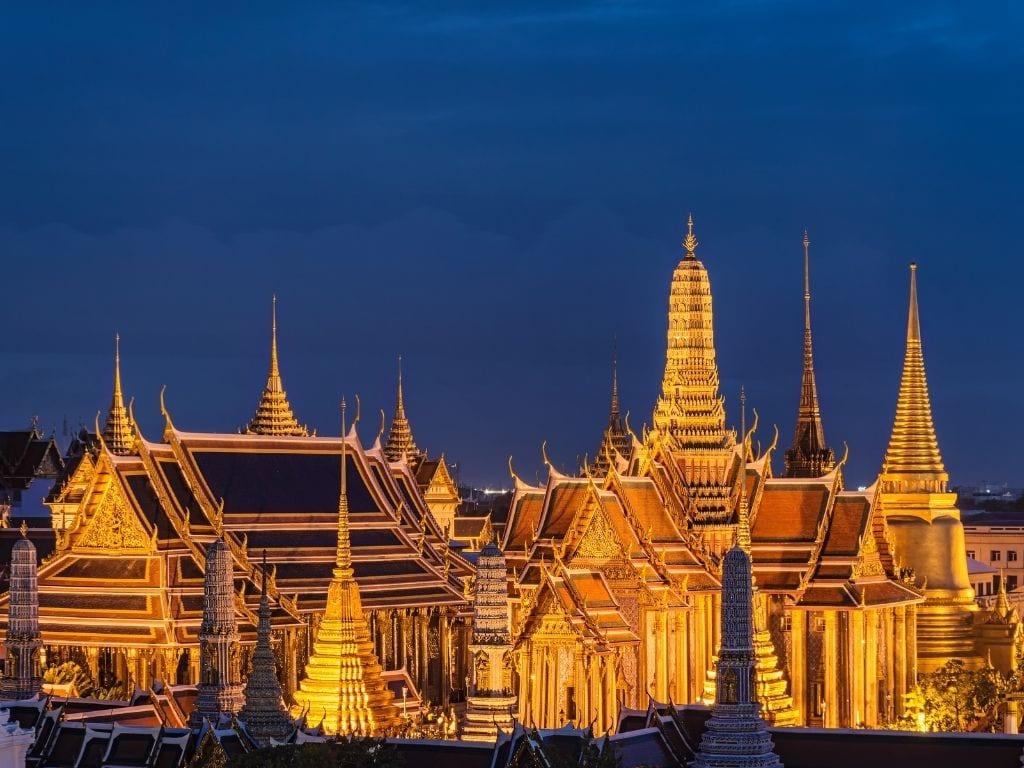
Begin early in Rattanakosin, Bangkok’s historic centre. The Grand Palace is one of Thailand’s most significant landmarks, with elaborate roofs, decorated pavilions and courtyards that reflect the country’s royal history. Within the complex, Wat Phra Kaew houses the revered Emerald Buddha.
Allow time to appreciate the architectural details rather than rushing through the grounds. The complex is extensive, and the heat can be intense later in the day. Foreign adult admission is listed at 500 baht on the official palace website, which also provides current visitor information. Dress modestly, covering your shoulders and knees, and check the official website before setting out because access may change during royal ceremonies.
Continue to Wat Pho, a short walk away. Known for its enormous Reclining Buddha, the temple also contains courtyards, chedis and decorated halls. Its wider compound makes it worth exploring beyond the main statue. If time allows, take a break nearby for a simple Thai lunch before continuing towards the river.
Cross the Chao Phraya River by ferry to reach Wat Arun, recognised by its tall central prang decorated with intricate patterns. The temple looks different from each side of the river, so allow time to enjoy both the architecture and the surrounding waterfront.
The river is more than a scenic backdrop. It has shaped Bangkok’s development, connecting historic communities, markets and religious sites. Travelling by boat also offers a welcome alternative to road traffic.
For a broader exploration of the waterways, see Bangkok by Boat: Exploring the City’s Historic Canals. It provides further context on the canals and riverside life that have influenced the capital.
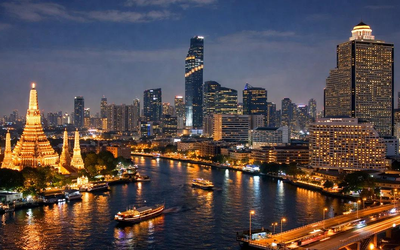
Return to the eastern riverbank for dinner with views of the illuminated temples or city skyline. Choose a riverside restaurant if you prefer a relaxed first evening, or keep things informal with a local Thai meal close to your hotel.
There is no need to plan several distant stops on the first day. The historic centre, the temples and the river already provide a full introduction to Bangkok’s architecture, history and atmosphere.
Day Two: Thai Flavours, Craft and Contemporary Lifestyle
Start the second day with a Thai breakfast or an early visit to a local market. Depending on the neighbourhood, you may find rice-based dishes, noodle soups, grilled meats, fresh fruit and traditional sweets. Choose somewhere busy with local customers, and observe how the food is prepared.
For a deeper introduction to the city’s culinary culture, consult A Taste of Bangkok: Traditional Thai Cuisine and Street Food Culture. The guide explores the dishes and food traditions that make Bangkok such a rewarding destination for eating.
Markets also reveal aspects of daily life that formal attractions cannot always show. Fresh ingredients, prepared meals, household goods and seasonal produce share space with the conversations and routines of local residents. Visit with curiosity, ask before photographing people and keep small cash notes available for purchases.
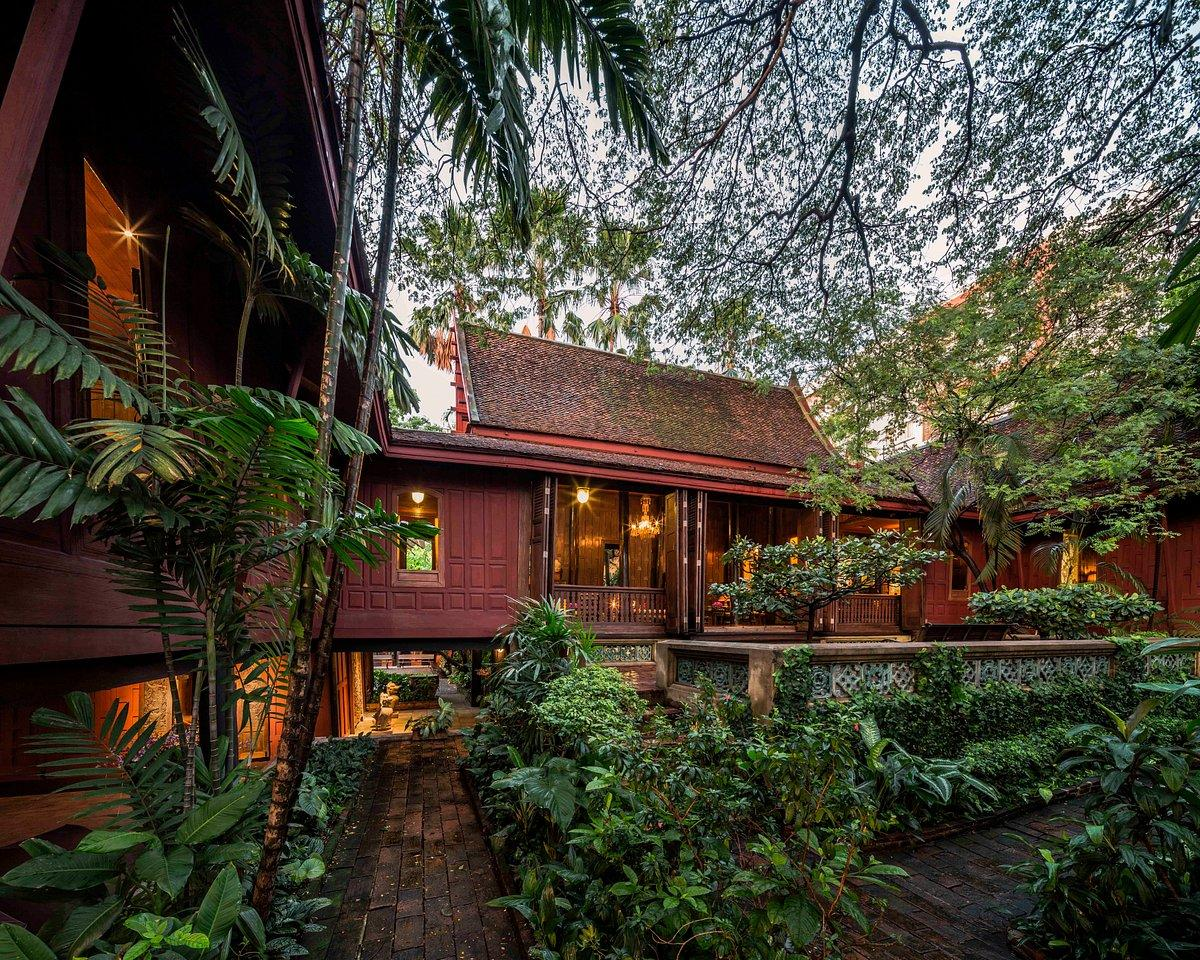
Continue to the Jim Thompson House Museum, a collection of traditional Thai teak houses surrounded by tropical greenery. Once the home of American entrepreneur Jim Thompson, the property brings together architecture, Asian art and the history of Thai silk.
The museum offers a useful contrast with Bangkok’s modern commercial districts. Timber structures, garden paths and traditional design details create a quieter setting in the middle of the city. Visits to the main house are guided, so allow enough time to join a tour. The official website lists opening hours from 10am to 5pm daily, with the final guided tour at 5pm; check before visiting.
From the museum, head towards Siam, one of the capital’s main shopping and entertainment areas. Large shopping centres, independent retailers, cafés and restaurants offer a different view of Bangkok’s lifestyle. This is a practical time for an indoor break during the hottest part of the day.
For art and design, consider the Bangkok Art and Culture Centre, subject to its current opening schedule. Exhibitions and creative programmes can introduce visitors to contemporary Thai artists and designers. If architecture interests you, observe how modern buildings, pedestrian connections and retail spaces shape the district.
Travellers who prefer a slower afternoon can choose a café or return to their hotel for a rest. Three days in Bangkok can be demanding, particularly in hot weather, and a short break often makes the evening more enjoyable.
Spend the evening in Yaowarat, Bangkok’s Chinatown. As the streets become busier, food stalls and restaurants serve seafood, noodles, grilled dishes, soups and desserts. The atmosphere is lively, with neon signs, narrow side streets and a mixture of Thai and Chinese influences.
Arrive hungry, but avoid ordering too much at the first stop. Sharing several small dishes makes it easier to try different flavours. If you prefer a quieter meal, choose a restaurant just off the busiest stretch and explore the main street afterwards.
For more background on the area’s history and everyday culture, see Discovering Authentic Bangkok: Markets, Culture and Hidden Neighbourhoods. It offers ideas for exploring the city’s local districts beyond the main tourist attractions.
Day Three: Green Spaces, Creative Districts and Shopping
Start the final day with a walk through Lumphini Park, one of Bangkok’s best-known urban green spaces. Its paths, lake and shaded areas provide a break from the density of the surrounding business district. Early morning is generally more comfortable for walking than the middle of the day.
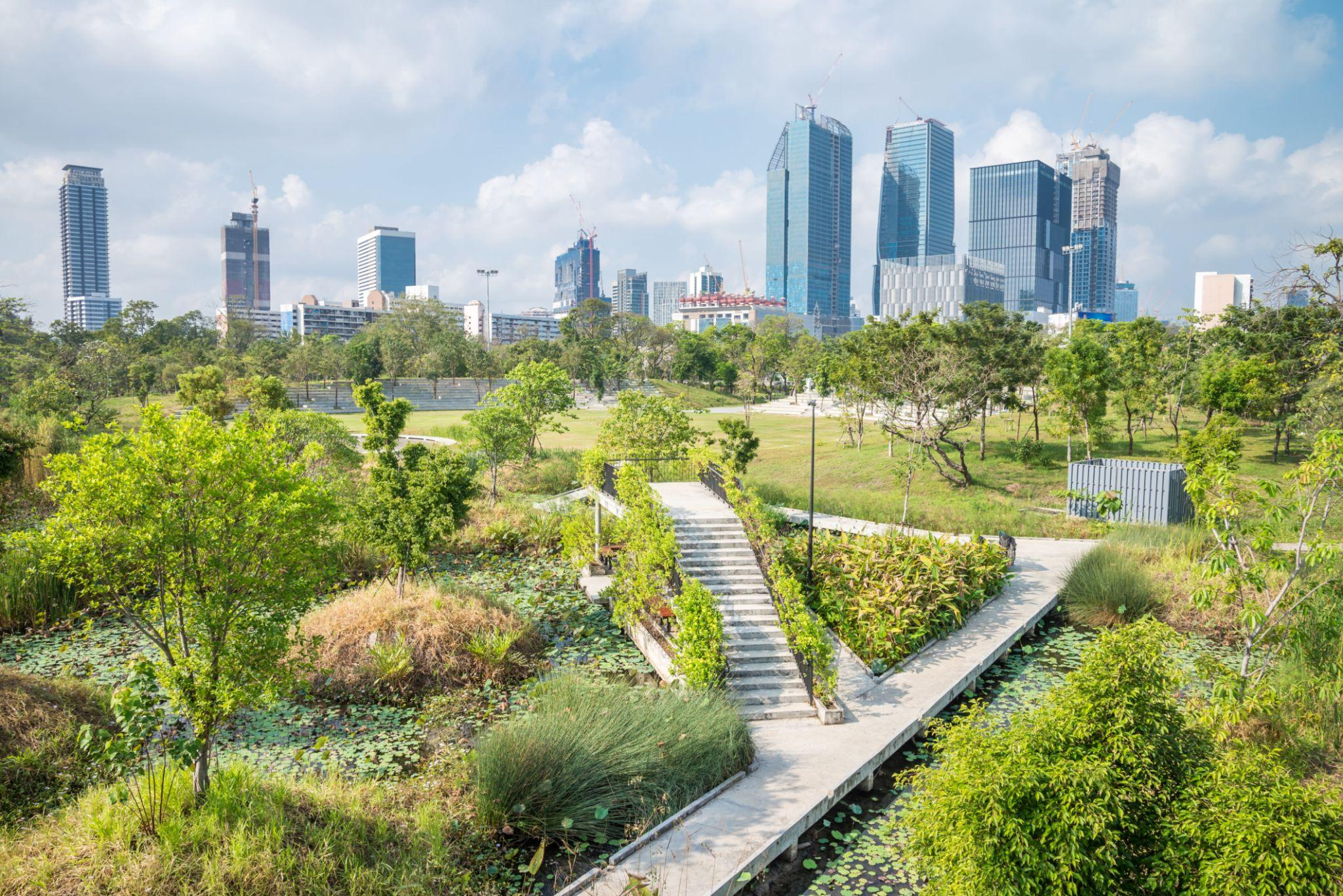
If you would prefer a more contemporary landscape, consider Benjakitti Forest Park, with its wetlands, elevated walkways and views of the city. Choose one park rather than attempting both if your schedule is tight. The aim is to experience a calmer side of Bangkok without spending too much time crossing the city.
For a more detailed selection of parks and nature escapes, read Bangkok’s Green Escapes: Parks, Gardens and Tropical Nature. It includes options for travellers interested in tropical greenery and outdoor spaces.
Move towards Charoen Krung, one of Bangkok’s established commercial districts, where historic buildings and contemporary creative spaces sit alongside traditional businesses. Depending on current exhibitions and opening hours, you may find galleries, design projects and cultural venues housed in restored buildings.
The area is particularly interesting because it shows how Bangkok’s heritage continues to evolve. Older structures can become exhibition spaces, studios or places for new businesses, while neighbouring streets retain their everyday commercial character.
Explore Bangkok’s Creative Districts: Art, Design and Urban Culture for more ideas on the city’s galleries, design culture and creative neighbourhoods. If architecture is your main interest, Bangkok’s Architectural Treasures: From Historic Mansions to Modern Icons provides additional context on the contrast between historic buildings and the contemporary skyline.
Use the afternoon for shopping based on your interests. Siam is convenient for fashion and major brands, while specialist shops and design-focused retailers can be better for textiles, ceramics and locally designed objects. If you are shopping for Thai silk or craft, ask about the maker, materials and production method rather than relying on appearance alone.
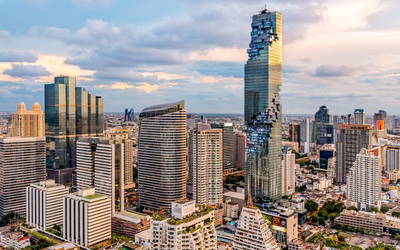
End the trip with dinner and a view of the city. A rooftop venue can reveal the scale of Bangkok’s skyline, while a riverside restaurant offers a quieter perspective on the illuminated waterfront. Choose one area close to your accommodation or a convenient BTS or MRT connection to avoid spending the final evening in traffic.
For travellers who prefer an active night, the city also offers live music, cocktail bars and late-opening food districts. The best choice depends on your travel style: Bangkok can be sophisticated and polished, but its appeal is equally strong in its informal eateries and busy neighbourhood streets.
Where to Eat, Stay and Get Around
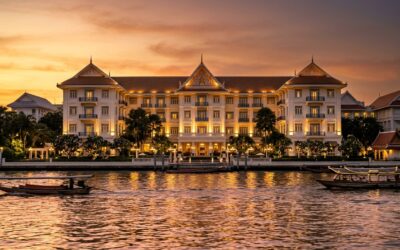
A good base makes a three-day itinerary easier. Staying near a BTS or MRT station gives you more flexibility, especially if you plan to visit both the historic centre and the modern shopping districts. Riverside accommodation is attractive for its views and boat access, while areas such as Siam, Silom and Sukhumvit offer convenient transport and a wide range of dining options.
Food planning should remain flexible. Bangkok has everything from casual street food to fine dining, but a memorable meal does not need to be expensive. Mix local restaurants and market dishes with one special dinner if that suits your budget. Check menus and prices before ordering where these are not clearly displayed.
For transport, use river boats for suitable riverside journeys and the BTS or MRT for longer cross-city trips. Taxis and ride-hailing services can be useful for short connections, but travel times vary significantly with traffic. Keep some flexibility between scheduled visits and check routes on the day.
Pack light clothing suitable for warm weather, comfortable walking shoes and modest attire for temple visits. Carry water, take breaks during the hottest hours and keep a rain option in mind during the wet season. A little preparation makes it easier to enjoy the city without rushing.
Making 72 Hours in Bangkok Your Own
This itinerary is a starting point rather than a fixed schedule. If you are most interested in history, spend longer around Rattanakosin and add a museum. Food lovers can devote more time to markets and Chinatown. Design enthusiasts may prefer Charoen Krung, galleries and contemporary architecture, while returning visitors might choose a canal excursion or a cycling trip around Bang Krachao.
The day-three programme can also change with the calendar. Chatuchak Weekend Market is worth considering if your visit includes Saturday or Sunday, but it is best not to force it into a weekday itinerary. Replace another shopping stop rather than attempting to fit every attraction into one day.
Above all, allow time for unplanned discoveries. A small restaurant, a quiet temple courtyard or a side street filled with local businesses may become one of the most memorable parts of the journey. Bangkok is a city best experienced through its contrasts: historic and contemporary, fast-moving and calm, refined and informal.
In 72 hours, you can see its major landmarks and begin to understand the culture that connects them. The experience becomes richer when you leave enough space to look, taste, walk and explore at your own pace.
Frequently Asked Questions
Is 72 hours enough to visit Bangkok?
Three days are enough to see several major landmarks, explore a few neighbourhoods, enjoy Thai food and experience both historic and contemporary Bangkok. A longer stay allows for day trips and a slower pace.
What is the best area to stay in Bangkok for three days?
Siam, Silom, Sukhumvit and the riverside can all work well. Choose accommodation near a BTS or MRT station, or close to a useful river pier, based on the areas you plan to visit.
What should I wear when visiting Bangkok’s temples?
Wear clothing that covers your shoulders and knees, particularly when visiting the Grand Palace and major religious sites. Check individual visitor rules before travelling, as requirements can differ.
Can I explore Bangkok without taking taxis everywhere?
Yes. The BTS Skytrain, MRT metro and Chao Phraya River boats can cover many important routes. Walking is useful within individual districts, although heat and humidity make regular breaks important.
What should I eat during a three-day visit to Bangkok?
Try a mix of noodle dishes, rice-based meals, curries, grilled foods, fresh fruit and Thai desserts. Chinatown is a good evening food destination, while local markets and neighbourhood restaurants offer further opportunities to explore Thai cuisine.
By The Editors of Luxury Magazine