Ubud offers a different experience of Bali. Set among tropical forests, river valleys and emerald rice terraces, this inland destination is known for its artistic heritage, spiritual traditions and strong connection with nature. Its atmosphere is distinct from the island’s southern beach resorts. Here, days are shaped by temple visits, countryside walks, traditional crafts, fine dining and wellness experiences.
The town has developed into one of Southeast Asia’s recognised luxury destinations. International hotel brands have created secluded retreats along the Ayung River, while independent properties offer private villas surrounded by gardens and rice fields. At the same time, Ubud has retained much of its cultural identity. Traditional dance, local ceremonies and artisan workshops remain part of everyday life.
For luxury travellers, Ubud offers a balance between comfort and discovery. It is a destination for those who appreciate privacy, thoughtful service, excellent food and meaningful cultural experiences. This guide explores where to stay, what to see, where to dine and how to make the most of a visit.
Discover the Character of Ubud
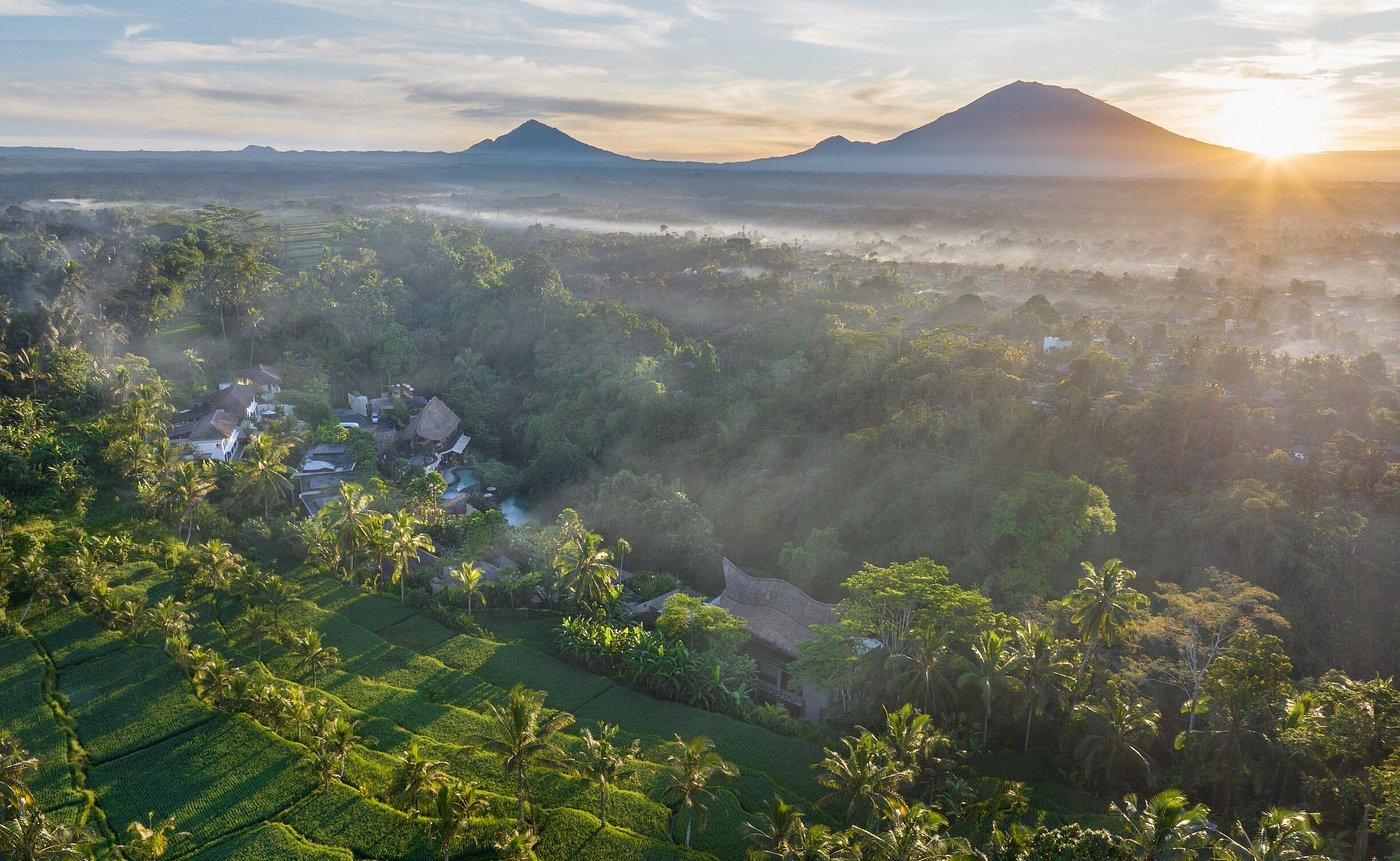
Ubud lies in the Gianyar region of central Bali, inland from the island’s southern coastline. The town is surrounded by smaller villages, agricultural land and deep river valleys. Its identity has long been connected to traditional painting, dance, woodcarving and Balinese Hindu culture.
The centre is lively, with boutiques, cafés, galleries and restaurants along its main streets. Ubud Palace and the traditional art market remain important landmarks. Beyond the centre, the atmosphere changes. Areas such as Sayan, Kedewatan and Tegallalang offer a quieter setting, with forest views, rice fields and luxury resorts set among tropical vegetation.
This contrast is part of Ubud’s appeal. Travellers can spend the morning exploring a temple or walking through the countryside, then return to a private pool villa for a relaxed afternoon. Evenings can include a traditional dance performance, a fine dining experience or a quiet dinner overlooking the jungle.
Ubud is not a beach destination, and its appeal does not depend on nightlife. It is better suited to travellers who want culture, nature, food and wellness within a refined setting. A stay of three or four nights provides a good introduction, while longer visits allow time to explore the surrounding villages and countryside.
Where to Stay: Luxury Resorts and Private Villas
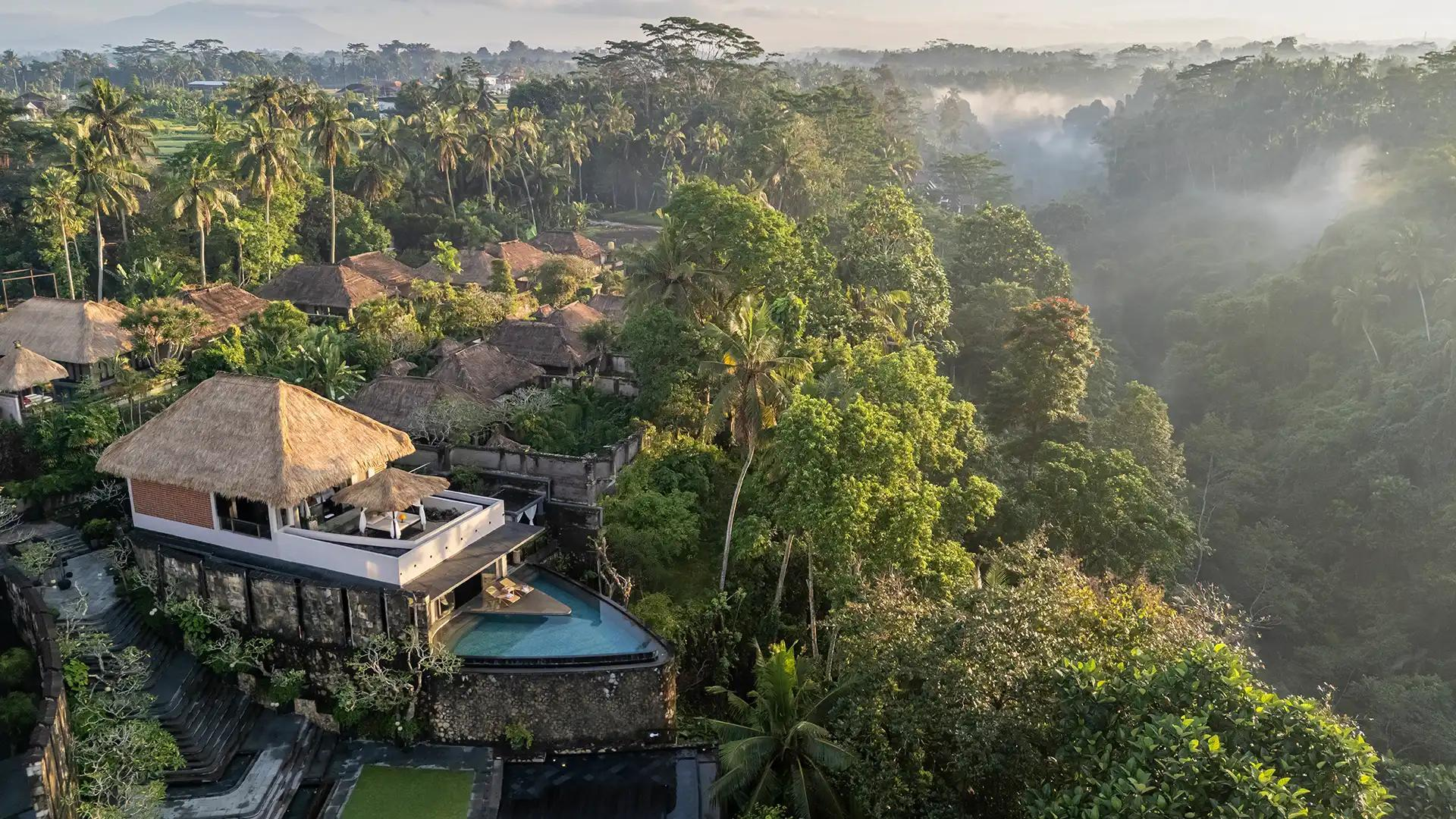
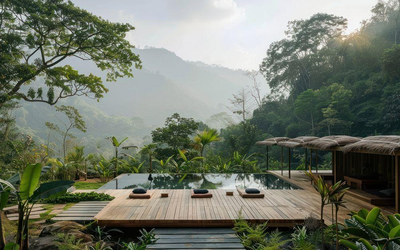
Accommodation is one of Ubud’s main attractions. Many of its finest properties are designed around the landscape, with open views across the Ayung River, tropical gardens or rice terraces. Rather than focusing on direct beach access, these resorts offer privacy, natural surroundings and a strong sense of place.
Four Seasons Resort Bali at Sayan is one of the area’s best-known luxury retreats. Set above the Ayung River valley, it combines tropical architecture, landscaped gardens and a distinctive approach to hospitality. Its villas and suites provide a secluded atmosphere, while the property offers restaurants, wellness facilities and access to outdoor experiences.
Mandapa, a Ritz-Carlton Reserve, offers another exceptional setting along the Ayung River. Its design draws on traditional Balinese village architecture, with private pool villas and suites arranged around a green valley. The resort combines personalised service with cultural activities, dining and wellness treatments. It is particularly suited to couples and travellers seeking a private, highly serviced stay.
Amandari offers a quieter interpretation of Balinese luxury. Inspired by a traditional village, the property is surrounded by rice terraces and tropical vegetation. Its architecture, open spaces and carefully considered details create a strong connection with local design traditions.
For travellers interested in a more immersive wellness stay, COMO Shambhala Estate provides a distinctive retreat in a forested setting. Its approach combines accommodation, movement, nutrition and wellness programmes. Guests can choose a structured retreat or simply enjoy treatments and activities during a longer stay.
Other properties worth considering include Viceroy Bali, known for its secluded valley setting and private pool villas, and Capella Ubud, which offers a distinctive tented retreat surrounded by forest. Both provide alternatives to the larger international resort experience.
The right location depends on the purpose of the visit. Central Ubud is convenient for galleries, restaurants and cultural attractions. Sayan and Kedewatan are attractive for secluded luxury resorts, while Tegallalang appeals to travellers who prefer rural views and a quieter environment. For a broader selection of properties across the island, see Best Luxury Hotels & Resorts in Bali.
The Best Cultural Experiences and Attractions
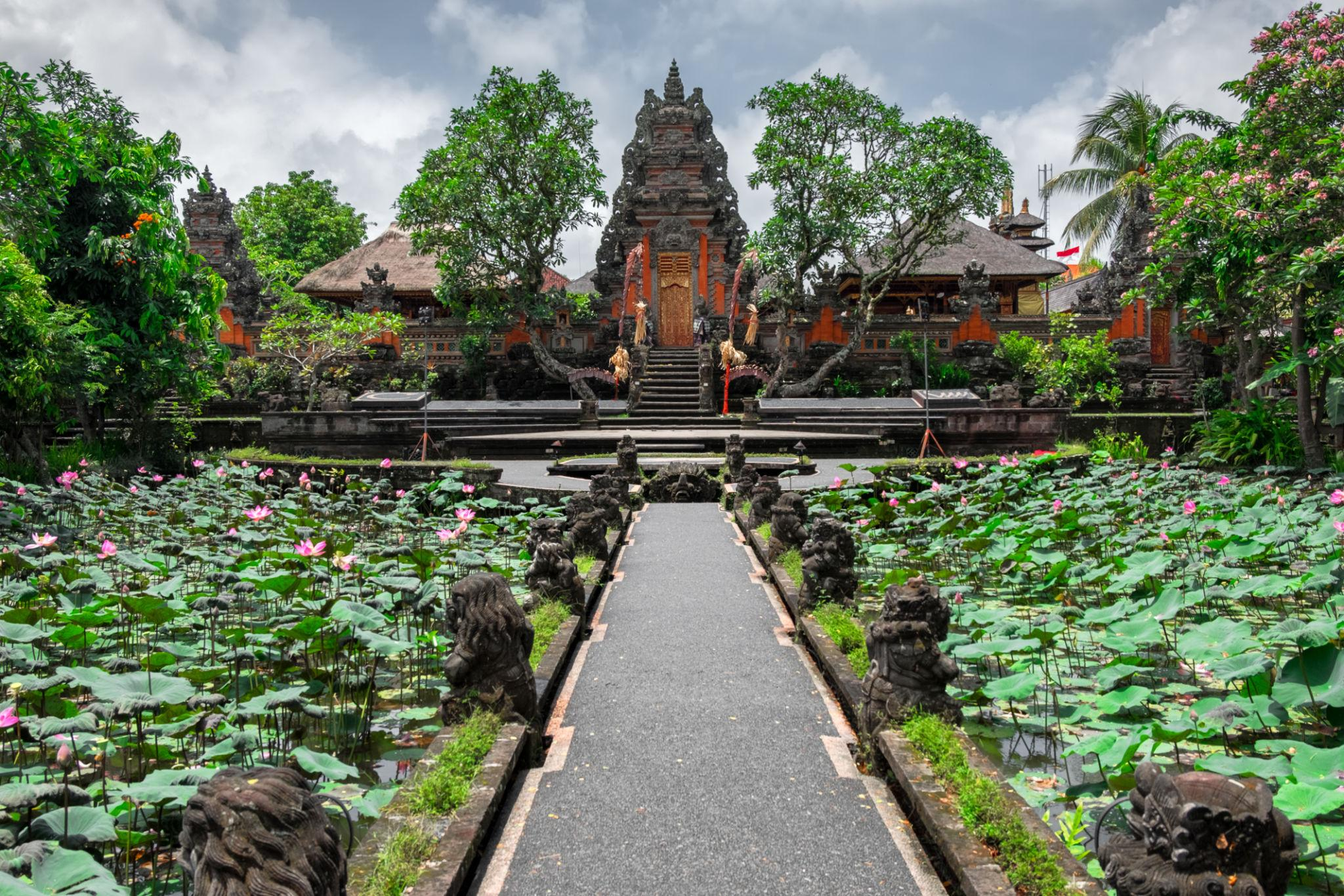
Ubud is one of the best places in Bali to explore the island’s artistic and spiritual heritage. Its cultural attractions range from royal architecture and traditional performances to museums, temples and artisan workshops.
Ubud Palace, also known as Puri Saren Agung, stands in the centre of town. Its traditional architecture and decorative details provide an introduction to Balinese royal design. The palace is also associated with evening dance performances, offering visitors an opportunity to experience classical forms such as Legong.
The nearby Saraswati Temple is known for its lotus ponds and ornate architecture. Its setting makes it a peaceful stop during a walk through central Ubud. Visitors should respect the temple’s religious function and follow any restrictions in place.
The Sacred Monkey Forest Sanctuary is another well-known attraction. Its shaded paths pass through a forested area containing ancient temples and stone sculptures. Long-tailed macaques live within the sanctuary. Visitors should follow the site’s guidance, avoid feeding the animals and keep personal belongings secure.
Further outside town, Goa Gajah, often called the Elephant Cave, is an important archaeological and religious site. Its stone entrance, bathing area and surrounding grounds offer insight into Bali’s earlier religious history.
For a deeper understanding of local traditions, consider visiting a traditional village or artisan workshop. The nearby villages of Mas and Celuk are known for woodcarving and silverwork respectively. Ubud’s galleries and museums also provide opportunities to explore the island’s painting traditions and contemporary art scene.
Traditional dance performances are particularly rewarding in the evening. The Kecak, Legong and Barong dances combine music, movement and storytelling, with different performances presenting distinct aspects of Balinese culture. Travellers interested in the island’s heritage can explore Best Cultural Experiences in Bali for further ideas.
Rice Terraces, Nature and Outdoor Adventures
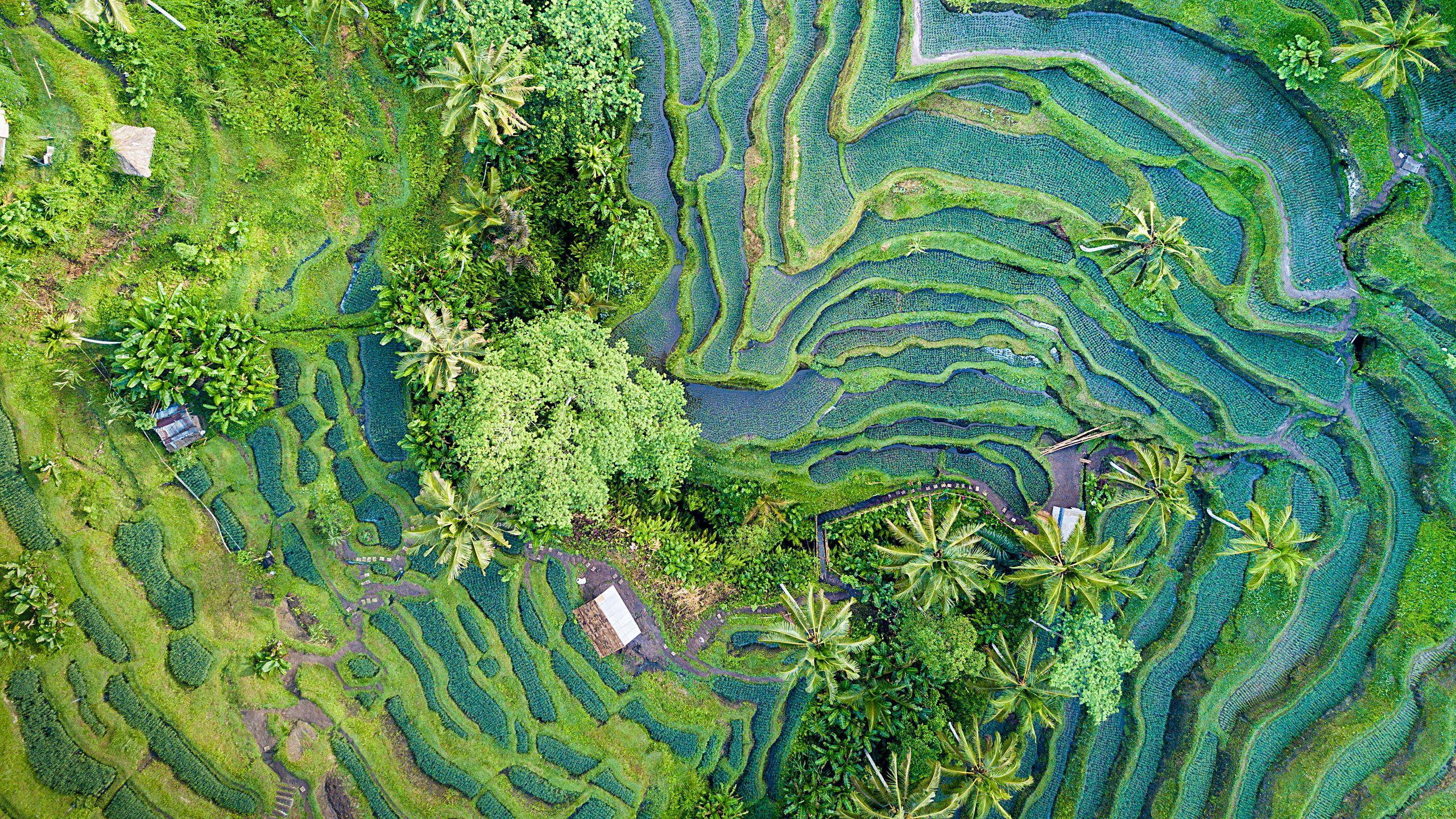
The landscape around Ubud is one of its defining features. Deep river valleys, tropical forests and rice terraces create opportunities for walking, photography and outdoor activities. These experiences are particularly appealing in the early morning, when the air is cooler and the countryside is quieter.
Tegallalang Rice Terraces, north of central Ubud, are among Bali’s most recognisable landscapes. The fields follow the natural contours of the hills, creating layers of green across the valley. Visitors can explore the paths between the terraces, although some areas are part of working farms. Staying on marked routes and respecting local agricultural activities is important.
For a quieter walk, the Campuhan Ridge Walk offers views across forested valleys and green hills. The route is relatively accessible and can be enjoyed without a long excursion. Early morning is usually the most comfortable time to visit, before the heat and larger visitor numbers build.
The Ayung River provides another way to experience the countryside. Guided rafting trips pass through a tropical gorge, with views of dense vegetation and riverbanks. The activity can suit travellers looking for a more active experience, although conditions and difficulty vary with the weather and water level.
Waterfalls are also part of the wider Ubud landscape. Tegenungan is one of the most accessible from town, while Tibumana and Kanto Lampo offer different natural settings. Some routes involve steps and uneven surfaces, so suitable footwear is advisable.
A private driver can make it easier to explore several sites in one day. For a more relaxed experience, choose one or two locations rather than trying to cover too much. The surrounding countryside rewards time and unhurried exploration. Best Nature & Adventure Experiences in Bali offers more ideas for outdoor activities across the island.
Fine Dining and the Best Restaurants in Ubud
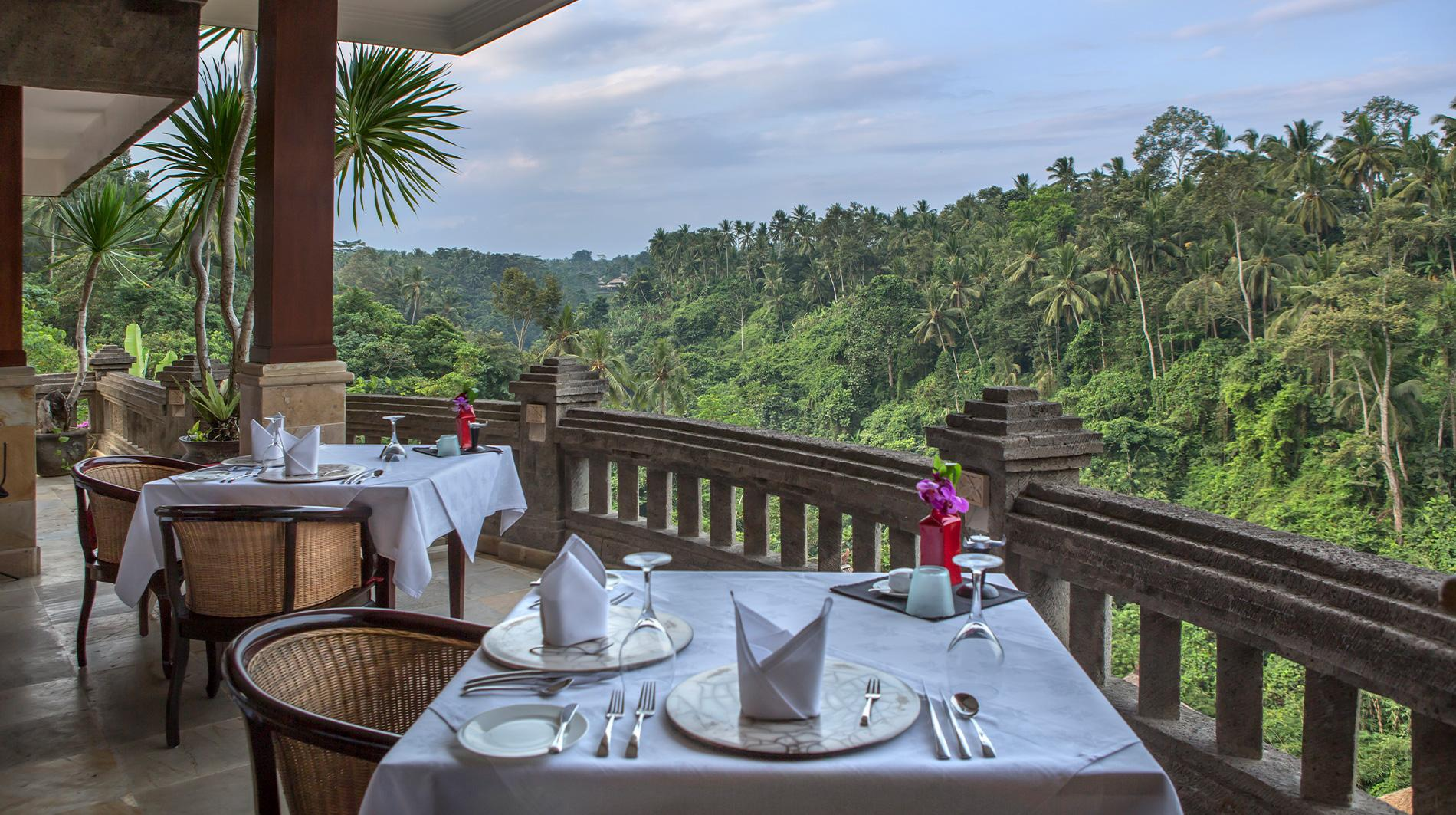
Ubud has developed a distinctive dining scene, combining international techniques with Indonesian ingredients and Balinese influences. Its restaurants range from sophisticated tasting-menu destinations to relaxed venues overlooking gardens, rice fields and river valleys.
Mozaic is one of the area’s established fine dining names. Its cuisine has long drawn on French culinary techniques and Indonesian ingredients, creating a menu that reflects the relationship between international gastronomy and local produce. The garden setting adds to the experience.
Apéritif, at Viceroy Bali, offers a more formal dining environment. Its approach combines contemporary gastronomy with carefully presented courses and an extensive wine selection. The restaurant is suited to special occasions and guests who enjoy a structured tasting-menu experience.
Kubu at Mandapa provides a different atmosphere. Set beside the Ayung River, the restaurant is known for its intimate dining setting, with private bamboo cocoons overlooking the surrounding landscape. Its European and Mediterranean influences make it an appealing choice for a romantic evening.
Syrco BASÈ brings a contemporary approach to Indonesian ingredients and culinary traditions. Its concept connects fine dining with local producers and a strong interest in the origin of ingredients. The restaurant also offers a chef’s counter experience for guests who want a closer view of the kitchen.
Locavore NXT is another name associated with Ubud’s progressive food scene. Its approach places emphasis on local ingredients, sustainability and creative techniques. As restaurant concepts and operating arrangements can change, it is advisable to check current menus and reservation details before planning a visit.
For a more relaxed meal, Ubud also has a wide choice of Indonesian restaurants, cafés and traditional warungs. These provide a different perspective on local food and are worth including alongside the destination’s fine dining venues. Explore Best Restaurants in Bali: A Luxury Dining Guide for a wider selection across the island.
Wellness, Spas and Private Retreats
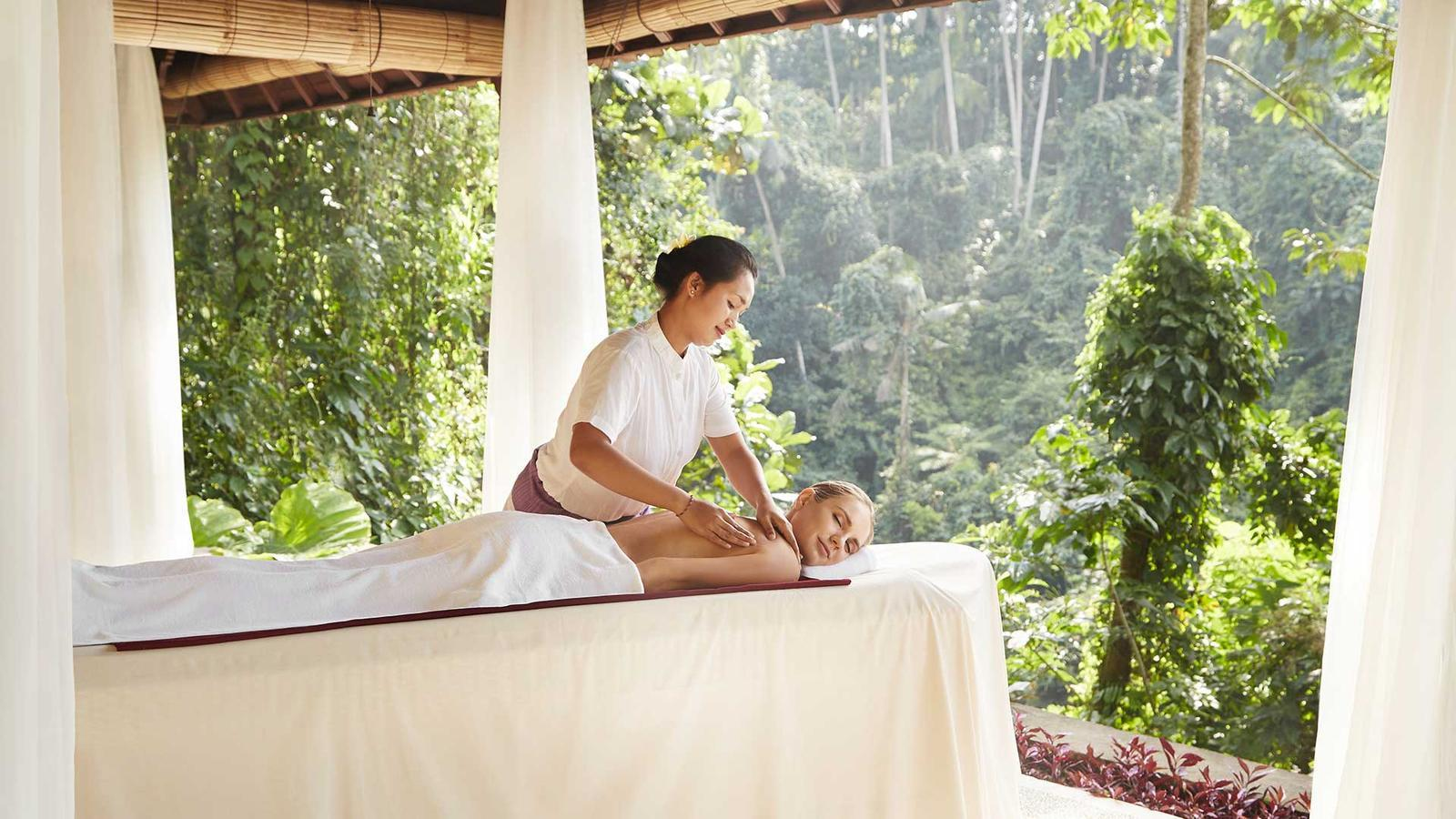
Wellness is an important part of Ubud’s identity. The natural setting, established yoga community and range of specialist retreats make it one of Bali’s leading destinations for travellers seeking rest and a more considered approach to wellbeing.
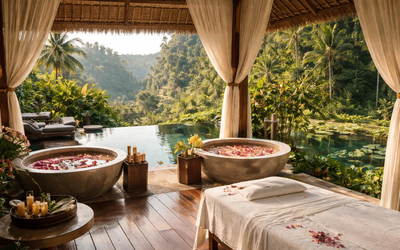
Many luxury resorts offer extensive spa facilities, with treatments inspired by Balinese traditions and international wellness practices. Traditional massage, body treatments and relaxation rituals are widely available. Some properties also offer personalised wellness programmes that combine treatments, movement, nutrition and time outdoors.
COMO Shambhala Estate is particularly associated with residential wellness experiences. Its programmes can include consultations, fitness activities, yoga, nutrition and spa treatments. It is suited to travellers who want a more structured approach to a wellness stay.
The Yoga Barn is one of Ubud’s best-known independent wellness centres. Its programme includes yoga classes, meditation, workshops and other activities. Radiantly Alive offers another option, with a range of movement and yoga practices in a studio environment.
For a quieter experience, many resorts provide private yoga sessions, guided walks and treatments within their own grounds. These options allow guests to enjoy wellness activities without following a fixed daily programme.
Ubud is also a suitable base for exploring traditional Balinese healing practices. Visitors should choose established practitioners, understand the nature of each treatment and avoid assuming that every wellness experience is a medical service. For more options across the island, see Best Luxury Spas & Wellness Retreats in Bali.
Shopping, Art and Local Craftsmanship
Shopping in Ubud offers a different experience from the designer boutiques of Seminyak. The town is known for its galleries, artisan workshops, textiles, jewellery and homeware. Many products reflect traditional Balinese techniques, while contemporary designers reinterpret local materials and forms.
Ubud Art Market is a convenient place to browse woven bags, textiles, decorative objects and souvenirs. It is lively and often busy, but visitors can find a wide range of locally made products. Bargaining is common in traditional markets, although it should be approached politely.
For a more focused experience, visit galleries and workshops where artisans explain their work. Woodcarving, silver jewellery, painting and textile production remain important crafts in the surrounding villages. A visit to a workshop can offer a better understanding of the time and skill involved in creating each piece.
The town also has independent boutiques selling resort wear, contemporary fashion, ceramics and home accessories. These are particularly interesting for travellers looking for pieces that combine Balinese character with modern design.
When buying traditional crafts, ask about the materials, techniques and place of production. This helps distinguish locally made work from mass-produced souvenirs and supports a more informed purchase. Our guide to The Ultimate Luxury Shopping Guide to Bali explores the island’s wider retail and artisan scene.
When to Visit and How to Plan Your Stay
Ubud can be visited throughout the year, although the weather influences the experience. Bali’s dry season generally runs from April to October. These months are popular for outdoor activities, countryside walks and visits to temples. July and August are particularly busy, so advance planning is advisable.
The wetter period usually runs from November to March. Rain often arrives in heavier showers, while the landscape becomes especially green. Visitors can still enjoy cultural attractions, restaurants and wellness experiences, but outdoor plans may need more flexibility.
Three or four nights provide enough time to explore central Ubud, visit a few temples and rice terraces, enjoy a fine dining experience and make time for a spa treatment. A stay of five to seven nights allows for a slower pace, with additional excursions to nearby villages and countryside attractions.
The most convenient way to reach Ubud from Ngurah Rai International Airport is by private car or pre-arranged transfer. Journey times vary considerably with traffic. Once in Ubud, the central area can be explored on foot, but a private driver is useful for reaching attractions outside town. Roads can be narrow and traffic can be heavy, so it is worth allowing extra time between activities.
A well-planned stay should balance cultural visits with time to enjoy the accommodation. Ubud’s appeal is not only in its attractions but also in the experience of waking up to a green valley, enjoying a quiet breakfast and spending an afternoon surrounded by nature.
Frequently Asked Questions
How many days should you spend in Ubud?
Three to four nights are a good starting point for first-time visitors. This allows time to explore the town, visit temples and rice terraces, enjoy local restaurants and experience a wellness treatment. Travellers who prefer a slower stay can easily spend a week or longer.
What is the best area to stay in Ubud for luxury travellers?
Sayan and Kedewatan are excellent choices for secluded resorts overlooking river valleys and tropical landscapes. Central Ubud is more convenient for restaurants, galleries and cultural attractions, while Tegallalang offers a quieter countryside setting.
Is Ubud suitable for a honeymoon?
Yes. Ubud is particularly appealing to couples who value privacy, nature and wellness. Many luxury resorts offer private pool villas, romantic dining settings and personalised experiences. It can also be combined with a beach stay in Uluwatu, Nusa Dua or Seminyak.
What are the most important attractions in Ubud?
Highlights include Ubud Palace, the Sacred Monkey Forest Sanctuary, Saraswati Temple, Goa Gajah and the Tegallalang Rice Terraces. Campuhan Ridge Walk is another popular experience, while nearby villages and artisan workshops offer a closer look at local culture.
Is Ubud better than Bali’s beach destinations?
Ubud and Bali’s coastal areas offer different experiences. Ubud is best for culture, nature, wellness and inland luxury resorts. Seminyak, Nusa Dua and Uluwatu are more suitable for travellers who want beaches, ocean views and coastal dining. Many visitors choose to combine both during one trip.