Bali’s culture is present in almost every part of daily life. It can be seen in the small offerings placed outside homes and shops, the ceremonies held at local temples and the traditional arts passed from one generation to the next. Even the island’s landscapes reflect a close relationship between spirituality, nature and community.
For travellers, discovering this heritage adds another dimension to a stay. Beyond its beaches, private villas and luxury resorts, Bali offers opportunities to explore historic temples, watch traditional performances, visit artisan workshops and learn about local customs. These experiences provide a better understanding of the island and the people who shape its identity.
Some of the most rewarding cultural experiences take place in Ubud and the surrounding villages. Others can be found in the highlands, along the eastern coast and in communities that continue to preserve traditional ways of life. The following guide explores the experiences that offer a meaningful introduction to Balinese culture.
Discover Bali’s Sacred Temples and Spiritual Traditions
Temples are central to Balinese Hindu life. Known locally as pura, they are places of worship, community gatherings and religious ceremonies. Their architecture often includes carved stone gateways, courtyards and multi-tiered shrines. Many are set within landscapes that give them a strong connection to mountains, lakes, forests or the sea.
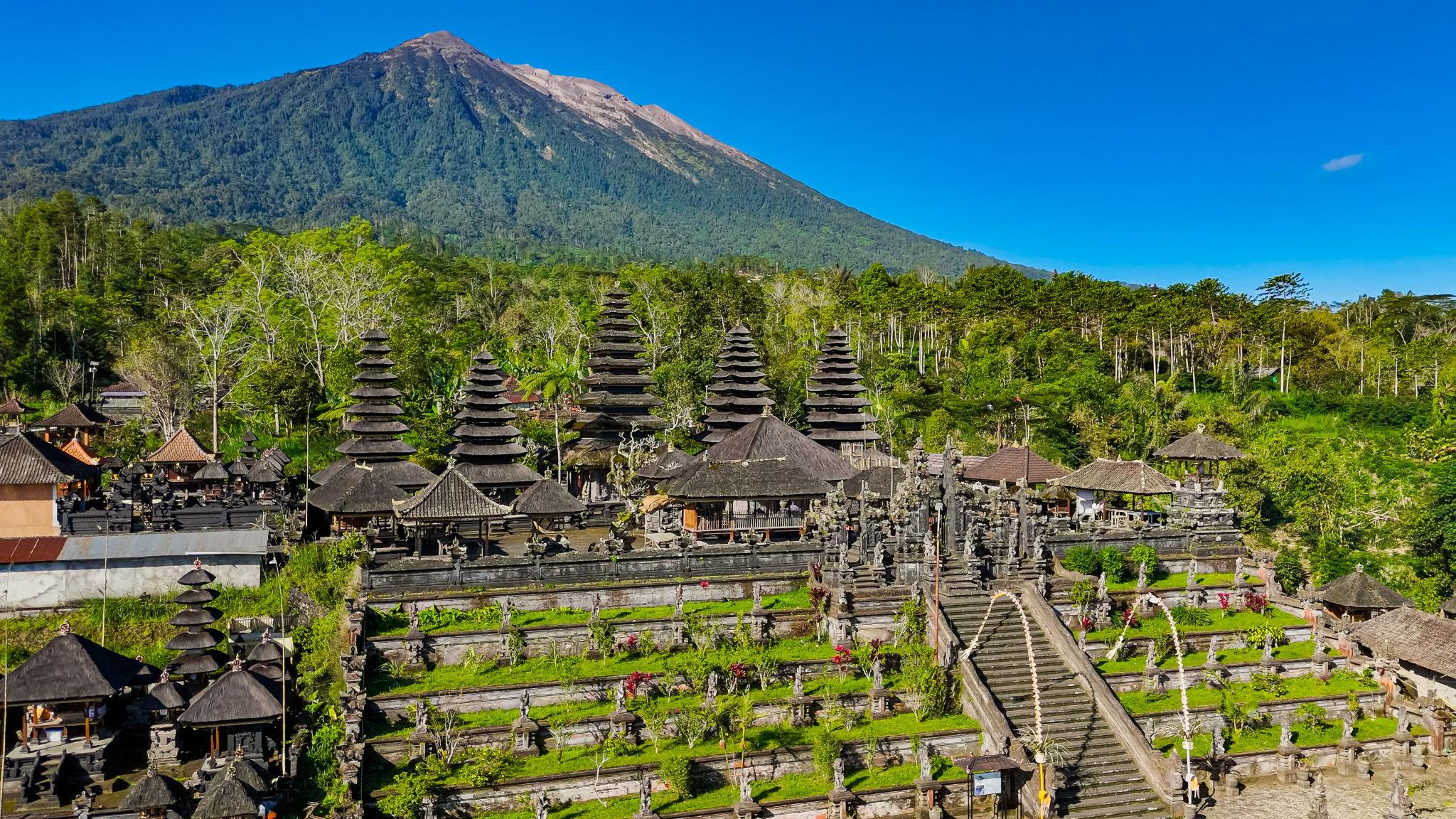
Pura Besakih, often called the Mother Temple, is the island’s most important temple complex. Located on the slopes of Mount Agung, it consists of numerous temples and shrines arranged across the hillside. Its scale and mountain setting make it one of Bali’s most significant religious landmarks. A visit offers an opportunity to appreciate both the architecture and the importance of religious life in the community.
Pura Tirta Empul, near Tampaksiring, is known for its sacred spring water. The temple is an important site for melukat, a traditional purification ritual. Visitors can observe the ceremony or participate according to the temple’s rules. Those who wish to take part should understand the process and follow local guidance rather than treating it as a simple tourist activity.
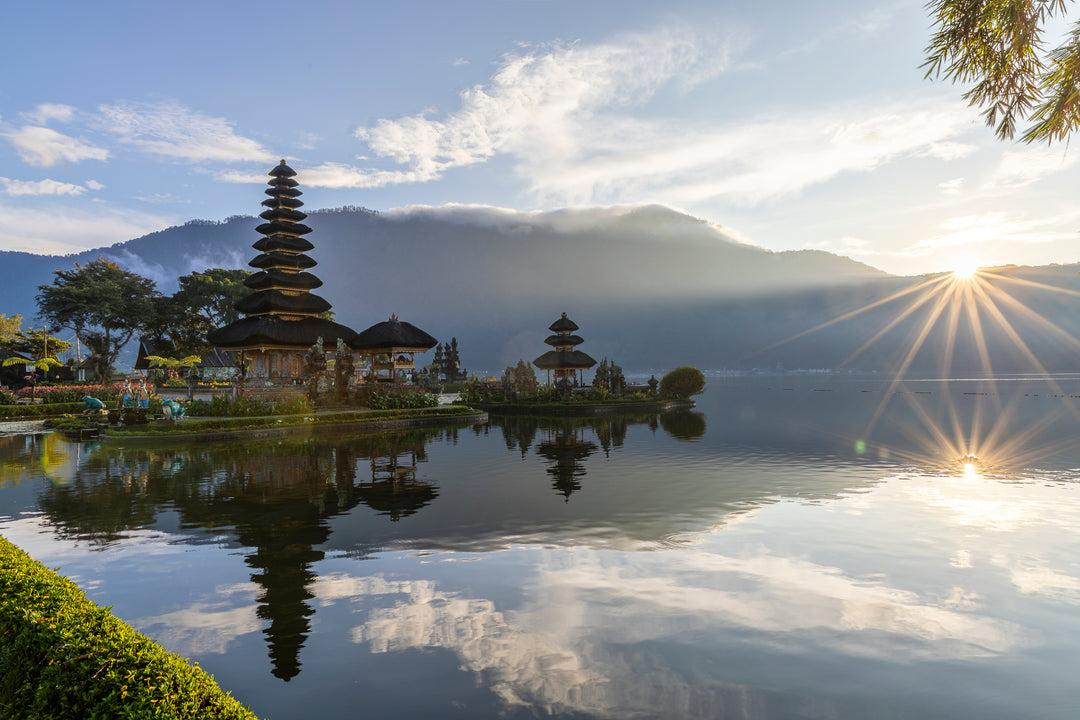
Pura Ulun Danu Beratan offers a different atmosphere. Set beside Lake Beratan in the mountain region of Bedugul, the temple is closely associated with water and agricultural life. Its shrines and gardens create one of Bali’s most recognisable cultural landscapes. Pura Tanah Lot, meanwhile, stands on a coastal rock formation and is particularly striking at sunset.
Temple visits are most rewarding when approached with respect. Visitors should wear appropriate clothing, follow instructions from temple staff and avoid entering restricted areas. A sarong and sash are commonly required. Photography should never interrupt ceremonies or disturb people who are praying.
Experience Traditional Balinese Dance and Gamelan Music
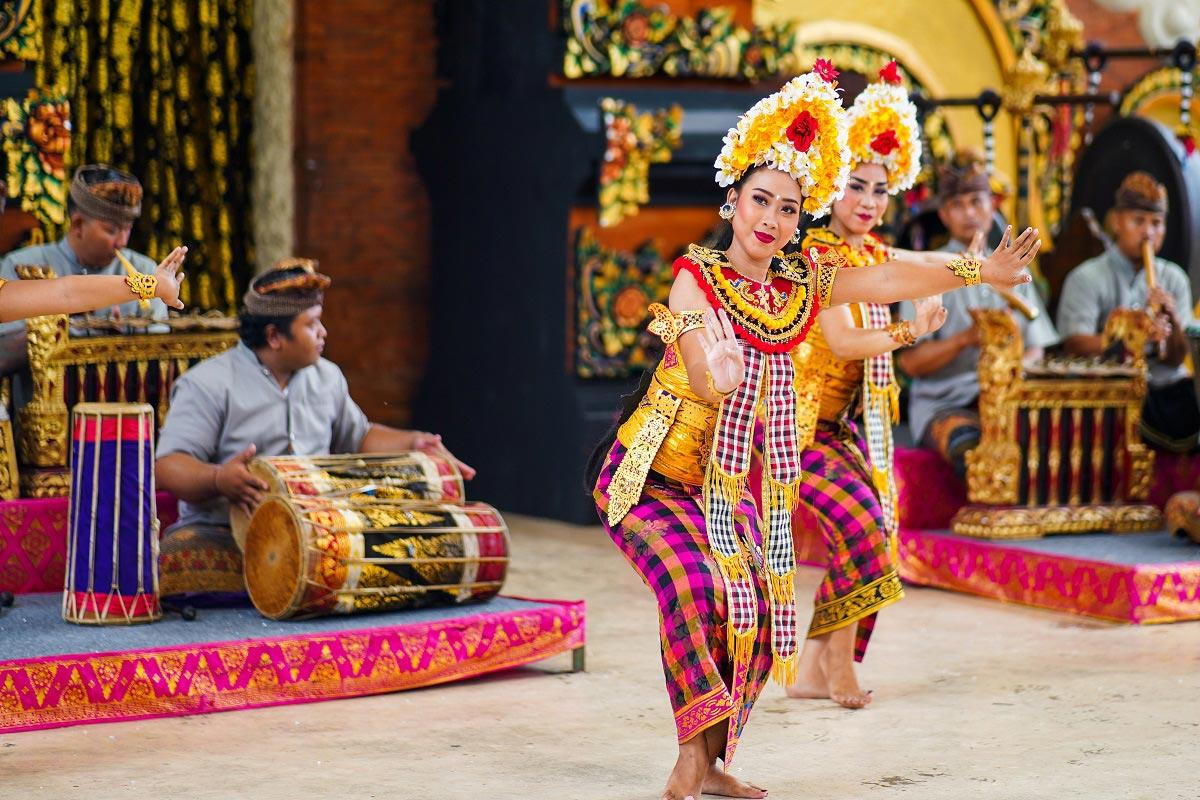
Dance and music are among the most distinctive expressions of Balinese culture. They are closely connected to religious traditions, local history and storytelling. Performances often combine elaborate costumes, expressive gestures and live gamelan music.
The Kecak dance is one of the island’s best-known performances. Instead of relying on a conventional orchestra, a large group of male performers create rhythmic patterns through repeated vocal sounds. The performance draws on episodes from the Ramayana, an ancient Hindu epic. The setting at Uluwatu Temple is particularly memorable, as the performance takes place against the coastal landscape near sunset.
Legong is a more delicate classical dance style, recognised for precise movements, detailed hand gestures and elaborate costumes. Performers use controlled expressions and intricate choreography to tell stories through movement. It is often presented in Ubud, where traditional arts remain an important part of local cultural life.
The Barong dance explores the conflict between good and evil through the figures of Barong and Rangda. The Barong, often represented as a mythical creature, is associated with protection and positive forces. The performance combines dance, music and theatrical storytelling, offering an introduction to themes found in Balinese Hindu tradition.
Gamelan music accompanies many traditional performances and ceremonies. Its ensembles use instruments such as bronze gongs, metallophones and drums to create layered rhythms. The sound is an essential part of the performance, rather than simply background music.
Ubud is one of the most convenient places to experience traditional dance, with performances held at cultural venues and palace courtyards. For a more meaningful visit, choose a performance that explains the story and cultural context behind the dance.
Explore Traditional Villages and Community Life

Traditional villages provide a closer look at the customs and architecture that continue to shape Balinese society. They offer an opportunity to understand how homes, temples and shared spaces are organised around family life, religion and community responsibilities.
Penglipuran Village, in the Bangli region, is known for its carefully maintained layout and traditional architecture. Its central pathway is lined with family compounds, stone gates and gardens. The village has preserved a strong sense of visual identity, while its community continues to maintain local customs. Walking through Penglipuran gives visitors a chance to observe traditional Balinese architecture and the relationship between private homes and shared spaces.
Tenganan Pegringsingan, in East Bali, is one of the island’s most distinctive traditional villages. It is associated with the Bali Aga community, whose customs and cultural practices differ in some respects from those of other Balinese communities. Tenganan is particularly known for gringsing, a rare double-ikat textile made through a complex weaving process. The fabric has cultural and ceremonial importance, and its production requires considerable skill.
Another interesting destination is Sidemen, a rural area in East Bali surrounded by rice fields, hills and traditional villages. It offers a slower experience of the island, with opportunities to walk through agricultural landscapes, visit local workshops and observe everyday activities. The setting is less developed than the main resort areas, making it appealing to travellers who want to explore beyond the familiar tourist routes.
When visiting traditional villages, it is important to remember that they are living communities rather than open-air museums. Visitors should ask before photographing residents, respect private homes and avoid interrupting local activities. A local guide can help explain customs and introduce visitors to the community in an appropriate way.
For more ideas beyond the island’s most visited attractions, see Beyond the Ordinary: Discovering the Authentic Side of Bali.
Discover Balinese Art, Craftsmanship and Traditional Design
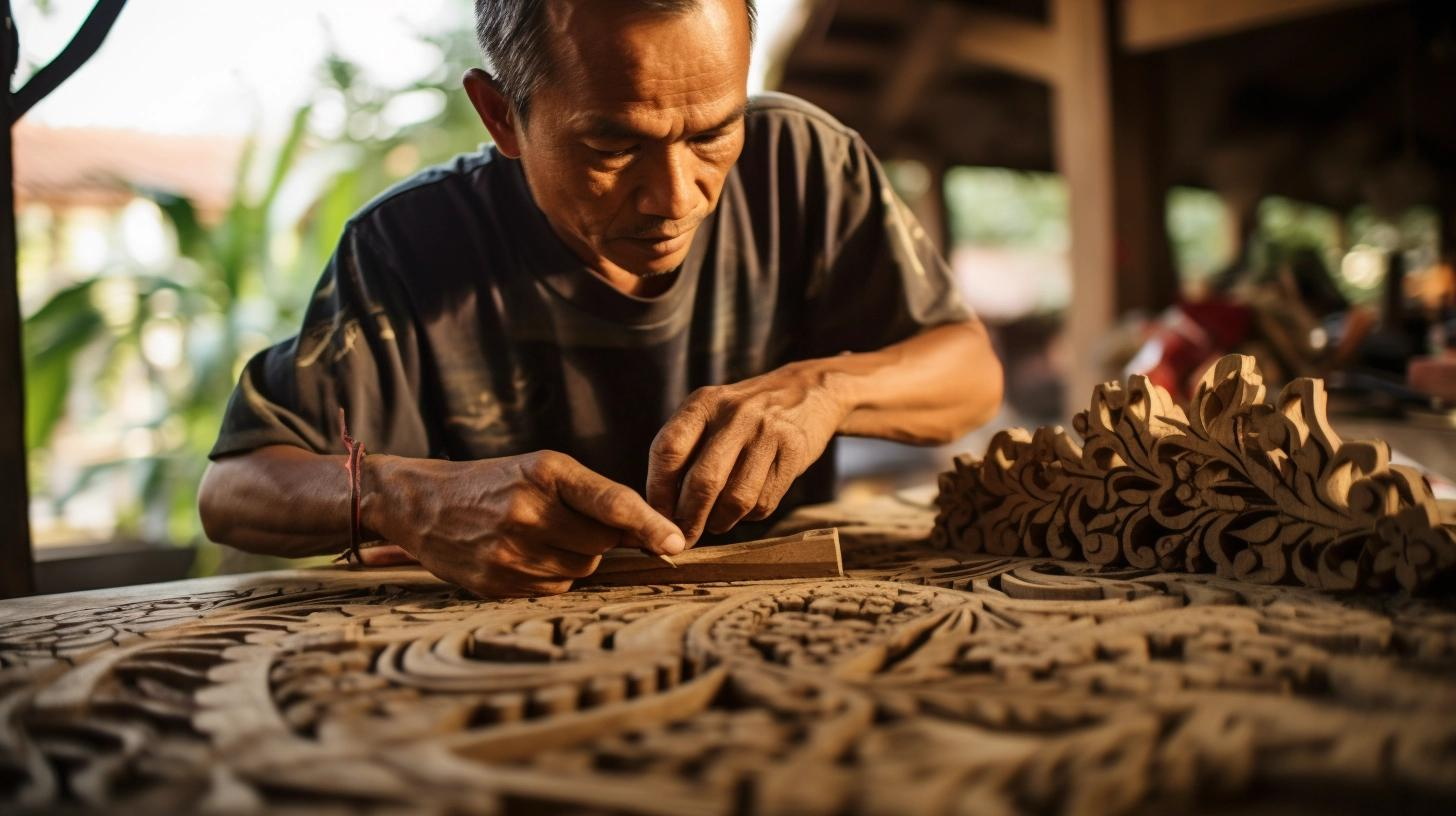
Bali has a long tradition of artistic production. Painting, woodcarving, stone sculpture, silverwork and textile weaving are closely connected to the island’s religious and cultural heritage. Many traditional crafts are still produced in family workshops, where skills are passed between generations.
Ubud is a natural starting point for exploring Balinese art. Its galleries and museums display traditional painting alongside contemporary work. The Neka Art Museum and Museum Puri Lukisan provide useful introductions to the development of Balinese painting and its different styles. Visitors can also explore smaller galleries and meet artists working across a range of subjects and techniques.
Mas Village, south of Ubud, is known for woodcarving. Workshops produce carved figures, decorative panels and traditional objects, with some artisans specialising in detailed sculptures. A visit can offer insight into the patience and technical skill involved in the craft.
Celuk Village, in Gianyar, is closely associated with silver and gold jewellery. Its workshops produce rings, bracelets, necklaces and decorative pieces, often combining traditional patterns with contemporary design. Visitors may be able to observe parts of the production process and learn about the techniques used by local artisans.
Textiles are another important part of the island’s cultural identity. Endek and songket fabrics are used for traditional clothing and ceremonial occasions. The gringsing textile of Tenganan is particularly distinctive because of its double-ikat technique. These fabrics represent more than decorative design; they carry cultural meaning and reflect the skills of the communities that produce them.
For travellers interested in taking home a piece of Balinese craftsmanship, it is worth visiting established workshops and asking about the origin and production of each item. Our guide to Bali’s Finest Jewellery, Artisan Crafts & Traditional Design explores the island’s traditional materials, techniques and artisan communities in greater detail.
Understand Bali’s Rice Terraces and the Subak Tradition
Bali’s rice terraces are among its most recognisable landscapes, but they also reflect an important cultural tradition. Rice cultivation has long been connected to community cooperation, religious belief and the management of water.
The traditional subak irrigation system organises the distribution of water among rice fields. It is managed through local communities and reflects the Balinese philosophy of Tri Hita Karana, which emphasises harmony between people, nature and the spiritual world. The cultural landscape of Bali’s rice terraces, including the Subak system, is recognised as a UNESCO World Heritage property.
Jatiluwih is one of the best places to appreciate this landscape. Its extensive terraces follow the natural contours of the hills, creating a series of green fields and water channels. Walking paths allow visitors to explore the area at a slower pace and observe the relationship between agriculture and the surrounding environment.
Tegallalang, north of Ubud, is another well-known rice terrace destination. Its steep, layered fields are particularly attractive for photography. The area is more developed for tourism, with cafés and viewpoints overlooking the valley. Visiting early in the day can provide a quieter experience.
A guided walk can help explain how water is distributed, how farmers work the fields and why rice has such an important place in Balinese culture. Visitors should remain on marked paths and respect farmland, as the terraces are working agricultural areas rather than simply scenic attractions.
Explore Balinese Cuisine and Local Food Traditions
Food offers another way to understand Bali’s cultural identity. Traditional dishes reflect local ingredients, family recipes and the use of spices, herbs and fresh produce. Meals are also closely connected to religious ceremonies and community celebrations.
A good introduction begins with local markets and traditional food stalls. These places offer an opportunity to see ingredients used in Balinese cooking, including fresh vegetables, spices, coconut, rice and herbs. A guided market visit can also explain how local ingredients are selected and prepared.
Cooking classes provide a more practical experience. Many workshops begin with a visit to a market or garden before introducing participants to traditional recipes. Guests may learn to prepare dishes such as lawar, a mixture of vegetables, spices and other ingredients, or sate lilit, in which seasoned ingredients are wrapped around a skewer before grilling. Recipes vary between households and regions.
Another important part of local food culture is the traditional warung. These small restaurants often serve home-style Indonesian and Balinese dishes. They offer a more informal setting than the island’s luxury restaurants, but they can provide some of the most memorable meals of a visit.
Travellers who want to explore the island’s culinary heritage alongside more refined dining can consult Best Indonesian Dining Experiences in Bali. The guide covers traditional flavours, local ingredients and restaurants that interpret Indonesian cuisine in different ways.
Experience Bali’s Religious Festivals and Daily Rituals
Bali’s cultural traditions are not limited to temples and performances. Religious practices form part of everyday life, from small offerings placed outside homes to major ceremonies involving entire communities.
Canang sari are small offerings made from woven palm leaves and filled with flowers and other symbolic elements. They are commonly placed at homes, shops and temples as expressions of gratitude and devotion. Visitors will often see them on pavements and doorways. It is important not to step on or disturb them.
Galungan and Kuningan are among the most important recurring religious celebrations in Bali. Galungan marks the victory of dharma, or good, over adharma, or evil. During this period, decorated bamboo poles known as penjor appear outside homes and temples. Kuningan takes place ten days later and marks the end of the celebration.
Nyepi, the Balinese Day of Silence, offers a very different experience. The island observes a period of silence, during which travel, entertainment and most public activities stop. The day is intended for reflection and spiritual renewal. Visitors in Bali during Nyepi must follow the restrictions, including remaining within their accommodation.
Temple anniversary celebrations, known as odalan, also take place throughout the year according to the Balinese calendar. They can involve offerings, traditional music, dance and community gatherings. The timing varies between temples, so visitors interested in witnessing a ceremony should ask local guides or accommodation staff about appropriate opportunities.
These traditions are best appreciated through observation and respect. Not every ceremony is open to visitors, and some areas may be restricted to worshippers. A local guide can help explain what is taking place and whether visitors are welcome.
Frequently Asked Questions
What are the best cultural experiences in Bali for first-time visitors?
Visiting a major temple, watching a traditional dance performance and exploring Ubud are excellent starting points. Travellers with more time can add a visit to a traditional village, an artisan workshop and a rice terrace walk to gain a broader understanding of Balinese culture.
Where is the best place to experience traditional Balinese culture?
Ubud is one of the island’s main cultural centres, with museums, galleries, traditional performances and nearby villages. However, places such as Besakih, Tenganan and Penglipuran offer different perspectives on the island’s religious heritage and community traditions.
What should visitors wear when visiting temples in Bali?
Visitors should dress modestly, covering their shoulders and knees. Many temples require a sarong and sash, which may be available at the entrance. It is also important to follow local instructions and respect areas reserved for worshippers.
Can visitors take part in Balinese religious ceremonies?
Some temples allow visitors to observe or participate in specific activities, such as purification rituals, provided they follow the rules and guidance of the local community. Other ceremonies are private or have restricted access. Visitors should never assume that participation is permitted.
What is the best time of year to experience Balinese culture?
Cultural experiences are available throughout the year. Religious festivals and temple ceremonies follow the Balinese calendar rather than the international calendar, so their dates change. Travellers interested in a particular celebration should check its timing before arranging their visit.