Bali is known for its beaches, temples and green landscapes, but some of its most remarkable sights lie beneath the water. The island sits within the Coral Triangle, a marine region known for its rich variety of coral and tropical sea life. Its coastline offers many ways to explore this underwater world, from calm reef snorkelling to advanced drift dives.
Each area has a different character. Menjangan Island is known for clear water and coral walls. Nusa Penida offers encounters with manta rays and, in the right season, the elusive ocean sunfish. Amed and Tulamben combine colourful reefs with fascinating underwater history. Around Padang Bai, divers can explore varied marine habitats, while the southern coast offers access to some of Bali’s more challenging dive sites.
For travellers seeking a more refined experience, the quality of the operator matters as much as the destination. Small groups, experienced instructors, suitable equipment and careful planning can make a significant difference. Whether you are an experienced diver or trying snorkelling for the first time, Bali offers memorable ways to discover its marine environment.
Menjangan Island: Pristine Reefs and Clear Waters
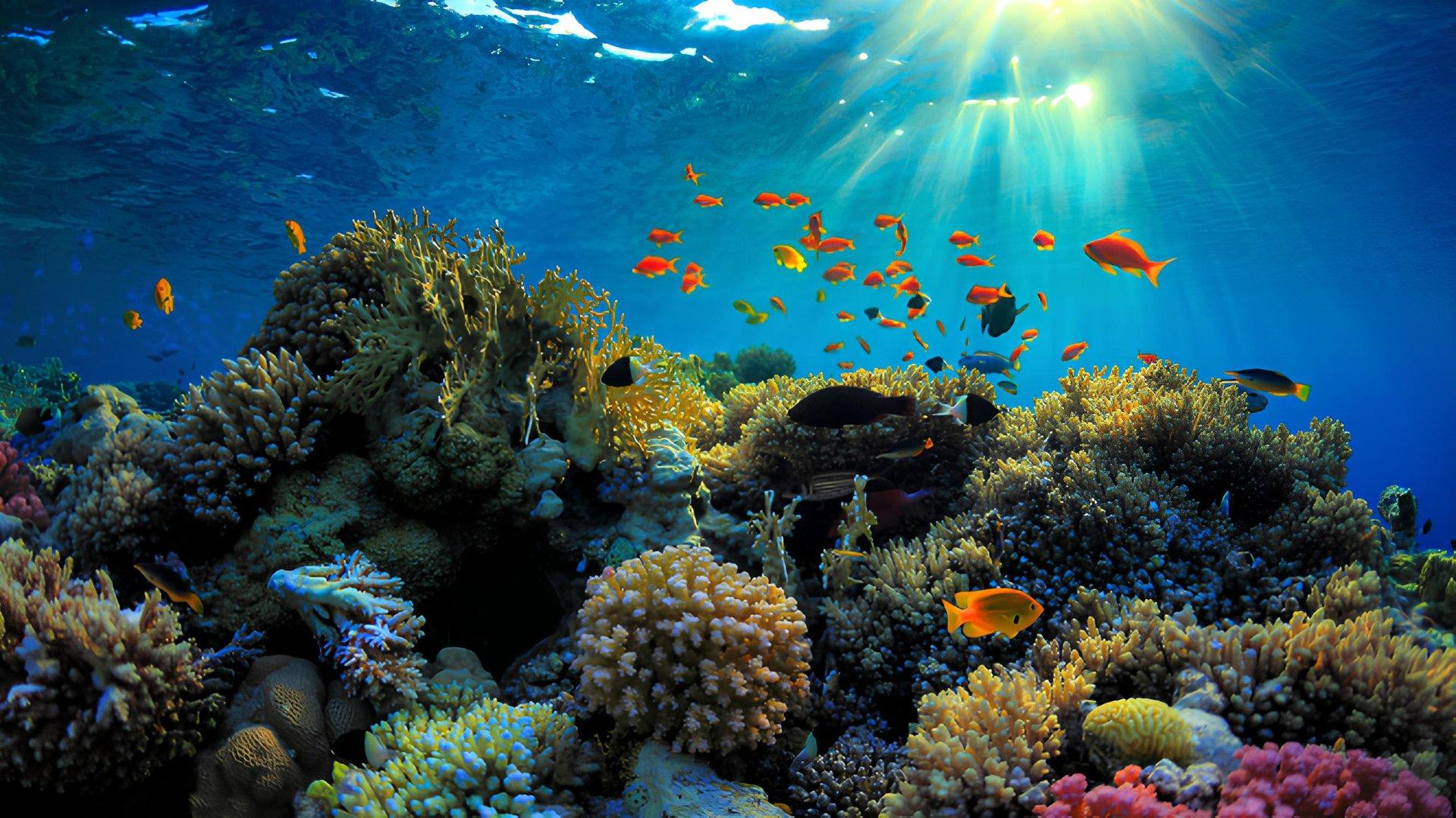
Located within West Bali National Park, Menjangan Island is one of the island’s most respected destinations for diving and snorkelling. Its position away from Bali’s busiest resort areas gives it a quieter atmosphere, while its reefs attract visitors interested in marine life and underwater landscapes.
The island is particularly known for its coral walls. These underwater formations descend into deeper water and create an impressive setting for divers. Hard and soft corals cover sections of the reef, providing shelter for reef fish, sea fans and other marine species. Visibility can be excellent during favourable conditions, making this area appealing to underwater photographers.
Snorkelling is also rewarding around the island. In suitable locations, visitors can observe colourful fish and coral formations without needing diving equipment. The experience is often best with a local guide who understands the currents, entry points and protected areas.
Menjangan is a good choice for travellers who prefer a quieter marine experience. There are no large beach clubs or busy resort developments on the island itself. The journey and natural setting are part of its appeal.
Many visitors reach Menjangan by boat from the Pemuteran area. The trip requires more planning than a snorkelling excursion from southern Bali, but it offers access to a different side of the island. It can also be combined with a stay in West Bali, where the pace is slower and the landscape feels more remote.
For travellers interested in exploring less-developed parts of the island, Bali’s Hidden Gems: The Island’s Most Remarkable Places offers further ideas beyond the main resort areas.
Nusa Penida: Manta Rays and Dramatic Underwater Landscapes
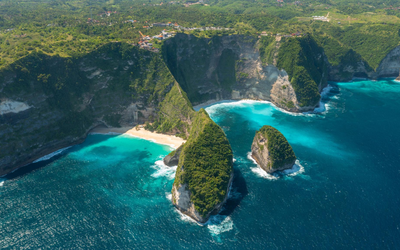
Nusa Penida is among Bali’s best-known destinations for marine encounters. Located southeast of the mainland, the island is surrounded by dive sites with strong currents, deep water and rich marine life. Its underwater environment attracts experienced divers, while selected locations are also suitable for guided snorkelling trips.
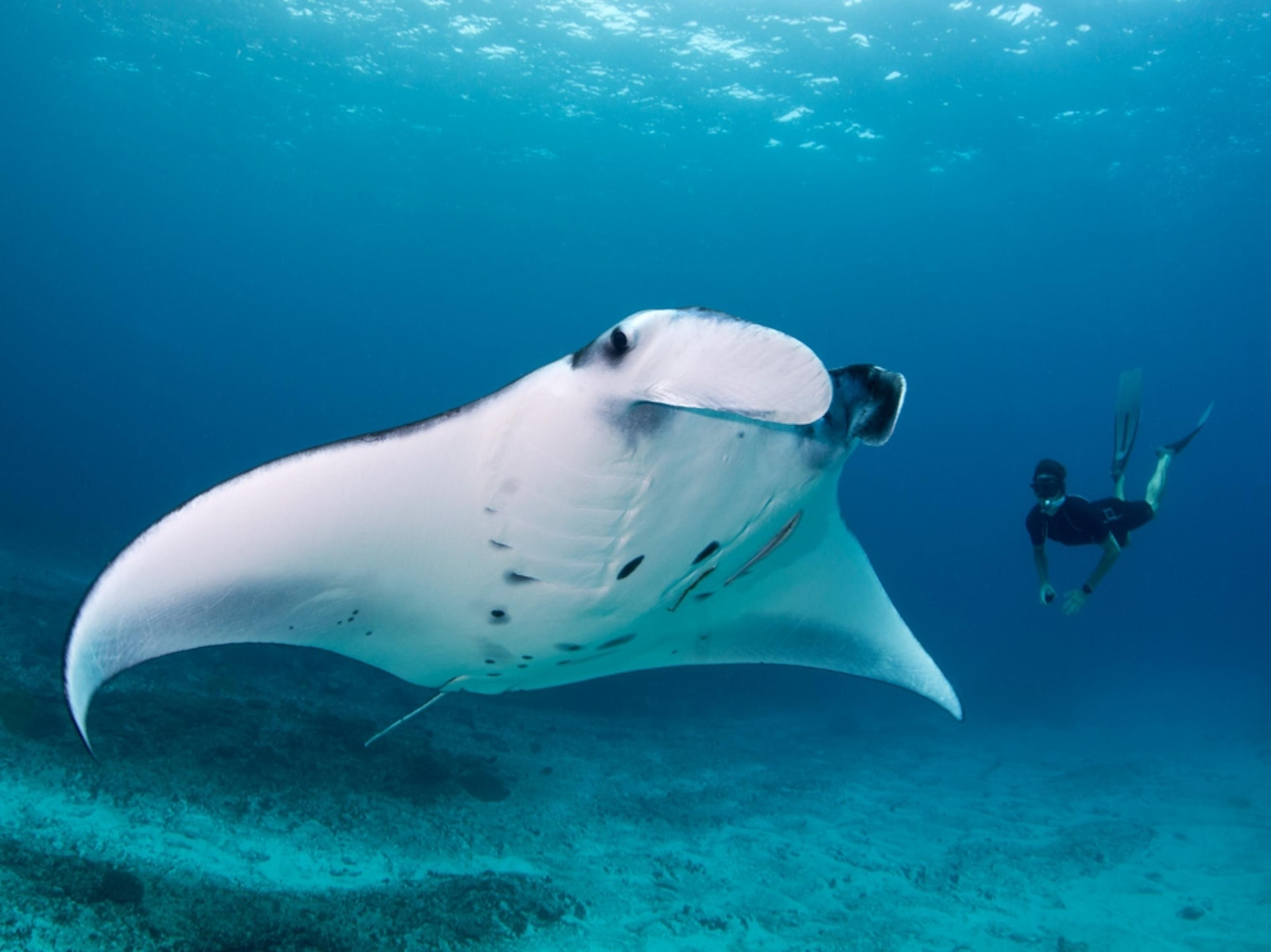
Manta Point is one of the most recognised sites in the area. It is known for visits from reef manta rays, which may gather around cleaning stations. Seeing these large animals move through the water is a memorable experience. However, sightings are never guaranteed, and conditions can change quickly.
Manta snorkelling trips are available from Bali and Nusa Penida. A responsible operator should explain how to enter the water safely and how to behave around the animals. Visitors should avoid touching, chasing or blocking manta rays. Keeping a respectful distance helps protect the animals and allows them to move naturally.
Crystal Bay is another famous dive site. It is associated with clear water and coral formations, but conditions can be challenging. Strong currents and changing visibility mean that it is not suitable for every diver. The site is also known for seasonal ocean sunfish, often called mola mola. These unusual fish are most associated with the cooler months, although encounters remain unpredictable.
Other sites around Nusa Penida include Toyapakeh and Gamat Bay. They offer different underwater landscapes, with coral gardens, reef fish and varied depths. Some locations are better suited to experienced divers, while others can be explored by confident snorkellers when sea conditions allow.
Nusa Penida should not be treated as a simple beach excursion. Its marine environment is beautiful, but the currents require attention. Travellers should choose an operator that assesses experience levels and conditions before selecting a site.
For a wider look at the islands, Exploring the Nusa Islands: A Guide to Exclusive Island Experiences covers Nusa Penida, Nusa Lembongan and Nusa Ceningan.
Amed and Tulamben: Coral Reefs and the USAT Liberty Wreck
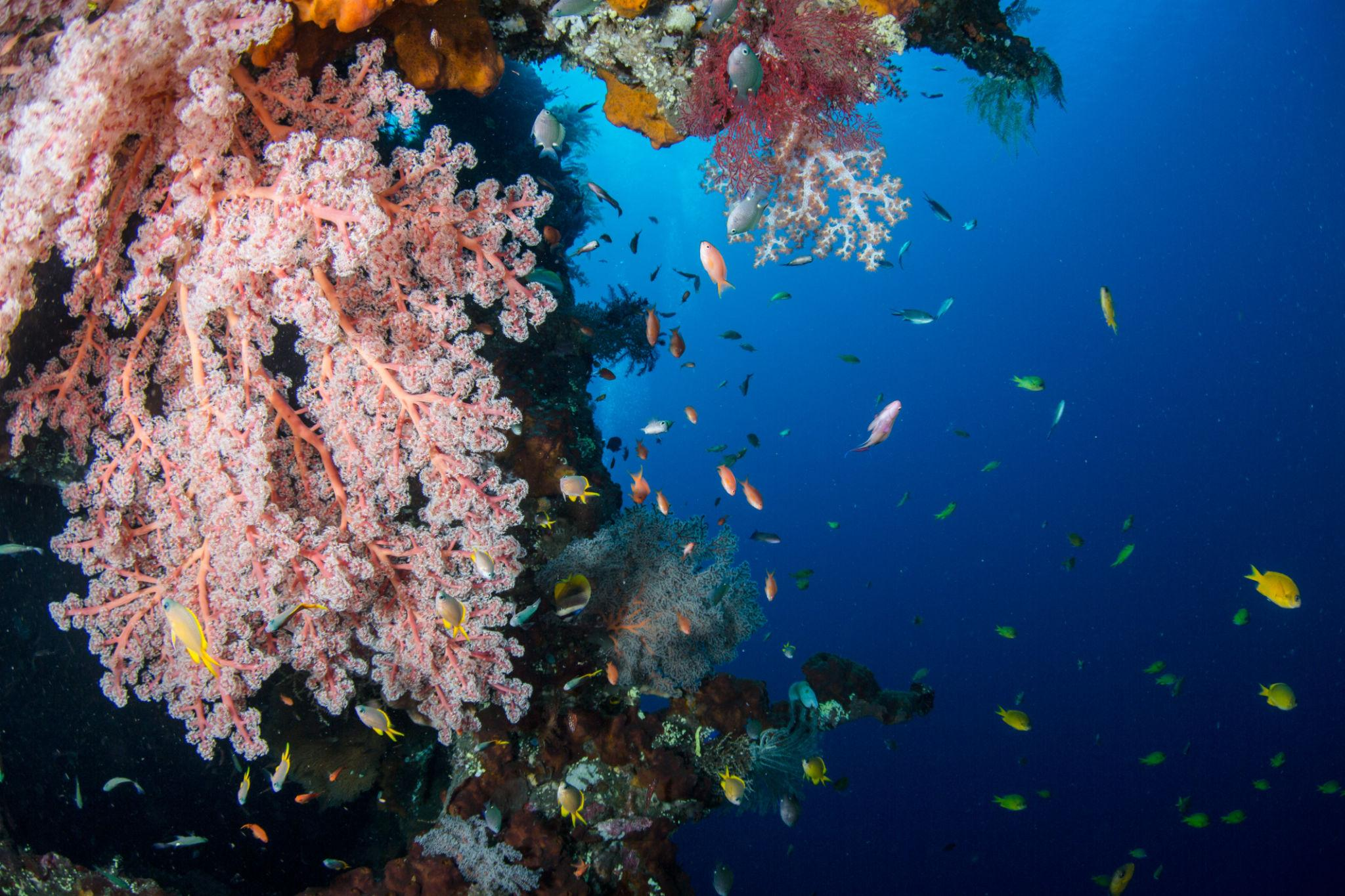
The eastern coast of Bali offers a different style of underwater exploration. Amed and Tulamben are known for their relaxed coastal atmosphere, accessible shore dives and varied marine environments. They are particularly attractive to divers who want to explore several sites without travelling far by boat each day.
Amed is a collection of coastal villages with black-sand beaches, traditional fishing boats and views towards Mount Agung. Its reefs support tropical fish, coral formations and small marine creatures. Some areas are suitable for snorkelling directly from the shore, although conditions vary with the weather and waves.
The region also offers opportunities for macro photography. Divers may encounter nudibranchs, pygmy seahorses and other small species that reward careful observation. These encounters are very different from the large marine animals found around Nusa Penida, but they are part of what makes Bali’s underwater environment so varied.
A short journey along the coast brings visitors to Tulamben, home to the USAT Liberty wreck. The American cargo ship was torpedoed during the Second World War in 1942. It was later moved by volcanic activity and now rests close to the shore. The wreck has become one of Bali’s most recognised dive sites.
The structure is covered in coral and attracts a wide range of marine life. Fish move through its openings, while larger species can sometimes be seen around the wreck. Its shallow sections make parts of the site accessible to snorkellers, although the best way to explore the full structure is by diving.
The wreck is popular with beginners and experienced divers, but proper guidance remains important. Conditions, depth and experience should determine which sections are suitable. Divers interested in underwater photography may also enjoy early morning visits, when light can create interesting effects around the structure.
Amed and Tulamben are ideal for travellers who prefer a slower coastal stay. Small hotels, sea-view restaurants and local dive centres create a more intimate atmosphere than the main resort areas.
Padang Bai: Colourful Reefs and Varied Marine Life
Padang Bai is a coastal village in eastern Bali and an important departure point for boats travelling to nearby islands. It is also a well-established diving destination, with several sites offering different conditions and underwater environments.
Blue Lagoon is one of the best-known locations for snorkelling and diving. Its relatively sheltered setting can make it suitable for selected beginners, depending on the sea conditions. Coral formations and tropical fish create an accessible introduction to Bali’s underwater life.
Other nearby sites include Tanjung Jepun, known for its marine life and macro subjects, and several deeper locations that attract more experienced divers. The area offers a mix of reef environments, sandy seabeds and interesting marine species.
Padang Bai is also a practical base for travellers who want to combine diving with other parts of eastern Bali. It has a working harbour, local restaurants and a more relaxed atmosphere than the southern resort areas. Its location makes it possible to explore nearby coastal villages and inland landscapes during the same stay.
Snorkelling conditions can vary considerably. Some sites are affected by currents, boat traffic and changes in visibility. Visitors should not assume that a location is safe simply because it is close to shore. A local guide can help identify suitable areas and the best time to enter the water.
For travellers who want a mix of marine activities and cultural exploration, eastern Bali offers a useful starting point. Best Nature & Adventure Experiences in Bali provides further ideas for discovering the island beyond its beaches.
Choosing the Right Diving and Snorkelling Experience
Bali offers underwater experiences for different levels of ability, but choosing the right site is essential. A calm reef suitable for a first snorkelling trip is very different from a deep dive with strong currents. Travellers should consider their experience, confidence in the water and the type of marine life they hope to see.
Beginners may prefer guided snorkelling in sheltered locations such as selected areas around Menjangan, Amed or Blue Lagoon. These trips can offer a comfortable introduction to coral reefs and tropical fish. A qualified guide can explain how to use the equipment, identify marine life and remain safe in the water.
Those interested in learning to dive can look for a recognised training centre. Courses should include proper instruction, equipment checks and clear safety procedures. Travellers should never feel pressured to enter the water if they are uncomfortable or if conditions are unsuitable.
Certified divers have more options. Nusa Penida offers challenging sites and opportunities to see larger marine animals. Tulamben provides an accessible wreck experience, while Menjangan offers impressive reef walls. The best choice depends on certification level, recent diving experience and local conditions.
Private or small-group trips can provide a more personal experience. They allow guides to give more attention to each participant and may offer greater flexibility when selecting sites. Some luxury resorts can arrange transfers, equipment and private marine excursions through established local operators.
Before booking, travellers should ask about group size, guide qualifications, equipment condition, insurance and emergency procedures. Divers should also check whether the operator follows recognised safety standards and whether the planned sites match their experience.
Responsible Marine Tourism and the Best Time to Visit
Bali’s coral reefs and marine animals are valuable natural resources. Responsible tourism helps protect them while allowing visitors to enjoy the underwater environment. Small actions can make a meaningful difference.
Avoid touching or standing on coral. Even brief contact can damage fragile formations. Do not feed fish or attempt to attract marine animals. Sunscreen should be chosen with care, and visitors should follow local guidance on products that may affect marine ecosystems.
Encounters with manta rays and other large animals should always take place at a respectful distance. Guides should not chase animals or force them to remain near visitors. A good experience allows wildlife to behave naturally.
The best time for diving and snorkelling depends on the location and conditions. Bali’s dry season, generally from April to October, often offers favourable weather and good opportunities for marine activities. However, visibility, currents and water temperature can vary throughout the year.
Nusa Penida’s ocean sunfish season is generally associated with the cooler months, often between July and October. Manta rays can be seen throughout the year, although sightings depend on natural conditions. Menjangan and the eastern coast also have seasonal changes in visibility and sea conditions.
Travellers should check local forecasts and speak with their operator before confirming an excursion. A trip may need to change location or be postponed if conditions are unsafe. Flexibility is particularly important for boat journeys and sites exposed to strong currents.
For broader seasonal planning, When to Visit Bali: Weather, Seasons & Best Travel Periods explains how the island’s climate can influence different activities and destinations.
Planning a Luxury Diving and Snorkelling Holiday in Bali
A well-planned marine holiday can combine diving with some of Bali’s finest accommodation, dining and wellness experiences. Rather than travelling across the island every day, visitors may prefer to divide their stay between two or three coastal areas.
Menjangan works well for a quieter escape in West Bali. Amed and Tulamben are suitable for a slower stay focused on shore diving and marine exploration. Nusa Penida offers a more adventurous atmosphere, while Padang Bai provides convenient access to several eastern dive sites.
Luxury resorts can help arrange private transfers, boat trips and diving excursions. However, the most important part of the arrangement is the quality of the marine operator. A beautiful hotel does not automatically guarantee a safe or well-organised dive. It is worth checking who will lead the excursion and how the experience will be managed.
Travellers who do not dive can still enjoy Bali’s marine environment. Guided snorkelling, private boat trips and coastal excursions offer ways to explore the water without certification. These experiences can be combined with beach time, spa treatments and fine dining.
A private sailing trip can also add a different perspective to a Bali holiday. For travellers interested in exploring the coast and nearby islands by sea, [Bali Yacht Charter Guide: The Best Private Sailing Experiences] offers further inspiration.
Bali’s underwater world is diverse, but its greatest appeal lies in the variety of experiences available. From the coral walls of Menjangan to the manta rays of Nusa Penida and the historic wreck at Tulamben, each destination reveals a different side of the island. With a suitable guide, careful planning and respect for marine life, diving and snorkelling can become some of the most memorable parts of a visit to Bali.
Frequently Asked Questions
What are the best places for diving in Bali?
Menjangan Island, Nusa Penida, Tulamben, Amed and Padang Bai are among Bali’s best-known diving destinations. Each offers different conditions, marine life and underwater landscapes.
Where is the best place to snorkel in Bali?
Menjangan Island, Amed and selected areas around Padang Bai offer rewarding snorkelling. Nusa Penida is also popular for manta ray encounters, although conditions can be more challenging.
Can beginners go diving in Bali?
Yes. Beginners can take introductory courses with recognised dive centres. Training should include professional instruction, suitable equipment and a site selected for the participant’s experience and the day’s conditions.
When is the best time for diving and snorkelling in Bali?
The dry season, generally from April to October, often offers favourable conditions. However, visibility and currents vary by location. Ocean sunfish sightings around Nusa Penida are more commonly associated with the cooler months.
Can visitors see manta rays in Bali?
Yes. Manta Point near Nusa Penida is a well-known location for manta ray encounters. Sightings are not guaranteed, and visitors should follow responsible wildlife guidelines and maintain a respectful distance.