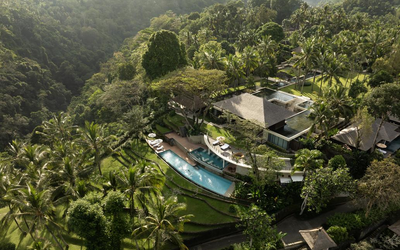
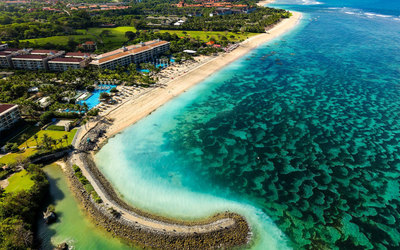
Bali is a year-round destination, but the experience changes with the seasons. Some months bring long sunny days and excellent conditions for beaches, boat trips and outdoor activities. Others offer greener landscapes, quieter resorts and a slower pace of travel. Choosing the right period can make a significant difference to your stay.
The island has a tropical climate, with warm temperatures throughout the year. Rainfall, humidity and sea conditions are the main factors that shape the seasons. The dry season generally runs from April to October, while the wet season usually lasts from November to March. These periods are not fixed, however, and weather patterns can vary from one year to another.
Bali: The Complete Luxury Travel Guide
For most travellers, May, June and September offer an excellent balance of pleasant weather and manageable visitor numbers. July and August are also attractive for outdoor activities, but they are among the busiest months. The wet season has its own appeal, particularly for visitors interested in wellness, cultural experiences and the island’s lush natural scenery.
Understanding these differences helps you choose the right time for your priorities, whether you are planning a beach holiday, a private villa escape or a longer journey across Bali.
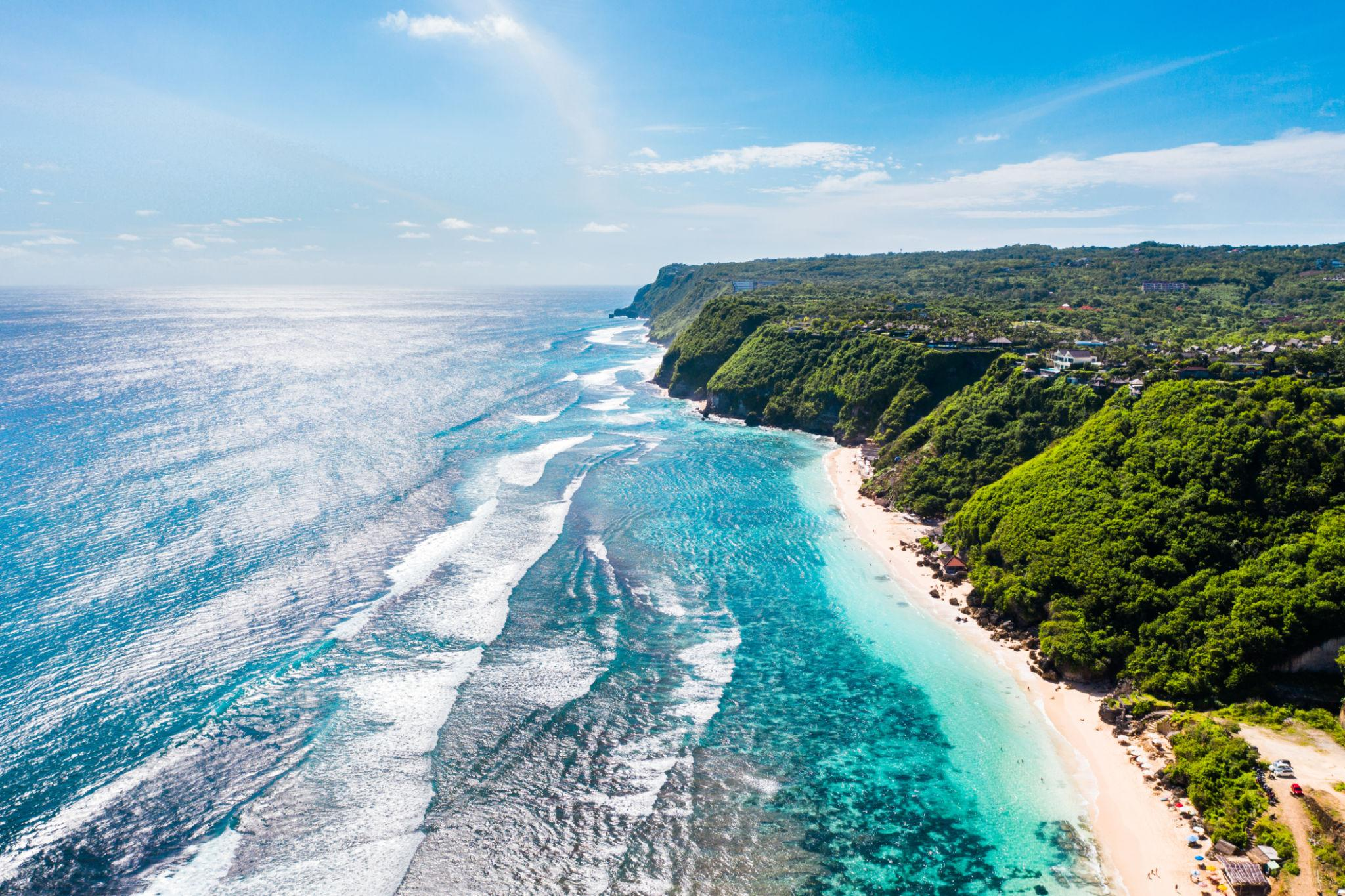
Understanding Bali’s Tropical Climate
Bali does not have four distinct seasons like many European destinations. Instead, its climate is shaped by two main periods: dry and wet. Temperatures remain relatively stable, while rainfall and humidity change throughout the year.
Coastal areas are generally warm, with daytime temperatures often around 28–32°C. Inland destinations such as Ubud can feel slightly cooler, particularly in the evening. The highlands around Kintamani, Bedugul and Munduk are cooler still. Visitors planning to explore these areas should bring a light jacket or an extra layer.
The dry season is influenced by winds from the southeast. It usually brings lower humidity, less rainfall and more consistent sunshine. These conditions make it particularly suitable for beach days, hiking, sightseeing and excursions to nearby islands.
During the wet season, the northwest monsoon brings more moisture. Rainfall becomes more frequent, humidity rises and showers can be heavy. However, rain does not necessarily last all day. Many days still begin with sunshine, followed by showers in the afternoon or evening.
The transition between the two seasons can be less predictable. April and October often combine sunny periods with occasional rain. This makes them useful options for travellers who want to avoid the busiest holiday months while still enjoying favourable conditions.
Indonesia’s official tourism guidance identifies April to October as the general dry season and November to March as the wet season in Bali. It also notes that changing climate patterns can make these periods less predictable.
The Dry Season: April to October
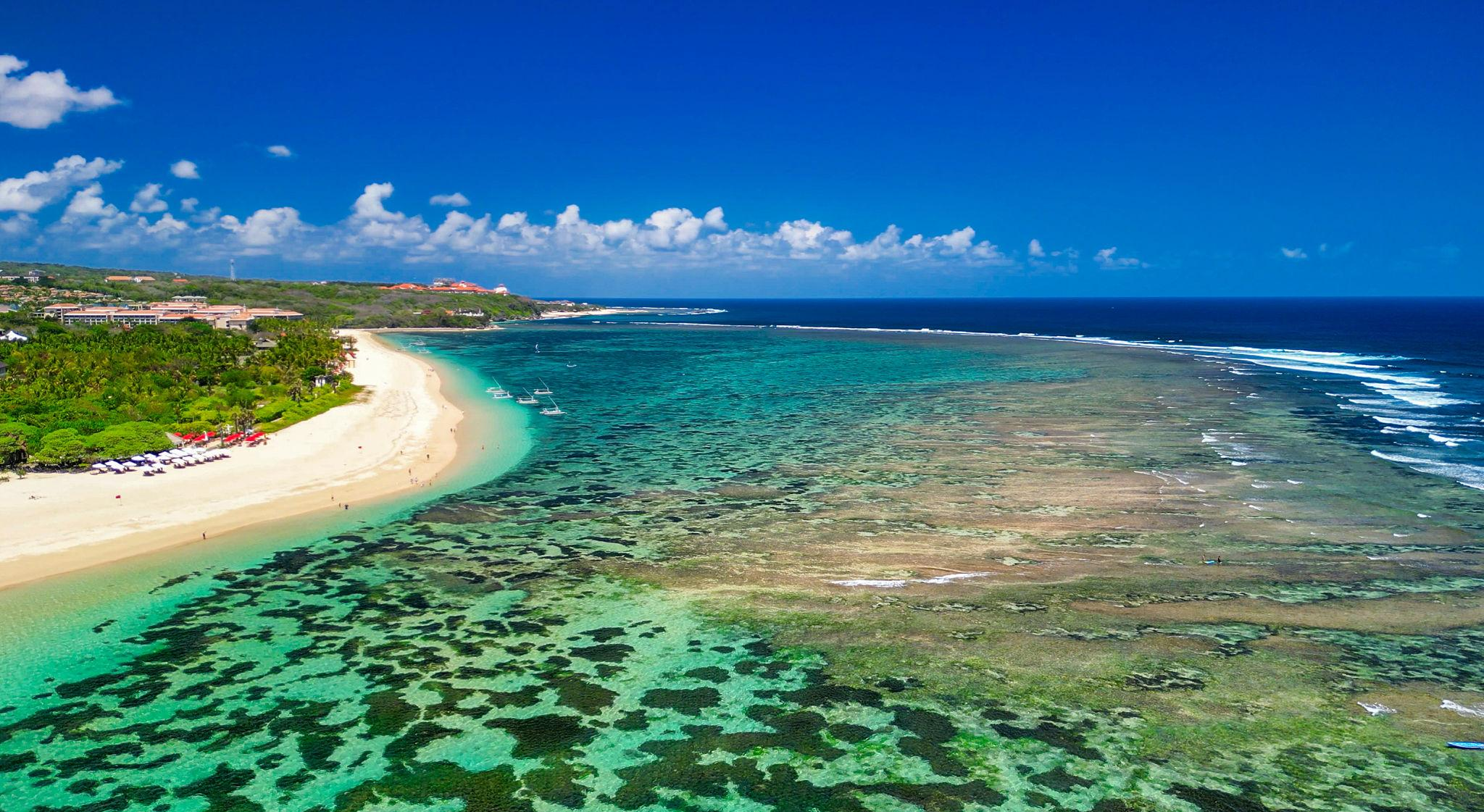
The dry season is generally the most popular time to visit Bali. Rainfall is lower, humidity often feels more comfortable and the island enjoys many clear days. It is an excellent period for travellers who want to spend much of their holiday outdoors.
April marks the transition from the wetter months. Rainfall usually begins to decrease, while the countryside remains green from the preceding rainy season. It can be a pleasant time to explore temples, villages and rice terraces without the crowds of the summer holidays.
May and June are particularly attractive. The weather is usually settled, the days are sunny and visitor numbers are often lower than in July and August. These months suit a varied itinerary, combining time on the coast with visits to Ubud, the central highlands and the island’s cultural sites.
July and August are the heart of the dry season. They are also the busiest months for international tourism. The weather is generally favourable for beach holidays, sailing, diving and mountain excursions. However, popular resorts, restaurants and beach clubs can become crowded. Accommodation prices are often higher, especially in sought-after areas such as Uluwatu, Seminyak and Nusa Dua.
September is another strong choice. The weather often remains dry, while the summer holiday crowds begin to decrease. It is a good month for travellers seeking a more relaxed atmosphere without giving up the advantages of the dry season.
October brings a gradual return of humidity and occasional showers. Conditions can still be very good, especially during the first part of the month. It is worth considering for visitors who prefer a quieter island and greater flexibility with accommodation.
For a luxury holiday, the dry season offers the widest choice of outdoor experiences. Private boat trips, beach clubs, sunset dining and excursions to the Nusa Islands are generally easier to plan when sea and weather conditions are favourable. [Internal link: Best Luxury Experiences in Bali]
The Wet Season: November to March
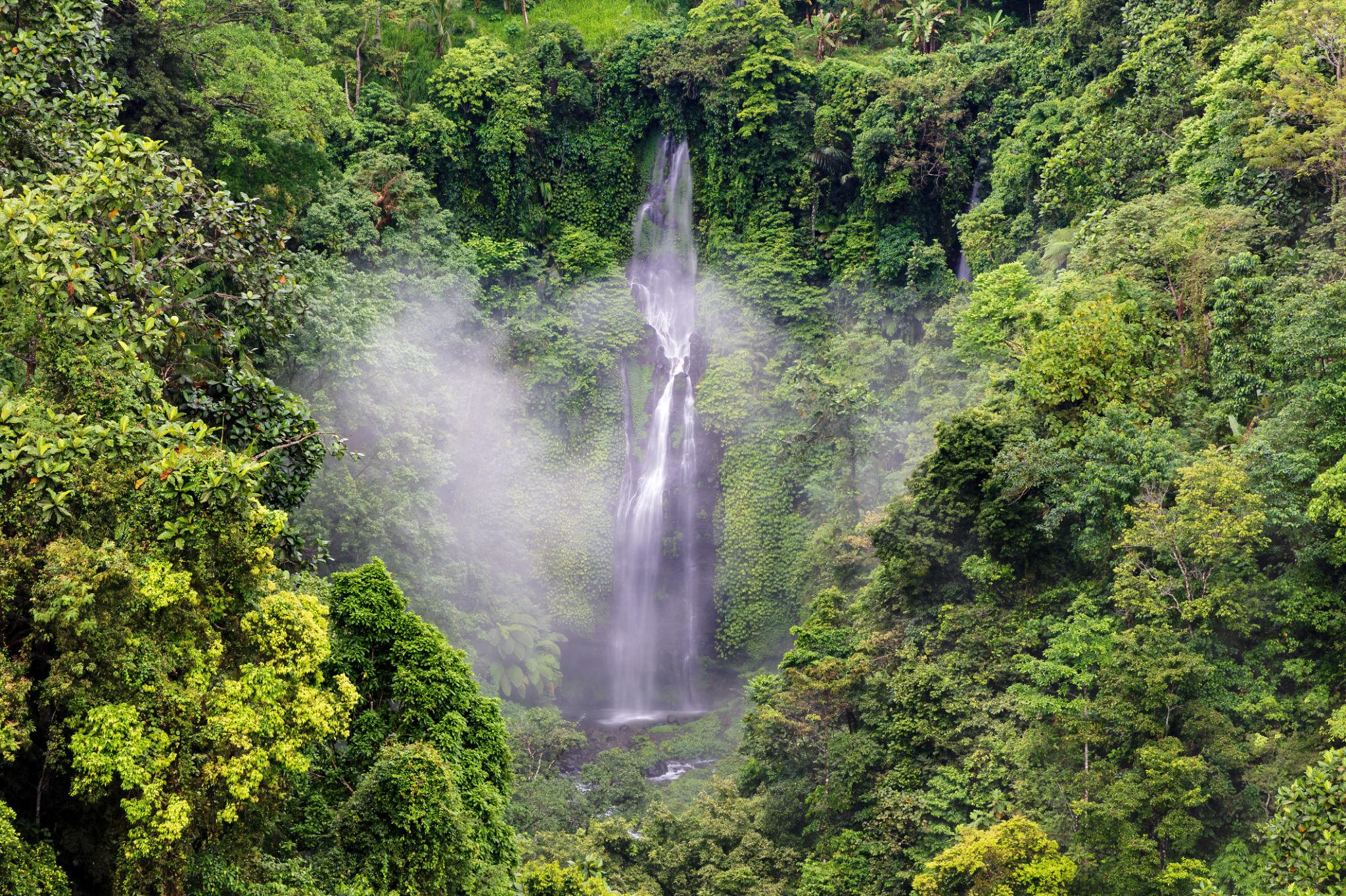
The wet season offers a different view of Bali. Rainfall increases, humidity becomes higher and tropical showers are more frequent. The island’s vegetation becomes particularly lush, creating rich green landscapes around rice fields, forests and river valleys.
November is usually a transition month. Rain begins to return, but sunny mornings remain common. It can be a suitable time for visitors who want to travel before the main end-of-year holiday period.
December is warmer and more humid, with more frequent rainfall. The Christmas and New Year period is an important exception to the quieter atmosphere often associated with the wet season. Many international visitors choose Bali for the holidays, so popular resorts and villas can be fully booked. Prices may also rise considerably.
January and February are generally among the wettest months. Heavy showers can affect outdoor plans, and some roads or walking paths may become muddy or slippery. Boat journeys can also be more sensitive to changing sea conditions. Travellers planning excursions to Nusa Penida or Nusa Lembongan should allow flexibility in their schedules.
March usually marks the gradual end of the wet season. Rainfall may begin to decrease, although showers can continue. The landscapes remain green, and the island can feel less crowded outside major holiday periods.
The wet season is not necessarily a reason to avoid Bali. It can be a rewarding time for visitors who enjoy a slower itinerary. Spa treatments, yoga, cooking classes, cultural visits and long lunches provide alternatives when the weather is unsettled. Many luxury resorts also have excellent indoor facilities, private pools and restaurants that make it possible to enjoy the stay without depending on sunshine.
Travellers should simply plan with more flexibility. Outdoor excursions are best arranged with room to adjust the schedule, and it is sensible to check local weather and sea conditions before travelling between islands.
Bali Month by Month: Choosing the Right Period
Each month offers a slightly different combination of weather, atmosphere and travel conditions. The following overview provides a practical guide rather than a guarantee of specific weather.
January is usually one of the wettest months. Expect high humidity and frequent showers, although sunny intervals are still possible. It can suit visitors who prefer a quieter holiday focused on resorts, wellness and indoor experiences.
February remains wet and humid. Visitor numbers are often lower outside holiday periods, which can create opportunities to find attractive accommodation rates. It is a good month for a relaxed stay, provided that outdoor plans remain flexible.
March is a transition period. Rainfall often begins to ease, while the countryside remains green. The month can be appealing for cultural visits and nature-focused trips. Travellers should also check whether their dates overlap with Nyepi, the Balinese Day of Silence.
April generally brings improving conditions. Showers become less frequent, and the island begins moving towards the dry season. It is a good period for exploring different regions before the busiest months arrive.
May is one of the strongest months for a balanced holiday. The weather is usually pleasant, the landscapes still look fresh and the main summer crowds have not yet arrived. It is suitable for beaches, sightseeing and outdoor activities.
June offers many of the same advantages. Days are generally sunny, rainfall is limited and conditions are favourable for exploring the coast and countryside. It is a particularly good month for combining several destinations.
July is usually dry and sunny. It is also a major holiday month for European and Australian travellers. Book accommodation, popular restaurants and private experiences well in advance.
August often brings some of the driest conditions of the year. It is excellent for outdoor activities, but demand is high and prices can be among the most expensive. Visitors seeking privacy may prefer to stay in more secluded resorts or private villas.
September is one of the best months for many travellers. The weather often remains dry, while the busiest summer period begins to pass. It offers a strong combination of sunshine, comfortable travel conditions and a more relaxed atmosphere.
October is a useful shoulder-season choice. The first part of the month can still be relatively dry, although humidity and rainfall gradually increase. It is worth considering for a quieter holiday with some flexibility.
November marks the return of the wet season. Rain becomes more frequent, but the island is often less crowded. It can be a good time for wellness retreats and cultural experiences.
December combines tropical rain with the festive holiday season. Early December may be quieter, while the weeks around Christmas and New Year are usually very busy. Advance planning is important if you intend to visit during this period.
Monthly averages are useful for planning, but they cannot predict the weather during a specific trip. Conditions can change from year to year, so check a reliable forecast closer to departure.
The Best Time for Beaches, Diving and Outdoor Activities
The best travel period depends partly on what you want to experience. Bali’s different regions and coastlines can offer very different conditions, so it is useful to match your plans to the season.
For beach holidays, the dry season is generally the most reliable choice. May to September offers many sunny days, making it easier to enjoy the beaches of Nusa Dua, Jimbaran and Uluwatu. Seminyak and Canggu are also popular during this period, particularly for beach clubs and sunset dining.
Water conditions vary according to location and season. The west coast can offer good surfing conditions during the dry months, while other coastlines have different seasonal patterns. Travellers interested in diving and snorkelling should consider the specific site rather than assuming that conditions are the same across the island. Amed, Tulamben and Menjangan are well-known marine destinations, but visibility and currents can change with weather and local conditions.
The dry season is also a good period for boat trips. Excursions to Nusa Penida, Nusa Lembongan and the surrounding islands are generally easier to organise when the sea is calmer. However, crossings can still be affected by wind and swell, so operators’ advice should always be followed.
For hiking, May to September is usually preferable. Mount Batur is particularly popular for sunrise treks, while the routes around Munduk and the central highlands offer opportunities to explore forests, waterfalls and rural landscapes. During the wet season, trails can become slippery and visibility may be limited.
Rice terraces and waterfalls have a different appeal. The wet season and the months immediately after it often bring greener landscapes and stronger waterfalls. Visitors interested in photography may appreciate these conditions, even if they need to plan around occasional showers.
For more ideas, see Best Nature & Adventure Experiences in Bali and The Best Beaches in Bali: A Luxury Travel Guide.
Festivals, Local Traditions and Travel Crowds
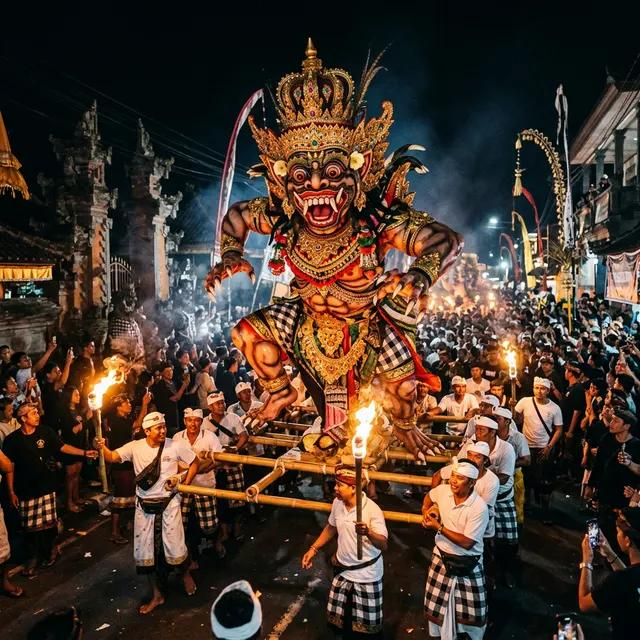
Weather is only one part of choosing when to visit Bali. Local celebrations and international holiday periods can influence the atmosphere, availability and cost of a trip.
Nyepi, the Balinese Day of Silence, is one of the island’s most distinctive annual observances. It marks the Saka New Year and is observed across Bali. For 24 hours, the island pauses its usual activities. Roads are empty, businesses close and visitors are expected to remain within their accommodation. The airport also closes during the observance.
The evening before Nyepi is known for the ogoh-ogoh processions. Large figures are carried through villages in lively public ceremonies. For visitors interested in Balinese culture, this can be a memorable experience, but it requires careful planning. Check the date in advance and confirm your hotel’s arrangements.
Galungan and Kuningan are other important celebrations in the Balinese calendar. They are associated with family gatherings, temple visits and traditional offerings. Dates follow the local 210-day calendar, so they do not fall on the same dates each year. Travellers who wish to experience these occasions should check the calendar for their intended year.
International holidays also affect the island. July and August attract many visitors from Europe and Australia. Christmas and New Year bring another period of high demand, especially in luxury resorts and private villas. Indonesian school holidays and major regional celebrations can also increase visitor numbers.
May, June and September are often a good compromise for travellers who want favourable weather without the busiest summer conditions. For more cultural ideas, explore Best Cultural Experiences in Bali.
Choosing the Best Period for Your Bali Holiday
For most visitors, May, June and September are the strongest choices. They offer a good balance of sunshine, outdoor opportunities and more manageable visitor numbers than the peak summer months.
July and August are better suited to travellers who place the highest priority on dry weather and do not mind busier resorts or higher prices. Booking early is important, particularly for private villas, popular restaurants and exclusive experiences.
April and October can be attractive alternatives. These transition months may offer good weather and a quieter atmosphere, although occasional rain is more likely than in the middle of the dry season.
November to March is worth considering if you prefer greener scenery, a slower pace and potentially better accommodation value. The wet season requires flexibility, but it can still provide a rewarding holiday. A well-planned stay can combine wellness, dining, cultural visits and time at a resort with suitable indoor facilities.
Your choice of destination within Bali also matters. The coast, central highlands and northern regions can experience different conditions. A multi-region itinerary gives you more variety, but it is wise to allow enough time between destinations and avoid planning every day around a fixed outdoor activity.
Ultimately, the best time to visit Bali is the period that matches your priorities. With the right expectations and a thoughtful itinerary, the island can offer an appealing luxury escape in every season.
Frequently Asked Questions
What is the best month to visit Bali?
May, June and September are excellent choices for most travellers. They generally offer pleasant weather, lower rainfall than the wet season and fewer visitors than July and August.
When is the rainy season in Bali?
The wet season usually runs from November to March. January and February are commonly among the wettest months, with frequent showers and higher humidity. Rain does not necessarily last all day.
Is Bali worth visiting during the wet season?
Yes. The wet season can be a good time for wellness retreats, cultural visits and a more relaxed holiday. The landscapes are lush, and accommodation may offer better value outside major holiday periods. Flexible planning is important because heavy rain can affect outdoor activities and boat journeys.
When is the busiest time to visit Bali?
July and August are usually the busiest months, followed by the Christmas and New Year holiday period. During these times, popular hotels, villas and restaurants can fill quickly, and prices are often higher.
Can you visit Bali all year round?
Yes. Bali has warm temperatures throughout the year and offers different experiences in both seasons. The dry season is generally better for beaches and outdoor activities, while the wet season is suitable for travellers who enjoy green landscapes, wellness and cultural experiences.