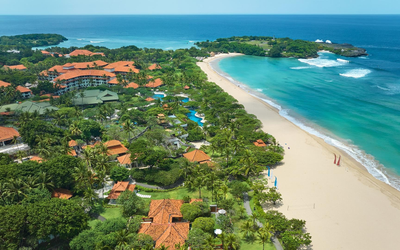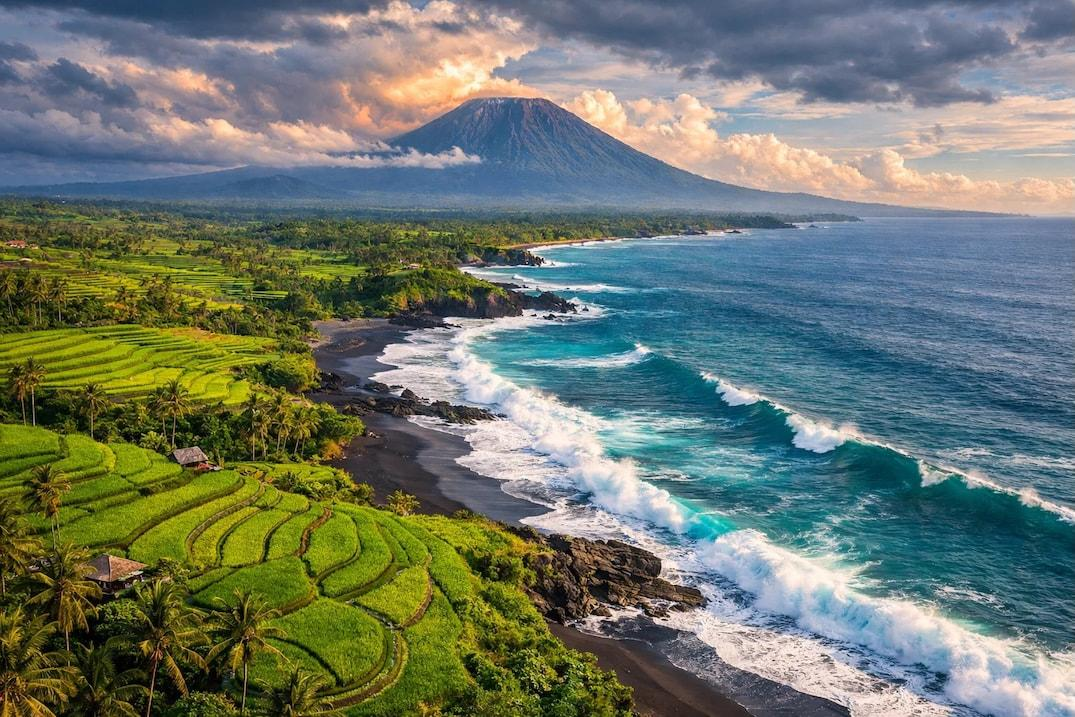
Bali is known for its beaches and luxury resorts, but the island also offers a remarkable range of outdoor experiences. Volcanic mountains, tropical forests, waterfalls, rice terraces and coral reefs create opportunities for travellers to explore a very different side of the destination.
Some experiences are gentle and scenic, such as walking through traditional rice fields or cycling between rural villages. Others demand more energy, including sunrise hikes, white-water rafting and diving along the coast. The variety makes Bali suitable for both relaxed nature lovers and travellers looking for more active adventures.
The island’s landscapes are also closely connected to local life. Rice cultivation, water management and religious traditions have shaped the countryside over many generations. Exploring these environments can therefore offer more than beautiful views. It can provide a better understanding of Bali’s natural and cultural identity.
From the highlands of Kintamani to the reefs of Menjangan Island, these are some of the best nature and adventure experiences to include in a Bali itinerary.
Climb Mount Batur for a Sunrise Experience
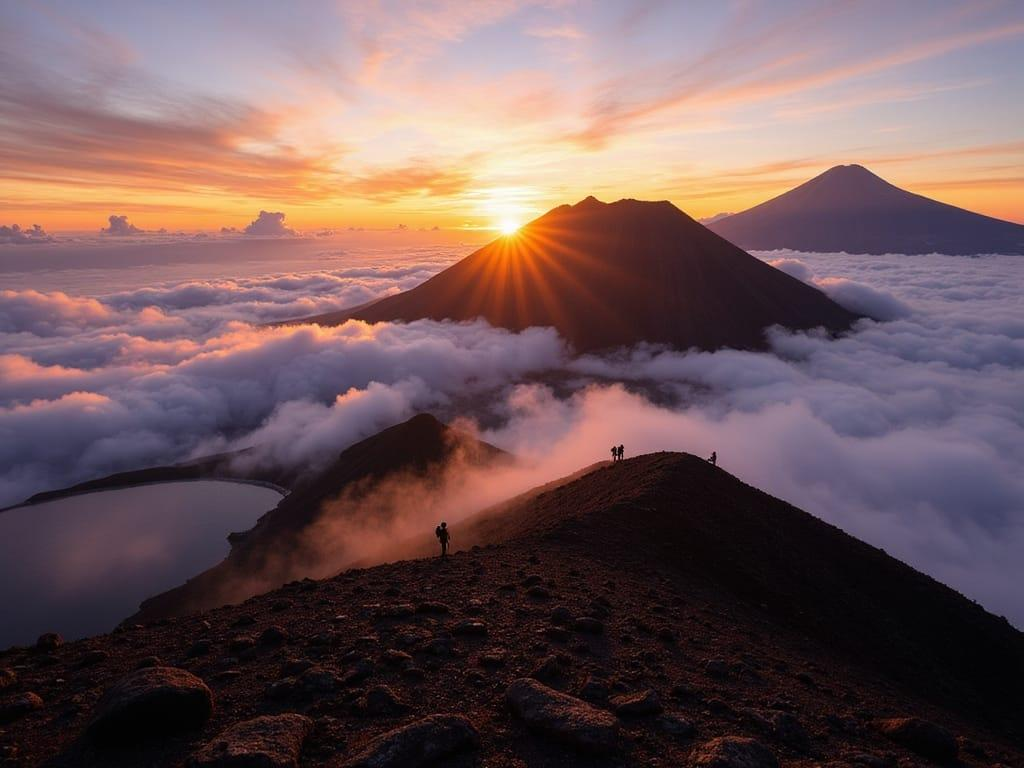
Mount Batur is one of Bali’s most popular outdoor destinations. Located in the Kintamani highlands, the active volcano rises above a large caldera containing Lake Batur. Its landscape combines dark volcanic rock, green slopes and wide views across the surrounding mountains.
The classic experience is a guided sunrise hike. Most excursions begin in the early hours, with travellers reaching the starting point before walking uphill in the dark. The final section leads towards the summit, where the first light reveals the caldera and the surrounding volcanic landscape.
The climb is a rewarding experience for reasonably fit travellers, although it should not be treated as a casual walk. The terrain can be uneven and slippery, particularly after rain. A headlamp, suitable walking shoes, warm clothing and drinking water are important. Visitors should arrange the hike with a qualified local guide and check current volcanic and weather conditions before departure.
For those who prefer not to hike, some operators offer four-wheel-drive sunrise excursions to designated viewpoints. These provide another way to experience the landscape, although they do not replace the experience of reaching the summit on foot.
Mount Batur is particularly suitable for travellers staying in Ubud or the central highlands. It is best planned as an early-morning activity, with a relaxed afternoon afterwards.
Explore Bali’s Waterfalls and Tropical Forests
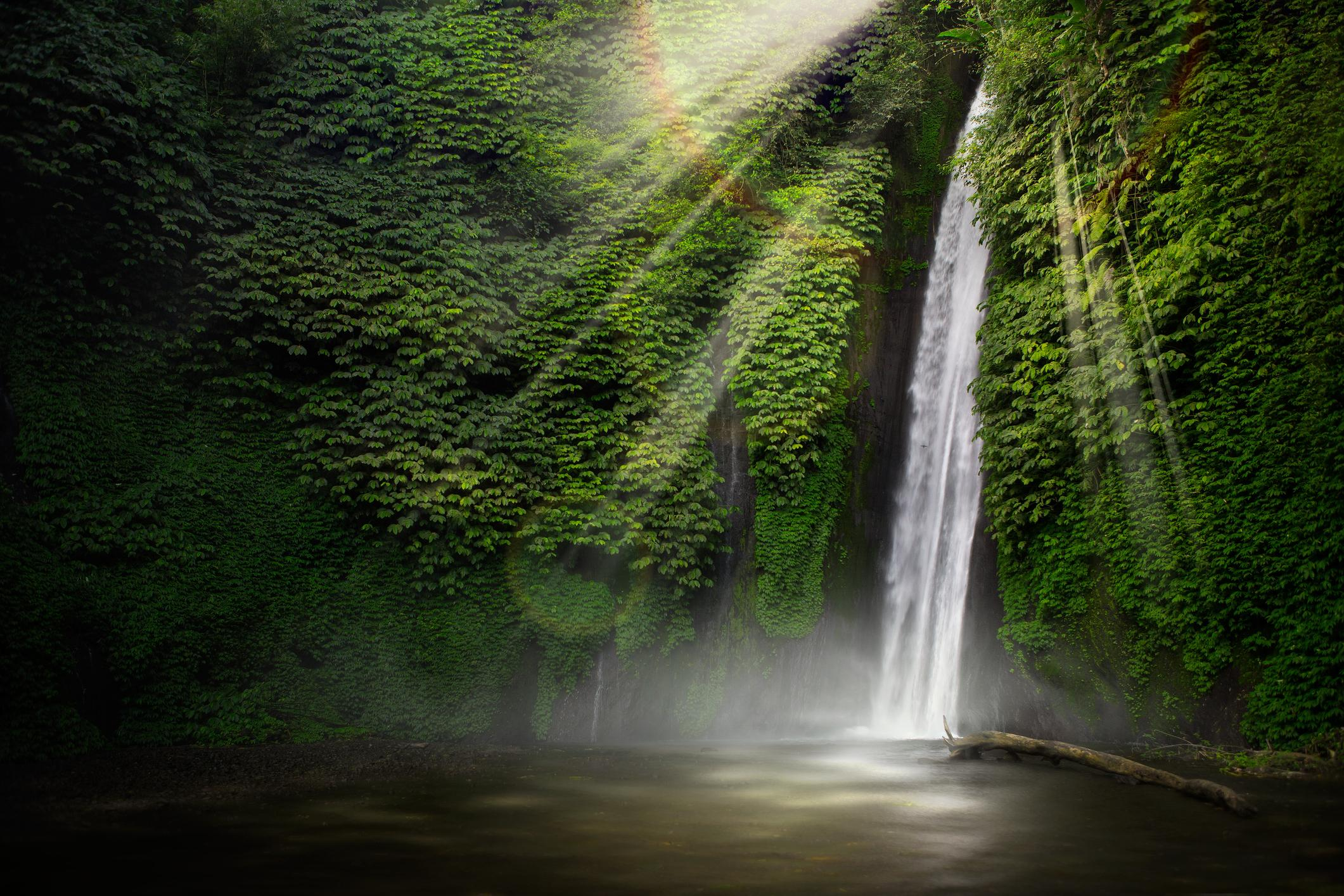
Bali’s interior is filled with waterfalls, forest paths and natural pools. These locations provide a refreshing alternative to the coast, particularly during the warmer part of the day. Some are easy to reach, while others require a longer walk through tropical vegetation.
Tegenungan Waterfall, near Ubud, is one of the island’s most accessible options. Water descends into a green valley, creating an impressive view from the surrounding paths. Its popularity means it can become busy, especially later in the morning.
For a quieter setting, Tibumana Waterfall offers a more intimate atmosphere. A short walk through greenery leads to the waterfall and its natural pool. Kanto Lampo is known for water flowing over a series of dark rock formations, creating a distinctive landscape for photography.
Further north, Sekumpul Waterfall is one of Bali’s most impressive natural attractions. Several streams descend through a deep green valley, surrounded by dense vegetation. Reaching the falls involves a more demanding walk, including steep steps and river crossings. A local guide can help visitors navigate the route and understand access conditions.
The Munduk area is another excellent destination for nature lovers. Its cooler highland climate, forested hills and coffee and clove plantations create a different atmosphere from southern Bali. Visitors can explore waterfalls, walking trails and scenic viewpoints while enjoying a quieter part of the island.
Good footwear is essential for waterfall visits. Paths can become slippery, and water levels may change after heavy rain. Visitors should follow local instructions and avoid entering pools where currents or falling rocks create a risk.
Discover Bali’s Rice Terraces on Foot
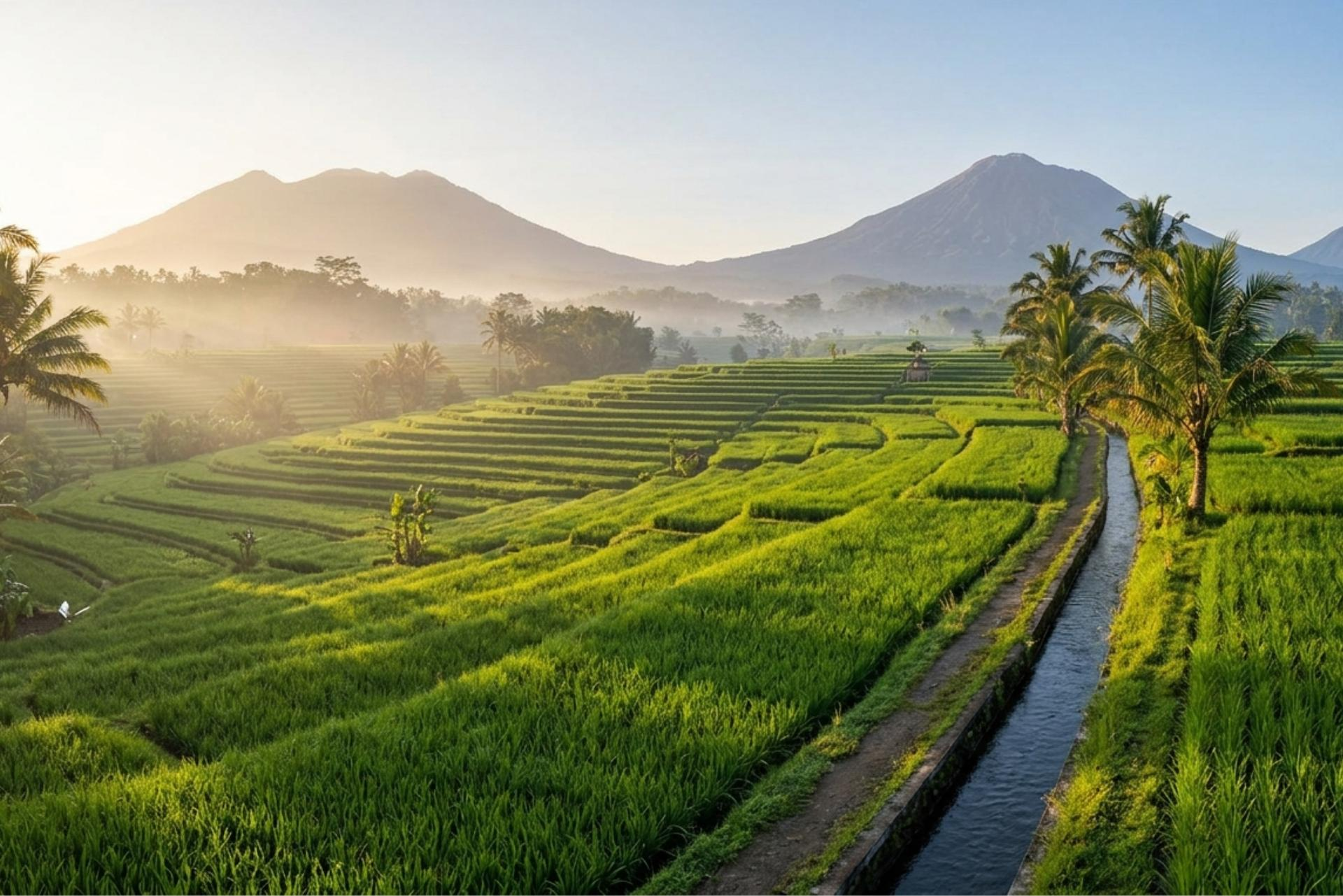
Rice terraces are among Bali’s most recognisable landscapes. Their green fields follow the natural contours of the hills, creating patterns that change with the seasons and stages of cultivation. Walking through these areas offers a closer look at the relationship between agriculture, nature and community life.
Tegallalang, north of Ubud, is one of the most famous locations. Its steep terraces provide attractive viewpoints and several walking routes. Small cafés and local businesses overlook the valley, making it easy to combine a walk with a relaxed stop for refreshments. Early morning is generally the best time to visit, before the heat and larger visitor numbers build.
For a broader landscape, Jatiluwih is particularly rewarding. Located in the Tabanan region, its extensive terraces stretch across the slopes beneath Mount Batukaru. Walking paths pass through the fields and offer views of the surrounding countryside.
Jatiluwih forms part of the UNESCO-listed Cultural Landscape of Bali Province. The area reflects the traditional subak irrigation system, through which local communities manage water for rice cultivation. This system connects agricultural cooperation with religious and cultural traditions.
Visitors can choose shorter walks or spend several hours exploring the area. Staying on marked paths is important, as the terraces are working agricultural land. A local guide can also explain how water reaches the fields and how farming activities change throughout the year.
For travellers based in Ubud, the Campuhan Ridge Walk provides a more accessible alternative. Its path follows a green ridge between two valleys, offering open views without requiring a full-day excursion.
Experience White-Water Rafting on the Ayung River
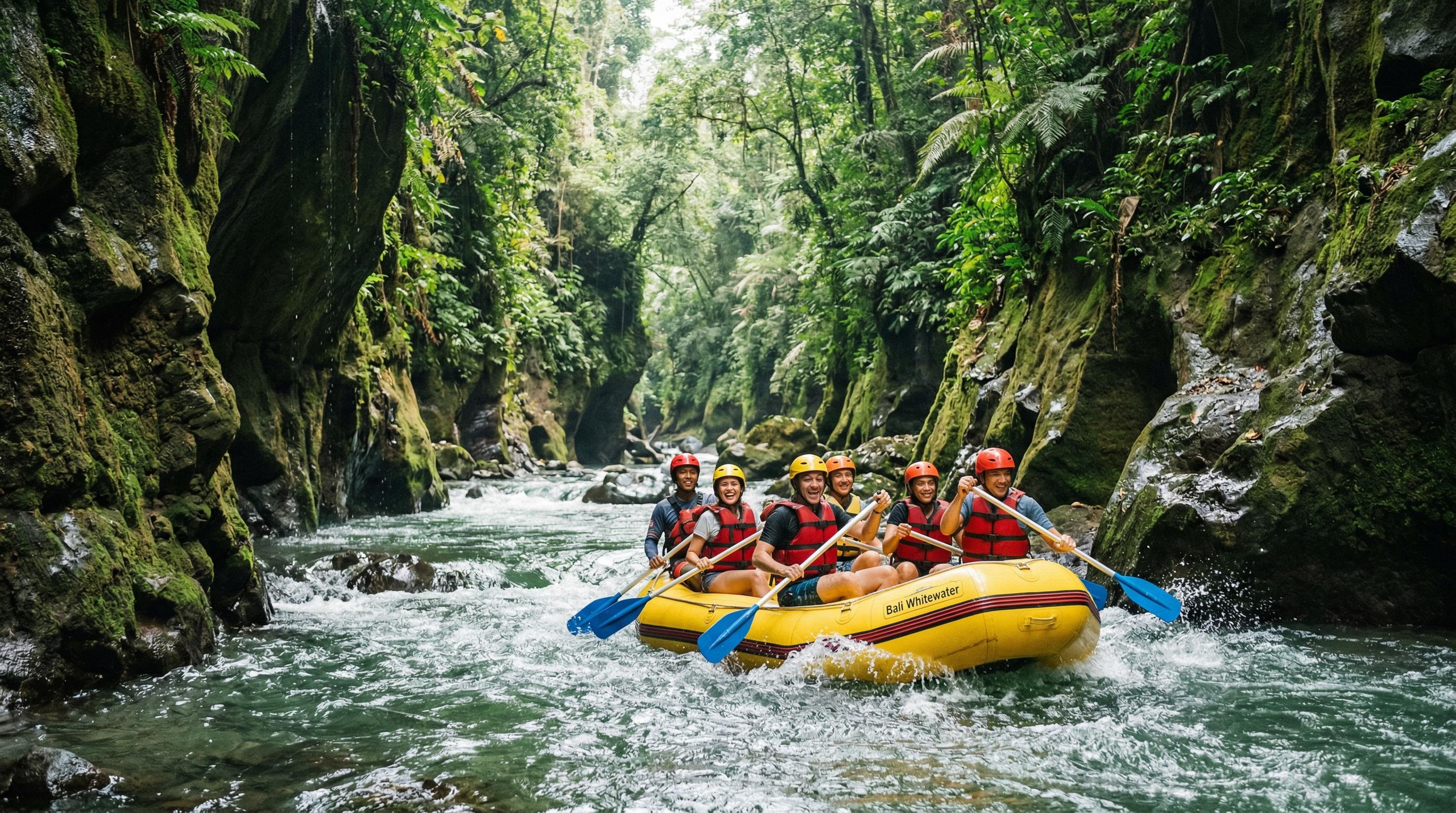
The Ayung River offers one of Bali’s best-known adventure activities. Flowing through a forested valley near Ubud, it provides a setting for guided white-water rafting surrounded by tropical vegetation, river cliffs and waterfalls.
Rafting excursions usually include a safety briefing and equipment before participants enter the water with an experienced guide. The route combines stretches of moving water with calmer sections, allowing time to enjoy the scenery. Some routes also pass carved stone features along the riverbanks.
The experience is suitable for many first-time rafters, but difficulty depends on river conditions, weather and the route selected. Visitors should choose an established operator that provides appropriate equipment, trained guides and clear safety instructions. Age, fitness and health requirements should be checked before booking.
The Ayung River is particularly convenient for travellers staying in Ubud, with several operators offering transfers from nearby hotels. It can be combined with a countryside lunch or a visit to a nearby waterfall, although allowing enough time for the activity makes the day more comfortable.
For a different kind of adventure, some areas around Ubud also offer guided canyoning experiences. These can involve walking through river gorges, climbing, swimming and descending natural rock formations. They require suitable equipment and professional supervision, so it is important to select an operator with appropriate safety standards.
Cycle Through Villages, Plantations and Countryside
Cycling is an excellent way to explore Bali beyond its main roads. Guided rides can take visitors through rice fields, small villages, plantations and rural landscapes that are difficult to appreciate from a car.
The Kintamani highlands are a popular starting point for downhill cycling tours. Some routes begin near the Mount Batur caldera and descend through villages and agricultural areas towards Ubud. The cooler mountain air and changing scenery make this a particularly enjoyable experience.
Around Ubud, shorter routes pass through rice fields and traditional villages. These rides can include stops at local workshops, family compounds and small farms. They offer a more personal view of everyday life while keeping the pace relaxed.
Jatiluwih is another excellent cycling destination. Its wide agricultural landscape and quieter rural roads provide an attractive setting for guided rides. More experienced cyclists may prefer the hilly routes around Sidemen, where the scenery includes rice terraces, village settlements and views towards Mount Agung.
Cycling difficulty varies considerably. Downhill routes may be suitable for beginners, while longer countryside rides can involve steep sections and uneven surfaces. A good operator should match the route to the group’s experience and provide suitable helmets and well-maintained bicycles.
Explore Bali’s Underwater World
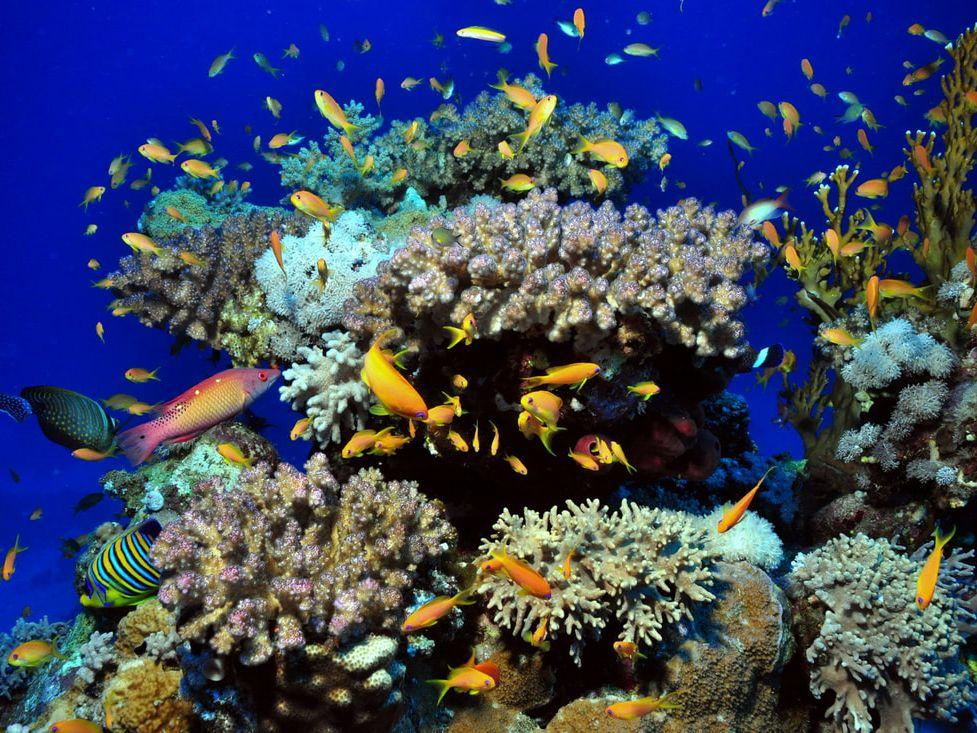
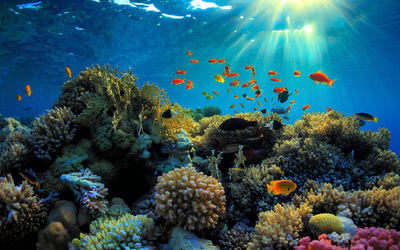
Bali’s natural attractions extend well beyond the shoreline. Its surrounding waters offer coral reefs, tropical fish, underwater landscapes and several well-known diving locations. Snorkelling and diving are among the best ways to explore this marine environment.
Amed, on the east coast, is a popular destination for both activities. Its coastline includes several bays with dark volcanic sand and accessible reef areas. Jemeluk Bay is particularly well known for snorkelling, while local dive centres offer guided trips for different experience levels.
Tulamben is another important diving destination. It is best known for the USAT Liberty shipwreck, which lies close to the shore. The site attracts divers interested in exploring the wreck and the marine life that has developed around it. Its accessibility has made it one of Bali’s most recognised underwater attractions.
For a different experience, Menjangan Island lies within the waters of West Bali National Park. Its coral reefs and underwater walls are popular with divers and snorkellers. The area is also valued for its natural surroundings and relatively remote setting.
Nusa Penida is another destination for marine adventures. The waters around the island are known for manta ray encounters, although sightings are never guaranteed. Sea conditions can be challenging, and currents may be strong. Visitors should choose experienced operators and follow their guidance closely.
For beginners, a guided snorkelling trip is often the best starting point. Divers should use properly certified centres, follow their training limits and check equipment and safety procedures before entering the water.
Discover West Bali National Park and Its Wildlife
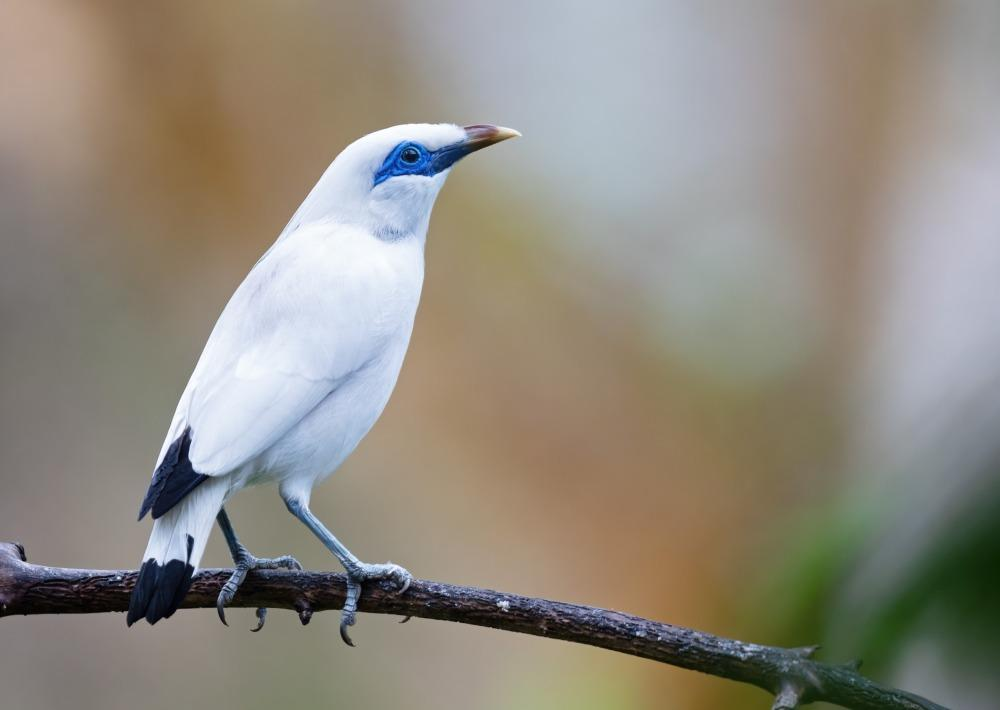
West Bali National Park offers a different perspective on the island. Located in the northwest, it includes forests, hills, coastal areas and marine habitats. Its protected landscape is home to a wide range of wildlife and is particularly important for the conservation of the Bali starling, a rare bird native to the island.
Guided walks provide an opportunity to explore the park’s natural environments and learn about its ecosystems. Depending on the route and conditions, visitors may encounter different bird species, deer and other wildlife. The park also includes coastal and marine areas, making it relevant to travellers interested in both land-based nature experiences and snorkelling.
Menjangan Island is one of the region’s main attractions. Its clear waters and coral reefs make it a popular destination for diving and snorkelling. Boat trips generally depart from the mainland, and visits should be arranged through authorised local operators.
The national park is a considerable journey from southern Bali, so it is better suited to travellers with enough time to explore the western region. An overnight stay in the area allows for a more relaxed visit and reduces the need for a long return journey in one day.
Choose the Right Nature and Adventure Experiences
Bali offers enough variety to create an outdoor itinerary for almost every travel style. The key is to select experiences that match your interests, fitness level and available time.
For dramatic scenery and an early start, Mount Batur is one of the island’s defining adventures. Waterfall walks and rice terrace visits provide gentler alternatives, while rafting and cycling offer a more active way to explore the countryside. Travellers interested in marine life can focus on Amed, Tulamben, Menjangan Island and Nusa Penida.
The location of your accommodation also matters. Ubud is a convenient base for Mount Batur, the Ayung River, rice terraces and several waterfalls. Munduk is well placed for exploring the northern highlands, while Amed and Pemuteran are better suited to diving and snorkelling. West Bali National Park is worth considering as part of a longer island journey.
Weather and local conditions should guide the final plans. Rain can affect hiking paths, river levels and waterfall access. Sea conditions can change quickly, particularly around exposed coastlines and offshore islands. Book through responsible operators, follow local advice and avoid activities when conditions are unsuitable.
The most rewarding way to explore Bali is to leave time between activities. A countryside walk, a quiet village lunch or a morning overlooking the mountains can be just as memorable as a more demanding adventure. These experiences reveal the island’s natural beauty while offering a deeper connection with its landscapes and local communities.
Frequently Asked Questions
What are the best nature experiences in Bali?
Mount Batur, the Jatiluwih Rice Terraces, Sekumpul Waterfall, Munduk and West Bali National Park are among the island’s most rewarding natural attractions. Each offers a different landscape, from volcanic mountains and tropical forests to agricultural valleys and protected wildlife habitats.
What are the best adventure activities in Bali?
Popular activities include sunrise trekking on Mount Batur, white-water rafting on the Ayung River, cycling through rural villages, canyoning, surfing, snorkelling and scuba diving. The right choice depends on fitness, experience and local conditions.
Is Mount Batur suitable for beginner hikers?
The guided sunrise route is often suitable for reasonably fit beginners, but it involves walking uphill in darkness over uneven volcanic terrain. Proper footwear, warm clothing, a headlamp and a qualified local guide are important. Anyone with health or mobility concerns should consider a less demanding alternative.
Where is the best place for snorkelling and diving in Bali?
Amed, Tulamben, Menjangan Island and Nusa Penida are among the island’s best-known marine destinations. Amed is popular for accessible snorkelling, Tulamben for its shipwreck dive site, Menjangan for its reefs and Nusa Penida for its larger marine life. Sea conditions and currents should always be considered.
When is the best time for outdoor activities in Bali?
The dry season, generally from April to October, is popular for hiking, cycling and many outdoor excursions. However, conditions vary by region and activity. Waterfalls can be particularly impressive during wetter periods, while heavy rain may make trails and river activities less suitable. Check local forecasts and operator advice before setting out.