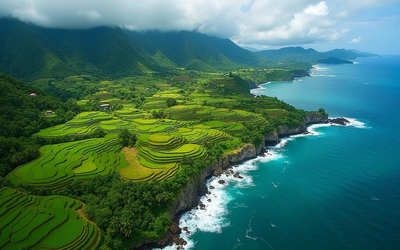
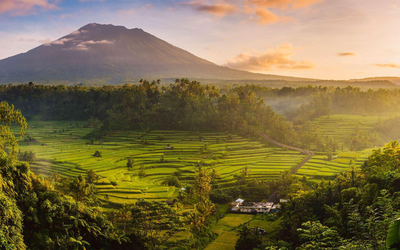
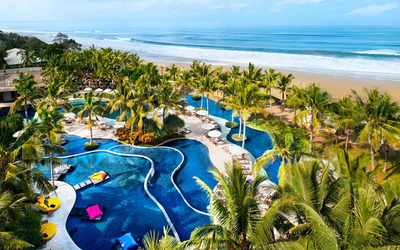
Bali offers a rare combination of natural beauty, cultural heritage and high-end hospitality. The Indonesian island is known for its tropical landscapes, ancient temples, beautiful beaches and distinctive approach to daily life. It also has a well-established luxury scene, with private villas, international resorts, fine dining restaurants and wellness retreats.
Yet Bali is not one single type of destination. Its regions have different characters, and the experience can change considerably from one area to another. Ubud is surrounded by rice fields and forest. Uluwatu is known for limestone cliffs and ocean views. Seminyak and Canggu attract visitors with restaurants, boutiques and beach clubs, while Nusa Dua offers large beachfront resorts.
This variety is one of Bali’s greatest strengths. Travellers can spend their days exploring temples, relaxing beside a private pool, enjoying traditional treatments or discovering the island’s food and craft traditions.
A successful luxury holiday starts with choosing the right location and allowing enough time to enjoy it. This guide covers the main areas, accommodation styles, dining, wellness and experiences to help plan a stay that reflects the best of Bali.
Understanding Bali and Its Distinctive Character
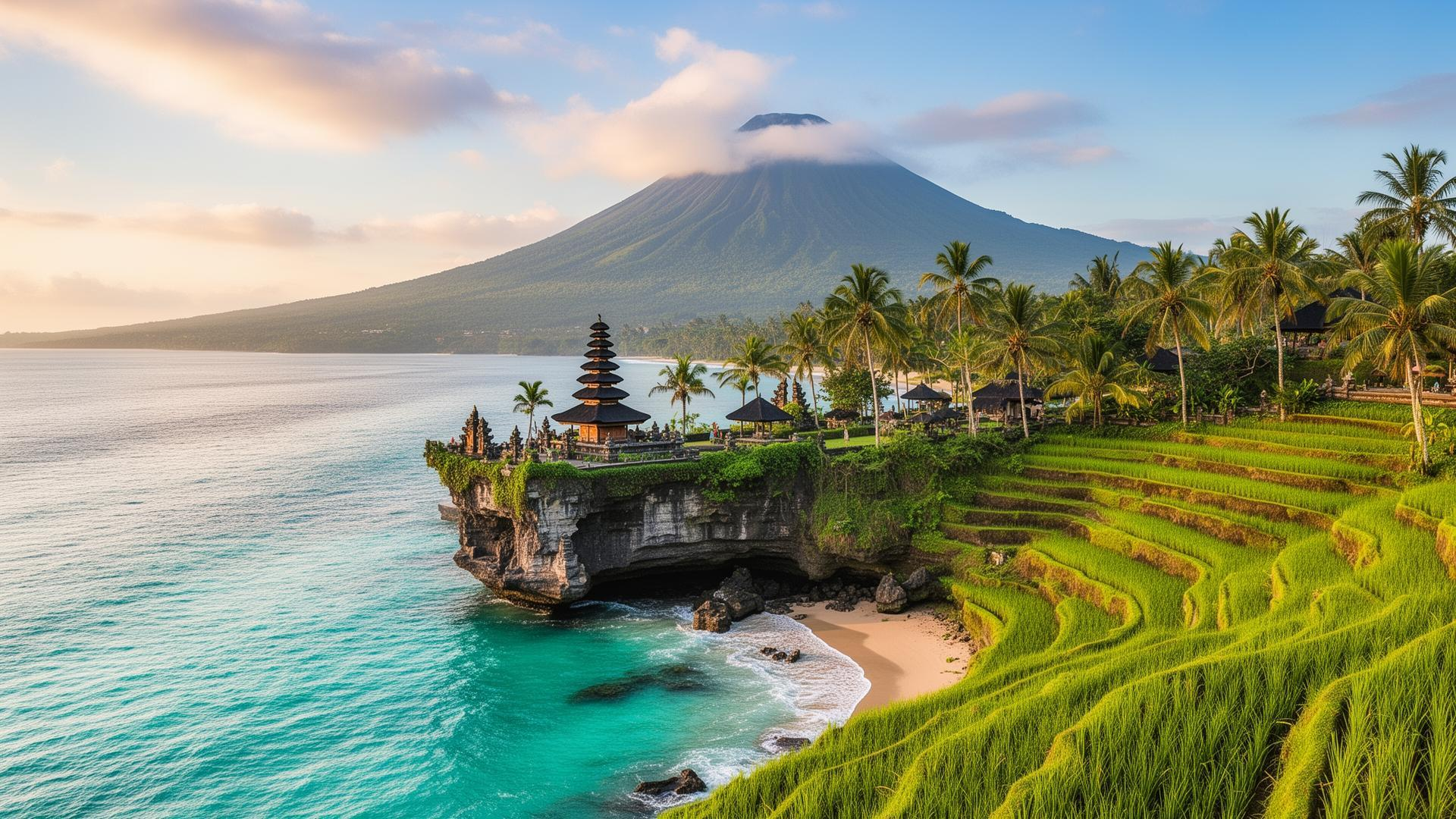
Bali is part of Indonesia, an archipelago in Southeast Asia. It lies between Java and Lombok and is one of the country’s best-known international destinations. Its landscape includes volcanic mountains, fertile valleys, rice terraces, tropical forests and a varied coastline.
The island is also distinctive for its Hindu culture. Temples, family shrines and daily offerings are part of the local environment. Ceremonies take place throughout the year, and visitors may see processions, decorations and offerings in streets and villages.
Balinese culture is closely connected to the idea of balance between people, nature and the spiritual world. This can be seen in traditional architecture, religious ceremonies and the organisation of village life. It also influences the island’s artistic traditions, from wood carving and stone sculpture to painting, textiles and dance.
For visitors, understanding this cultural context adds depth to a stay. Bali is not simply a beach destination. Its identity is closely tied to its communities, customs and religious heritage. Respectful behaviour is important, especially when visiting temples or attending ceremonies.
The island’s luxury hospitality has developed around this distinctive setting. Many resorts use local materials, traditional design details and Balinese landscaping. Others focus on contemporary architecture while maintaining a connection with the surrounding environment.
The result is a destination where international hospitality and local traditions often meet in a very visible way.
The Best Areas to Stay in Bali
Choosing where to stay is one of the most important decisions when planning a trip. Distances between regions can be longer than they appear on a map, particularly when traffic is heavy. It is therefore useful to select an area that matches the main purpose of the holiday.
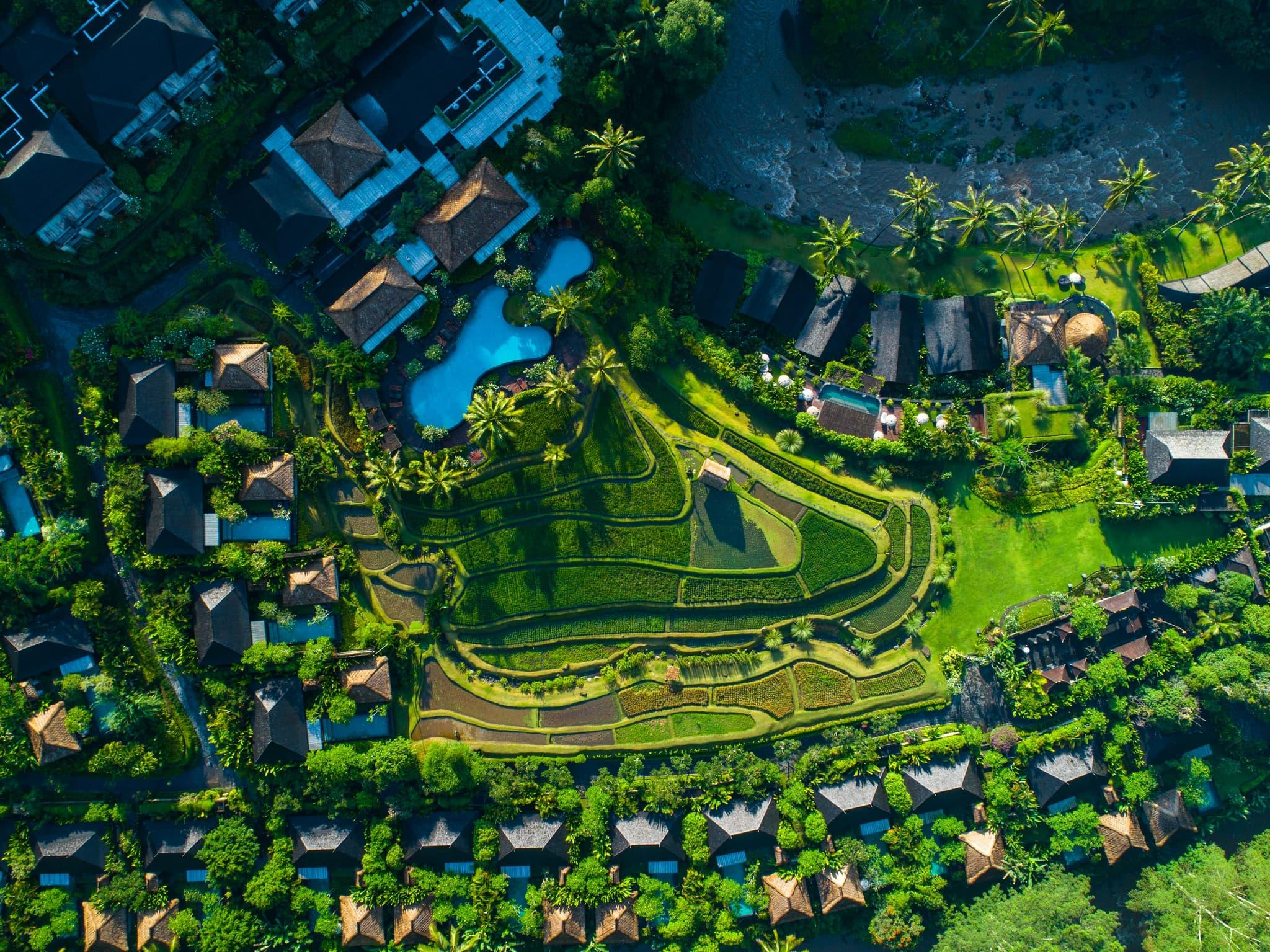
Ubud is one of the best choices for travellers interested in culture, nature and wellness. Located inland, it is surrounded by rice fields, forests and river valleys. The town has galleries, craft shops, restaurants and traditional performance venues. The surrounding area is also home to several luxury retreats, many with private pools and views across the landscape.
Uluwatu, on the southern Bukit Peninsula, offers a very different setting. Its limestone cliffs overlook the Indian Ocean, and its resorts often focus on privacy, private villas and panoramic views. The area is particularly appealing to couples and travellers who want a quieter coastal stay. Some beaches require steep access paths, and swimming conditions vary, so it is worth checking the location before booking.
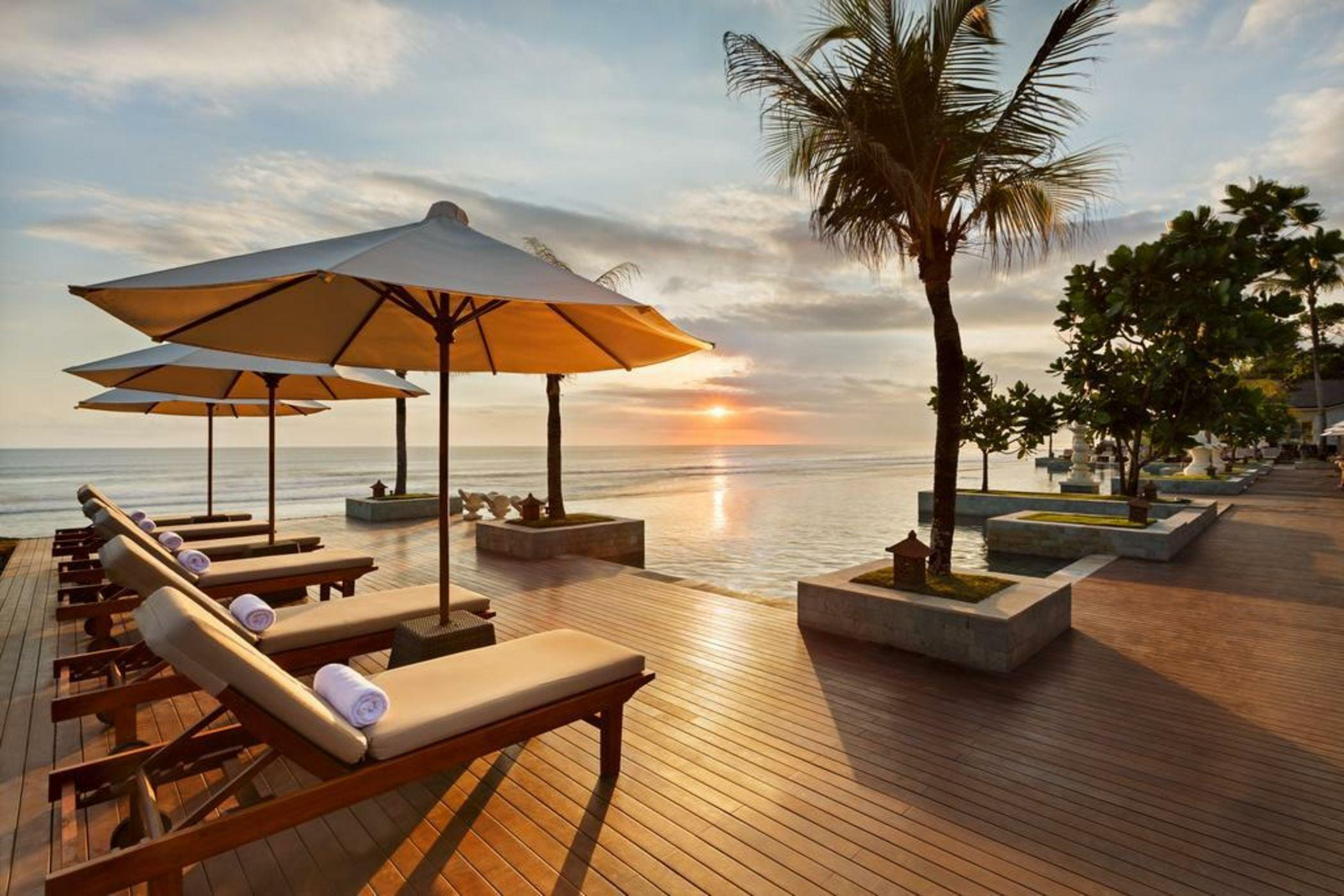
Seminyak is known for its restaurants, shopping and beach clubs. It offers a more social atmosphere than Ubud or Uluwatu, with a good choice of hotels and private villas. It is a practical base for travellers who want dining and entertainment close to their accommodation.
Canggu has a contemporary identity shaped by surfing, cafés, fitness studios and creative businesses. It attracts visitors who enjoy an active lifestyle and a wide choice of casual and international dining. Traffic can be heavy, especially around the main beach areas.
Nusa Dua is suited to a more traditional resort holiday. Its large hotels, landscaped grounds and beachfront facilities make it popular with families and travellers who prefer to spend much of their time within the resort. Jimbaran offers a more relaxed coastal atmosphere, with beachfront dining and luxury villas. Sanur is another option for visitors who prefer a calmer seaside setting.
For a more detailed comparison of the island’s regions, read Where to Stay in Bali: A Guide to the Island’s Best Areas.
The Finest Luxury Hotels and Resorts
Bali has a broad selection of luxury accommodation. The most suitable property depends on the preferred setting, level of privacy and style of service.
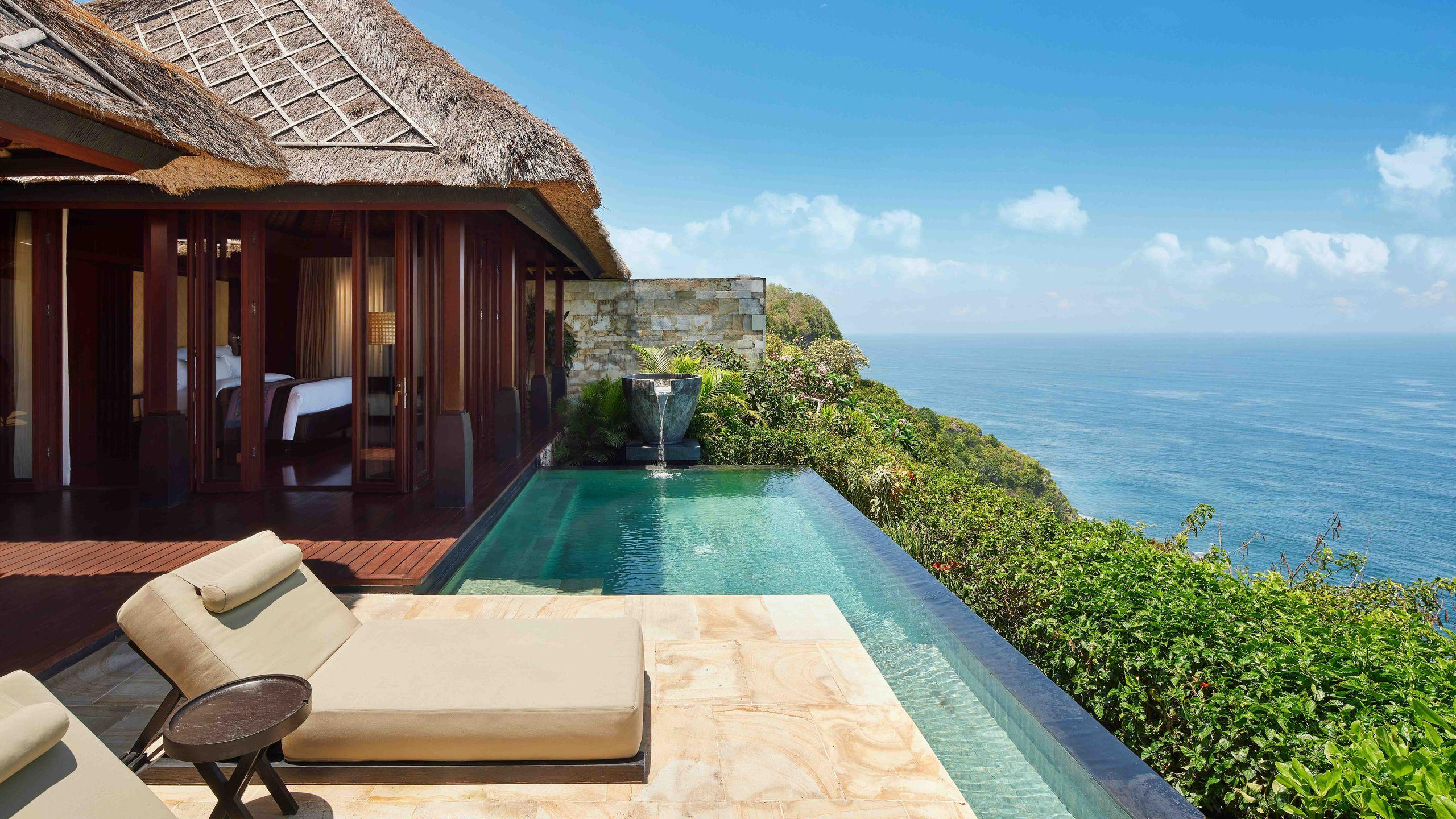
In Uluwatu, Bvlgari Resort Bali combines Italian design with Balinese craftsmanship. Its private villas, ocean views and cliffside location create a distinctive atmosphere. The resort also has access to a secluded beach below the property.
Four Seasons Resort Bali at Sayan is set above the Ayung River valley near Ubud. Its architecture and gardens are closely connected to the surrounding landscape. The resort is a strong choice for guests who want a nature-focused stay with the facilities and service of an established international hotel.
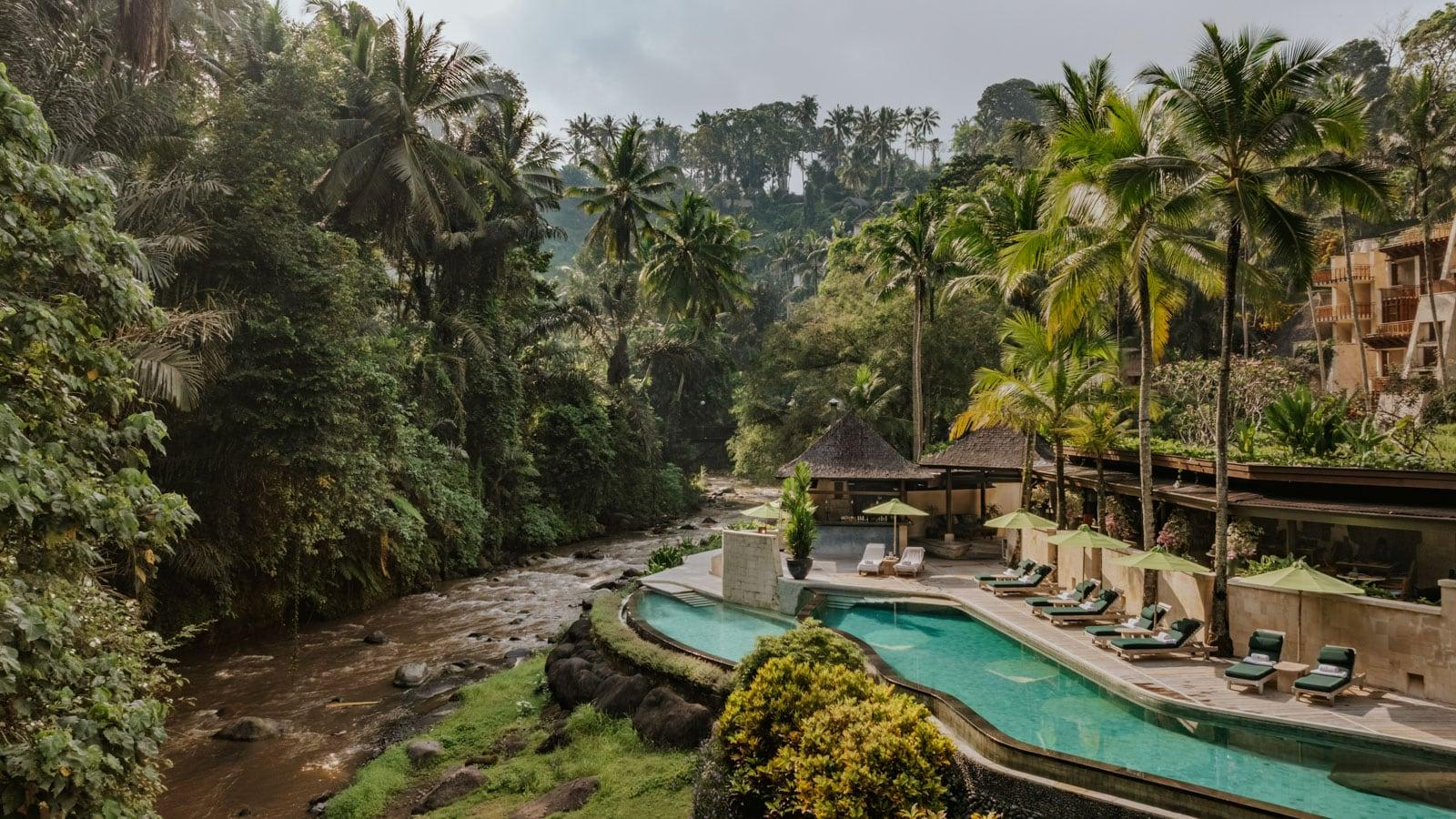
Mandapa, a Ritz-Carlton Reserve offers another secluded Ubud experience. Its villas and suites are positioned beside the river and rice fields, creating a peaceful setting for couples and families.
In Jimbaran, Raffles Bali offers private villas and a hillside position overlooking the bay. Four Seasons Resort Bali at Jimbaran Bay is another established choice, with accommodation set among tropical gardens close to the beach.
Nusa Dua has a strong collection of large beachfront properties. The St. Regis Bali Resort is known for its spacious accommodation and personalised service. The Apurva Kempinski Bali stands out for its grand architecture and extensive facilities.
Seminyak offers a more social hotel experience. The Legian Seminyak combines beachfront access with a quieter atmosphere, while W Bali – Seminyak is suited to guests who prefer a more energetic setting.
Travellers looking for a broader selection can explore Best Luxury Hotels & Resorts in Bali. Those who prefer smaller properties and a more individual atmosphere may also enjoy [internal link: Best Boutique Hotels in Bali].
Dining, Restaurants and Balinese Cuisine
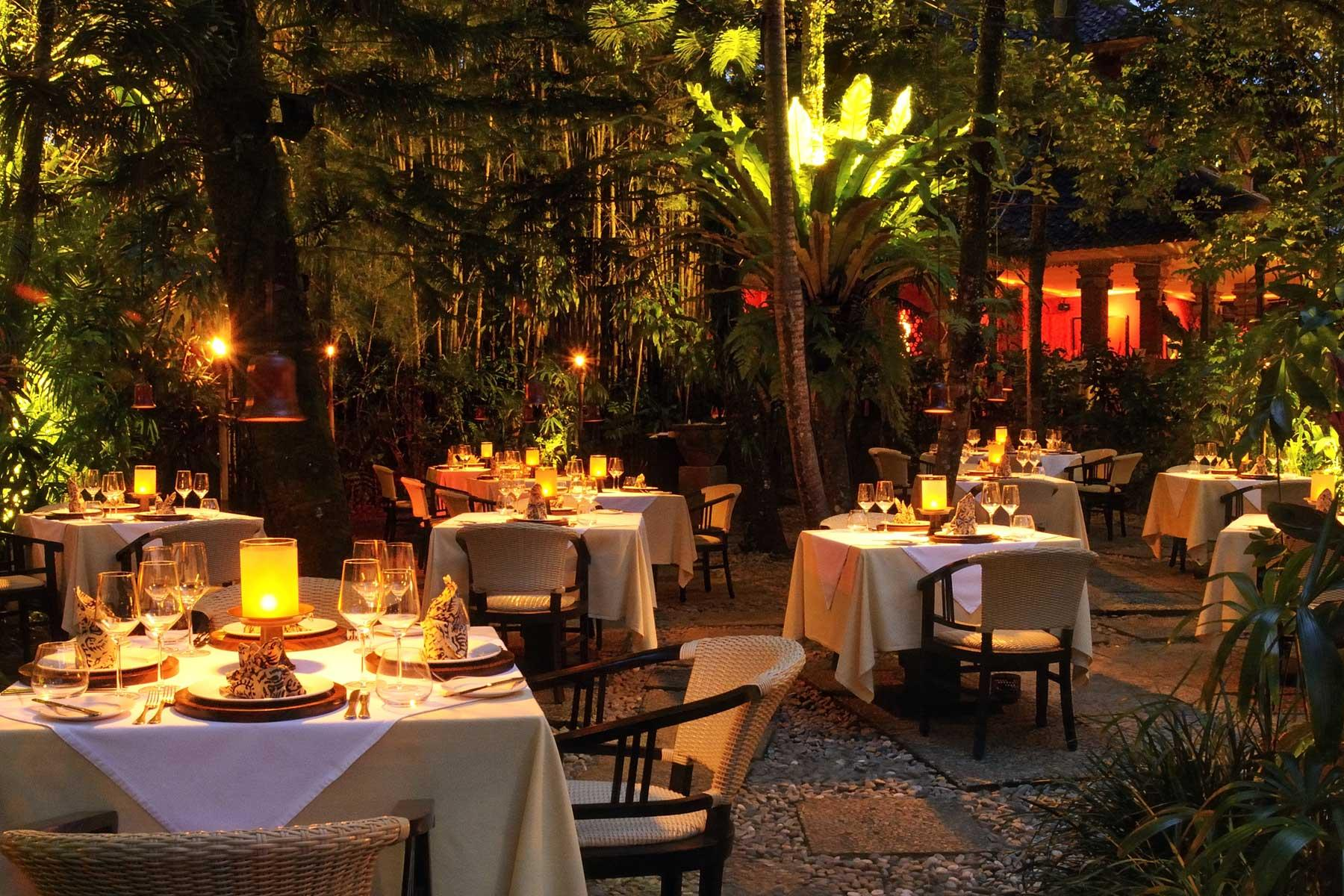
Food is an important part of the Bali experience. The island has a wide dining scene, from traditional warungs and local markets to contemporary restaurants and international fine dining. Luxury travellers can enjoy both Indonesian specialities and menus influenced by European, Japanese and other Asian cuisines.
Balinese cooking uses fresh herbs, spices, coconut, vegetables and a range of meats and seafood. Popular dishes include ayam betutu, slow-cooked chicken with aromatic spices, and bebek betutu, prepared with duck. Lawar is a traditional mixture of vegetables, herbs and other ingredients, while sate lilit consists of seasoned minced meat or fish wrapped around bamboo or lemongrass sticks.
Rice is central to many meals and has an important cultural role. Traditional markets and local restaurants offer an opportunity to discover everyday food beyond the international dining scene.
Seminyak and Canggu are particularly strong for contemporary restaurants and international cuisine. Ubud offers a mix of local dining, plant-focused menus and destination restaurants. Jimbaran is well known for seafood served close to the beach, while many luxury resorts have their own restaurants with views across gardens or the ocean.
Fine dining is also an important part of Bali’s hospitality scene. Some restaurants focus on Indonesian ingredients and regional cooking traditions, while others offer modern tasting menus and international techniques. Reservations are advisable for popular venues, particularly during busy travel periods.
For a more focused selection, see [internal link: Best Restaurants in Bali: A Luxury Dining Guide]. Travellers interested in local flavours can also explore [internal link: Best Indonesian Dining Experiences in Bali].
Wellness, Spas and Traditional Balinese Treatments
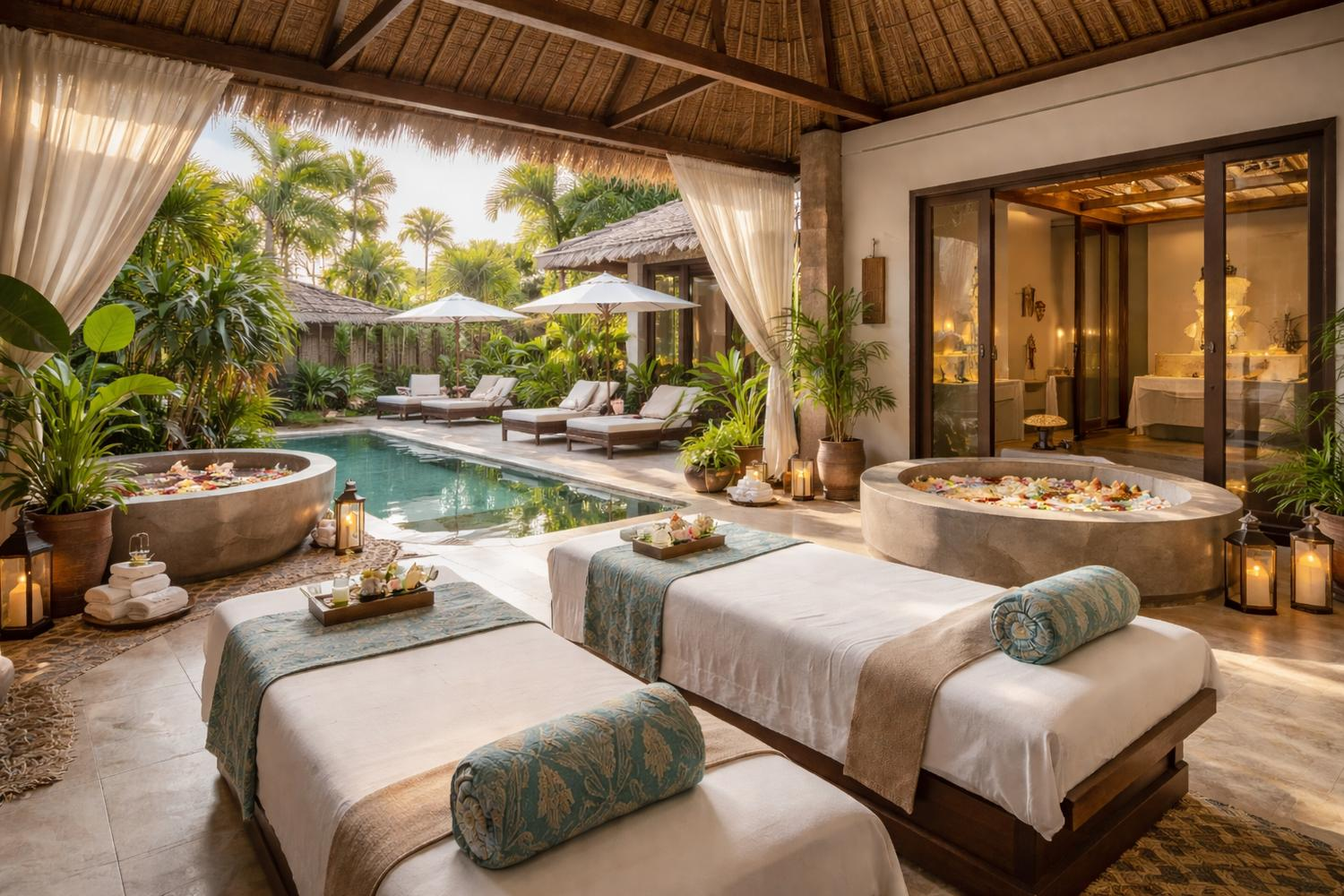
Bali has a strong reputation as a wellness destination. Its tropical setting, traditional treatments and wide choice of retreats attract visitors who want to slow down and focus on personal wellbeing.
The Balinese massage is among the island’s best-known treatments. It often combines long strokes, gentle stretching and pressure techniques. Treatments vary between providers, so guests should discuss their preferences and any areas of discomfort before a session.
Many luxury hotels have dedicated spas with treatment rooms, relaxation areas and products inspired by local ingredients. Some offer traditional body treatments, scrubs and flower baths. Others combine local techniques with international massage and skincare approaches.
Ubud is particularly well suited to longer wellness stays. Several retreats offer yoga, meditation, movement classes and personalised programmes. The surrounding landscape provides a peaceful setting for these activities, although the quality and scope of programmes vary between properties.
Coastal resorts also offer wellness facilities. Guests can arrange spa treatments, private yoga sessions and fitness activities without leaving their accommodation. For some travellers, this combination of relaxation and convenience is an important part of choosing a hotel.
It is useful to distinguish between a hotel spa and a dedicated wellness retreat. A spa usually offers treatments as part of a wider holiday experience. A retreat may place greater emphasis on daily routines, nutrition, movement and guided programmes.
For a wider overview, see [internal link: Best Luxury Spas & Wellness Retreats in Bali].
Beaches, Beach Clubs and Coastal Experiences
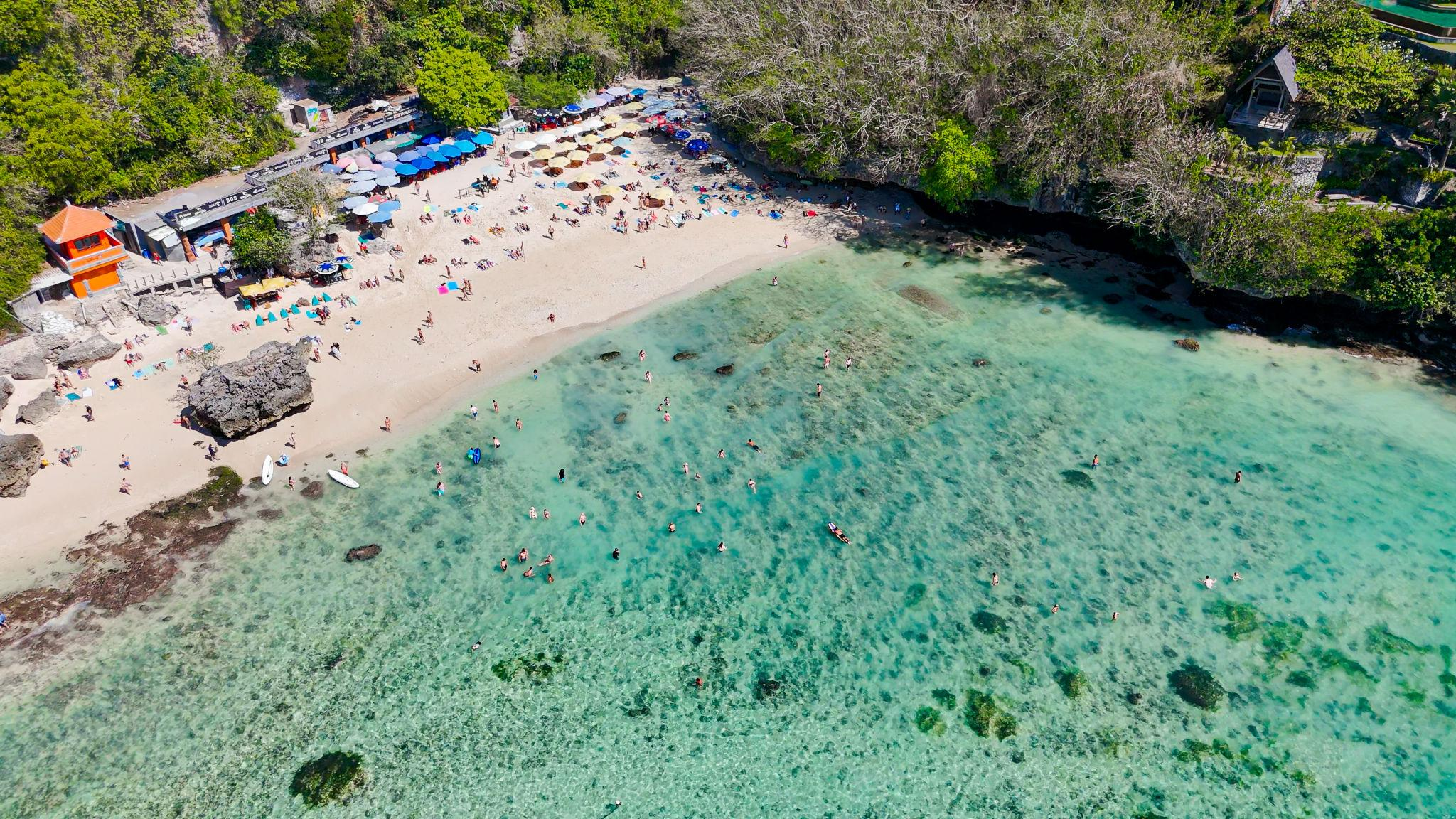
Bali’s coastline changes considerably from one region to another. Some beaches have long stretches of sand and resort facilities, while others sit below cliffs or are known mainly for surfing.
Nusa Dua is one of the more convenient areas for a traditional beach holiday. Several hotels have direct access to sandy beaches, and the coastline is generally more sheltered than some of the island’s exposed western shores. Conditions still depend on tides and weather.
Uluwatu has a more dramatic coastline. Beaches such as Padang Padang, Bingin and Balangan are known for their natural settings and surf culture. Access can involve steep steps, and the sea is not always suitable for swimming. Visitors should follow local advice and pay attention to conditions.
Seminyak and Canggu are popular for sunset walks and beach clubs. Their beaches are often busy, and the waves attract surfers. The beach clubs provide a more organised setting for spending an afternoon by the sea, with pools, dining and music.
Jimbaran is known for its broad bay and beachfront restaurants. Sanur offers a calmer coastal atmosphere, with a promenade and access to boat services for nearby islands.
Beach clubs are a major part of Bali’s contemporary lifestyle. Some are large social venues with pools and music, while others offer a quieter dining experience beside the water. It is worth checking entrance policies, minimum spending requirements and reservation conditions before visiting.
Travellers seeking a more relaxed beach experience can explore [internal link: The Best Beaches in Bali: A Luxury Travel Guide], while those interested in coastal dining and social venues may prefer [internal link: Best Beach Clubs in Bali].
Culture, Temples and Local Traditions
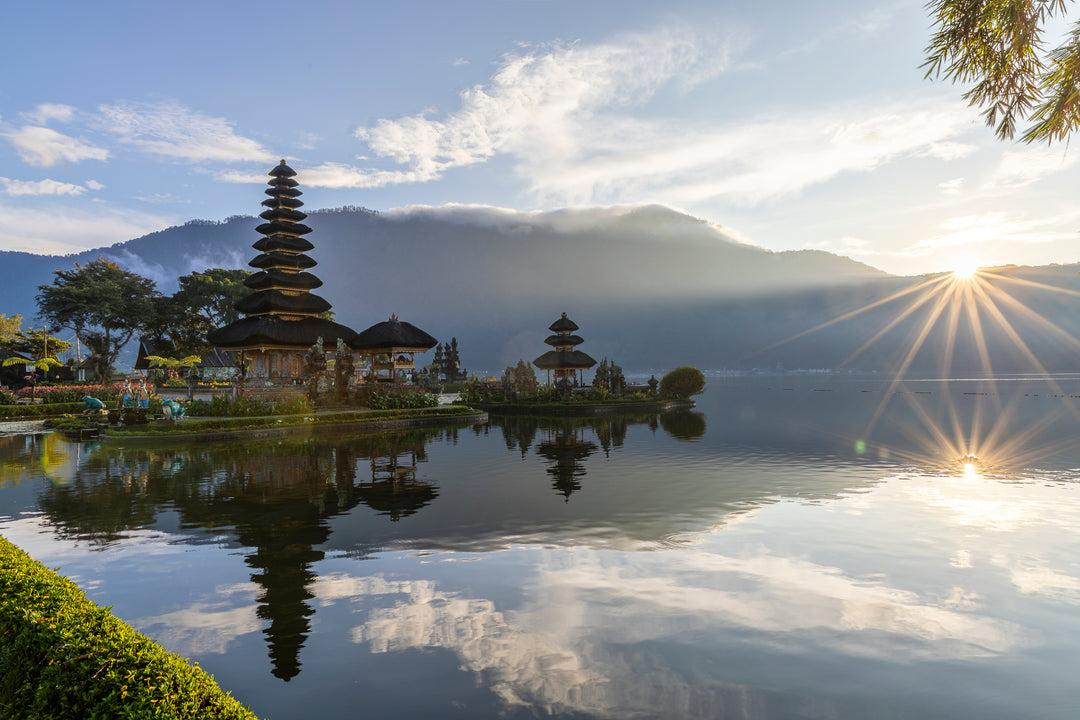
Bali’s cultural heritage is one of the main reasons to explore beyond the resorts. Temples, ceremonies, traditional villages and artistic communities offer insight into the island’s history and daily life.
Pura Luhur Uluwatu is among Bali’s most recognised temples. Set on a cliff above the Indian Ocean, it is known for its location and evening Kecak performances. Visitors should dress respectfully and follow the rules at the temple entrance.
Pura Ulun Danu Beratan, located beside Lake Beratan in the central highlands, is another well-known landmark. Its setting among mountains and water makes it one of the island’s most photographed temples.
Near Ubud, visitors can explore traditional villages, craft workshops and local markets. The area has a long connection with painting, wood carving, stone sculpture and other forms of artistic expression. Some workshops offer demonstrations, allowing visitors to learn more about the techniques behind local crafts.
Religious ceremonies are part of everyday life in Bali. Visitors may encounter offerings on pavements, decorated streets or processions near temples. These moments should be observed with care. Photography should never interrupt a ceremony, and visitors should follow local guidance about access and appropriate clothing.
A cultural visit can also include traditional dance performances and music. These are not simply tourist attractions; they are part of a wider artistic tradition that remains important to Balinese communities.
For travellers who want to understand more of the island’s heritage, [internal link: Best Cultural Experiences in Bali] offers a useful starting point.
Nature, Adventure and Island Excursions
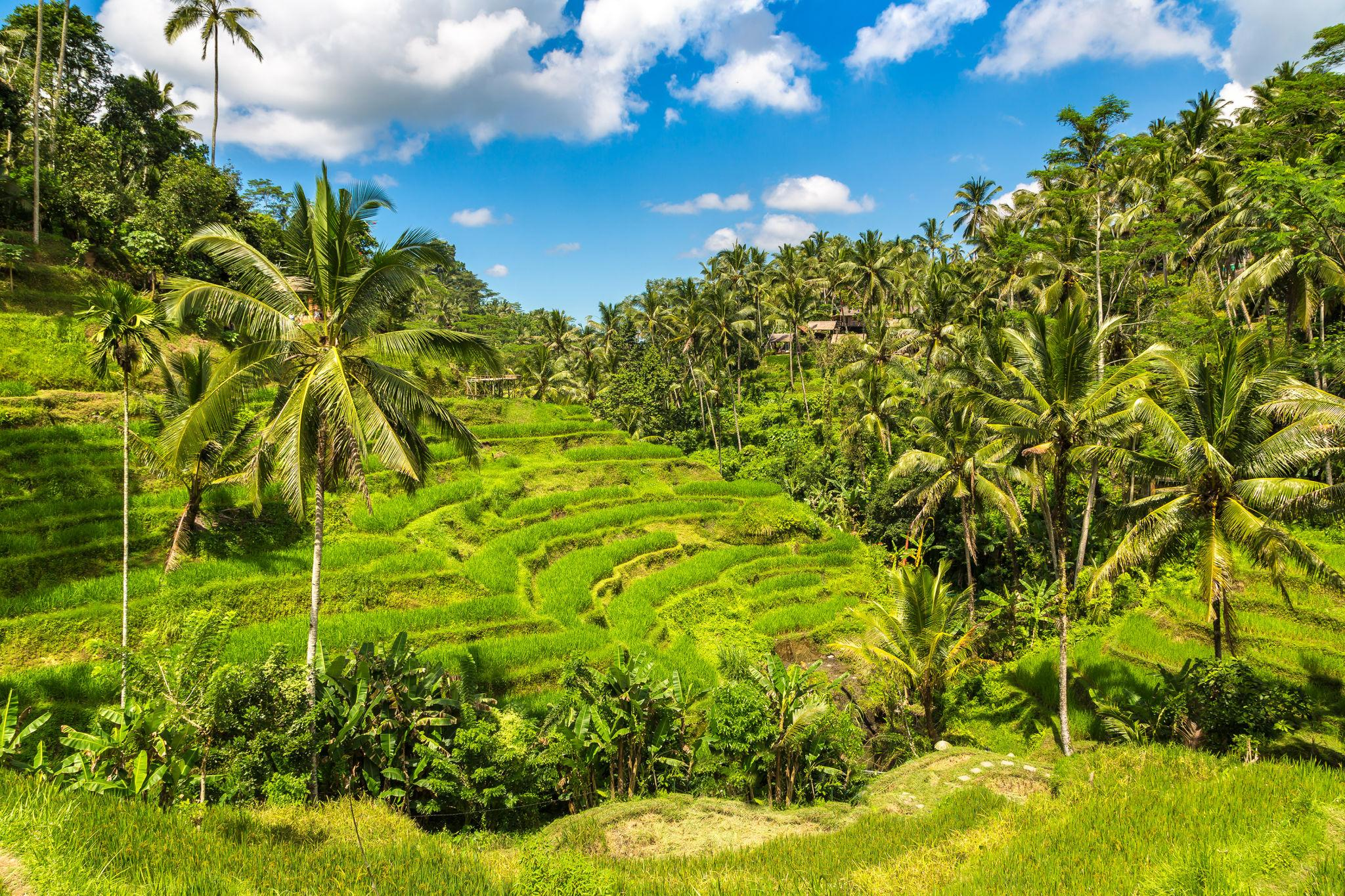
Bali’s natural attractions extend well beyond its beaches. Rice terraces, waterfalls, volcanic landscapes and forest trails offer many ways to explore the island.
The rice terraces around Tegallalang, north of Ubud, are among the best-known landscapes. Their stepped fields show how agriculture has shaped the island over generations. Visitors can walk along sections of the terraces, although some paths are steep and may become slippery after rain.
Waterfalls are another popular attraction. Tegenungan is relatively accessible from Ubud, while other falls require longer drives and walks. Visiting early in the day can help avoid the busiest periods. Local conditions should always be checked, particularly after heavy rain.
Mount Batur is a well-known destination for sunrise trekking. The climb usually starts before dawn, with visitors reaching the summit around sunrise when conditions allow. The route requires a reasonable level of fitness, suitable footwear and a local guide. Those who prefer not to hike can explore the surrounding volcanic region and nearby villages.
The islands around Bali offer further opportunities. Nusa Penida is known for its steep coastal landscapes and clear water, while Nusa Lembongan has a more relaxed atmosphere. Boat trips can be arranged from several ports, but sea conditions and crossing times should be considered. A private boat or organised excursion can make the experience more comfortable, although it does not remove the effects of changing weather.
Diving and snorkelling are also popular. Locations such as Nusa Penida and the eastern coast attract visitors interested in marine life. Conditions vary by season and site, so choosing a reputable operator is important.
Travellers who want to explore beyond the main resort areas can find more ideas in [internal link: Best Nature & Adventure Experiences in Bali] and [internal link: Exploring the Nusa Islands: A Guide to Exclusive Island Experiences].
Shopping, Craftsmanship and Contemporary Design
Shopping in Bali ranges from international fashion boutiques to small workshops selling locally made objects. Seminyak is one of the main areas for contemporary fashion, homeware and lifestyle stores. Canggu has a similar mix, with a strong focus on independent labels and creative businesses.
Ubud offers a different experience. Its markets and galleries feature paintings, textiles, wood carvings, ceramics and decorative objects. Visitors can also find workshops where artisans continue traditional techniques.
Silver jewellery is particularly associated with areas such as Celuk, where family-run workshops have developed a long tradition of metalworking. Batik and handwoven textiles are also important parts of Indonesian craftsmanship. These pieces can make meaningful purchases, especially when bought directly from established artisans.
For a more considered shopping experience, it is worth looking beyond mass-produced souvenirs. Small galleries, independent designers and craft studios offer a closer connection with the people and skills behind each object.
Bali’s contemporary design scene is also visible in its hotels, restaurants and cultural spaces. Architecture often combines local stone, timber and traditional forms with modern materials and open layouts. This approach has helped create a distinctive visual identity across the island.
The shopping experience can therefore be part of a wider cultural visit. Travellers can discover local techniques, meet makers and find objects that reflect the island’s artistic traditions.
When to Visit Bali and How to Plan Your Stay
Bali has a tropical climate, with warm temperatures throughout the year. The main seasonal difference is between the drier months and the wetter period.
The dry season generally runs from around April to October. These months are often preferred for beach holidays, outdoor activities and sightseeing. July and August are particularly popular, so hotels and flights can be more expensive and popular areas busier.
The wetter season usually runs from November to March. Rain can be heavy at times, but it does not necessarily last all day. The island remains green, and some travellers prefer this period because visitor numbers can be lower outside major holiday dates.
Weather patterns can vary, and seasonal dates are not exact. Travellers planning outdoor activities should check local forecasts closer to departure. For a detailed seasonal overview, see [internal link: When to Visit Bali: Weather, Seasons & Best Travel Periods].
The length of the stay also matters. A short visit of three or four days is usually best focused on one area. A week allows time to combine two destinations, such as Ubud and Uluwatu. With ten days or more, visitors can consider adding Jimbaran, Nusa Dua, Sanur or the quieter eastern regions.
Travel times should be planned carefully. Traffic around southern Bali can be slow, particularly at busy times. It is often more comfortable to arrange a private driver for day trips rather than relying on several short taxi journeys.
Before departure, travellers should also check current Indonesian entry requirements, visa rules, local regulations and any health guidance relevant to their nationality. Requirements can change, so official government sources should be consulted before booking and again before travelling.
A More Considered Way to Experience Bali
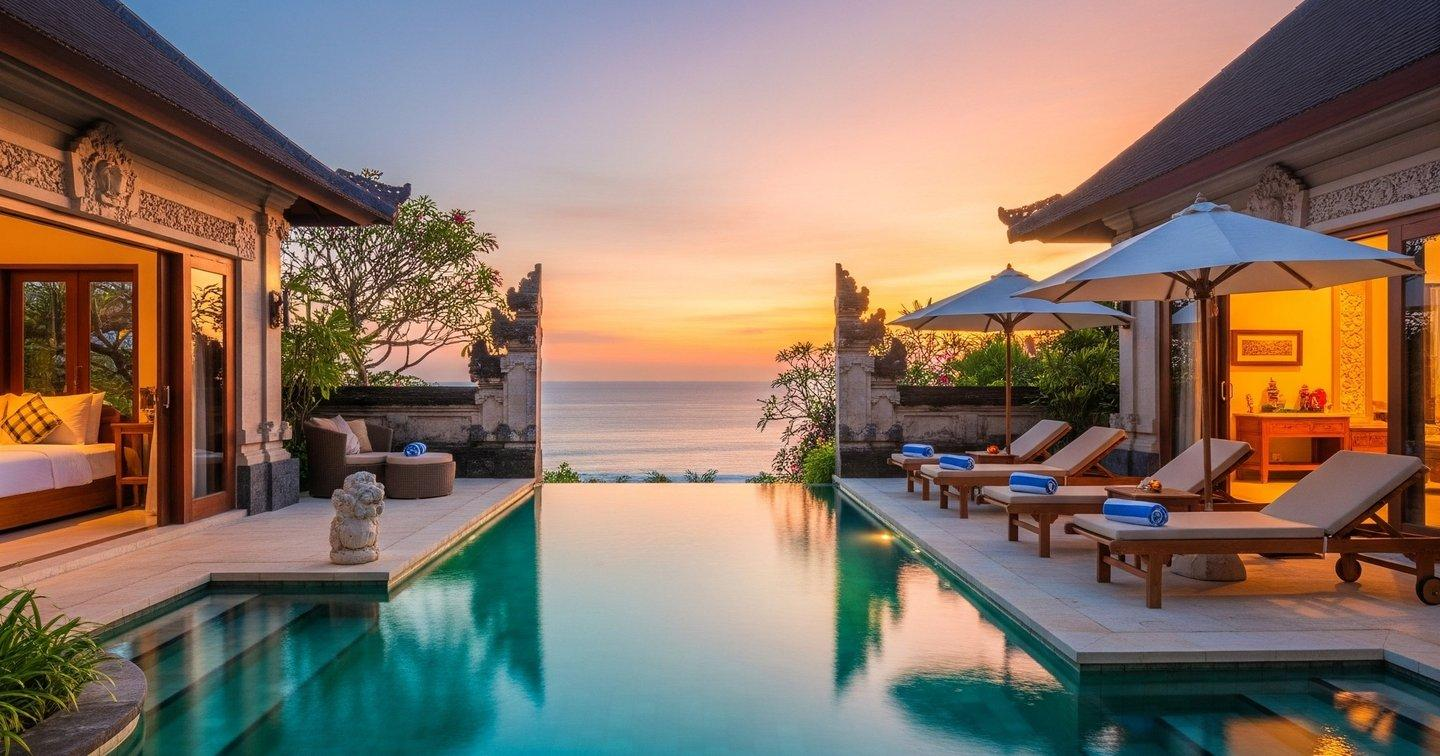
Bali rewards travellers who allow time to experience its different sides. Its luxury hotels and resorts provide comfort and privacy, but the island’s appeal goes beyond accommodation. Culture, food, nature and local craftsmanship all contribute to its identity.
For some visitors, the ideal stay is a private villa overlooking the ocean. Others may prefer a retreat among rice fields, a beachfront hotel or a boutique property close to restaurants and galleries. There is no single best way to experience the island.
A well-planned journey can combine different settings without becoming rushed. A few nights in Ubud followed by time on the southern coast offers a good introduction. Longer stays can include the east of Bali or one of the nearby islands.
The most rewarding experiences often come from balancing time at the resort with opportunities to explore. A temple visit, a meal at a local restaurant or a meeting with an artisan can add a deeper understanding of the destination.
Bali remains one of Southeast Asia’s most varied luxury destinations. Its strongest appeal lies in this combination of natural beauty, cultural depth and hospitality. Choosing the right area and travelling at a comfortable pace makes it easier to appreciate all three.
Frequently Asked Questions
What is the best area to stay in Bali for a luxury holiday?
Ubud is ideal for nature, culture and wellness. Uluwatu is known for clifftop resorts and ocean views, while Nusa Dua offers large beachfront hotels. Seminyak and Canggu are better suited to travellers who want restaurants, shopping and beach clubs nearby.
How many days are enough for a luxury trip to Bali?
Seven days is a good starting point. It allows time to experience two different areas without changing hotels too often. Ten to fourteen days provides more time for inland retreats, coastal resorts and excursions to nearby islands.
What is the best time of year to visit Bali?
The dry season, generally from April to October, is popular for outdoor activities and beach holidays. The wetter months, from November to March, can still be suitable for travel, although rain is more frequent.
Is Bali suitable for a private villa holiday?
Yes. Bali has a wide choice of private villas, from residences in Ubud’s countryside to ocean-view properties in Uluwatu and coastal homes near Seminyak. Travellers should check the location, services and transport arrangements before booking.
Can Bali be combined with a visit to nearby islands?
Yes. Nusa Penida and Nusa Lembongan are popular choices for day trips or longer stays. Boat journeys depend on sea conditions, so travellers should allow flexibility in their plans.