Bali offers very different experiences depending on where you choose to stay. One part of the island is known for jungle landscapes, temples and wellness retreats. Another attracts visitors with beach clubs, restaurants and designer boutiques. Further south, dramatic cliffs overlook the Indian Ocean, while purpose-built resort areas offer a more relaxed beach holiday.
Choosing the right location is therefore just as important as choosing the hotel. A beautiful property may not suit a traveller who wants to explore restaurants on foot. A quiet villa in the hills may be perfect for a private escape but less convenient for someone who wants to spend every day by the sea.
For a first visit, it is worth understanding the character of Bali’s main areas before making a reservation. Ubud, Uluwatu, Seminyak, Canggu and Nusa Dua are among the most popular choices, but Jimbaran, Sanur and the island’s quieter eastern regions also deserve attention.
This guide explores the atmosphere, accommodation and advantages of each destination to help travellers find the right base for their stay.
Ubud: Culture, Nature and Wellness
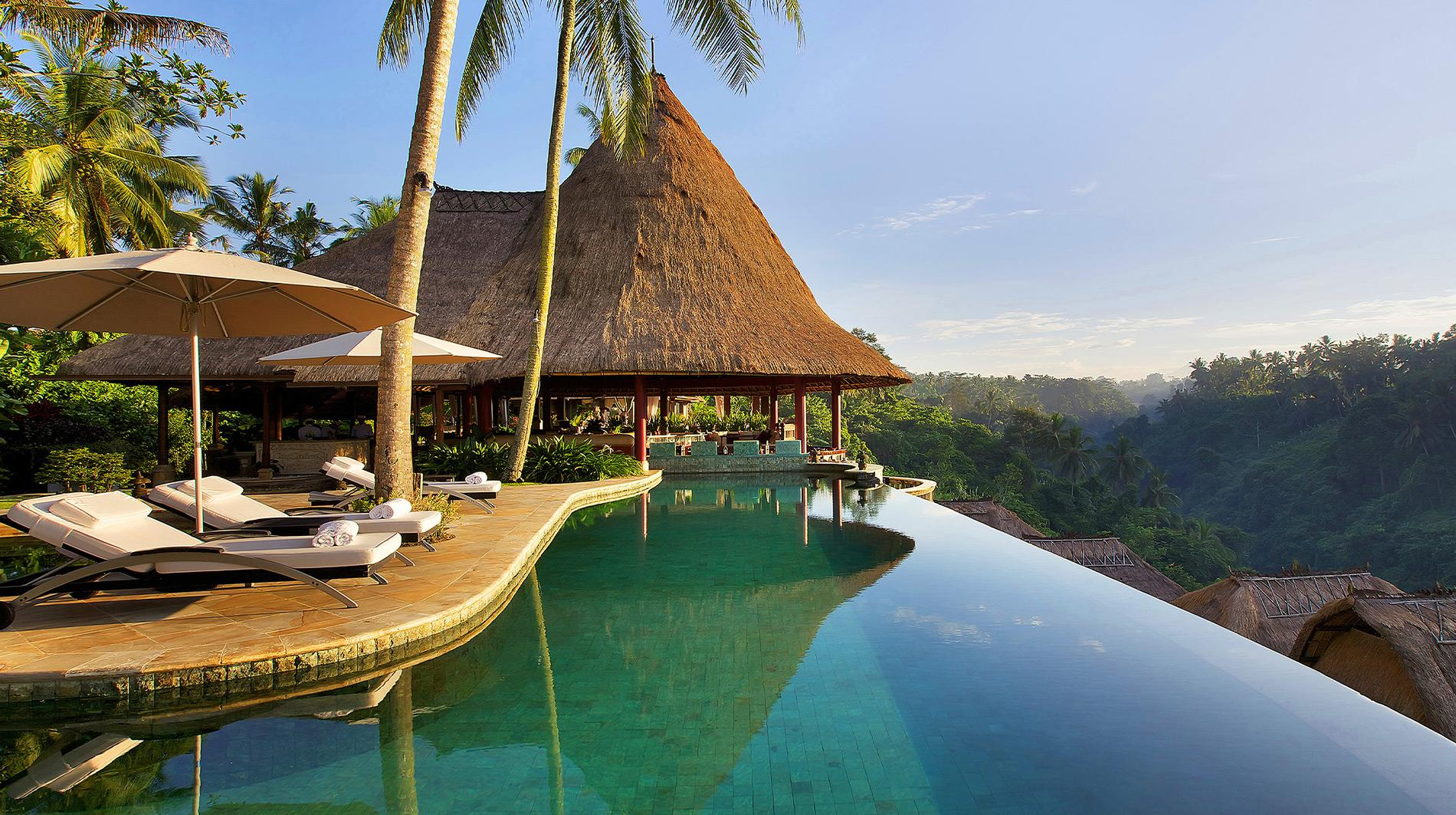
Ubud is one of Bali’s best-known inland destinations. Surrounded by tropical vegetation, rice fields and river valleys, it offers a different atmosphere from the island’s coastal resorts. The area is closely associated with Balinese art, traditional crafts, dance, spirituality and wellness.
The town centre has galleries, small boutiques, cafés and restaurants. Visitors can explore Ubud Palace, attend traditional dance performances and visit nearby temples. The Sacred Monkey Forest Sanctuary is another recognised attraction, combining a forest environment with temples and cultural significance.
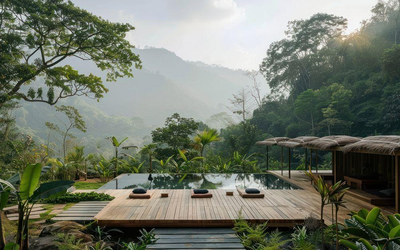
Beyond the centre, the landscape becomes quieter. Areas such as Sayan, Kedewatan and the Ayung River valley are known for their secluded resorts and views across tropical greenery. Some properties are built into the hillsides, with private pools and open terraces overlooking the forest.
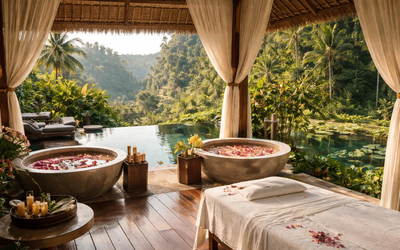
Ubud is particularly suitable for couples, wellness travellers and visitors interested in Balinese culture. Many luxury hotels offer spa treatments, yoga sessions, meditation and locally inspired dining. It is also a good base for exploring rice terraces, traditional villages and temples in central Bali.
However, Ubud is inland. Travellers who want to swim in the sea every day should choose a coastal destination or combine Ubud with a beach stay. The town centre can also become busy, so a hotel outside the main streets may offer a more peaceful experience.
For a stay focused on nature, culture and relaxation, Ubud remains one of Bali’s most distinctive choices.
Uluwatu: Clifftop Luxury and Ocean Views

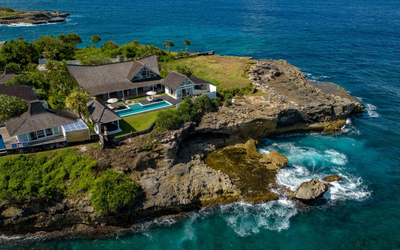
Uluwatu occupies the southern Bukit Peninsula, where limestone cliffs rise above the Indian Ocean. Its landscape is one of the most dramatic on the island. The area is known for surf breaks, secluded coves, sunset viewpoints and luxury resorts positioned above the water.
Accommodation is spread across several locations, including Pecatu, Bingin, Padang Padang and Balangan. Each has a slightly different character. Some areas are closely connected to surfing, while others are better suited to private villas and high-end resorts.
Uluwatu is an appealing choice for couples and travellers seeking privacy. Many of its leading properties focus on spacious villas, infinity pools, open-air living and panoramic ocean views. The setting often becomes a central part of the stay, with the landscape visible from restaurants, terraces and private accommodation.
The area also has a strong cultural attraction. Pura Luhur Uluwatu stands on a cliff overlooking the sea and is one of Bali’s important Hindu temples. The traditional Kecak dance performed in the temple area at sunset is a memorable cultural experience.
The coastline is beautiful, but not every beach is easy to reach. Some require steep stairways, and ocean conditions can make swimming unsuitable at certain times. Uluwatu is also less walkable than Seminyak. A private driver or organised transport can make exploring the area much easier.
For travellers who value dramatic scenery, secluded accommodation and a quieter luxury atmosphere, Uluwatu is one of Bali’s strongest options.
Seminyak: Dining, Shopping and Beach Clubs
Seminyak is one of Bali’s most established upscale coastal destinations. It combines a long beach with restaurants, boutiques, beach clubs and a wide selection of hotels and private villas. Its atmosphere is more social than Ubud or Uluwatu, making it suitable for travellers who want variety close to their accommodation.
The area is particularly well known for dining. Visitors can choose from international restaurants, contemporary Indonesian cuisine, casual cafés and refined dining venues. Beach clubs provide another part of the experience, with swimming pools, music and sunset views over the Indian Ocean.
Shopping is also a major attraction. Seminyak has independent fashion boutiques, lifestyle stores, interior design shops and galleries. The streets around the main shopping areas offer plenty of opportunities to explore on foot, although traffic can make short journeys slower than expected.
Accommodation ranges from international luxury hotels to private villas hidden behind garden walls. Villas are especially popular with couples and groups who want their own pool and more personal space. Hotels closer to the beach are better suited to guests who want easy access to restaurants and sunset venues.
Seminyak works well for first-time visitors who want a convenient mix of beach life, dining and shopping. It is also a practical choice for travellers who prefer to have several activities within a relatively compact area.
The main drawback is its popularity. Traffic, busy streets and crowded beach areas can affect the experience, especially during peak travel periods. Guests seeking complete seclusion may prefer Uluwatu or a more remote resort.
Canggu: Contemporary Lifestyle and Surf Culture

Canggu has developed into one of Bali’s most recognisable lifestyle destinations. Its identity is shaped by surfing, cafés, creative businesses, fitness studios and a younger international community. The area attracts visitors who want a relaxed daily routine with plenty of places to eat, exercise and socialise.
The coastline includes several dark-sand beaches, with surf breaks that attract both experienced surfers and beginners. Batu Bolong, Echo Beach and Berawa are among the best-known areas. The beaches are more closely associated with surfing and sunset walks than with calm swimming.
Canggu’s food scene is another reason for its popularity. International restaurants sit alongside Indonesian cafés, bakeries and casual dining venues. The area also has a strong wellness culture, with yoga studios, gyms and holistic health spaces.
Accommodation includes boutique hotels, contemporary villas and private residences. Some properties are surrounded by rice fields, while others are closer to the beach and social areas. Travellers staying for several weeks may appreciate the combination of cafés, fitness facilities and everyday services.
Canggu is best suited to visitors who enjoy an active and social environment. It can also appeal to couples and groups who want a contemporary Bali experience rather than a traditional resort holiday.
Its popularity has brought challenges. Roads can become congested, construction continues in some parts and the atmosphere is not always peaceful. Travellers seeking a quiet retreat should consider staying outside the busiest areas, such as Pererenan, while checking how far their accommodation is from the places they intend to visit.
Nusa Dua: Refined Resorts and Relaxed Beaches
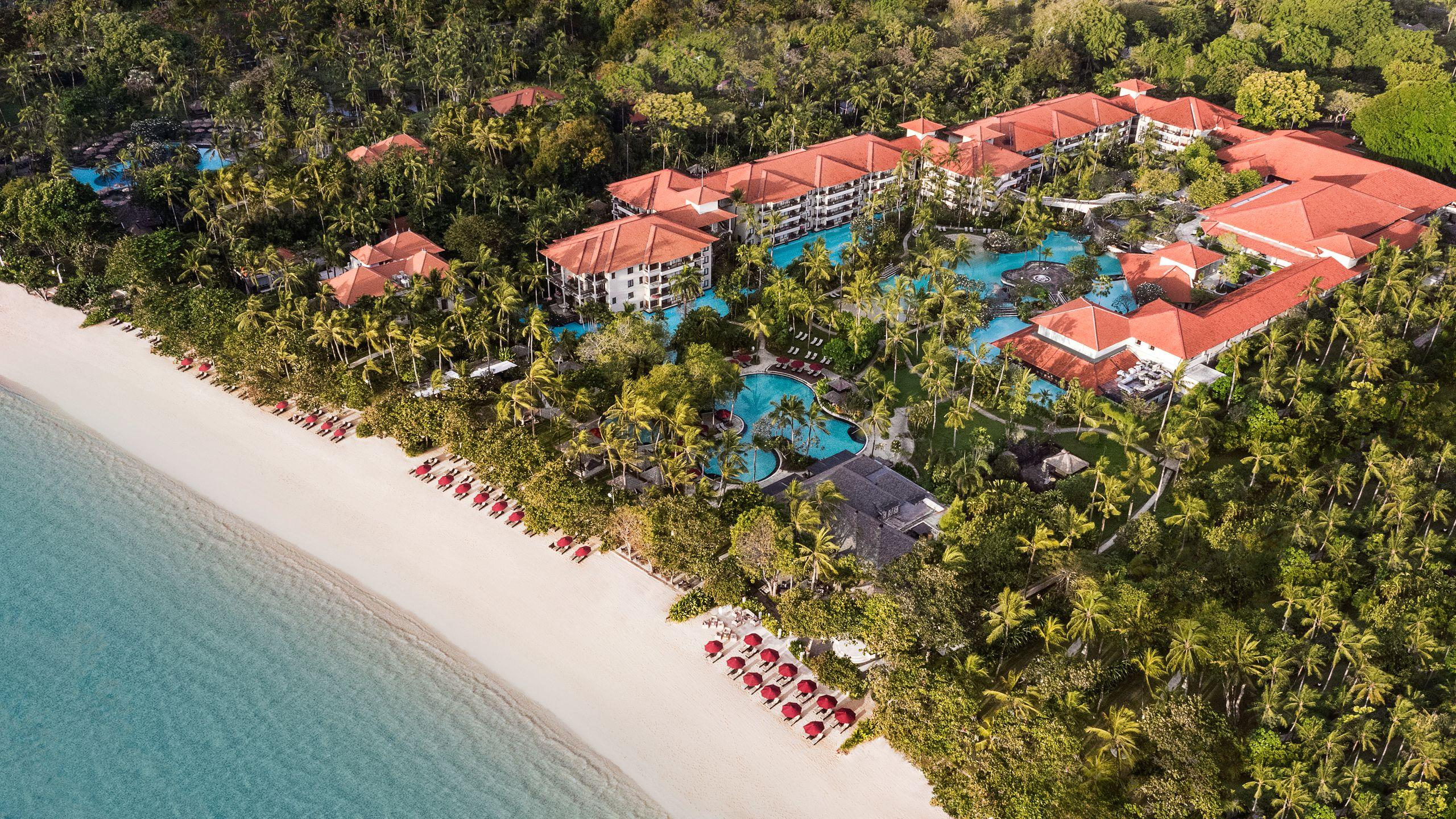
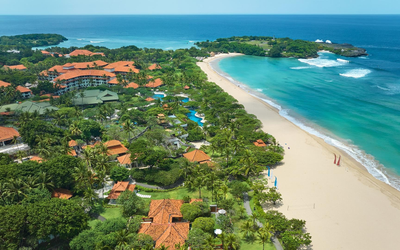
Nusa Dua offers a different approach to luxury travel. Located on Bali’s southeastern coast, it is known for its planned resort environment, landscaped grounds and large beachfront hotels. The area is particularly suitable for travellers who want comfort, convenience and a relaxed beach holiday.
Many properties have direct access to the coast, with swimming pools, gardens, restaurants and extensive facilities. International hotel groups have a strong presence here, and several resorts offer a complete holiday experience within their grounds.
The beaches are an important attraction. Compared with the exposed surf coastline of Uluwatu, parts of Nusa Dua have calmer water and broad sandy stretches. Conditions still depend on tides and weather, but the area is generally more suited to traditional resort beach activities.
Nusa Dua is a strong option for families, couples and travellers who prefer an organised environment. Many hotels offer children’s facilities, water activities, wellness programmes and several dining choices. It is also a popular setting for weddings, conferences and private events.
The atmosphere is more contained than in Seminyak or Canggu. Visitors looking for independent boutiques, lively streets and a strong local nightlife scene may find it less engaging. However, those who value a well-equipped resort and easy access to the beach may appreciate precisely this sense of separation.
Nusa Dua is particularly suitable for a relaxing stay where the hotel itself plays a central role in the holiday.
Jimbaran: Coastal Dining and a More Relaxed Atmosphere
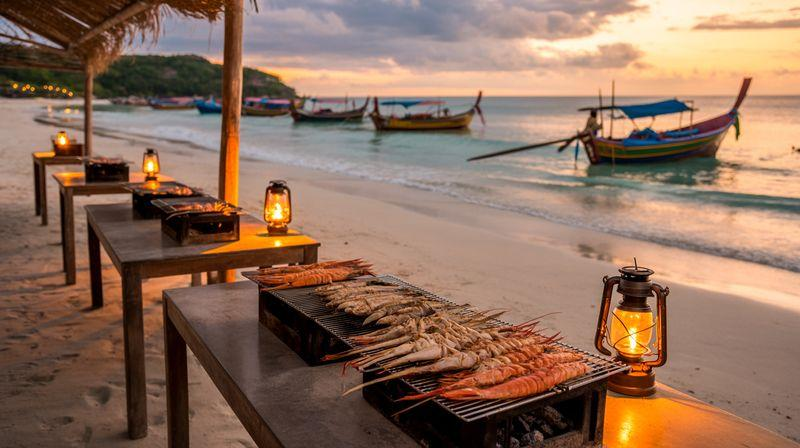
Jimbaran sits on Bali’s southwestern coast, south of the airport. It is known for its broad bay, seafood restaurants and more relaxed atmosphere. Compared with Seminyak and Canggu, it feels less focused on nightlife and social venues.
The beach is central to the area’s identity. Traditional seafood restaurants line parts of the shoreline, where guests can enjoy dinner close to the water. Sunset is a particularly attractive time to visit, when the bay takes on warm colours and the fishing boats become part of the coastal scene.
Accommodation ranges from international luxury resorts to private villas set on the hills above the bay. Some properties offer direct beach access, while others provide elevated views across the coastline. The area is also convenient for travellers who want to remain relatively close to the airport.
Jimbaran is a good choice for couples, families and visitors who enjoy seafood and a quieter coastal setting. It can also work well as the first or final stop of a Bali itinerary, reducing transfer time after arrival or before departure.
The area has fewer shopping and nightlife options than Seminyak. Travellers looking for a more active social scene may prefer another destination, but Jimbaran offers a pleasant balance between resort comfort and local coastal character.
Sanur: A Calm Coastal Base
Sanur is located on Bali’s southeastern coast and has a long-established reputation as a relaxed seaside destination. Its atmosphere is quieter than that of the island’s main western beach areas. A beachfront promenade, traditional fishing boats and a selection of cafés and restaurants give the area a more settled character.
The coastline is protected by an offshore reef, which can create calmer water than on some of Bali’s exposed surf beaches. Swimming conditions still vary with tides and weather, but Sanur is often considered a practical choice for families and travellers who prefer gentle beach activities.
Accommodation includes established beachfront hotels, smaller boutique properties and private villas. The area is less focused on large-scale nightlife, which makes it suitable for visitors who prefer peaceful evenings and a slower pace.
Sanur is also an important departure point for fast boats to nearby islands, including Nusa Penida and Nusa Lembongan. This makes it useful for travellers planning island excursions as part of their stay.
It may not offer the dramatic cliffs of Uluwatu or the dining scene of Seminyak, but Sanur has a clear appeal. It is a comfortable base for families, older travellers and visitors who want a relaxed coastal holiday with convenient services.
Sidemen and East Bali: A Quieter Island Experience

Travellers who want to move beyond Bali’s best-known resort areas should consider the island’s east. Sidemen, in particular, offers a slower experience shaped by rice terraces, traditional villages and views towards Mount Agung.
The landscape is one of its greatest attractions. Green valleys, small farms and quiet country roads create a setting that feels far removed from the busy southern coast. Accommodation is often smaller in scale, with boutique hotels and private villas designed around the surrounding scenery.
Sidemen is a good choice for couples, nature lovers and travellers who value privacy. It also offers opportunities to discover traditional weaving, local crafts and village life. The area is less developed than Ubud, so visitors should expect fewer restaurants, shops and organised activities.
Further east, Amed is known for its coastline, diving and snorkelling. The area has a more laid-back atmosphere, with small hotels and villas facing the sea. Its underwater landscapes and access to coral reefs make it especially interesting for visitors who want to spend time in the water.
These destinations are not the most convenient bases for a short first visit. Distances from the main southern resort areas are considerable, and the journey can take time. However, they offer a different perspective on Bali and can be rewarding additions to a longer itinerary.
Choosing the Right Area for Your Stay
The best place to stay in Bali depends on the type of holiday you have in mind. Each area offers a different balance of scenery, accommodation, dining and activities. A useful starting point is to decide what you want to experience most.
Ubud is a strong choice for culture, wellness and tropical landscapes. Uluwatu suits travellers who prefer ocean views, private villas and dramatic beaches. Seminyak offers a broad choice of restaurants, boutiques and beach clubs, while Canggu has a more contemporary and social atmosphere.
Nusa Dua is particularly suitable for a resort-focused holiday, especially for families. Jimbaran offers a relaxed coastal setting and convenient airport access. Sanur is a practical choice for calm beach days and boat connections. Sidemen and Amed are better suited to visitors who want to explore quieter parts of the island.
Accommodation should also influence the decision. A private villa in the hills may offer exceptional privacy, but it may require a driver for most outings. A beachfront resort can make swimming and dining easier, while a hotel in Seminyak may allow guests to reach several restaurants and shops on foot.
Travellers comparing different properties can also explore Best Luxury Hotels & Resorts in Bali for a broader selection of high-end accommodation across the island.
Choosing Between One Area and Multiple Destinations
For a short holiday, choosing one well-positioned base can make the trip more comfortable. It reduces transfers and allows more time to enjoy the hotel and its surroundings. This approach works particularly well for travellers who want a resort holiday rather than a full island tour.
For a longer stay, combining two areas can provide a more complete experience. Ubud and Uluwatu make a good pairing for visitors who want both inland landscapes and a dramatic coastline. Ubud and Seminyak offer a mix of culture, dining and beach life. Ubud and Nusa Dua suit travellers who want to combine exploration with a more relaxed resort stay.
A week or more also allows time to consider Sidemen, Sanur or the eastern coast. These areas can add a quieter dimension to a journey, although they require more planning.
It is important not to underestimate travel times. Bali’s roads can become congested, particularly around popular southern destinations. A journey that appears short on a map may take much longer during busy periods. Moving between hotels too frequently can therefore reduce the time available to enjoy the island.
The most effective itinerary is usually one that gives each destination enough time. Rather than changing accommodation every night, choose locations that reflect the experiences you value most.
For a wider overview of the island’s landscapes, culture and experiences, see Bali: The Complete Luxury Travel Guide. Travellers interested in a more secluded side of the island can also explore Bali’s Hidden Gems: The Island’s Most Remarkable Places.
Frequently Asked Questions
What is the best area to stay in Bali for a first visit?
Ubud combined with a coastal destination is a good option for a first visit. Ubud offers culture, nature and wellness, while Seminyak, Uluwatu or Nusa Dua provides a different beach experience. The right combination depends on whether you prefer dining and nightlife, dramatic scenery or a resort-focused holiday.
Where should couples stay in Bali?
Uluwatu is an appealing choice for couples seeking private villas, ocean views and a quieter atmosphere. Ubud is another strong option, particularly for wellness retreats and nature. Seminyak suits couples who prefer restaurants, shopping and beach clubs.
Which area in Bali is best for families?
Nusa Dua is a popular choice because of its large resorts, hotel facilities and beach environment. Sanur is another option, with a calmer atmosphere and a beachfront promenade. Families should always check beach conditions and the facilities offered by their chosen hotel.
Is Ubud a good place to stay if you want to visit the beach?
Ubud is inland and does not have a beach. Visitors can arrange day trips to the coast, but the journey takes time. Travellers who want regular beach access may prefer to divide their stay between Ubud and a coastal area.
How many areas should you visit during a week in Bali?
For a seven-day trip, two areas are usually enough. A combination such as Ubud and Uluwatu, or Ubud and Seminyak, allows visitors to experience different sides of the island without spending too much time travelling between hotels.