Bali offers a distinctive shopping experience that combines international luxury brands, independent designers and traditional craftsmanship. Across the island, visitors can find contemporary fashion, fine jewellery, handmade accessories, art, homeware and decorative objects. The selection ranges from elegant boutiques in Seminyak to specialist craft workshops in the villages around Ubud.
Unlike some major luxury shopping capitals, Bali is not defined by large department stores or extensive designer retail districts. Its appeal lies in the variety of its independent shops and the relationship between shopping, design and local culture. International labels sit alongside Indonesian brands, while traditional materials and techniques inspire many contemporary collections.
For luxury travellers, the island offers opportunities to discover pieces that are both stylish and distinctive. A visit may include browsing fashion boutiques, finding handcrafted silver jewellery, exploring art galleries or selecting objects for a home. Knowing where to look makes it easier to find quality products and avoid spending too much time in general souvenir markets.
Seminyak: Bali’s Main Luxury Shopping District
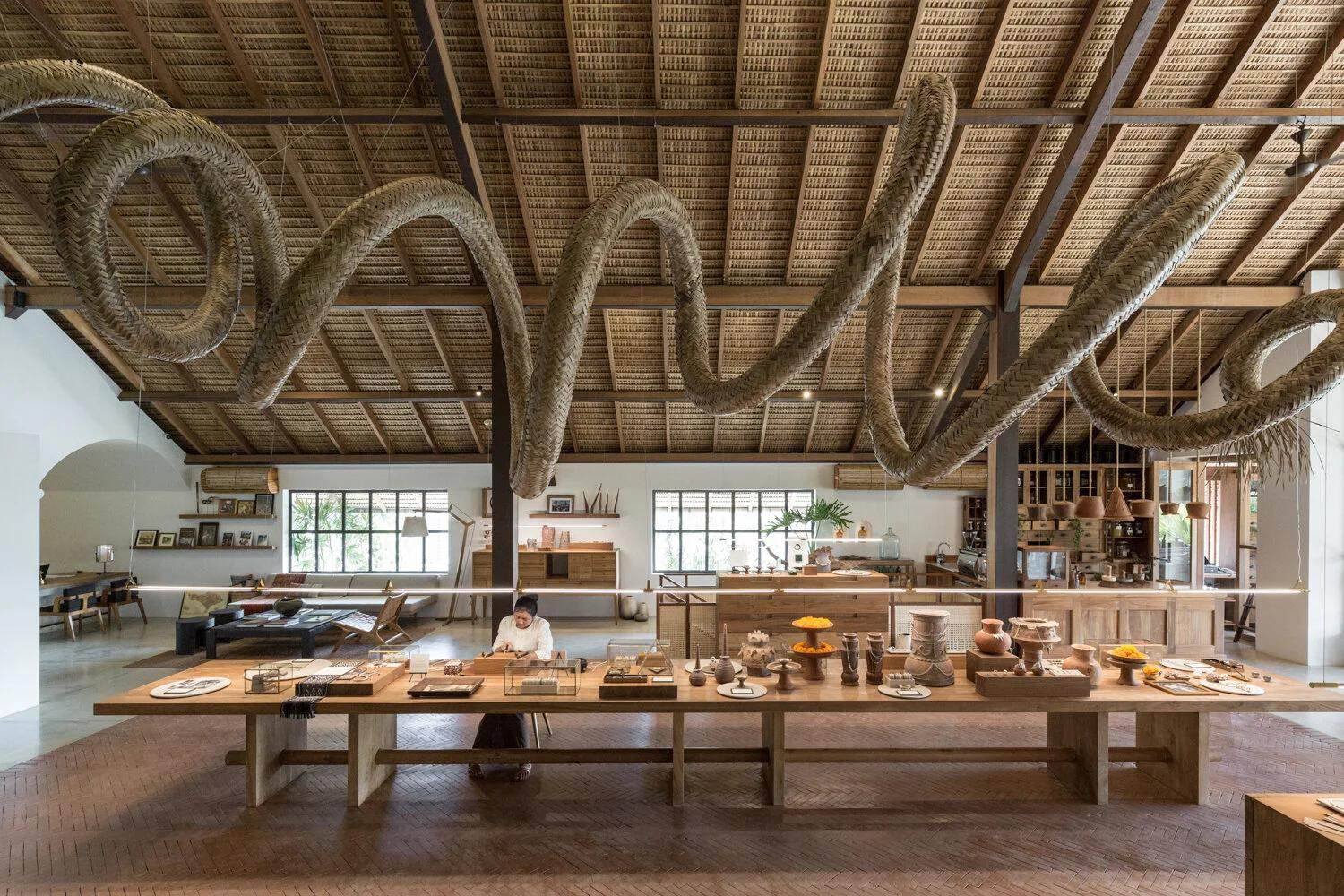
Seminyak is one of the island’s most established shopping destinations. Its streets bring together fashion boutiques, jewellery stores, interior design shops and lifestyle concepts. The atmosphere is more relaxed than that of a traditional luxury retail district, but the range of independent labels and carefully selected products makes it particularly interesting.
Jalan Kayu Aya, often known as Eat Street, is one of the main areas to explore. It has a concentration of boutiques, restaurants and lifestyle stores, making it easy to combine shopping with lunch or an evening out. Nearby streets also contain smaller shops selling clothing, accessories, homeware and locally designed products.
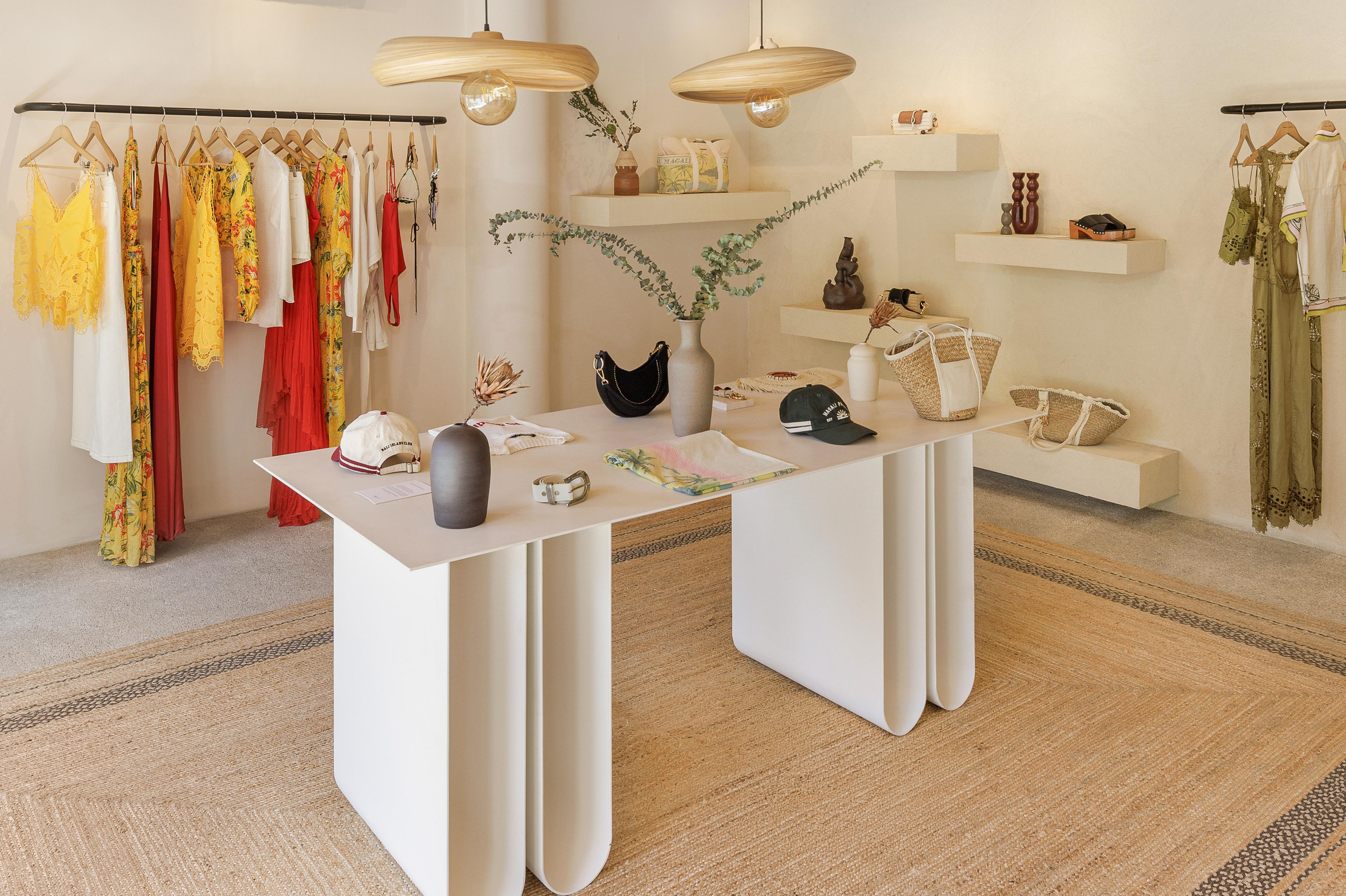
Seminyak is a good place to discover Indonesian fashion labels alongside international influences. Many boutiques focus on resort wear, lightweight clothing and accessories suited to the island’s climate. Linen, cotton, natural fabrics and relaxed silhouettes are common, although the selection varies between stores.
The area is also worth exploring for home accessories and decorative objects. Independent retailers offer furniture, lighting, ceramics, textiles and pieces made from natural materials. Some products are locally produced, while others come from different parts of Indonesia and Southeast Asia.
Rather than visiting only the busiest shopping streets, take time to explore the smaller lanes. Some of the most interesting boutiques are independent businesses with carefully selected collections. Seminyak is particularly suitable for travellers who enjoy discovering new designers and distinctive pieces rather than following a conventional luxury brand list.
Canggu: Contemporary Fashion and Independent Design
Canggu has developed a retail identity shaped by its international community, surf culture and independent creative businesses. Its shopping scene is less formal than Seminyak’s, with a strong presence of concept stores, local labels, sustainable fashion and lifestyle products.
The area around Batu Bolong and nearby streets is a useful starting point. Visitors can find clothing boutiques, swimwear, accessories, homeware and products from Indonesian designers. Many stores focus on casual luxury, combining practical pieces with contemporary design.
Canggu is particularly interesting for resort clothing. The selection includes beachwear, dresses, linen shirts, handmade accessories and relaxed pieces suited to warm weather. Some labels use natural materials or work with local makers, creating collections that reflect the island’s lifestyle.
The area’s concept stores also bring together different creative disciplines. Fashion may sit alongside ceramics, books, artwork, skincare and interior accessories. This makes shopping feel more like exploring a collection of independent ideas than visiting a conventional retail centre.
For travellers interested in emerging labels and contemporary design, Canggu offers a different experience from Seminyak. Its atmosphere is informal, but the range of independent products can make it a worthwhile stop during a stay in the southern part of Bali.
Ubud: Art, Craftsmanship and Meaningful Purchases
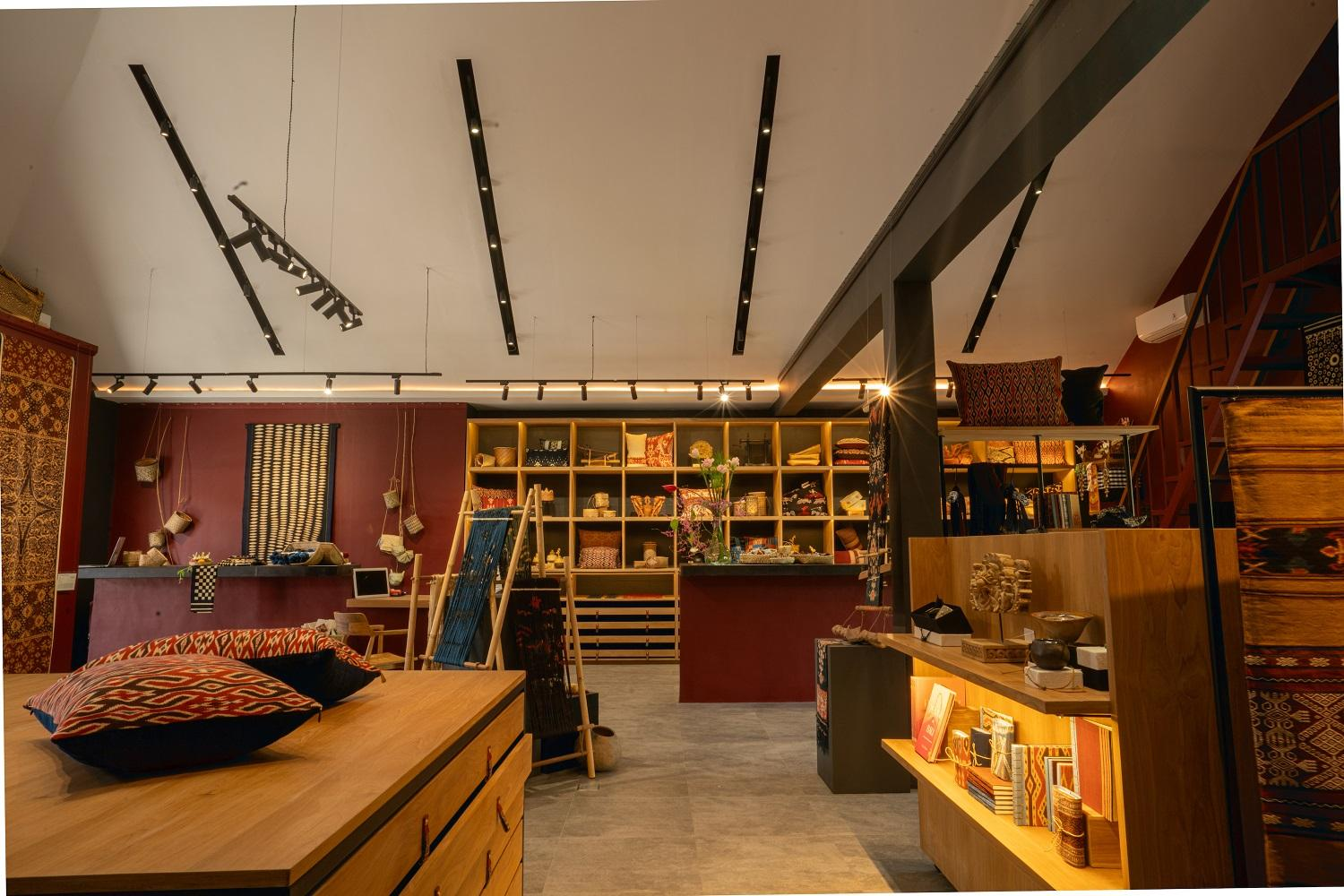
Ubud is one of the best places in Bali to discover traditional craftsmanship and locally made products. Its shopping scene is closely connected to the island’s artistic heritage, with galleries, workshops and markets offering textiles, jewellery, woodcarving, ceramics and decorative objects.
Ubud Art Market is a well-known starting point. It offers a broad selection of baskets, fabrics, accessories, clothing and souvenirs. Quality varies between stalls, so it is worth comparing products and asking about their origin. Visitors who want more specialist pieces should also explore independent boutiques and craft studios around the town.
The surrounding villages provide a closer connection with individual crafts. Celuk is known for silver and gold jewellery, while Mas has a long association with woodcarving. Nearby workshops produce objects ranging from small decorative pieces to larger sculptures and bespoke commissions.
Ubud is also a good place to explore contemporary art. Its galleries offer paintings, photography and sculpture by Balinese, Indonesian and international artists. Some venues focus on traditional styles, while others present more modern interpretations of the island’s creative identity.
For travellers who value originality and craftsmanship, Ubud can be more rewarding than a conventional shopping district. A handmade textile, a piece of silver jewellery or an original artwork may offer a stronger connection with Bali than a mass-produced souvenir.
For more specialist recommendations, see Bali’s Finest Jewellery, Artisan Crafts & Traditional Design and Best Art Galleries in Bali.
Fine Jewellery and Exclusive Accessories
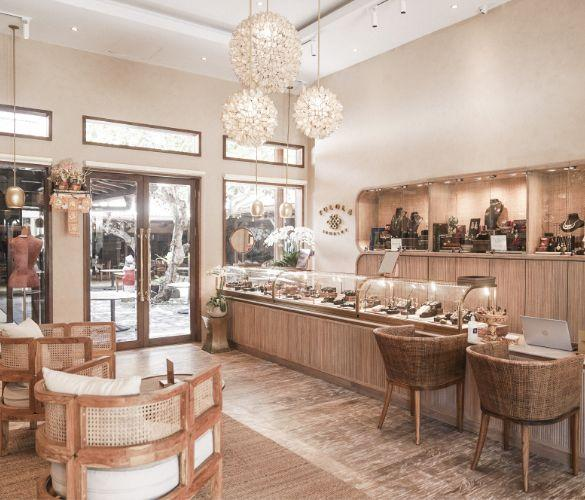
Jewellery is one of the most interesting categories for luxury shoppers in Bali. The island has a long tradition of silver and gold craftsmanship, supported by workshops that continue to use established techniques. Contemporary designers have also developed collections that combine traditional details with modern forms.
Celuk is the most recognised destination for traditional Balinese silverwork. Its workshops produce rings, bracelets, earrings, pendants and necklaces, often using techniques such as filigree and granulation. Some artisans also work with gold and gemstones, offering more elaborate pieces and custom designs.
Seminyak and Canggu provide a different selection. Their boutiques often focus on contemporary jewellery, including pieces by Indonesian designers and independent labels. The styles range from understated everyday accessories to statement designs suited to resort wear and special occasions.
When buying fine jewellery, ask about the metal content, gemstones and production process. Request clear information about the materials and a receipt describing the item. If a piece is custom-made, confirm the design, price and completion time before placing an order.
Accessories are another category worth exploring. Handcrafted bags, leather goods, woven pieces and contemporary sandals are widely available. The quality can vary, so examine the materials, stitching and finishing before making a purchase.
For travellers seeking a distinctive piece, a specialist workshop or designer boutique is often a better choice than a general market stall.
Fashion, Resort Wear and Indonesian Designers
Bali’s fashion scene is strongly influenced by its tropical setting. Resort wear is particularly popular, with collections designed for warm weather, beach holidays and relaxed evenings. Lightweight fabrics, flowing shapes and natural colours are common features.
Seminyak has a broad selection of boutiques selling resort clothing, swimwear, dresses and accessories. Canggu offers a more informal mix, with independent labels and contemporary casual wear. Both areas are useful for discovering designers whose collections reflect the island’s lifestyle.
Indonesian fashion brands are worth considering alongside international labels. Local designers often draw inspiration from traditional textiles, regional techniques and natural materials. Some reinterpret these elements in contemporary clothing, while others focus on modern tailoring and resort collections.
Bali is also a good place to look for handmade accessories. Woven bags, leather pieces, hats and sandals can be found in independent boutiques and specialist stores. Look for products with clear information about their materials and origin, particularly when purchasing items presented as handmade.
For those interested in a more curated selection, explore smaller designer boutiques rather than relying only on the busiest shopping streets. These stores can offer more distinctive collections and a closer connection with the people behind the products.
Homeware, Interiors and Decorative Objects
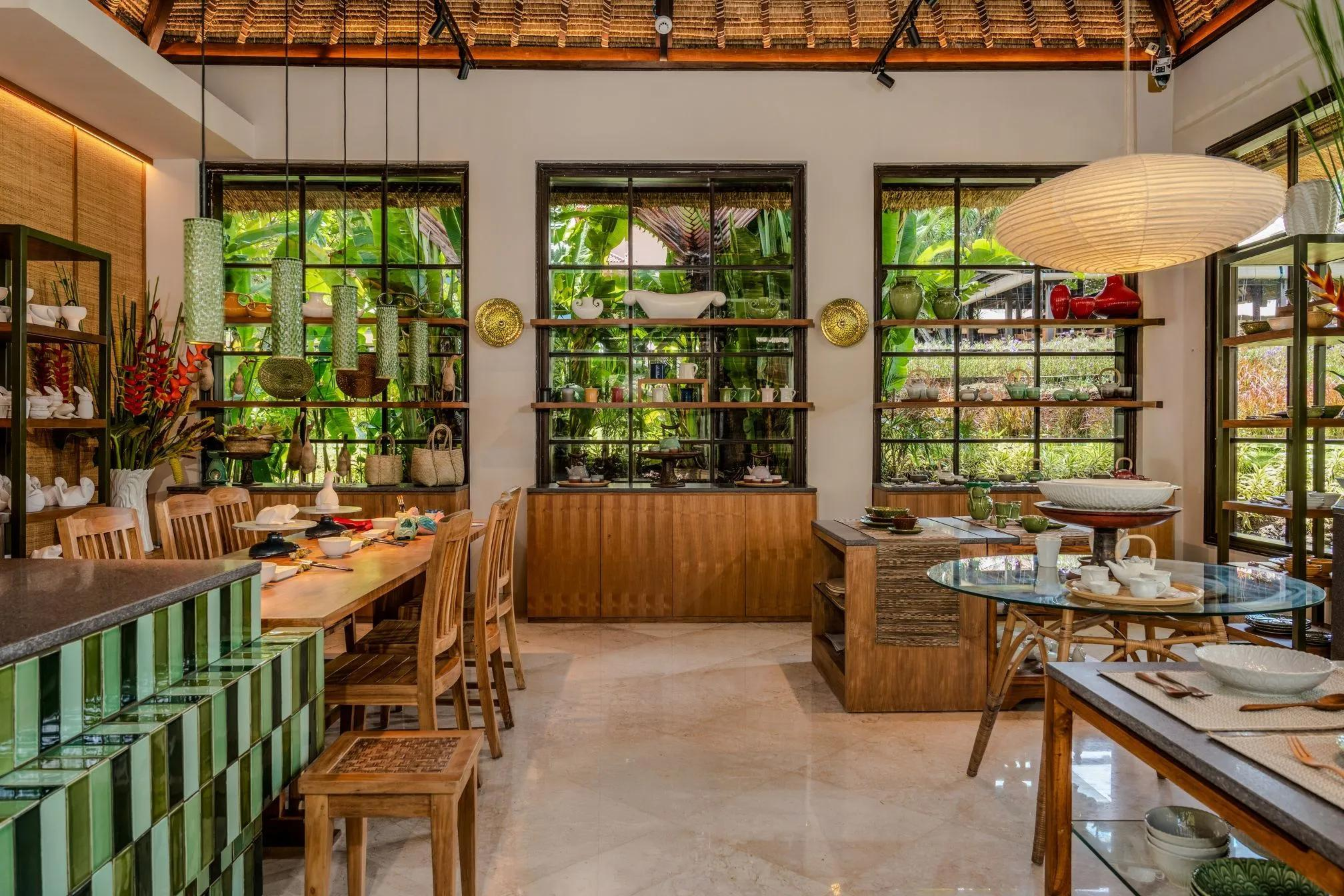
Bali has become an interesting destination for travellers who appreciate interior design. The island’s creative businesses offer furniture, lighting, textiles, ceramics and decorative objects that combine natural materials with contemporary forms.
Seminyak is a convenient area for exploring interior boutiques and homeware stores. Visitors can find decorative accessories, tableware, cushions, baskets and lighting. Some shops focus on contemporary design, while others offer products inspired by traditional Indonesian craftsmanship.
Canggu also has a selection of concept stores and independent interior businesses. Their collections often reflect the relaxed style associated with modern tropical living. Natural textures, woven materials and handmade finishes are common themes.
Ubud and the surrounding villages are more suitable for finding traditional objects and craft-based pieces. Woodcarvings, ceramics, textiles and woven products can add character to a home, particularly when their origin and production methods are understood.
Large furniture purchases require more planning. Before buying, check the dimensions, materials, finish and construction. Ask whether the shop can arrange professional packing and international shipping, and confirm all costs in writing. Delivery times can vary, especially for made-to-order products.
For smaller decorative pieces, ceramics and textiles, bringing purchases home may be more straightforward. Fragile objects should still be packed carefully, and valuable works should be accompanied by appropriate documentation.
Luxury Shopping in Bali’s Resorts and Hotels
Some of Bali’s luxury resorts offer a more private and convenient shopping experience through their boutiques and selected retail spaces. These stores can be useful for travellers who prefer to browse within the hotel environment or want access to a carefully chosen range of products.
Resort boutiques often focus on clothing, beachwear, accessories, jewellery and gifts. Their selection may include international lifestyle labels, Indonesian designers and products connected to the property’s own aesthetic.
High-end hotels can also help guests arrange private shopping visits. A concierge may recommend specialist boutiques, jewellery workshops, galleries or local designers based on individual interests. This can be particularly useful for travellers seeking a specific item or planning to visit several shops in one day.
Some properties may also be able to arrange private appointments with designers and artisans. These visits offer a more personal way to discover a collection, understand its materials and discuss custom orders.
The hotel setting is not necessarily the best place to find every category of product, but it can provide a useful starting point. Combining resort boutiques with independent shops and craft workshops offers a more complete view of Bali’s retail scene.
Traditional Markets and the Search for Authentic Finds
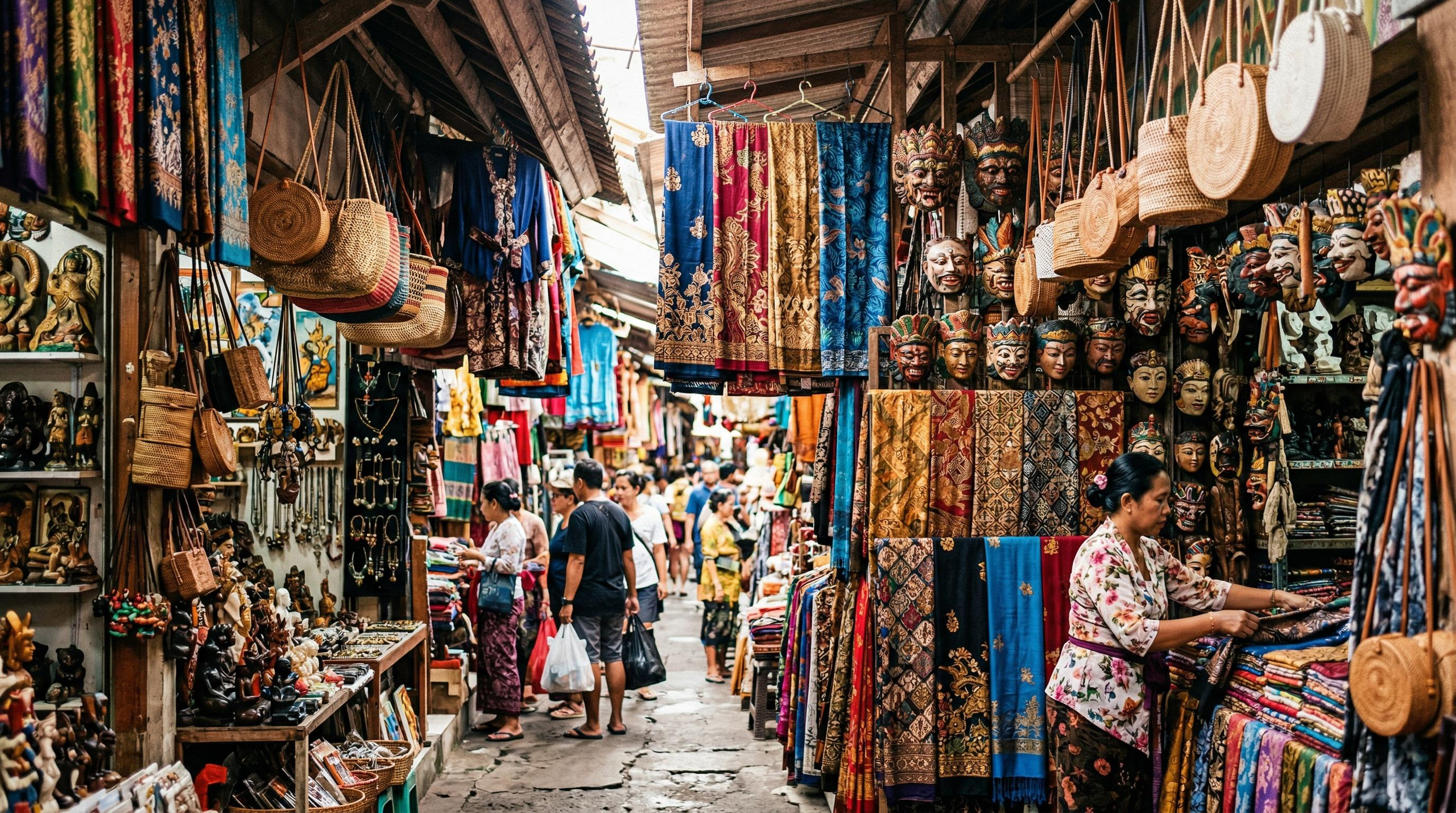
Traditional markets remain an important part of shopping in Bali. They offer a different experience from designer boutiques and provide access to everyday goods, textiles, crafts and decorative objects.
Ubud Art Market is one of the most visited, while Sukawati Art Market in Gianyar offers a wide range of traditional products. Kumbasari Market in Denpasar is another place to explore, particularly for textiles and goods used in everyday Balinese life.
These markets can be interesting for visitors who enjoy browsing and comparing different objects. However, not every item is locally produced or handmade. Some products are manufactured elsewhere or sold in large quantities, so buyers should ask questions when origin and craftsmanship matter.
Bargaining is common in some market settings, but it should remain respectful. In specialist boutiques and galleries, prices are often fixed. It is also worth remembering that skilled handmade work requires time and expertise. A fair price supports the artisans and businesses responsible for producing it.
For a more focused shopping experience, combine a market visit with a trip to a nearby workshop. This makes it easier to understand the difference between a mass-produced souvenir and an object created through traditional techniques.
Practical Tips for a Refined Shopping Experience
Planning makes luxury shopping in Bali more comfortable. The island’s shopping areas are spread across different regions, and traffic can make journeys longer than expected. It is usually better to organise visits by area rather than trying to cover Seminyak, Canggu and Ubud in a single day.
A private driver can be useful when visiting several boutiques or workshops, particularly if you expect to make larger purchases. For shorter journeys, taxis and established ride-hailing services are practical alternatives.
For valuable purchases, request a detailed receipt and any relevant certificates or product information. Jewellery buyers should confirm metal purity and gemstone details. Art collectors should ask about provenance and authenticity, while buyers of larger furniture pieces should obtain written shipping and delivery terms.
Check the materials before buying products made from wood, animal materials, shells or other natural resources. Some items may be subject to restrictions when exported or imported. If in doubt, check the relevant customs requirements before completing the purchase.
International shipping is available through many established retailers and galleries. Confirm the packaging method, insurance, delivery estimate and total cost. For fragile or valuable items, professional packing is worth considering.
Finally, allow time to explore without a strict shopping list. Some of Bali’s most interesting finds come from independent designers and small workshops rather than the best-known retail areas. A slower approach often leads to more distinctive purchases.
Frequently Asked Questions
Where is the best place for luxury shopping in Bali?
Seminyak is one of the island’s main shopping areas, with fashion boutiques, jewellery stores and interior design shops. Canggu is better suited to independent labels and contemporary lifestyle products, while Ubud is particularly interesting for traditional crafts, art and handmade objects.
Can visitors buy international designer brands in Bali?
Bali has selected boutiques and retail spaces carrying international fashion and lifestyle labels, but it does not offer the same concentration of major luxury brand stores as cities such as Singapore or Paris. Its retail appeal is stronger in independent design, resort wear and local craftsmanship.
Where can visitors buy authentic Balinese jewellery?
Celuk is the best-known village for traditional silver and gold jewellery. Its workshops offer handmade pieces, traditional techniques and, in some cases, custom designs. Specialist boutiques in Seminyak and Canggu provide more contemporary options.
Is Bali a good destination for buying furniture and homeware?
Yes. The island has a wide selection of furniture, lighting, textiles, ceramics and decorative objects. Seminyak and Canggu offer contemporary homeware, while Ubud and nearby villages are useful for traditional craft pieces. International shipping should be arranged for larger purchases.
Can shops in Bali arrange international delivery?
Many established boutiques, galleries and furniture retailers can organise international shipping. Confirm the total cost, insurance, packaging, delivery time and any customs documentation before purchasing.