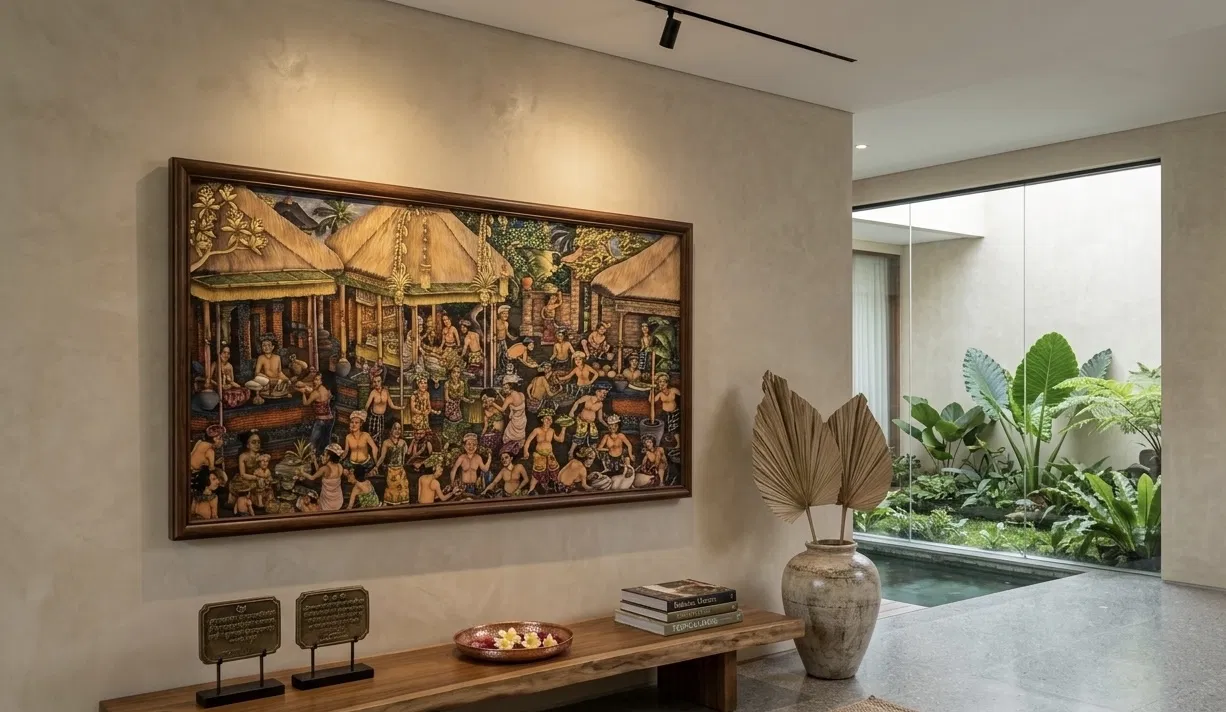
Bali has a rich artistic identity shaped by centuries of cultural traditions and a continuing exchange with international influences. Painting, sculpture, photography and contemporary installations all have a place in the island’s creative scene. Traditional Balinese art remains closely connected to religion, mythology and daily life, while modern artists explore new materials, subjects and forms of expression.
Ubud is often considered the heart of this artistic heritage. Its museums and galleries preserve important works from different periods and provide an introduction to the development of Balinese painting. However, the island’s art scene extends well beyond Ubud. Seminyak, Canggu, Sanur and other areas offer galleries and creative spaces with different approaches to Indonesian and international art.
For visitors, exploring these places can add a cultural dimension to a luxury holiday. Some galleries offer historical collections, while others focus on emerging artists and contemporary exhibitions. Whether the interest is traditional painting, modern sculpture or collecting original works, Bali provides several worthwhile destinations.
Ubud and the History of Balinese Art
Ubud has long attracted artists, collectors and cultural figures. Its artistic development was shaped by local painting traditions and the arrival of international artists during the twentieth century. This exchange helped establish new approaches to composition, subject matter and technique, while maintaining a strong connection with Balinese culture.
One important influence was the Pita Maha artists’ association, established in 1936 by Cokorda Gde Agung Sukawati, Walter Spies and Rudolf Bonnet. The group supported local artists and helped bring wider recognition to Balinese painting. Its influence remains an important part of the island’s artistic history.
Today, Ubud offers a concentration of museums, galleries and private studios. Visitors can explore classical paintings, traditional narratives, modern Indonesian works and contemporary exhibitions within a relatively small area. Many venues are surrounded by gardens or traditional architecture, making a gallery visit an experience that extends beyond the artworks themselves.
For travellers interested in the island’s cultural heritage, Ubud is the natural starting point. It provides the context needed to understand the different styles found in galleries throughout Bali.
Museum Puri Lukisan: The Foundations of Balinese Painting
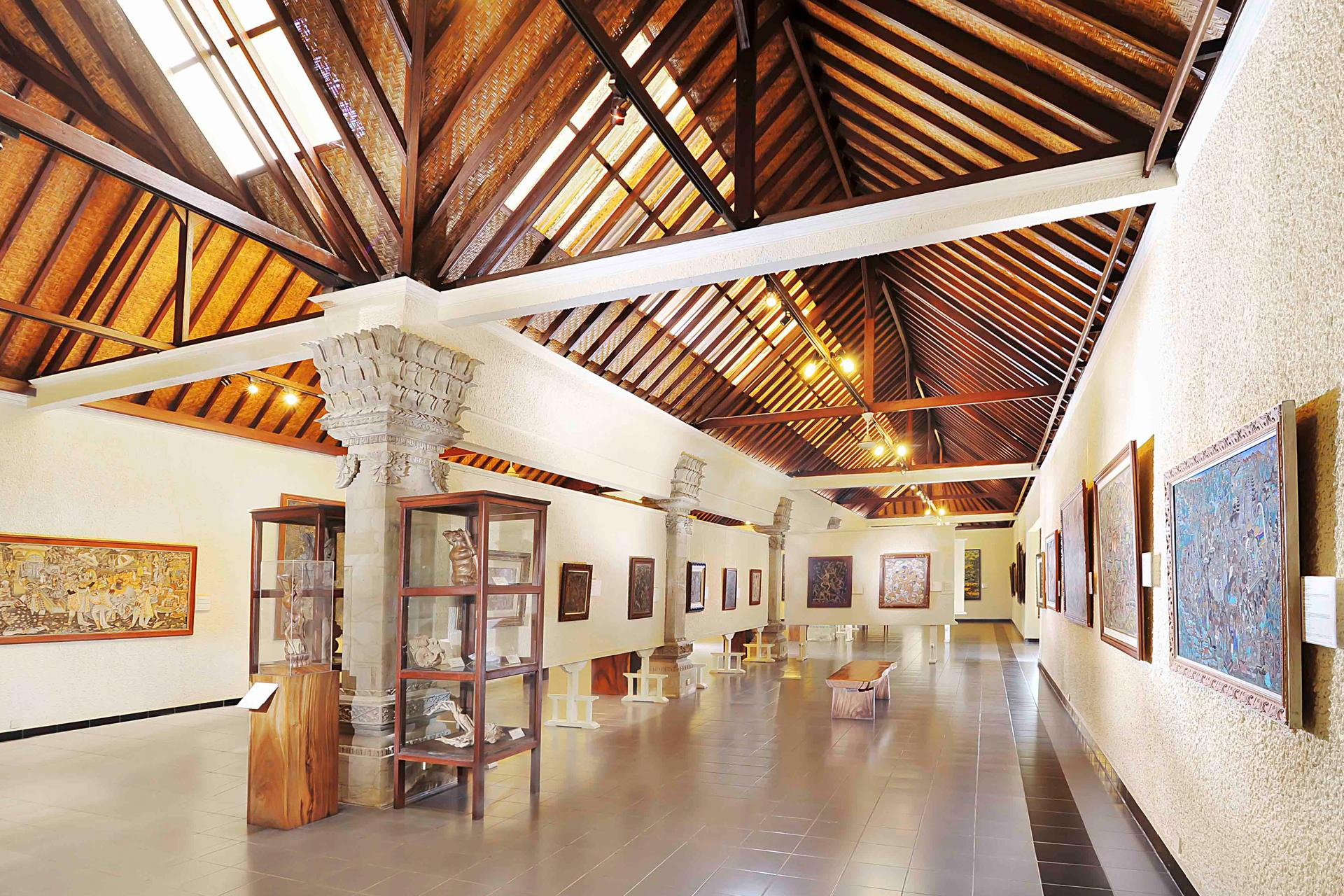
Museum Puri Lukisan is one of Bali’s most important art institutions. Located in central Ubud, it was established to preserve and present the island’s painting and woodcarving traditions. Its history is closely connected to the development of modern Balinese art and the Pita Maha movement.
The collection includes works from different periods, allowing visitors to follow the evolution of local artistic styles. Traditional paintings often depict religious stories, mythological figures and scenes from village life. Their detailed compositions reveal the importance of storytelling in Balinese visual culture.
The museum also helps visitors understand the transition from older artistic conventions to more modern forms of expression. Rather than presenting Balinese art as a single style, its collection shows how artists have developed different approaches over time.
The setting adds to the experience. Exhibition buildings are arranged within landscaped grounds, creating a peaceful environment in the centre of town. It is a good place to spend time looking closely at individual works and learning about the island’s artistic heritage.
For a first introduction to Balinese painting, Museum Puri Lukisan is an essential visit.
Neka Art Museum: A Broad View of Indonesian Art
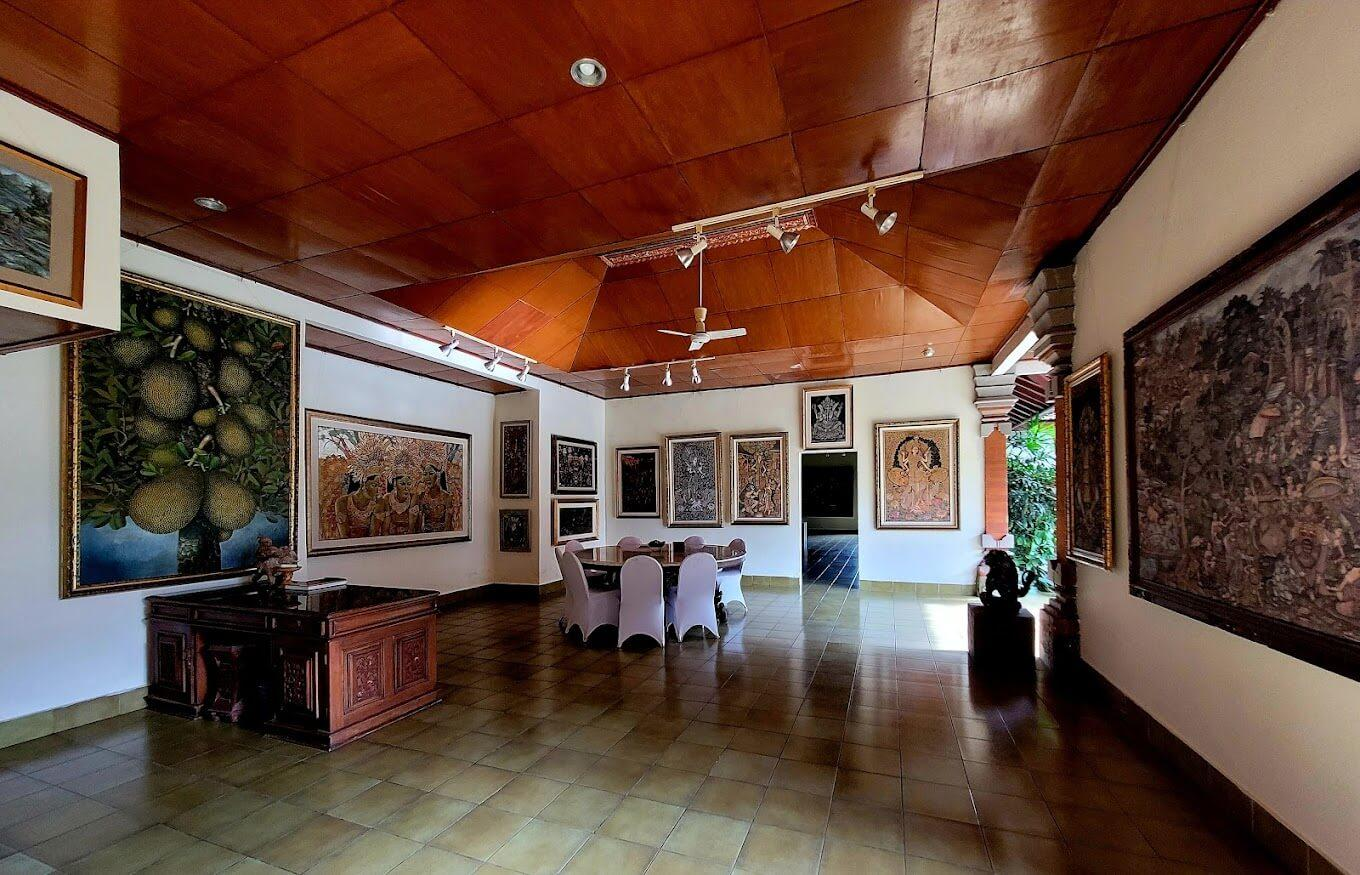
Neka Art Museum offers another important perspective on the history of Balinese and Indonesian painting. Founded by art collector Suteja Neka, it brings together works from several artistic periods and traditions.
Its collection includes paintings associated with different Balinese schools, as well as works by Indonesian and international artists who contributed to the island’s artistic development. Visitors can discover traditional styles, modern interpretations and examples of the cultural exchange that helped shape Bali’s reputation as an artistic destination.
One of the museum’s strengths is the variety of its collection. The different exhibition spaces provide an opportunity to compare artistic techniques, subjects and approaches. Traditional narrative paintings can be viewed alongside works that reflect changing ideas about identity, landscape and modern life.
The museum is set within a garden environment in the Sanggingan area, north of central Ubud. Its quieter location makes it suitable for a longer visit, particularly for travellers who want to explore several museums during the same day.
Neka Art Museum is especially worthwhile for those interested in understanding how Balinese art developed within a wider Indonesian and international context.
ARMA Museum: Art, Culture and Living Traditions
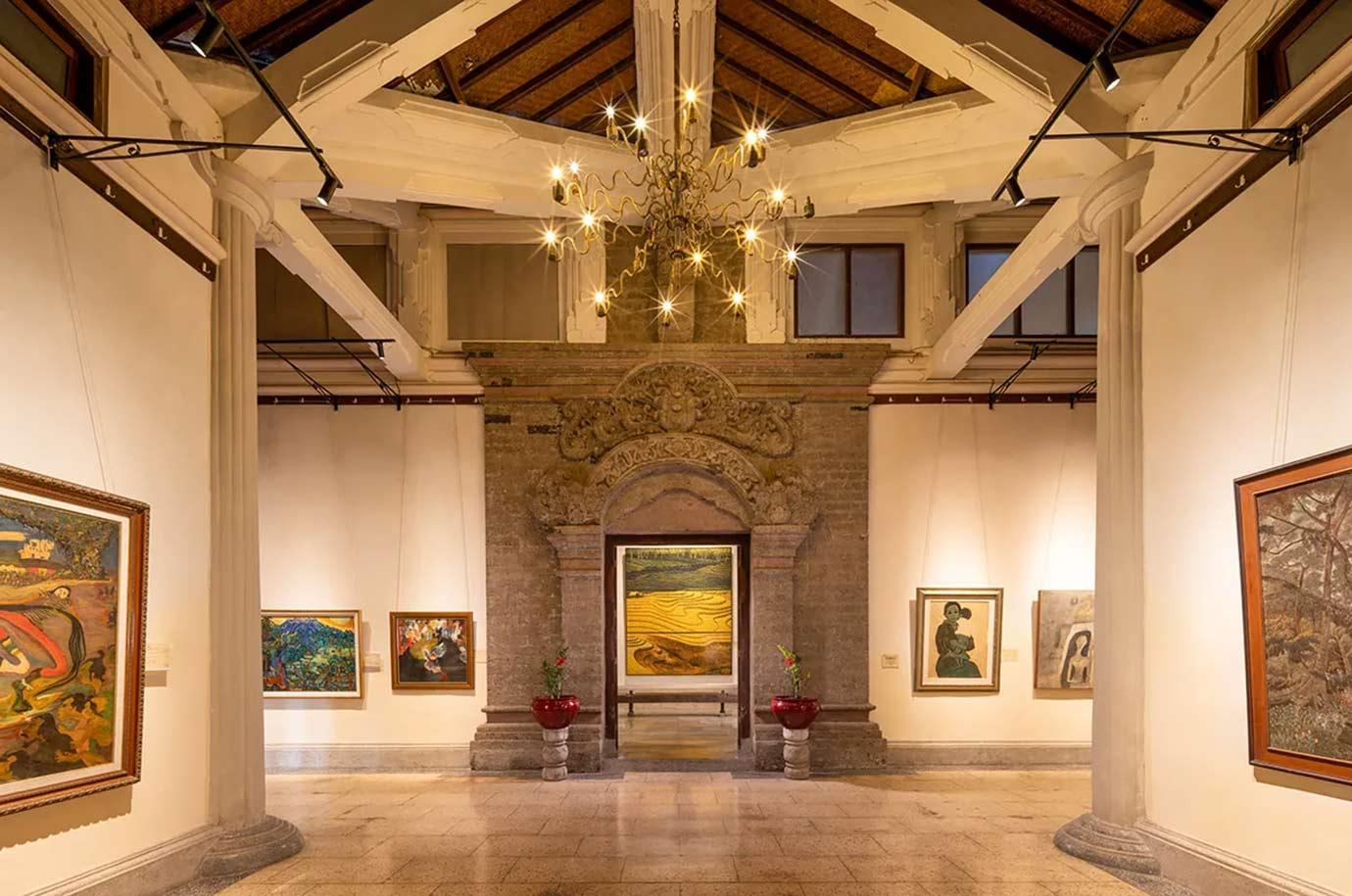
The Agung Rai Museum of Art, widely known as ARMA, is more than a traditional art museum. Founded by Balinese collector and cultural advocate Agung Rai, it brings together painting, architecture, gardens and cultural activities.
The collection includes traditional Balinese works, modern Indonesian paintings and pieces by international artists connected with Bali. Visitors can explore different painting styles, including works associated with the Batuan and Kamasan traditions. These collections offer insight into the relationship between art, religious beliefs and local storytelling.
ARMA’s grounds are also part of its appeal. Traditional buildings, gardens and open spaces create a relaxed setting in which to explore the collection. The museum has also developed a cultural programme that may include dance, music, workshops and other activities. Visitors should check the current schedule before planning their visit.
For travellers who want to experience art as part of a wider cultural setting, ARMA is particularly rewarding. It combines the preservation of traditional works with opportunities to discover Balinese performing arts and creative practices.
Blanco Renaissance Museum: The World of Antonio Blanco
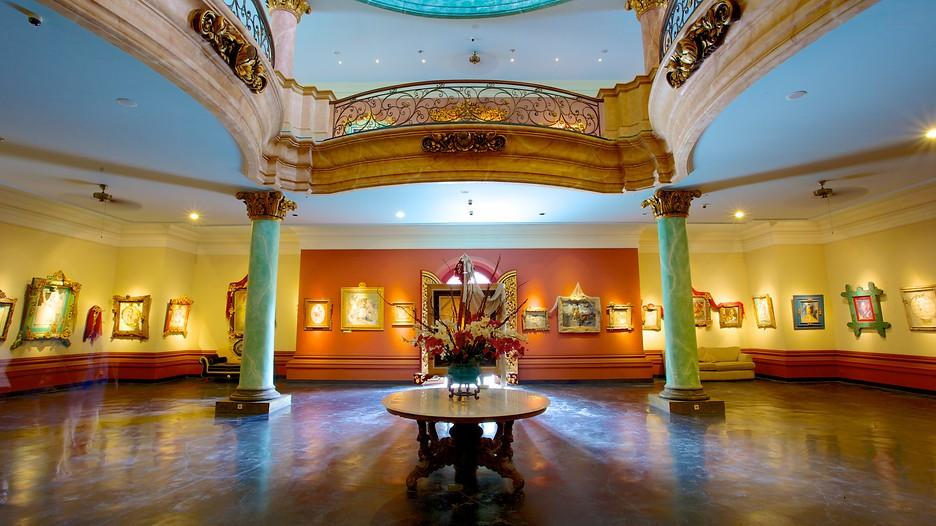
The Blanco Renaissance Museum offers a more personal experience. It occupies the former home and studio of Antonio Blanco, the artist who settled in Bali in the 1950s and became known for his expressive portraits and distinctive artistic style.
Blanco’s work was strongly influenced by his interest in the human figure, particularly the female form. His paintings often feature rich colours, dramatic compositions and a romantic approach to portraiture. The collection provides an introduction to his artistic personality and the world he created around himself.
The museum’s architecture is another reason to visit. The building combines different cultural influences and reflects Blanco’s individual taste. Its interiors, gardens and surrounding landscape contribute to the atmosphere of the experience.
Unlike museums focused on the development of Balinese painting as a whole, this venue centres on one artist and his personal vision. It is therefore a useful addition to a wider art itinerary, especially for visitors interested in the international artists who made Bali their home.
Contemporary Art Galleries in Seminyak
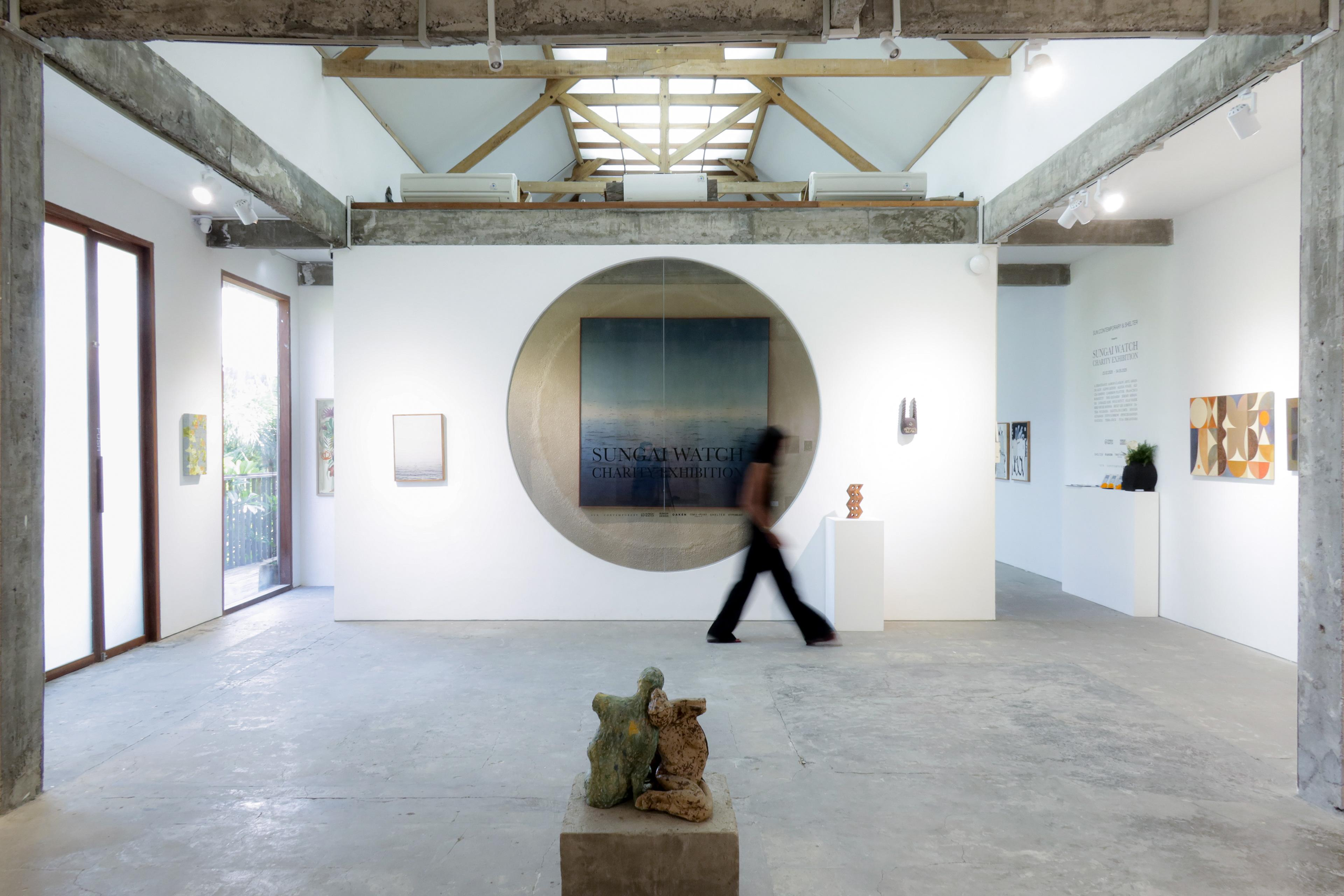
Seminyak offers a different perspective on Bali’s creative scene. Its galleries tend to have a more contemporary and international character, with collections that may include Indonesian painting, modern sculpture, photography and mixed-media works.
Purpa Fine Art Gallery Seminyak is one of the area’s established spaces for Indonesian and regional contemporary art. Its collection includes works by different artists and offers visitors an opportunity to discover pieces beyond the traditional Balinese styles most commonly associated with the island.
Nyaman Gallery provides another interesting stop. It presents a varied selection of contemporary art and design, including painting, photography, sculpture and decorative works. The range of styles makes it suitable for visitors who enjoy discovering different artistic approaches within one space.
Reservoart is another gallery to consider. Its focus includes contemporary works by Asian and international artists, with a selection that can appeal to collectors and visitors interested in modern interiors.
The atmosphere in Seminyak is generally more connected to the island’s international lifestyle scene than to its historical painting traditions. Galleries are often located near boutiques, restaurants and design stores, making it easy to include an art visit in an afternoon of exploring the area.
For travellers who prefer contemporary pieces or are considering purchasing an artwork for a home or private collection, Seminyak is a useful area to explore.
Canggu and Bali’s Emerging Creative Spaces
Canggu has developed a creative identity influenced by international residents, independent designers and a younger generation of artists. Its art spaces often combine exhibitions with cafés, concept stores, studios and cultural events.
Rather than following the traditional museum model, some venues offer a more informal environment. Art can be displayed alongside design objects, books and lifestyle products. This approach reflects the area’s broader creative culture and its interest in collaboration between different disciplines.
The Slow is one example of a venue where art and design form part of a wider hospitality concept. Its interiors and curated objects create an environment that encourages visitors to explore the relationship between contemporary art, architecture and lifestyle.
Crate Gallery has also been associated with the creative scene around Canggu, offering a more relaxed setting in which to encounter artworks and local creative projects. Exhibition formats and programmes can change, so it is worth checking current information before visiting.
Canggu is particularly interesting for travellers who want to discover emerging creative influences rather than focus only on established collections. It may not offer the same concentration of historical works as Ubud, but its independent spaces provide a view of how Bali’s artistic identity continues to evolve.
Art Beyond Ubud: Sanur and Nusa Dua
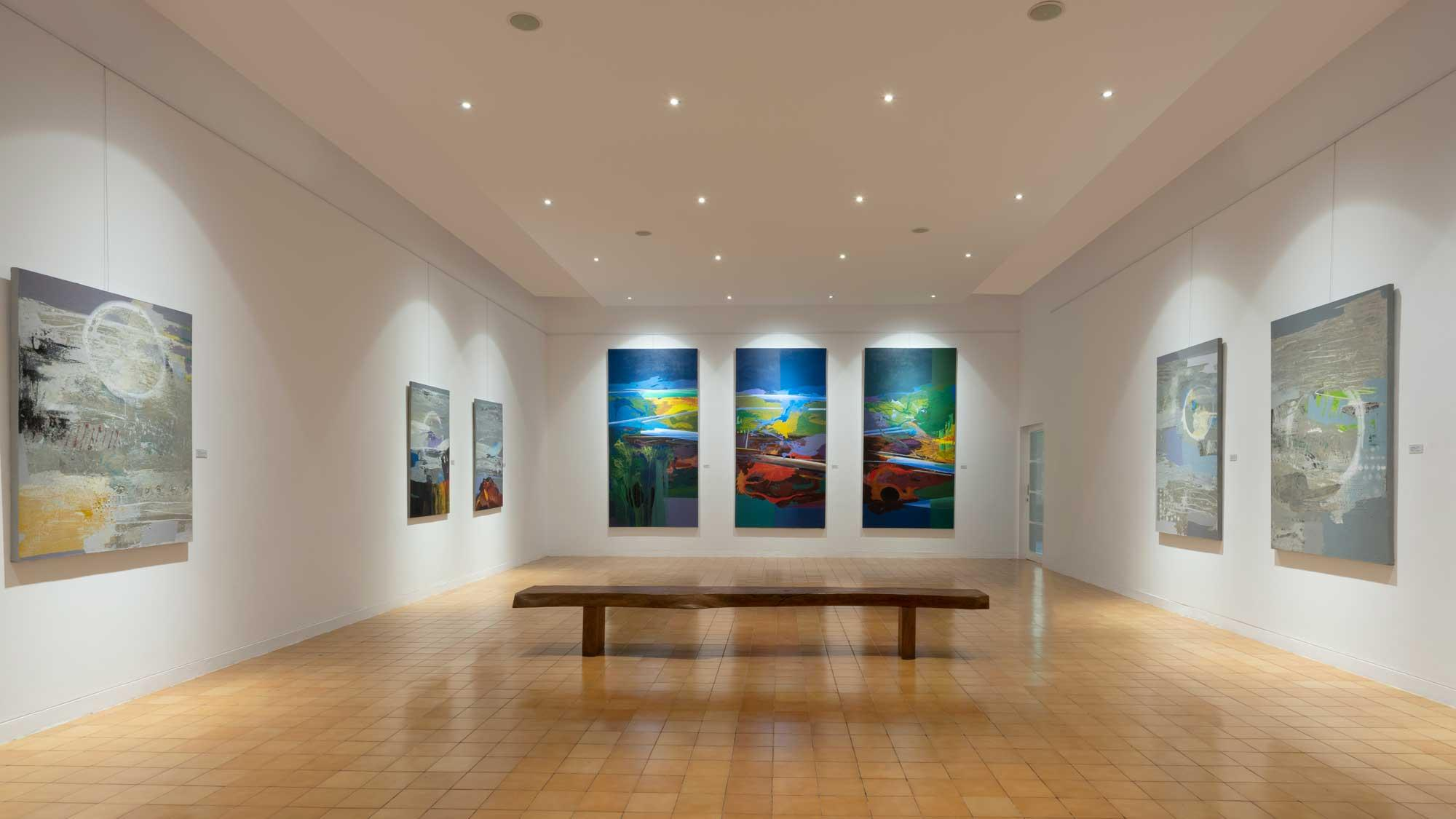
Ubud and the southern lifestyle districts are not the only places to discover art in Bali. Sanur and Nusa Dua offer additional cultural destinations, including galleries and museums with broader regional collections.
Sudakara ArtSpace in Sanur is a contemporary exhibition space known for its interest in artistic exchange and cultural discussion. Its programme has included exhibitions, workshops and events involving artists and cultural figures. It offers a more focused alternative to the larger historical museums of Ubud.
In Nusa Dua, Museum Pasifika presents a collection of art from Indonesia, Asia and the Pacific. Its international scope makes it different from museums devoted primarily to Balinese painting. Visitors can explore works that reflect the artistic traditions and cultural relationships of the wider region.
The museum is particularly interesting for those who want to place Indonesian art within a broader geographical context. Its collection offers a wider perspective on the artistic connections between Asia and the Pacific.
These destinations can be included in a visit to the southern part of the island. Museum Pasifika is especially convenient for travellers staying in Nusa Dua, while Sanur provides a quieter coastal setting for exploring independent creative spaces.
Collecting Art in Bali: What to Look For
Bali can be an interesting destination for collectors, but buying an artwork requires more consideration than choosing a decorative souvenir. The island offers a wide range of original paintings, sculptures, photography and contemporary works. Quality, provenance and pricing can vary between galleries.
Start by learning about the artist. Established galleries should be able to provide information about the creator, their background and the work’s history. For more significant purchases, ask whether a certificate of authenticity or other documentation is available.
It is also worth understanding the materials and techniques used. Traditional Balinese paintings can involve detailed compositions and established methods, while contemporary artists may experiment with canvas, wood, metal and mixed media. The choice should reflect both personal taste and an understanding of the work.
Consider how the artwork will be transported before making a purchase. Many galleries can arrange international shipping, but packaging, insurance and delivery costs should be confirmed in advance. For large paintings, ask whether the canvas can be shipped rolled rather than stretched, provided this is appropriate for the work.
Avoid assuming that every painting sold in a tourist area is an original work by a recognised artist. Take time to compare galleries, ask questions and request clear documentation. A reputable gallery should be comfortable explaining the origin of the artwork and the terms of sale.
For a broader look at the island’s creative traditions, see Bali’s Finest Jewellery, Artisan Crafts & Traditional Design. Visitors interested in discovering the cultural side of the island can also explore Beyond the Ordinary: Discovering the Authentic Side of Bali.
Frequently Asked Questions
Which area of Bali is best for art galleries?
Ubud is the strongest destination for traditional Balinese art, historical collections and established museums. Seminyak offers contemporary galleries, while Canggu has a more independent creative scene. Sanur and Nusa Dua provide additional cultural spaces.
What are the most important art museums in Ubud?
Museum Puri Lukisan, Neka Art Museum and ARMA are among the most important institutions for understanding Balinese painting. The Blanco Renaissance Museum offers a more personal perspective on the work of one internationally recognised artist who made Bali his home.
Can visitors buy original artwork in Bali?
Yes. Many galleries sell original paintings, sculptures and other works by Balinese, Indonesian and international artists. Ask for information about the artist, provenance and authenticity before making a significant purchase.
Is Museum Pasifika worth visiting?
Museum Pasifika is particularly interesting for visitors who want to explore art from Indonesia, Asia and the Pacific. Its regional focus makes it different from the museums in Ubud, which concentrate more closely on Balinese artistic traditions.
Can art galleries in Bali arrange international shipping?
Many established galleries can organise international delivery. Before purchasing, confirm packaging, insurance, shipping costs and estimated delivery times. For valuable works, request written documentation and check any customs requirements that may apply in your home country.