Bali’s creative heritage is visible in its jewellery, textiles, woodcarving, ceramics and decorative arts. Across the island, skilled artisans continue techniques passed down through generations. Some create delicate silver pieces in family workshops, while others carve wood, weave traditional fabrics or shape stone for temples and homes.
For visitors, discovering these crafts offers a different way to experience Bali. Beyond its resorts and beaches, the island has a rich design culture shaped by religion, nature and everyday life. Many objects have a purpose beyond decoration. They may be connected to ceremonies, traditional architecture or local stories.
Luxury shopping in Bali can therefore be more meaningful than visiting a collection of boutiques. Travellers can meet makers, explore specialist craft villages and find pieces that reflect the island’s identity. From fine silver jewellery to handwoven textiles and contemporary homeware, the choices are varied. The most rewarding purchases often come from understanding how an object was made and who created it.
The Craft Heritage Behind Balinese Design
Balinese craftsmanship is closely connected to the island’s cultural and spiritual traditions. For generations, artisans have created objects for temples, ceremonies, homes and everyday use. Their work reflects a strong relationship between artistic expression, religious beliefs and the natural environment.
Traditional motifs often draw inspiration from flowers, leaves, animals and figures from Hindu mythology. Decorative patterns can also carry symbolic meanings. Carved figures, for example, may represent protective spirits or characters from traditional stories. Textiles can be associated with ceremonies and important moments in community life.
Craft production has traditionally been organised around villages and family workshops. Different communities became known for particular skills, allowing techniques to develop and pass from one generation to the next. This tradition remains visible across the island today.
Modern influences have also shaped Balinese design. Contemporary studios combine traditional methods with new forms, materials and international styles. The result is a creative scene that includes both traditional objects and modern pieces suited to contemporary interiors and personal collections.
For travellers, this balance is part of Bali’s appeal. A handmade object can be both a beautiful addition to a home and a connection to the people and traditions behind its creation.
Fine Silver and Gold Jewellery in Celuk
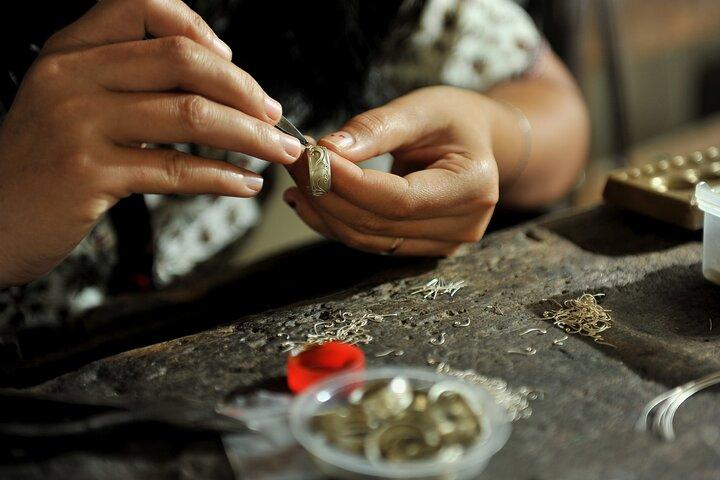
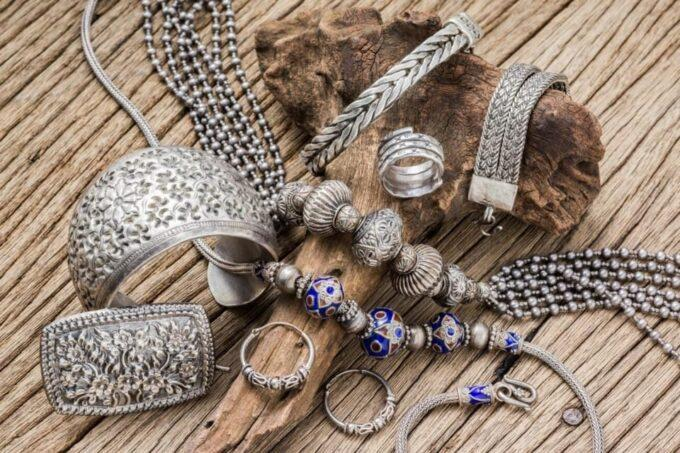
Celuk, in Gianyar Regency, is one of Bali’s best-known centres for silver and gold jewellery. The village has a long association with metalwork, and many family workshops continue to produce jewellery using traditional techniques. Visitors can explore small studios, view finished pieces and, in some cases, watch artisans working at their benches.
Balinese silverwork is particularly recognised for its intricate detail. Filigree involves shaping fine silver wires into delicate patterns, while granulation uses tiny metal beads to create textured surfaces. Both techniques require precision and patience. The finished pieces can include rings, earrings, bracelets, necklaces and pendants, often with decorative motifs inspired by nature and local traditions.
Many workshops also work with gold and gemstones. Designs range from traditional pieces with elaborate detailing to simpler contemporary jewellery. Some artisans accept custom commissions, allowing visitors to discuss a design, choose its dimensions and select the materials.
A visit to Celuk is more interesting when it includes time in the workshop itself. Seeing the process gives a better understanding of the skill involved and helps distinguish handmade work from mass-produced jewellery. Travellers interested in a practical experience can also ask about short jewellery-making sessions, during which they can create a small piece under the guidance of an artisan.
When buying silver, check the stated metal content, weight and finishing. Ask whether stones are natural or treated, and request a receipt that clearly describes the item. For custom work, agree on the design, price and expected completion time before placing an order.
Celuk is an essential stop for anyone interested in Balinese jewellery. Its workshops offer a direct connection with one of the island’s most established craft traditions.
Handwoven Textiles and Traditional Balinese Fabrics
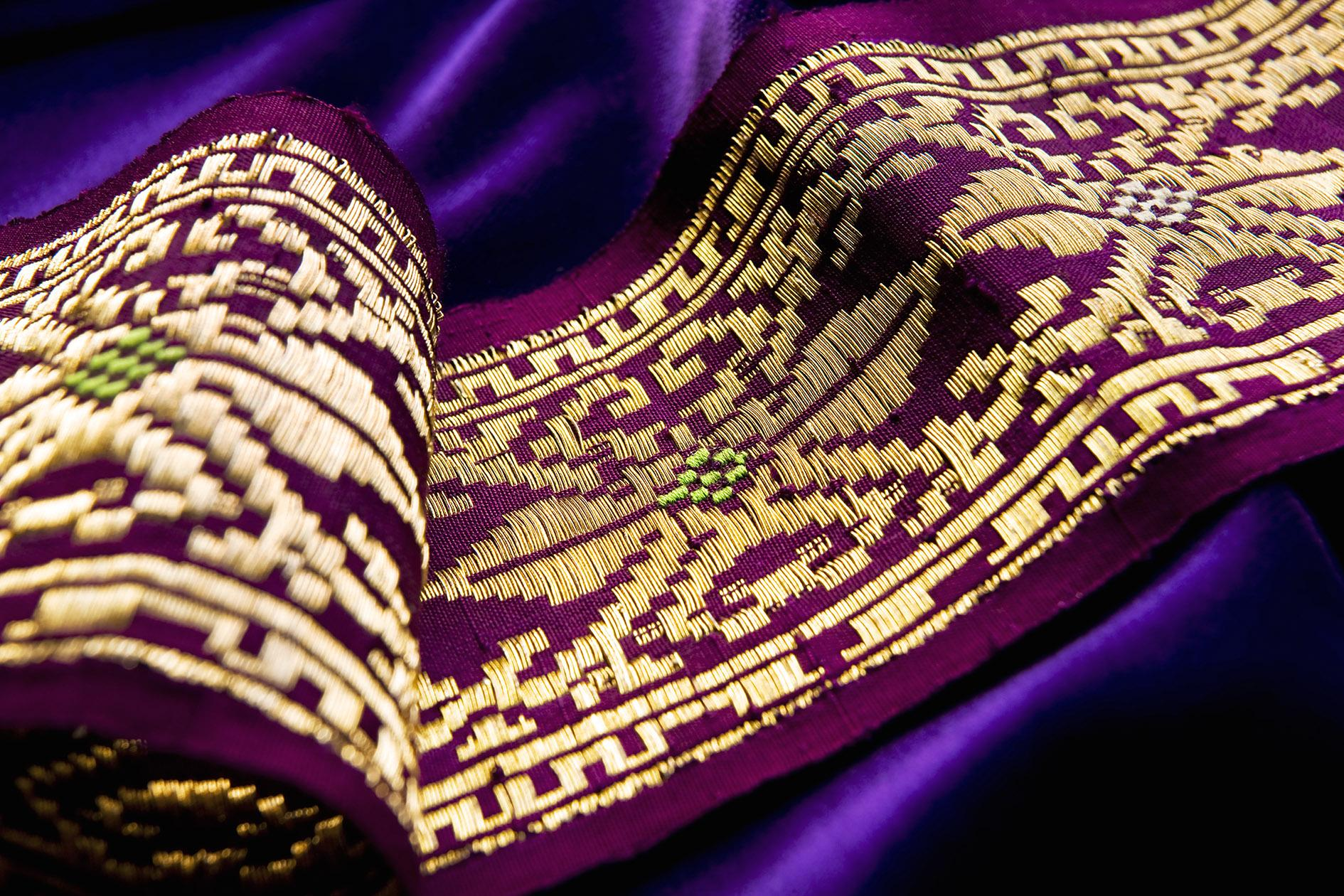
Textiles are another important expression of Balinese artistic heritage. They are used in clothing, ceremonies, temple decorations and household settings. Their colours and patterns often reflect local traditions, with certain fabrics reserved for specific occasions.
Endek is one of Bali’s recognised woven textiles. It is produced using a weft ikat technique, in which sections of yarn are tied and dyed before weaving. This creates patterns that appear as the fabric takes shape. Endek designs often feature geometric forms, flowers and other motifs inspired by the natural world.
Songket is known for its decorative supplementary threads, often incorporating gold or silver-coloured elements. The result is a rich surface with a distinctive sheen. It is traditionally associated with formal clothing and ceremonial use.
In East Bali, Tenganan Pegringsingan is particularly important for its geringsing cloth. This textile is made using double ikat, a demanding process in which both the warp and weft threads are carefully dyed before weaving. The technique requires considerable skill and time, and the resulting patterns have a strong cultural significance.
Visitors interested in textiles should look beyond scarves and ready-made clothing. A carefully selected length of handwoven fabric can be used for interior decoration, upholstery or a bespoke garment. It is worth asking about the production process, the materials and the origin of the design before purchasing.
For travellers who appreciate craftsmanship, a visit to a weaving community can be more rewarding than shopping in a general souvenir store. It provides an opportunity to understand the work behind each fabric and the role textiles continue to play in Balinese life.
Woodcarving and Stone Sculpture in Mas and Batubulan
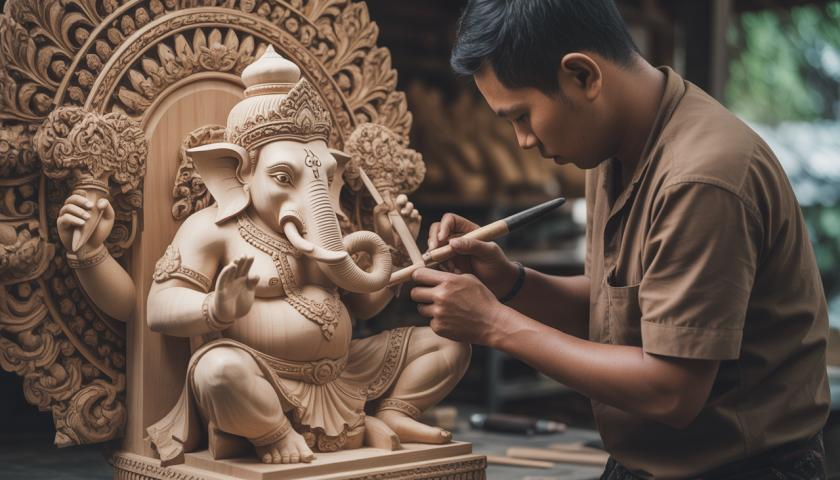
Woodcarving is one of Bali’s most recognisable art forms. It appears in traditional houses, temples, furniture, decorative panels and ceremonial objects. Carvers work with different types of wood to create figures, masks and intricate architectural details.
Mas, near Ubud, is particularly associated with woodcarving. The village has a long tradition of skilled carvers, many of whom work in family studios. Visitors can find masks, sculptures, decorative panels and contemporary objects. Some workshops also accept commissions for larger pieces or bespoke designs.
Traditional carvings often depict figures from Hindu mythology, animals and characters associated with Balinese dance and theatre. Masks are especially interesting because they are connected to performance traditions. Their expressions and details are designed to communicate a particular character, rather than simply serve as decoration.
Batubulan is another important craft village, best known for stone carving. Artisans work with local stone to create statues, architectural elements and decorative pieces. Many are inspired by religious figures and traditional temple design. The scale can range from small objects suitable for a home to substantial sculptures intended for gardens and buildings.
When buying wood or stone pieces, examine the quality of the carving and the finish. Ask about the material, the artisan and whether the object is intended for decorative or ceremonial use. Larger works may require professional packing and international shipping, so transport arrangements should be discussed before purchase.
These two villages offer a useful introduction to the relationship between Balinese design and traditional architecture. They also show how materials that are part of the island’s landscape become objects of lasting artistic value.
Paintings, Ceramics and Decorative Objects
Painting has a long history in Bali, with different communities developing distinctive styles. Batuan, near Ubud, is known for detailed compositions that often include scenes from mythology, village life and the natural world. Traditional works can contain many small figures and intricate patterns, rewarding close attention.
Kamasan painting, associated with the Klungkung area, is another important tradition. Its visual language draws on stories from Hindu epics and traditional shadow-puppet theatre. Figures are often arranged in narrative scenes, with careful outlines and established conventions for representing characters.
Ubud offers a wider selection of galleries and studios, ranging from traditional painting to contemporary art. Visitors can find works by established artists as well as emerging creators. For serious collectors, it is worth asking about the artist’s background, the work’s provenance and any documentation supplied with the purchase.
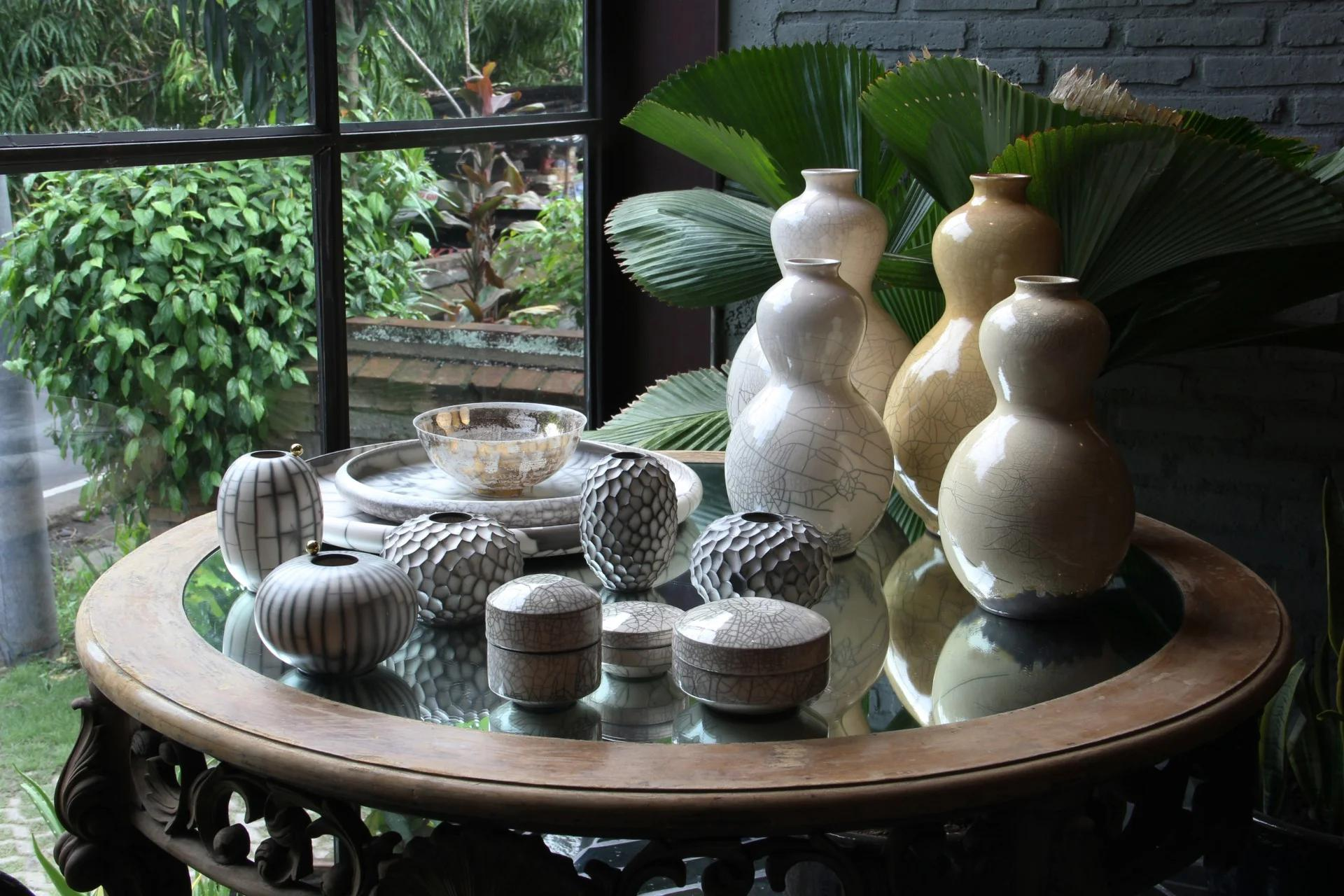
Ceramics and pottery add another dimension to Bali’s design culture. Local makers produce tableware, decorative vessels, tiles and sculptural objects. Some studios focus on traditional forms, while others explore contemporary shapes and finishes suited to modern interiors.
Bamboo and rattan are also used in practical and decorative design. Woven baskets, lighting, furniture and household accessories demonstrate how natural materials can be transformed through skilled handwork. Their appeal lies in texture, simplicity and the relationship between the material and its surroundings.
For travellers interested in art and design, these crafts are worth exploring beyond the main shopping streets. A visit to a working studio can reveal more about the process than simply viewing finished pieces in a showroom.
The Best Markets and Shopping Areas for Artisan Finds
Bali offers several markets where visitors can discover local crafts. Each has a different atmosphere, and the best choice depends on whether the aim is to browse, find a particular object or buy directly from a maker.
Ubud Art Market is one of the island’s best-known shopping destinations. Its stalls offer textiles, baskets, clothing, decorative objects, woodcarvings and souvenirs. It is convenient for visitors staying in Ubud, although the selection is broad and the quality varies. Take time to compare similar pieces and ask about their materials and origin.
Sukawati Art Market, in Gianyar Regency, offers another large selection of crafts and everyday items. It is worth visiting for textiles, paintings, decorative pieces and traditional souvenirs. Travellers who prefer a more focused experience can combine a visit with the nearby craft villages of Celuk and Mas.
In Denpasar, Kumbasari Market provides a more local shopping environment. It is known for textiles, fabrics and a range of traditional goods. The setting is less polished than many resort boutiques, but it offers a different perspective on the island’s everyday commercial life.
Seminyak has a more contemporary retail scene. Its boutiques and design stores offer fashion, home accessories, jewellery and lifestyle products. Some focus on Balinese craftsmanship, while others bring together work from designers and makers across Indonesia.
For visitors seeking more exclusive pieces, independent galleries and specialist studios are often a better choice than general markets. They may offer more information about the maker, materials and production process. For a wider selection of creative spaces, see Best Art Galleries in Bali and The Ultimate Luxury Shopping Guide to Bali.
How to Choose Authentic and Well-Made Craftsmanship
Buying artisan work in Bali can be rewarding, but not every object sold as handmade is necessarily produced on the island. Some markets and shops carry goods made elsewhere in Indonesia or imported from other countries. Asking questions is the simplest way to understand what you are buying.
Start with the maker and place of production. Ask where the item was made, whether it comes from a family workshop and which techniques were used. If possible, visit the studio or workshop. Seeing an artisan at work provides a clearer picture of the production process.
Quality should also guide the decision. In jewellery, check the metal content, weight, stone settings and finish. In textiles, examine the weave, pattern and reverse side of the fabric. For woodcarvings, look at the precision of the details and the quality of the material. With ceramics, inspect the glaze and surface for cracks or uneven finishing.
Prices should reflect the time, skill and materials involved. Bargaining is common in many traditional markets, but it is not always appropriate in galleries, specialist boutiques or shops with clearly displayed prices. A respectful approach is preferable to pushing for the lowest possible figure. Paying a fair price helps support the people whose skills make these objects possible.
Consider practical matters before buying larger pieces. Fragile ceramics, heavy sculptures and valuable artworks may need professional packaging and shipping. Ask for a written quotation, confirm delivery arrangements and check any customs requirements that may apply when bringing purchases home.
Most importantly, choose objects that have a genuine connection with your interests and the island. A well-made piece of jewellery, a handwoven textile or a carefully selected artwork can remain a meaningful reminder of Bali long after the journey has ended.
Frequently Asked Questions
Where is the best place to buy silver jewellery in Bali?
Celuk, in Gianyar Regency, is the island’s best-known centre for silver and gold jewellery. Its family workshops and galleries offer traditional and contemporary designs. Visitors can also watch artisans at work and ask about custom-made pieces.
Which Balinese villages are known for traditional crafts?
Celuk is associated with silver and gold jewellery, Mas with woodcarving and Batubulan with stone sculpture. Tenganan is known for geringsing double-ikat textiles, while Batuan and Kamasan have important painting traditions.
What traditional fabrics should visitors look for in Bali?
Endek, songket and geringsing are among the most distinctive textiles. Each uses different weaving or dyeing techniques and has its own cultural significance. Ask about the origin and production method before buying.
Is bargaining acceptable when shopping in Bali?
Bargaining is common in traditional markets and some independent stalls. However, it is not generally expected in established boutiques, galleries or shops with fixed prices. Keep negotiations polite and consider the craftsmanship behind the price.
Can visitors take part in traditional craft workshops?
Yes. Some jewellery studios offer silver-making sessions, while other workshops provide introductions to weaving, painting and pottery. Availability varies, so it is best to arrange a visit directly with the studio or through a local guide.