Bangkok is a city of constant movement, but it also offers many ways to slow down. Behind its busy streets and shopping districts, visitors can find traditional massage schools, contemporary wellness centres, hotel spas and quiet gardens. These experiences offer different ways to recover from sightseeing and discover an important part of Thai culture.
Traditional Thai massage is central to this wellness landscape. Known locally as nuad Thai, it uses pressure, assisted stretching and rhythmic movements rather than relying exclusively on oils. Its history is closely connected to Thai traditional medicine, and the practice was added to UNESCO’s Representative List of the Intangible Cultural Heritage of Humanity in 2019.
Yet wellness in Bangkok extends beyond massage. Herbal compresses, foot treatments, meditation, spa rituals and contemporary fitness facilities cater to different needs and preferences. Some experiences are simple and closely connected to local life; others take place in refined hotel settings with private treatment rooms and personalised services.
For visitors, the best approach is to choose treatments according to the experience they want. A traditional massage school offers a connection to Thai bodywork, while a luxury spa may be better for a longer period of quiet and privacy. The city’s range makes it possible to combine both during one stay.
Traditional Thai Massage: Understanding the Practice
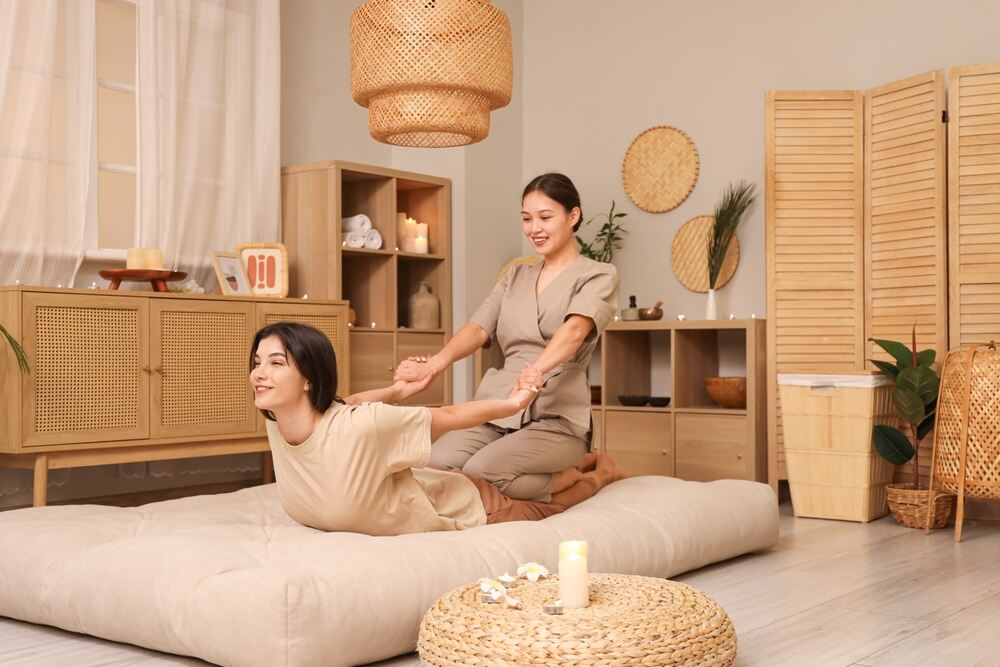
Traditional Thai massage differs from many Western massage styles in both technique and setting. The recipient usually wears loose clothing and lies on a firm mat. The practitioner uses the hands, palms, thumbs, elbows and, where appropriate, other parts of the body to apply pressure and guide controlled stretches.
The treatment is often described as a combination of pressure and assisted movement. Its intensity can vary considerably depending on the practitioner, the style and the client’s needs. It does not have to be painful to be effective as a relaxing experience, and visitors should feel comfortable asking for lighter pressure.
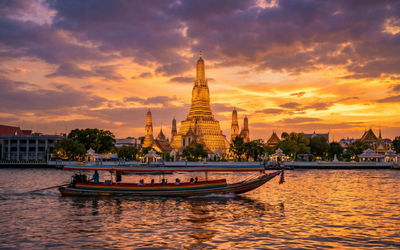
Wat Pho, the historic temple near the Grand Palace, is one of Bangkok’s best-known centres for traditional Thai massage. Its traditional medicine school has helped preserve and teach Thai bodywork, connecting the practice with the country’s wider history of traditional medicine.
The temple’s massage service provides a practical introduction for first-time visitors. According to its official visitor information, traditional Thai massage and foot massage are available in 30-, 60- and 120-minute sessions. The listed prices are 340, 520 and 1,040 baht respectively. Check the official page before visiting, as rates and arrangements may change.
A visit can be combined with time exploring the temple grounds, but it is worth allowing enough time for both. Wat Pho is a religious site as well as a massage destination, so respectful behaviour and appropriate clothing are important.
For travellers interested in the wider cultural context, 72 Hours in Bangkok: A Journey Through Culture, Food and Lifestyle provides a practical itinerary that can accommodate a traditional massage alongside the city’s main attractions.
Choosing Between Traditional Massage, Oil Treatments and Foot Massage
Not every treatment called a Thai massage offers the same experience. Understanding the main differences helps visitors select a session that suits their preferences.
Traditional Thai massage is usually performed fully clothed, with pressure and assisted stretching. It may appeal to people who prefer an active treatment and are comfortable with firm contact. If you are new to the practice, tell the therapist that before the session and ask for a gentler approach.
Oil massage uses oil and generally involves more continuous gliding movements. The pace and pressure depend on the treatment offered. It may suit visitors who prefer a quieter, less stretch-focused experience. In most settings, clients change into suitable clothing or underwear and are covered with towels or sheets during the treatment.
Foot massage is another common option in Bangkok. It can be particularly convenient after a long day of walking around temples, markets and shopping districts. Some treatments focus on the feet and lower legs, while others include pressure applied to points on the soles.
Herbal compress treatments use warmed fabric bundles containing aromatic herbs. These are applied to selected areas of the body, often alongside massage. The warmth and fragrance form part of the experience, although the compress should never feel uncomfortably hot.
Before booking, check the treatment duration, price and whether the service includes oil, herbal compresses or other additions. Explain any areas you would like the therapist to avoid, and speak up if pressure feels uncomfortable. People who are pregnant or have significant medical conditions, recent injuries, circulation problems or other health concerns should seek appropriate medical advice before choosing a treatment. Thailand’s government health guidance also recommends using trained, qualified practitioners.
Luxury Hotel Spas and Private Wellness Experiences
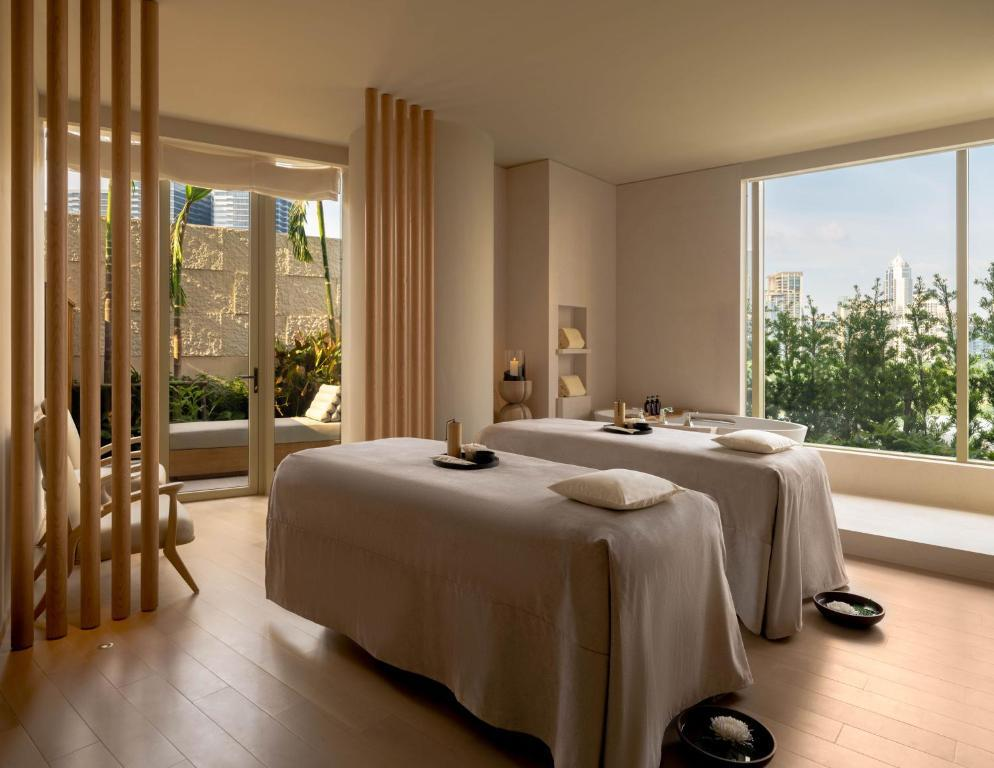
Bangkok’s hotel spas offer a different atmosphere from traditional massage schools and neighbourhood shops. They often provide private treatment rooms, quieter surroundings, consultation before the session and time to relax before or afterwards. Some also offer facilities such as steam rooms, saunas, pools and relaxation lounges, depending on the property.
These settings may suit travellers who want to make wellness a central part of their stay rather than fit a short massage between sightseeing stops. Treatments can include traditional Thai massage, aromatherapy, body scrubs, facials and customised massage programmes. Exact menus vary by hotel, so check the current spa menu instead of assuming every property offers the same facilities.
When comparing a hotel spa with an independent massage centre, consider more than the price. Look at the treatment duration, therapist qualifications, consultation process, privacy and the environment in which the session takes place. A higher price may reflect the setting and additional services, but it does not automatically mean that the massage technique is better.
Reservations are advisable for longer treatments, especially on weekends and during busy travel periods. If you have a particular preference, such as gentle relaxation, focused muscle work or minimal conversation during the session, mention it when booking. This gives the spa a better chance of matching you with a suitable treatment.
A wellness-focused afternoon can also be combined with other aspects of Bangkok’s contemporary lifestyle. For ideas on design, dining and refined city experiences, see Bangkok’s Luxury Lifestyle: Rooftops, Fine Dining and Exclusive Experiences. Keeping the schedule light around a longer treatment helps the experience feel like a genuine pause rather than another item on a crowded itinerary.
Herbal Traditions, Meditation and Slower Experiences
Thai wellness culture extends beyond massage. Herbal preparations, traditional bodywork, mindful movement and meditation all contribute to the wider range of experiences available to visitors.
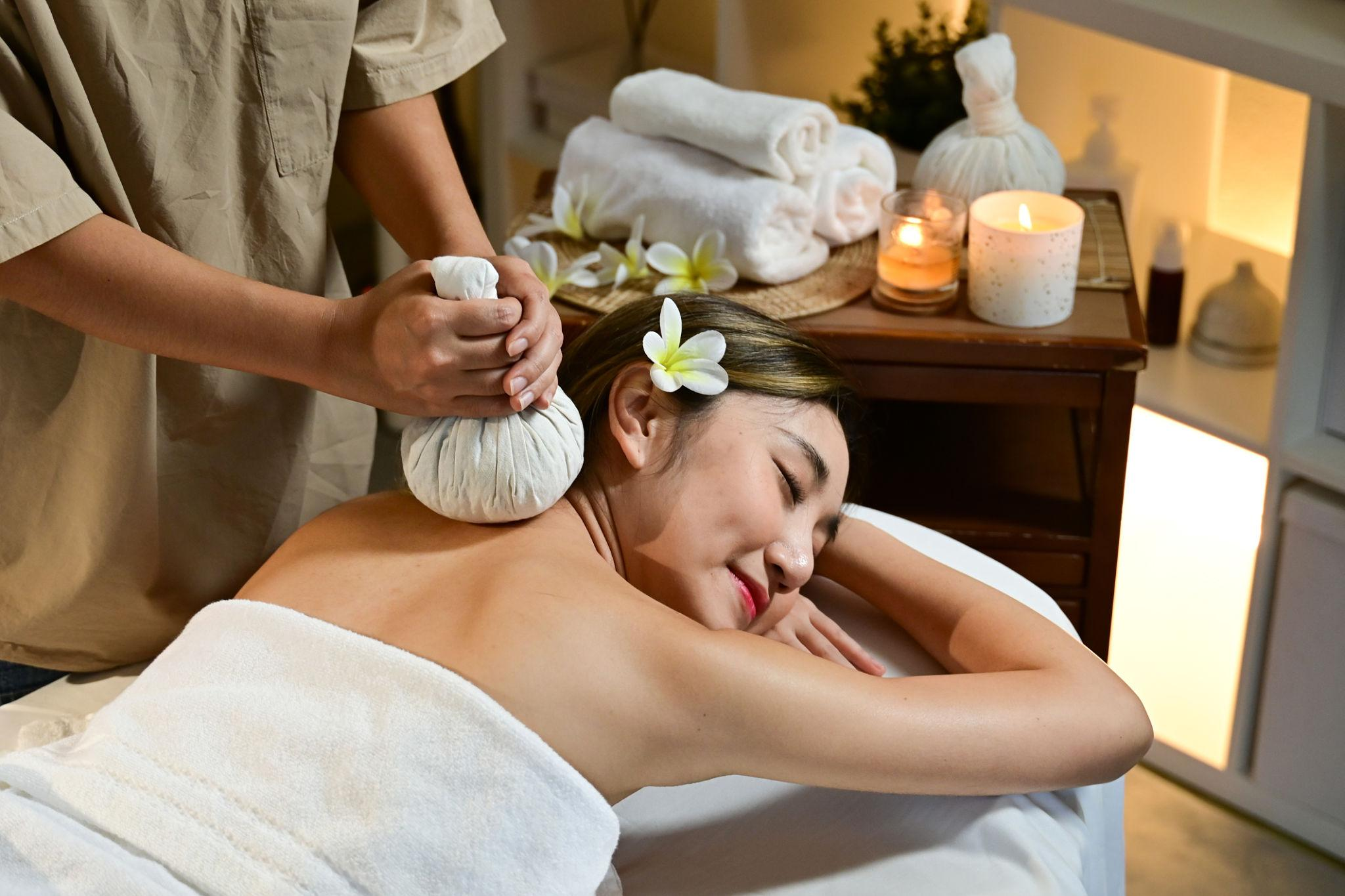
Herbal compresses are among the most recognisable treatments. The bundles may contain ingredients such as lemongrass, turmeric, ginger and other aromatic plants, although formulations vary. Warmth and aroma are important parts of the experience. Ask about the ingredients before treatment if you have sensitive skin, allergies or concerns about fragrances.
Meditation offers a different way to step away from the city’s pace. Some temples and specialist centres organise activities or instruction, but availability varies. Visitors should check the programme in advance and follow local etiquette. A quiet visit to a temple can also provide an opportunity for reflection without requiring a formal class.
Green spaces offer another simple option. Lumphini Park and Benjakitti Forest Park provide walking paths and places to pause amid the urban environment. Early morning is often more comfortable for outdoor activity because temperatures tend to rise later in the day.
For travellers who want to include nature in their wellness plans, Bangkok’s Green Escapes: Parks, Gardens and Tropical Nature explores the city’s parks and quieter outdoor settings. A walk followed by a massage can make a balanced day without requiring an elaborate retreat programme.
Wellness does not need to involve a full day of treatments. A gentle walk, a nourishing meal, enough water and a period without scheduled activities may be just as valuable during a busy trip.
Where to Find Wellness in Bangkok
Bangkok’s wellness experiences are spread across the city, so choosing a convenient location can make a visit more relaxing. Wat Pho is a natural choice for visitors exploring the Grand Palace and historic centre. Its massage service can be incorporated into a day of cultural sightseeing, provided enough time is allowed.
The Sukhumvit area offers a broad range of massage centres, wellness businesses and hotel spas. It can be a convenient option for visitors staying near the BTS Skytrain. Silom and Sathorn also offer hotel-based treatments and independent massage venues, making them practical for travellers based in the business district.
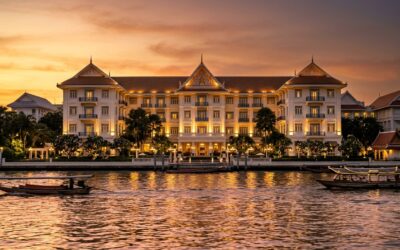
The riverside is worth considering for those seeking a slower atmosphere. Some hotels offer spa facilities and views over the Chao Phraya River, although services, access rules and prices vary. Confirm whether non-residents can book treatments and use any associated facilities before making plans.
When choosing an independent massage centre, look for clear treatment menus, transparent prices and professional communication. The practitioner should ask about your preferences and relevant health concerns, explain the treatment and respond appropriately if you request a change in pressure. Clean treatment spaces and clear booking arrangements are also important.
Avoid assuming that a venue is suitable simply because it looks luxurious or has many online reviews. Equally, a simple setting does not necessarily indicate poor quality. Focus on the professionalism of the service, the clarity of the information provided and whether the treatment meets your needs.
Planning a Wellness Break Without Rushing
The easiest way to enjoy Bangkok’s wellness scene is to leave space in your schedule. Avoid booking a long treatment immediately before a distant attraction or a fixed dinner reservation. Traffic can be unpredictable, and a treatment is more enjoyable when there is no pressure to leave as soon as it ends.
For a short visit, one traditional Thai massage and one longer spa experience may provide enough variety. Travellers who enjoy active treatments might prefer a traditional session followed by a foot massage on another day. Those who favour quiet surroundings may choose an oil massage at a hotel spa and spend the rest of the afternoon resting.
Hydration and comfort matter, particularly during the hot season. Drink water, allow time to cool down after walking outdoors and tell the practitioner if you feel unwell. Massage should not cause sharp or persistent pain. Stop the session if you experience concerning symptoms.
If you have a medical condition, are pregnant, have recently undergone surgery or are recovering from an injury, seek advice from a qualified healthcare professional before choosing a treatment. Be cautious about claims that a massage can cure a disease or replace medical care.
A thoughtful wellness itinerary is less about the number of treatments and more about choosing experiences that complement the trip. Bangkok offers both accessible traditional services and refined private settings, so visitors can decide how much time, privacy and structure they want.
Frequently Asked Questions
Where can visitors experience traditional Thai massage in Bangkok?
Wat Pho is one of the best-known places to experience traditional Thai massage in a historic setting. Independent massage centres and hotel spas throughout Bangkok also offer traditional treatments.
What is the difference between Thai massage and oil massage?
Traditional Thai massage is generally performed fully clothed and uses pressure and assisted stretching. Oil massage typically uses gliding movements with oil and may offer a more continuous, relaxation-focused experience. Techniques vary by practitioner.
How much does a Thai massage cost at Wat Pho?
The official Wat Pho visitor page lists 340 baht for 30 minutes, 520 baht for 60 minutes and 1,040 baht for 120 minutes for traditional Thai or foot massage. Confirm current prices before visiting.
Are luxury hotel spas in Bangkok open to non-hotel guests?
Some accept outside bookings, while others may prioritise hotel guests or restrict access to certain facilities. Contact the spa directly to confirm availability, treatment prices and any access conditions.
Is traditional Thai massage suitable for everyone?
No. Pressure and stretching may not be appropriate for everyone, particularly people with certain medical conditions, injuries or during pregnancy. Discuss relevant concerns with a healthcare professional and inform the therapist before the session.
By The Editors of Luxury Magazine.