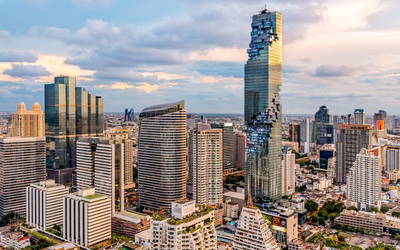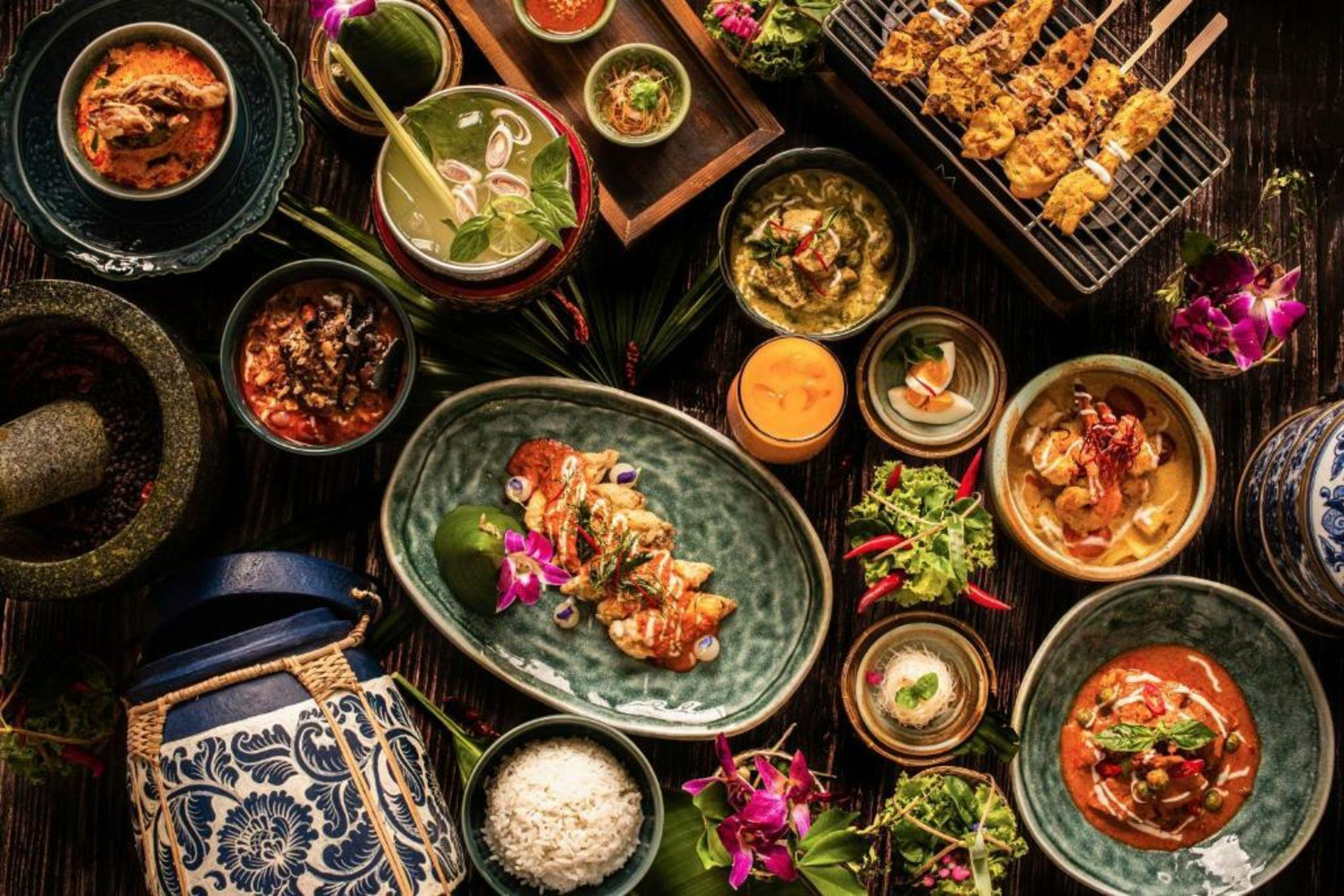
Bangkok is a city best understood through its food. In the early morning, vendors prepare rice dishes and noodle soups for commuters. At lunchtime, small restaurants fill with office workers. After sunset, streets across the capital become gathering places where friends share grilled seafood, spicy salads and bowls of freshly cooked noodles.
Thai cuisine is known for its balance of sweet, sour, salty, spicy and savoury flavours, but there is no single recipe for the country’s food culture. Bangkok brings together traditions from across Thailand, alongside Chinese influences and generations of culinary exchange. The result is a diverse food scene that ranges from humble street stalls to contemporary restaurants reinterpreting regional recipes.
For visitors, the best way to explore Bangkok’s gastronomy is to move between neighbourhoods, markets and family-run businesses. A plate of pad thai, a bowl of boat noodles or a traditional Thai curry can reveal different ingredients, techniques and local preferences. Together, these everyday experiences offer a more personal introduction to the city than any restaurant ranking alone.
Understanding the Flavours of Thai Cuisine
Thai cooking is built around contrast. Fresh herbs meet rich coconut milk, sharp lime balances sweetness, and chillies add heat to dishes that may also contain fragrant spices, fish sauce or fermented ingredients. The balance changes from one recipe to another, and regional traditions influence both the ingredients and the way they are prepared.
Lemongrass, galangal, kaffir lime leaves, Thai basil and coriander appear in many dishes. They provide fragrance and freshness, while ingredients such as fish sauce, tamarind and palm sugar help create depth. Coconut milk gives some curries their richness, whereas clear broths and herb-based salads can feel lighter.
Rice is central to Thai food culture. Jasmine rice is commonly served with curries and stir-fries, while sticky rice is particularly associated with the northeast and northern parts of Thailand. Noodles, meanwhile, reflect a long history of culinary exchange, including Chinese influences that have become part of everyday Thai cooking.
The country’s regional cuisines add further variety. Northern Thai dishes may feature aromatic herbs, chilli pastes and pork-based specialities. Northeastern Isan cuisine is known for grilled meats, sticky rice, spicy salads and the distinctive flavours of fermented fish. Southern Thai cooking often uses stronger spice, turmeric and coconut-based preparations. Bangkok brings these traditions together, making it possible to explore several regional styles in one city.
For travellers, it helps to ask about the ingredients rather than simply ordering the most famous dish. A restaurant serving southern Thai food, for example, may offer a very different experience from a shop specialising in central Thai curries. Understanding these differences makes each meal more meaningful.
Yaowarat: Chinatown’s Famous Street Food Scene

Yaowarat, Bangkok’s Chinatown, is one of the city’s best-known food destinations. Its culinary identity reflects generations of Chinese migration and the development of Thai-Chinese cooking. Traditional shophouses, gold shops and temples provide the setting, while food vendors draw residents and visitors into the area, particularly after sunset.
The street food selection is wide. Guay jub, a peppery soup with rolled rice noodles, is a familiar choice, while seafood stalls prepare prawns, squid and fish over high heat. Egg noodles, roasted chestnuts, grilled dishes and traditional Chinese-influenced desserts are also common. Many vendors specialise in a small number of recipes, refining them through years of practice.
Yaowarat is best explored without rushing. Walk along the main road, then look into the side streets, where smaller eateries may offer a quieter alternative to the busiest stalls. Some businesses have long histories, but opening times and menus can change, so it is sensible to check current details if you have a particular destination in mind.
For a broader look at the area’s heritage, continue beyond the food stalls to its temples, markets and historic lanes. Our guide to Discovering Authentic Bangkok: Markets, Culture and Hidden Neighbourhoods explores Chinatown alongside Talat Noi and Bang Rak, offering more context for a neighbourhood where cuisine and community history are closely connected.
Arrive in the early evening if you want to see the streets become busy, but expect crowds at popular spots. A useful strategy is to share several small dishes rather than order a large meal at the first stop. This leaves room to try different flavours as you explore.
Traditional Dishes Every Visitor Should Know

Bangkok’s food culture includes many familiar Thai dishes, but the experience depends on where and how they are prepared. The same dish may vary between vendors, with differences in seasoning, texture and the balance of flavours.
Pad thai is one of the most widely recognised examples. Rice noodles are stir-fried with ingredients that commonly include egg, tofu, tamarind, fish sauce and peanuts, although recipes vary. Lime and chilli allow diners to adjust the final flavour. The dish reflects the influence of Chinese-style noodle cooking within a distinctly Thai combination of seasonings.
Tom yum offers another classic experience. This hot and sour soup uses aromatic ingredients such as lemongrass, galangal and lime leaves. Depending on the recipe, it may be prepared with prawns or other proteins, and the broth can be clear or enriched with additional ingredients. Its appeal lies in the contrast between sharp acidity, fragrant herbs and chilli heat.
Green curry, or gaeng keow wan, combines a green chilli paste with coconut milk, herbs and other ingredients. It is often served with rice, which helps balance the intensity of the curry. Massaman curry offers a different profile, with warm spices and influences connected to wider Asian trading traditions.
Som tam, a salad made with shredded green papaya, is closely associated with Isan cuisine. It combines crisp texture with a dressing that can include lime, chilli, fish sauce and palm sugar. Some versions include fermented fish or salted crab, so ingredients are worth checking before ordering.
Boat noodles are another Bangkok favourite. Traditionally associated with vendors serving customers from boats along canals, the dish is now widely available in specialist shops and food courts. The small portions make it easy to try several bowls with different seasonings or toppings.
These dishes are useful starting points, not a complete list of Thai cuisine. Trying regional variations and asking vendors about their specialities can reveal flavours that are less familiar but equally rewarding.
Local Food Neighbourhoods Beyond Chinatown
Bangkok’s food culture extends far beyond Yaowarat. Different districts have their own rhythms, from office-area lunch counters to neighbourhood noodle shops and streets known for evening dining. Exploring several areas gives visitors a more balanced picture of how the city eats.
Banthat Thong Road has developed a strong reputation as a food destination, with a mix of restaurants, dessert shops and casual eateries. The atmosphere is particularly lively in the evening, when groups gather to share dishes and explore different options. It is a useful place for visitors who want to sample a range of foods in one outing, although crowds can make popular venues busy.
The Silom area offers a different experience. During working hours, small restaurants and street vendors serve office workers, with dishes such as noodles, rice meals and regional specialities. Around Soi Convent and nearby streets, visitors can find a range of casual food options, although the exact selection depends on the day and time.
Ari, north of the central business districts, combines neighbourhood cafés with restaurants and traditional food businesses. It can suit travellers who prefer a less concentrated food walk, with time to explore smaller streets between meals.
Bangkok’s historic districts also deserve attention. Around the old town, family-run restaurants and specialist shops focus on individual dishes, from noodles and traditional desserts to long-established Thai recipes. These places may have fewer visual attractions than the city’s major night markets, but they often provide a closer connection with everyday eating habits.
For an itinerary that combines food with architecture and local culture, consider pairing one culinary neighbourhood with a nearby historic district. Our article Bangkok’s Creative Districts: Art, Design and Urban Culture explores Charoen Krung and Talat Noi, where independent cafés and creative businesses sit alongside historic buildings and workshops.
Markets, Fresh Ingredients and Everyday Food Culture

Markets are central to the way Bangkok buys, prepares and shares food. They connect households with fresh produce, seafood, herbs, spices and ready-to-eat meals. They are also places to observe how ingredients move from traders to kitchens and how traditional food businesses adapt to changing demand.
Or Tor Kor Market is known for its fresh produce and prepared foods. Visitors can browse tropical fruit, vegetables, curries, snacks and desserts in a setting that is useful for discovering ingredients not always familiar to international travellers. It is a practical stop for anyone interested in Thai food beyond restaurant menus.
Pak Khlong Talat, Bangkok’s famous flower market, offers a different perspective. Although it is primarily known for flowers and garlands, its location near the river places it within the wider network of historic markets and trading streets. A visit can be combined with a walk through nearby old-town districts.
For a more extensive shopping experience, Chatuchak Weekend Market has food stalls alongside clothing, crafts, homewares and plants. Its scale means that it is best treated as a separate excursion rather than a quick stop between distant attractions.
The most interesting market visits often begin with observation. Look at how vendors prepare ingredients, how different types of rice are displayed and which dishes are popular with local customers. Seasonal fruit can be particularly rewarding, as varieties and quality change throughout the year.
Markets are working environments, so visitors should avoid blocking aisles or photographing traders at close range without permission. For food purchases, freshly prepared dishes and stalls with steady customer turnover are sensible choices in Bangkok’s warm climate.
Street Food and Michelin-Recognised Cooking

Street food is sometimes described as the opposite of fine dining, but Bangkok demonstrates that culinary quality is not determined by the formality of a restaurant. Skill, consistency and a strong understanding of ingredients can be found in small stalls as well as in elegant dining rooms.
The MICHELIN Guide Thailand includes street food businesses alongside restaurants offering more formal dining experiences. Jay Fai, known for its wok-cooked dishes and crab omelette, remains one of Bangkok’s most famous examples. K. Panich, associated with traditional Thai mango sticky rice, is another recognised address. The guide also lists specialist noodle shops and other casual food businesses.
Recognition can help visitors discover places they might otherwise overlook, but it should not become the only way to choose where to eat. Many excellent local meals are served by businesses that are not included in major guides. A busy neighbourhood shop with a short menu may offer a more revealing experience than a famous venue selected only for its reputation.
Jay Fai is particularly popular, so check its current opening arrangements and reservation or queue policies before visiting. For any well-known street food business, it is wise to confirm the latest information rather than rely on old travel recommendations.
The same principle applies to Michelin-listed restaurants. Distinctions and selections can change between editions, and prices or menus may be revised. Consult the current guide before planning a dedicated culinary trip.
For visitors who enjoy both casual and high-end dining, combining a street food evening with a carefully chosen Thai restaurant can be rewarding. The contrast shows how the same culinary traditions can be expressed through different settings, techniques and levels of presentation.
How to Enjoy Bangkok’s Street Food
A successful food walk is about more than knowing which dishes to order. Timing, comfort and a willingness to explore make a significant difference, especially in a city where heat, traffic and crowds can shape the experience.
Start with a small number of dishes and share them when possible. This makes it easier to compare flavours and leave room for something unexpected. If you are unfamiliar with a menu, point to dishes being prepared or ask the vendor for a recommendation. A simple question about whether a dish is spicy can also help you choose a suitable option.
Food safety requires ordinary care. Choose places with a steady flow of customers, look for food cooked thoroughly and be cautious with items that have been left uncovered in the heat. Drink bottled or otherwise safe water, and wash or sanitise your hands before eating when possible.
Dietary requirements should be explained clearly. Fish sauce, shrimp paste, shellfish, peanuts and other ingredients can appear in dishes where visitors may not expect them. Vegetarian meals may also contain fish sauce or shrimp paste, so it is important to ask rather than assume.
Respectful behaviour matters, too. Pay the stated price, keep queues moving and ask before photographing vendors or other diners. Many small businesses depend on the daily flow of customers, and a considerate visit helps preserve the welcoming atmosphere that makes Bangkok’s food culture distinctive.
Finally, allow time between stops. A food walk should be an opportunity to enjoy the city, not a race to collect dishes. One good bowl of noodles, a shared curry and a traditional dessert can be more memorable than an overloaded itinerary.
Planning a Culinary Journey Through Bangkok
A three-day stay offers enough time to explore different sides of Bangkok’s food culture. Begin with Chinatown in the evening, when Yaowarat’s street food scene is at its liveliest. On another day, visit a traditional market and explore the old town, stopping for a local lunch. Reserve a third day for a neighbourhood such as Banthat Thong, Ari or Silom, depending on your interests and where you are staying.
Transport should be part of the plan. The MRT and BTS can help avoid traffic on longer journeys, while walking is often the best way to explore compact food districts. During busy periods, allow extra time between neighbourhoods rather than scheduling several meals at fixed times.
Check opening hours before travelling to a particular restaurant or stall. Some vendors operate only in the morning, while others are known for evening service. Markets may have different schedules during the week, and famous restaurants can attract long queues.
Bangkok also offers a wide range of dining styles, from casual food courts and family-run shops to contemporary Thai restaurants and tasting menus. There is no need to choose between street food and more formal dining. Experiencing both provides a broader understanding of the city’s culinary character.
Ultimately, Bangkok’s cuisine is best discovered with curiosity. Follow the aroma of a busy food stall, try an unfamiliar dish and take time to understand the ingredients behind it. The most memorable meal may be found in a modest shop, a market counter or a restaurant that has perfected one recipe over many years.
Frequently Asked Questions
What food is Bangkok most famous for?
Bangkok is known for pad thai, tom yum, green curry, som tam, boat noodles and a wide range of street food. Chinatown is particularly popular for Thai-Chinese dishes, seafood, noodles and traditional desserts.
Where is the best area for street food in Bangkok?
Yaowarat in Chinatown is one of the city’s best-known street food destinations, particularly in the evening. Banthat Thong Road, Silom and Ari offer different experiences, from busy food streets to neighbourhood restaurants and casual eateries.
Is Bangkok street food safe to eat?
Street food can be enjoyed with sensible precautions. Choose busy stalls, favour freshly cooked food, check that dishes are thoroughly heated and drink safe water. Travellers with allergies or dietary requirements should ask about ingredients before ordering.
Can visitors find Michelin-recognised street food in Bangkok?
Yes. The MICHELIN Guide includes casual food businesses such as Jay Fai and K. Panich, alongside specialist noodle shops and other street food venues. Check the current guide and each business’s latest opening information before visiting.
How many days should food lovers spend in Bangkok?
Three days is a useful starting point for exploring Chinatown, traditional markets and other food neighbourhoods. A longer stay allows time to discover regional Thai cooking, visit more specialist restaurants and enjoy meals at a slower pace.
By The Editors of Luxury Magazine