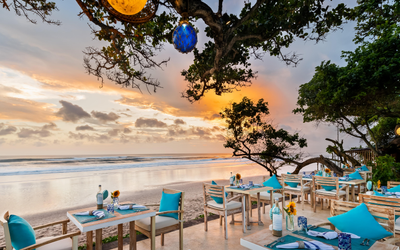
Bali offers far more than beautiful beaches and impressive resorts. The island brings together tropical landscapes, ancient traditions, exceptional hospitality and a wide choice of private experiences. Travellers can spend their days between oceanfront villas, quiet mountain retreats, fine dining restaurants and traditional villages. Each part of the island offers a different atmosphere.
For luxury travellers, the key is to plan a stay that allows enough time to enjoy these contrasts. Bali is larger and more varied than it may first appear. Traffic can make journeys between areas slow, while the best experiences often require advance arrangements. Choosing the right location, accommodation and transport can make a significant difference to the quality of a trip.
A well-planned visit should also leave room for local culture. Balinese life is closely connected to Hindu traditions, family customs and religious ceremonies. Understanding this character adds depth to the experience and helps visitors appreciate the island beyond its most famous resorts

Choosing the Right Area for Your Stay
The first decision is where to stay. Bali’s different regions offer distinct landscapes and lifestyles, so the best location depends on the type of holiday you want.
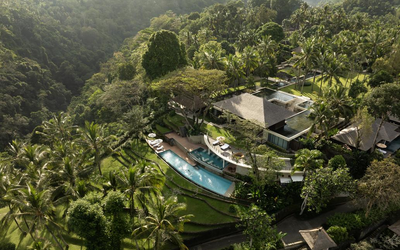
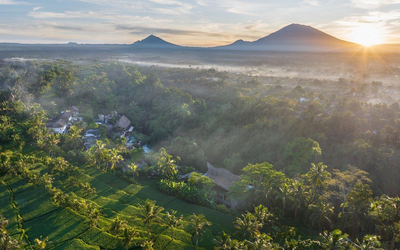
Ubud is a strong choice for travellers who prefer nature, culture and wellness. Located among rice terraces and tropical forests, it offers a quieter setting than the southern coast. Luxury resorts often make the most of their natural surroundings, with private villas, open-air spaces and views across the landscape. The area is also well placed for visiting temples, traditional villages, local craft studios and the island’s central highlands.
Uluwatu, on the Bukit Peninsula, offers a different experience. Its limestone cliffs, ocean views and dramatic coastline attract travellers looking for privacy and a coastal setting. The area is known for exclusive resorts, private villas and beach clubs. Many properties offer direct views of the Indian Ocean, making it an appealing choice for couples and guests seeking a more secluded escape.
Seminyak combines luxury accommodation with a lively dining and shopping scene. It is a practical base for travellers who want easy access to restaurants, boutiques, beach clubs and nightlife. Canggu has a more informal atmosphere, with independent cafés, surf culture and a growing selection of restaurants and design-led venues.
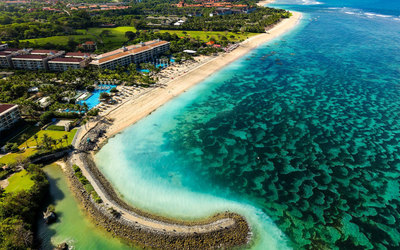
Nusa Dua is particularly suited to guests who prefer established beachfront resorts and a more organised holiday environment. Its large properties, resort facilities and calmer atmosphere appeal to families and travellers who want a comfortable base with services close at hand. Jimbaran offers another attractive coastal option, with luxury hotels, private villas and a well-known seafood dining scene.
Rather than trying to visit every area, consider choosing two locations with different characters. A stay divided between Ubud and Uluwatu, for example, combines a nature-focused retreat with a coastal escape. For more guidance, see Where to Stay in Bali: A Guide to the Island’s Best Areas.
Selecting Accommodation That Matches Your Travel Style
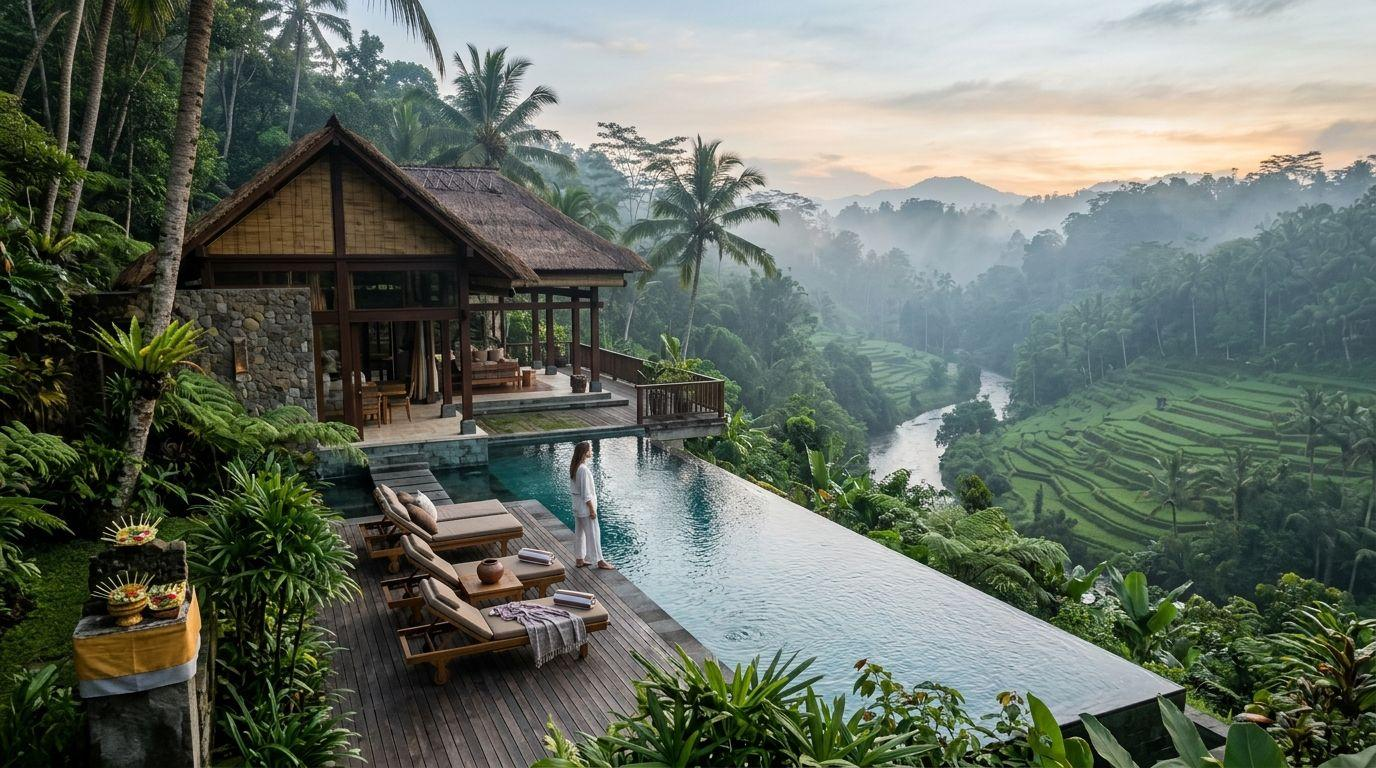
Bali has a wide range of luxury accommodation, from large international resorts to small boutique properties and private villas. The right choice depends on how much privacy, service and independence you expect.
A luxury resort is often the most convenient option. Guests can enjoy restaurants, wellness facilities, pools, concierge services and organised activities without having to arrange every detail independently. The best properties also offer a strong sense of place through their architecture, gardens, materials and relationship with the surrounding landscape.
Private villas provide a more residential experience. They are particularly attractive for families, groups of friends and couples who value space and discretion. Many include private pools, outdoor dining areas and dedicated staff. Some offer private chefs, drivers and personal butler services. When comparing villas, look beyond the photographs and check what is included in the rate. Staffing levels, meal arrangements, transport and service hours can vary considerably.
Boutique hotels offer another approach. Their smaller scale can create a more personal atmosphere, often with distinctive design and a closer connection to the local area. They may have fewer facilities than large resorts, but this can be part of their appeal.
Location should remain a priority. A beautiful property may be less practical if it is far from the places you want to visit. Consider the distance to restaurants, beaches and cultural attractions, as well as the time needed to reach the airport. Travellers who want a quiet retreat may welcome a remote setting, while those planning regular outings may prefer a more central base.
For further inspiration, explore Best Luxury Hotels & Resorts in Bali and [internal link: Bali’s Most Exclusive Private Villas].
Planning Transport and Daily Travel
Transport is one of the most important practical considerations in Bali. Distances on a map can be misleading because road conditions and traffic often make journeys longer than expected. This is especially true around Seminyak, Canggu, Denpasar and the southern peninsula during busy periods.
For a comfortable stay, arranging a private driver is often the most convenient solution. A professional driver can manage daily journeys, wait during visits and help adjust plans when traffic changes. This is particularly useful for full-day excursions, restaurant visits and trips to several attractions. Many hotels and villas can arrange trusted transport through their concierge teams.
For shorter journeys, licensed taxis and established ride-hailing services can be practical. Always check the vehicle and fare details before travelling. Avoid accepting unsolicited transport offers from unknown drivers, particularly at airports and busy tourist areas.
Renting a scooter may seem convenient, but it is not suitable for every visitor. Roads can be busy, driving standards vary and conditions may be difficult for those unfamiliar with local traffic. Anyone considering riding should check the legal licence requirements, wear a helmet and use a reputable rental provider. A private car is generally a more comfortable choice for longer journeys.
Airport transfers are worth arranging before arrival. This is especially useful for guests landing late at night, travelling with children or carrying several pieces of luggage. A pre-booked transfer also removes the need to negotiate transport after a long flight.
Allow generous time between activities. Instead of planning several distant attractions in one day, group visits by area. This creates a more relaxed schedule and leaves room for a leisurely lunch, a spa treatment or an unexpected stop along the way.
Discovering Bali Through Private Experiences
Some of Bali’s most memorable experiences take place away from the main resort areas. Private arrangements can offer a more personal way to explore the island, particularly when they are planned around local knowledge and individual interests.
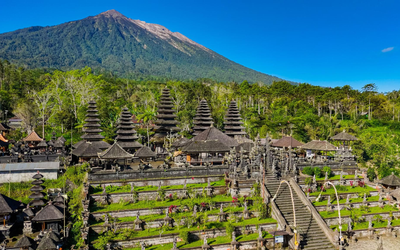
A private cultural visit is a good starting point. Bali’s temples, traditional villages and ceremonial spaces reveal the island’s spiritual character. A knowledgeable local guide can explain the meaning of religious practices, architecture and offerings. This makes a visit more informative than simply arriving at a well-known landmark for photographs.
The central highlands offer opportunities to explore rice terraces, forest paths and traditional communities. A guided walk through the countryside can provide a different view of daily life, especially when combined with a visit to a local craft workshop or a traditional market. Travellers interested in architecture and design may also enjoy discovering Balinese wood carving, stonework, textiles and silver craftsmanship.
The coastline offers another range of experiences. Private boat trips can take guests to nearby islands, quiet bays and selected snorkelling locations. Nusa Penida and Nusa Lembongan are popular choices for day trips, although sea conditions and travel times should be considered. For a more relaxed experience, a sunset cruise provides an opportunity to enjoy the coastline from the water.
Uluwatu is particularly attractive in the late afternoon. Its cliffs offer wide views across the ocean, while the area around Uluwatu Temple is known for its traditional Kecak dance performances. Visitors should arrive with enough time to explore the setting and follow local guidance during the performance.
Nature lovers can also plan excursions to waterfalls, mountain landscapes and the quieter eastern and northern parts of the island. These journeys often take longer, so an early start and a private driver are advisable. For more ideas, see [internal link: Best Luxury Experiences in Bali] and [internal link: Best Cultural Experiences in Bali].
Fine Dining, Wellness and the Art of Slowing Down
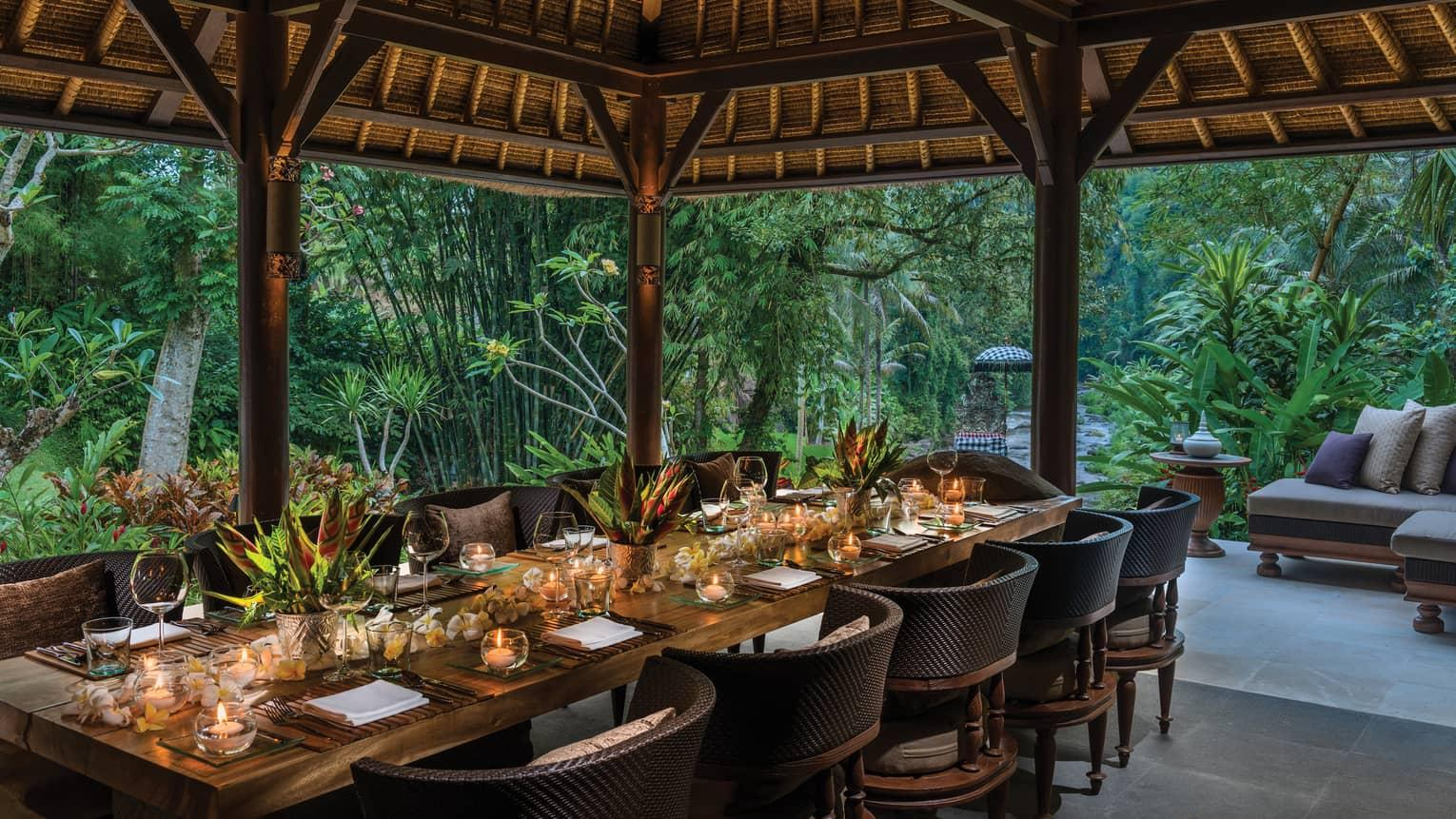
Dining is an important part of a luxury holiday in Bali. The island has an international restaurant scene, with contemporary cuisine, fine dining, beachfront venues and intimate restaurants in natural settings. Seminyak and Canggu offer a wide choice of modern restaurants, while Ubud combines destination dining with a strong connection to local ingredients and regional cooking.
Balinese food deserves a place in any itinerary. Traditional dishes use fresh herbs, spices, coconut, vegetables, seafood and meat. Local specialities can be enjoyed in family-run restaurants as well as in more refined dining settings. Travellers who want to explore the island’s culinary identity should consider a guided food experience or a private cooking class with a local chef.
For a special evening, reserve a table in advance, particularly at well-known restaurants and venues with limited seating. Sunset dining is popular along the southern coast, so the best tables may be booked early. If you are staying in a private villa, an in-villa dinner can provide a more intimate alternative to going out.
Wellness is another reason many travellers choose Bali. The island has a long association with traditional healing practices, yoga and meditation. Luxury resorts and dedicated retreats offer a wide range of treatments, from traditional Balinese massage to contemporary body therapies. Some properties also provide yoga sessions, guided meditation, fitness programmes and personalised wellness consultations.
Ubud is especially suited to a wellness-focused stay, with retreats set among forests and rice fields. Coastal resorts offer a different atmosphere, where spa treatments can be combined with beach time and outdoor activities.
There is no need to fill every day with scheduled experiences. Allowing time to enjoy the resort, take a slow breakfast, relax by the pool or book an afternoon treatment can be just as rewarding as visiting another attraction. The best luxury itineraries balance discovery with time to rest.
For more ideas, explore [internal link: Best Fine Dining Restaurants in Bali] and [internal link: Best Luxury Spas & Wellness Retreats in Bali].
When to Visit and How Long to Stay
Bali has a tropical climate, with warm temperatures throughout the year. Its seasons are generally divided into a drier period and a wetter period. The dry season usually runs from around April to October, while the wet season typically extends from November to March. These patterns can vary, and rain does not necessarily mean that outdoor activities will be impossible.
The dry season is often preferred for beach days, sightseeing and outdoor excursions. It is also a popular time to visit, particularly during the middle of the year and around major holiday periods. Travellers should book sought-after resorts, private villas and restaurants well in advance.
The wetter months can offer a quieter atmosphere and lush green landscapes. Rainfall is often concentrated in showers, although heavier rain can affect road conditions and outdoor plans. Travellers visiting during this period should keep their itinerary flexible and check local weather conditions before arranging boat trips or mountain excursions.
A stay of seven to ten days provides a good starting point for exploring Bali without rushing. Seven days can accommodate two main locations and a selection of cultural, dining and wellness experiences. Ten days allow more time for the island’s quieter regions or a visit to one of the nearby islands.
For a longer holiday, consider combining different landscapes rather than staying in one area throughout. A few nights in Ubud followed by time on the southern coast can create a balanced itinerary. More detailed seasonal advice is available in [internal link: When to Visit Bali: Weather, Seasons & Best Travel Periods].
Essential Travel Details and Local Etiquette
A little preparation before departure can make arrival and the first days in Bali much easier. Check Indonesia’s current visa and entry requirements using official immigration sources, as the rules depend on nationality and may change. Travellers should also check passport validity and complete any required arrival documentation within the stated time frame.
Foreign visitors entering Bali are generally required to pay a provincial tourist levy of IDR 150,000 per person. It is separate from any visa fee. Payment can be made through the official Love Bali system or at designated counters on arrival. Keep the payment confirmation for reference. Check the latest guidance before departure, including any exemptions that may apply.
Travel insurance is also advisable. Choose cover that suits the activities planned, including medical treatment and emergency assistance. If you intend to take part in water sports, diving or other adventure activities, check that these are included in your policy.
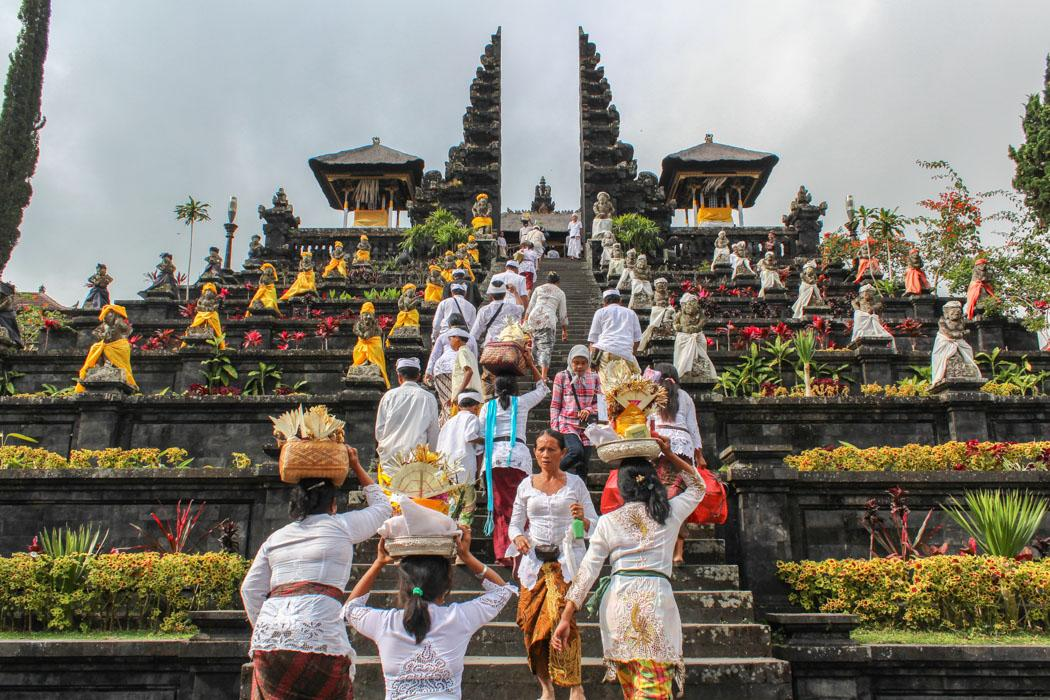
Respect for local customs is essential. When visiting temples, dress modestly and follow the instructions of staff or guides. A sarong and sash are commonly required, and some sacred areas have additional restrictions. Do not enter restricted spaces, interrupt ceremonies or photograph people during religious activities without permission. It is also important to avoid stepping on small offerings placed along paths and entrances.
Use licensed money changers and check exchange rates before completing a transaction. Keep some Indonesian rupiah available for smaller purchases, local services and places that do not accept cards. Major hotels and many restaurants accept international cards, but payment options can vary.
Finally, respect the natural environment. Avoid leaving waste on beaches, follow local rules in protected areas and choose responsible operators for marine activities. Small decisions can help protect the landscapes and traditions that make Bali distinctive.
Frequently Asked Questions
How many days should luxury travellers spend in Bali?
Seven to ten days is a good starting point. This allows time to experience two different areas, enjoy the main attractions and include some days for relaxation. A longer stay is worthwhile for travellers who want to explore northern or eastern Bali.
Which area of Bali is best for a luxury holiday?
It depends on the preferred atmosphere. Ubud is ideal for nature, culture and wellness. Uluwatu suits travellers looking for clifftop views, private villas and coastal experiences. Seminyak offers restaurants and shopping, while Nusa Dua is known for established beachfront resorts.
Is it better to stay in a hotel or a private villa in Bali?
Both options offer advantages. Luxury hotels and resorts provide facilities, restaurants and organised services. Private villas offer more space, privacy and flexibility, often with dedicated staff. The best option depends on the size of the group and the level of service required.
Is it necessary to hire a private driver in Bali?
A private driver is not essential, but it is often the most comfortable way to explore the island. Traffic can make journeys unpredictable, and a driver can help organise visits to several places in one day. For short journeys, licensed taxis and established ride-hailing services are useful alternatives.
What should visitors know about Balinese customs?
Visitors should dress modestly at temples, respect religious ceremonies and follow local instructions at sacred sites. Avoid entering restricted temple areas, touching sacred objects or disturbing offerings. A respectful attitude is important throughout the island, not only at religious landmarks.