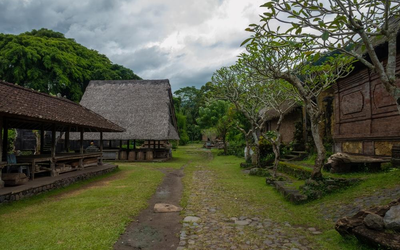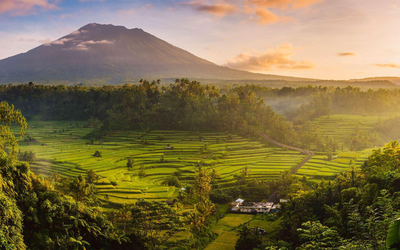
Bali is often presented through images of beautiful beaches, private villas and impressive resorts. These places are part of the island’s appeal, but they do not tell the whole story. Beyond the familiar tourist areas, Bali has a strong cultural identity shaped by religion, family traditions, local communities and a close relationship with nature.
The authentic side of Bali is not found in one particular village or attraction. It is part of everyday life. It can be seen in the small offerings placed outside homes, the work carried out in rice fields, the preparation of traditional meals and the ceremonies that bring communities together.
For visitors, discovering this side of the island requires a different approach. Instead of moving quickly between famous attractions, it is worth spending time with local people, learning about their customs and understanding the places being visited.
These experiences can add depth to a journey. They also offer a better understanding of what makes Bali distinctive beyond its reputation as a luxury holiday destination.
Understanding the Cultural Identity of Bali
Balinese culture is closely connected to Hinduism, family life and community traditions. Religion is not limited to temples or special occasions. It is present in many parts of daily life, from household ceremonies to local festivals and village activities.
One of the most visible examples is the daily offering known as canang sari. These small arrangements often contain flowers, leaves and other natural materials. They are placed in homes, shops, temples and public spaces as an expression of gratitude and devotion.
Visitors may see them throughout the island, sometimes in places that seem unexpected. It is important not to step on or move these offerings, even when they are placed on pavements or near entrances.
Another important part of Balinese culture is the concept of Tri Hita Karana. It describes the relationship between people and the divine, people and one another, and people and the natural world. This idea helps explain why religious practice, community cooperation and respect for the environment are closely connected.
Understanding these traditions gives visitors a more meaningful view of the island. A temple visit, for example, becomes more interesting when travellers understand the role it plays in community life rather than seeing it only as an architectural attraction.
Experience Everyday Life in Traditional Villages
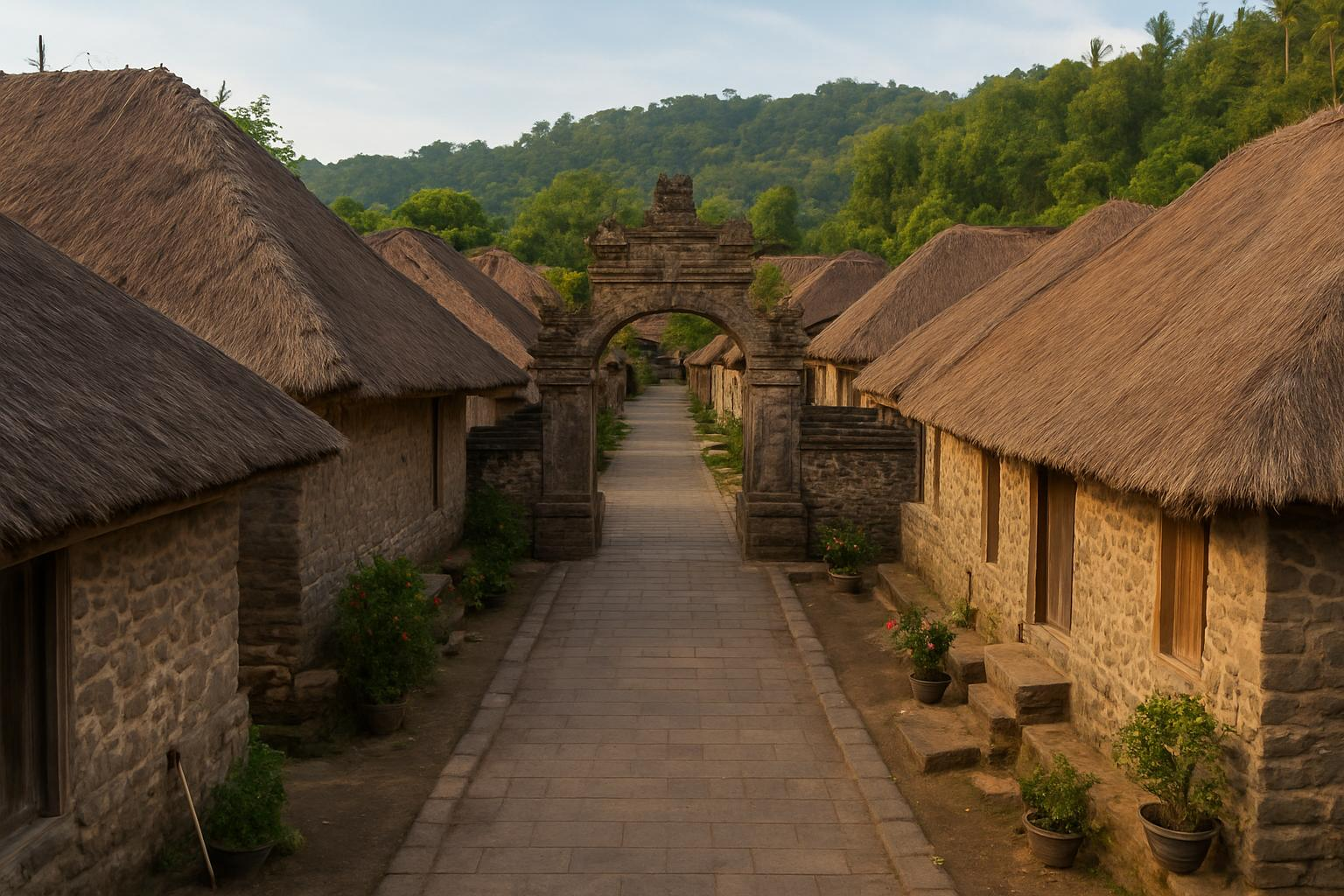
Village life offers one of the clearest ways to understand the authentic side of Bali. Away from the main tourist centres, many communities continue to organise daily activities around family, farming, local customs and religious responsibilities.
In Sidemen, East Bali, visitors can explore a landscape of rice fields, small settlements and traditional homes. Walking through the area with a local guide offers a chance to learn about farming practices and the role of agriculture in village life.
Tenganan, also in East Bali, has a distinctive cultural identity. The village is known for its traditional customs and the production of gringsing textiles, made using a complex double-ikat weaving technique. A visit can provide insight into the importance of craftsmanship and the preservation of local traditions.
Other rural areas around Munduk and Pupuan offer a quieter view of the island. Coffee plantations, rice terraces and small farms form part of the landscape. These places are suitable for travellers who want to explore at a slower pace.
A respectful visit is essential. Villages are living communities, not open-air museums. Visitors should ask before taking photographs, follow local instructions and avoid entering private homes or ceremonial spaces without an invitation.
Discover the Meaning of Balinese Ceremonies and Traditions
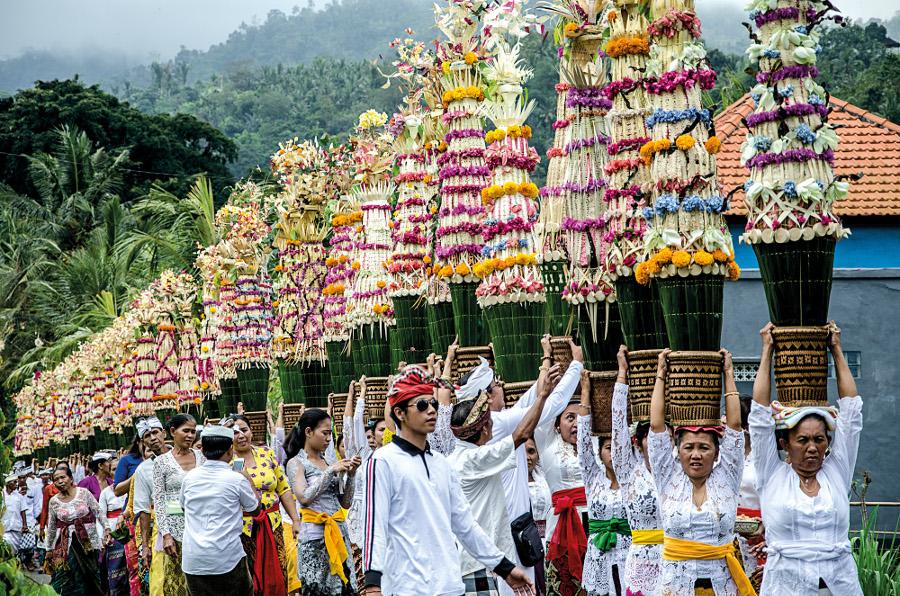
Ceremonies are an important part of life in Bali. They mark religious events, family milestones and important stages of life. Some take place within individual households, while others involve entire villages.
Visitors may encounter processions, traditional music, decorated streets and people dressed in ceremonial clothing. These events can be impressive, but their meaning is often more important than their visual appearance.
Galungan and Kuningan are among the most significant celebrations in the Balinese Hindu calendar. Galungan marks the victory of dharma, or good, over adharma, or evil. During this period, decorated bamboo poles called penjor can be seen outside homes and along roads. Kuningan takes place ten days after Galungan and marks the end of the celebration.
Nyepi, the Balinese Day of Silence, is another distinctive tradition. It marks the Hindu New Year according to the Saka calendar. During Nyepi, the island observes a period of silence and restrictions on travel, work and outdoor activities. Visitors must follow the rules in place, including remaining within their accommodation.
These traditions show how culture continues to shape the island’s rhythm. Travellers who plan their visit around the local calendar may have the opportunity to learn about important celebrations. However, ceremonies should always be approached with respect. They are religious events, not performances arranged for visitors.
Explore Traditional Food and Family Cooking
Food is one of the most direct ways to understand a place. In Bali, traditional cooking reflects local ingredients, family recipes and the island’s cultural influences.
Many dishes use fresh herbs, spices, coconut, vegetables and rice. Some are prepared for everyday meals, while others are associated with ceremonies and special occasions.
A cooking class with a local family can offer more than a demonstration of recipes. It can introduce visitors to the ingredients used in Balinese kitchens and explain how meals are prepared. Some experiences begin with a visit to a traditional market, where participants can learn about local produce and spices.
Dishes such as sate lilit, lawar and ayam betutu provide an introduction to different aspects of Balinese cuisine. Sate lilit is made with seasoned minced meat or fish wrapped around a skewer. Lawar combines vegetables, coconut and spices, while ayam betutu is a richly seasoned chicken dish cooked slowly.
Food traditions also vary between communities and households. Recipes are not always identical, and the preparation of a dish can reflect local preferences and family customs.
For a more personal experience, smaller cooking classes and family-run food experiences are often a good choice. They provide time to ask questions and learn directly from the people preparing the food.
Explore [internal link: Best Indonesian Dining Experiences in Bali] for more ideas on discovering the island through its cuisine.
Learn About Traditional Arts and Local Craftsmanship
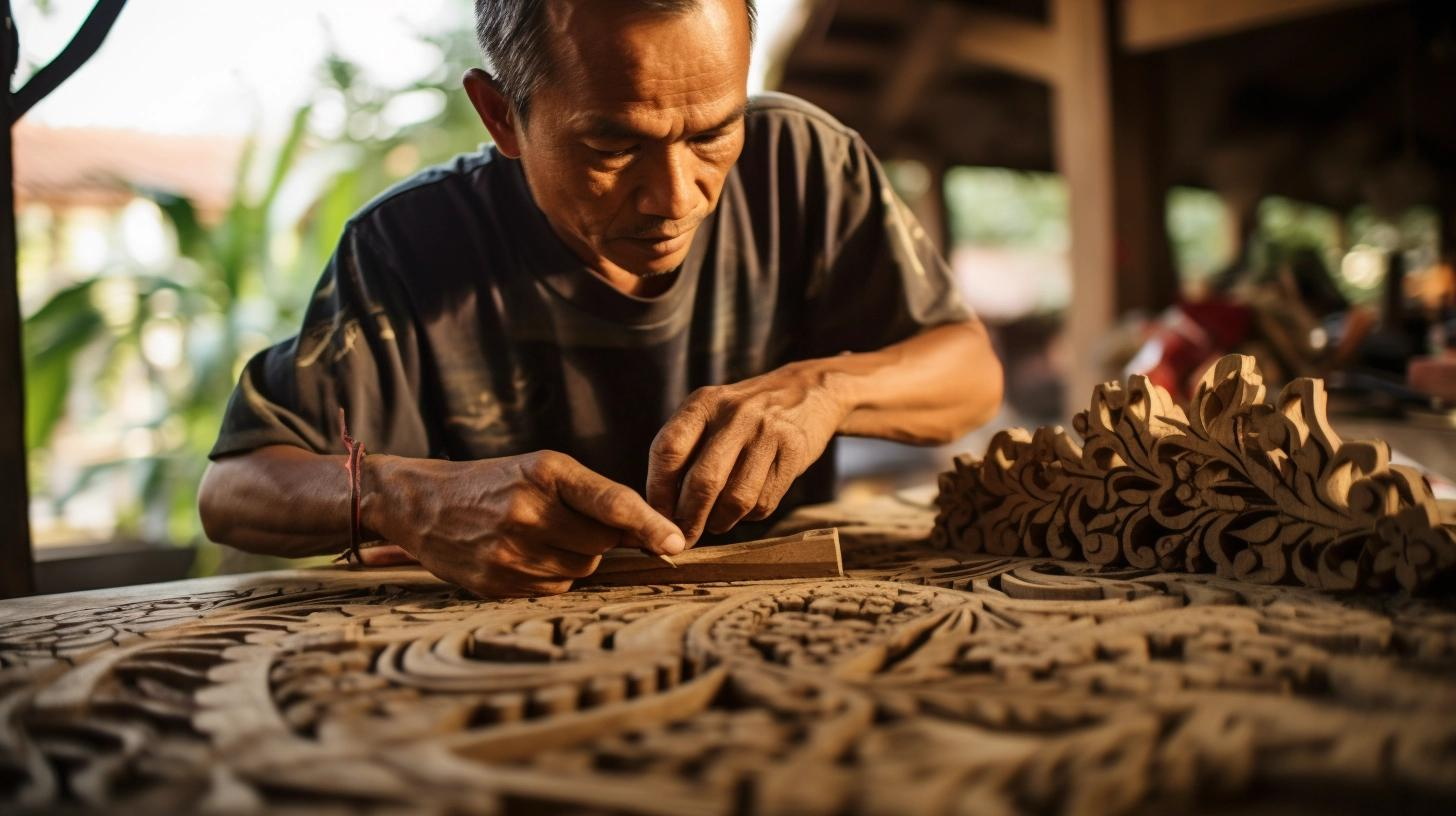
Balinese art is closely connected to the island’s religious and cultural life. Painting, wood carving, stone carving, silverwork and textile production all have long traditions.
In and around Ubud, visitors can find workshops and small studios where local artisans continue these practices. Some offer the opportunity to watch a craftsperson at work, while others organise private lessons or small-group sessions.
Wood carving is an important part of Balinese craftsmanship. Skilled artisans create decorative objects, figures and architectural details. The work can require considerable patience, especially when a design includes fine details.
Traditional textiles also have a special place in local culture. Endek and songket fabrics are used for clothing and ceremonies. Gringsing, produced in Tenganan, is particularly distinctive because of its demanding double-ikat technique.
Visitors can learn more by meeting the people who make these objects. A workshop allows time to understand the materials, tools and techniques involved. It can also help travellers recognise the difference between locally produced work and mass-produced souvenirs.
Buying directly from artisans, where possible, is a practical way to support traditional skills. It also gives each purchase a clearer connection to the place where it was made.
For further inspiration, see [internal link: Bali’s Finest Jewellery, Artisan Crafts & Traditional Design].
Understand the Connection Between Bali and Nature
Nature is not simply a backdrop to Balinese life. It is closely linked to farming, religious beliefs and community organisation.
The island’s rice terraces are among the clearest examples of this relationship. They are part of a traditional irrigation system known as subak, through which farmers manage water together. The system reflects cooperation between communities and the importance of water in Balinese agriculture.
Jatiluwih is one of the best places to understand this landscape. Its extensive rice terraces form part of a UNESCO World Heritage Site. Walking through the area with a local guide can help visitors learn how the irrigation system works and why the fields remain important to the local economy.
In other parts of Bali, coffee, cacao and other crops are grown on family farms. Visits to small producers can explain how local agriculture works and how products move from the fields to the market.
The island’s natural environment also has a spiritual dimension. Certain trees, forests, springs and mountains are treated with particular respect. Visitors may encounter small shrines or ceremonial spaces in natural settings.
Understanding these connections encourages a more thoughtful way to explore. It also helps travellers see why the protection of agricultural land, forests and water resources matters to local communities.
Discover Local Markets and Community Life
Traditional markets are an important part of daily life in Bali. They are places where residents buy fresh food, spices, flowers, household goods and materials for religious offerings.
An early morning visit can offer a more direct view of local routines. Vendors arrange their products, families shop for ingredients and small food stalls serve breakfast. The atmosphere is often busy, but it provides a useful picture of everyday life.
Markets are also places to learn about local ingredients. Visitors may discover unfamiliar fruits, vegetables and spices, as well as products used in traditional cooking and ceremonies.
It is best to visit with a local guide if you want a deeper understanding of the products and customs. A guide can explain what is being sold and help with communication. Visitors should ask before photographing vendors or their stalls.
Community life can also be experienced through village events, local performances and workshops. These activities vary throughout the year, so it is worth checking what is available during the visit.
A thoughtful market visit is not about finding the most unusual photograph. It is about observing how people work, shop and interact. A little time and respect can make the experience more rewarding.
Choose Experiences That Respect Local Communities
Discovering the authentic side of Bali also means considering how tourism affects the island. Popular destinations bring economic opportunities, but they can also place pressure on local communities, natural resources and cultural sites.
Travellers can make more considered choices by using local guides, booking community-run activities and supporting independent artisans. These decisions help keep more of the benefits of tourism within the places being visited.
Accommodation can also influence the experience. A small property in Sidemen or Munduk may provide a closer connection to the surrounding countryside. A quiet coastal stay in Amed or Pemuteran can make it easier to meet local guides and explore the area at a slower pace.
Luxury and authenticity are not opposites. A comfortable private villa or boutique retreat can provide privacy while still allowing guests to engage with local culture. The important point is to choose experiences that are respectful and genuinely connected to the destination.
Visitors should also follow temple dress codes, avoid disturbing ceremonies, reduce waste and respect local rules. When visiting natural areas, they should remain on permitted paths and avoid activities that harm wildlife or coral reefs.
For more ideas on travelling responsibly and exploring beyond the main tourist areas, read [internal link: Bali for Luxury Travellers: Essential Travel Tips & Experiences] and Best Off-the-Beaten-Path Experiences in Bali.
Experience Bali Beyond the Familiar
The authentic side of Bali is not a single destination or a list of attractions. It is found in the island’s everyday details: the offerings outside a family home, the work of a village artisan, the shared management of rice fields and the traditions that bring communities together.
Travellers who take time to understand these details often leave with a more complete impression of the island. They see how culture, nature and daily life are connected, and why these relationships remain important.
A journey beyond the familiar tourist routes does not require giving up comfort. It simply calls for a more thoughtful choice of places and experiences. By spending time with local communities and approaching traditions with respect, visitors can discover a side of Bali that stays with them long after the journey ends.
Frequently Asked Questions
What does the authentic side of Bali mean?
It refers to the island’s local culture, traditions, food, crafts, village life and religious practices. It is the part of Bali that visitors may not fully experience when they stay only in major tourist areas.
Where can visitors experience traditional Balinese culture?
Sidemen and Tenganan are good places to learn about village life and traditional crafts. Ubud also has workshops, art studios and cultural activities. Local guides can help visitors find experiences that are respectful and connected to the community.
What are the best ways to learn about Balinese traditions?
Visitors can take part in local cooking classes, meet traditional artisans, explore villages with a guide and learn about temple customs. Attending a local cultural event can also be rewarding when it is open to visitors.
Can luxury travellers experience authentic Bali?
Yes. Luxury accommodation can be combined with private cultural visits, local cooking experiences, artisan workshops and guided walks. The key is to choose activities that involve local people and respect their traditions.
How can visitors show respect for Balinese culture?
Dress appropriately when visiting temples, follow local instructions, ask before taking photographs and avoid interrupting ceremonies. Visitors should also respect religious offerings, private homes and community spaces.