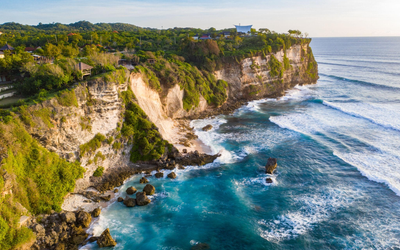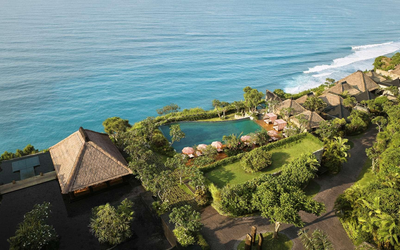
Bali offers much more than famous beaches, beach clubs and busy resort areas. Beyond the main tourist routes, visitors can discover traditional villages, family farms, quiet coastal communities and natural landscapes that reveal another side of the island.
The most rewarding experiences often come from taking more time. A walk through a working rice field can offer more insight than a quick photo stop. A cooking lesson with a local family can reveal the role of food in Balinese culture. A boat trip to a quiet reef can show a different side of the island’s natural beauty.
These experiences are not always difficult to find, but they often require more planning than a standard sightseeing tour. Some are best arranged through local guides or community groups. Others simply call for an early start and a willingness to explore.
For travellers who want to understand Bali beyond its best-known attractions, these experiences offer a more personal way to discover the island.
Walk Through Traditional Villages and Rural Landscapes
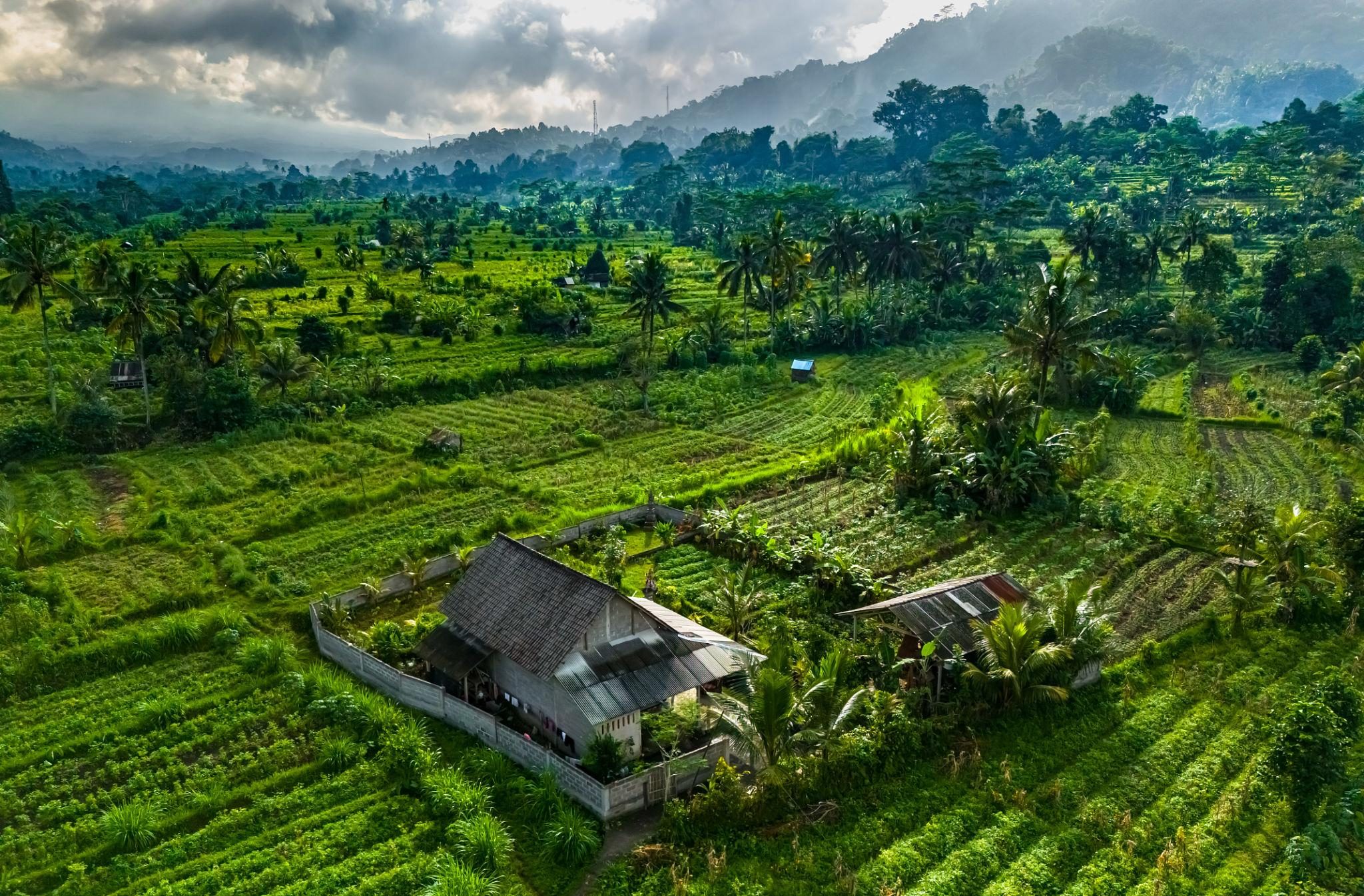
One of the simplest ways to experience a different side of Bali is to explore its villages on foot. Away from the main tourist centres, many communities still follow a daily rhythm shaped by farming, local customs and religious traditions.
Sidemen is an excellent place to begin. Its paths pass through rice fields, small settlements and traditional weaving areas. Visitors can walk with a local guide, learn about the area’s farming methods and see how families produce textiles such as endek and songket. Early morning is often the best time, when the air is cooler and Mount Agung may be visible above the valley.
Other rural areas offer different experiences. Around Belimbing and Pupuan, walks can pass through rice terraces, plantations and quiet countryside. In the north, villages near Munduk provide access to forest paths, coffee farms and mountain views.
A guided walk is often more rewarding than exploring alone. Local guides can explain the meaning of village temples, farming traditions and daily customs. They can also help visitors avoid private land and paths that are not open to the public.
Community-led tourism offers another way to explore. The Jaringan Ekowisata Desa network works with village groups that manage their own tourism activities. These experiences aim to support local livelihoods while protecting cultural and natural heritage.
Learn Traditional Crafts from Local Artisans

Balinese craftsmanship is part of the island’s cultural identity. Wood carving, stone carving, silverwork, painting and textile weaving are not simply souvenirs. They are skills passed between generations, with strong links to local history and religious life.
Rather than buying a finished object, visitors can arrange a workshop with a local artisan. In and around Ubud, small studios offer opportunities to learn about painting, wood carving and silver jewellery. In East Bali, traditional weaving communities provide insight into the production of handwoven fabrics.
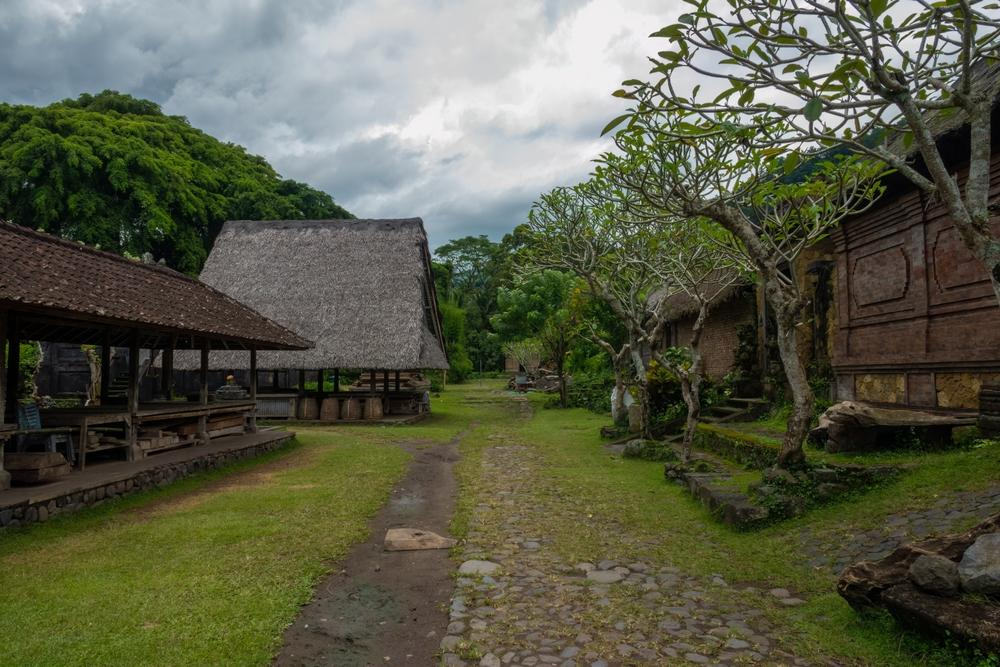
Tenganan is particularly interesting for its gringsing textiles. The village is known for a complex double-ikat weaving technique. The process requires careful planning and skill, and each stage takes time. Visitors can learn about the work involved and the cultural role of these fabrics.
A good workshop should allow time to understand the craft before trying it. The aim is not necessarily to produce a perfect object. It is to learn about the materials, techniques and people behind the work.
Visitors should choose genuine local workshops and ask whether the fee supports the artisan directly. This helps keep traditional skills active and gives the experience a clearer purpose.
For a wider look at the island’s creative heritage, see [internal link: Bali’s Finest Jewellery, Artisan Crafts & Traditional Design] and [internal link: Best Art Galleries in Bali].
Discover Bali’s Food Culture Beyond Restaurants
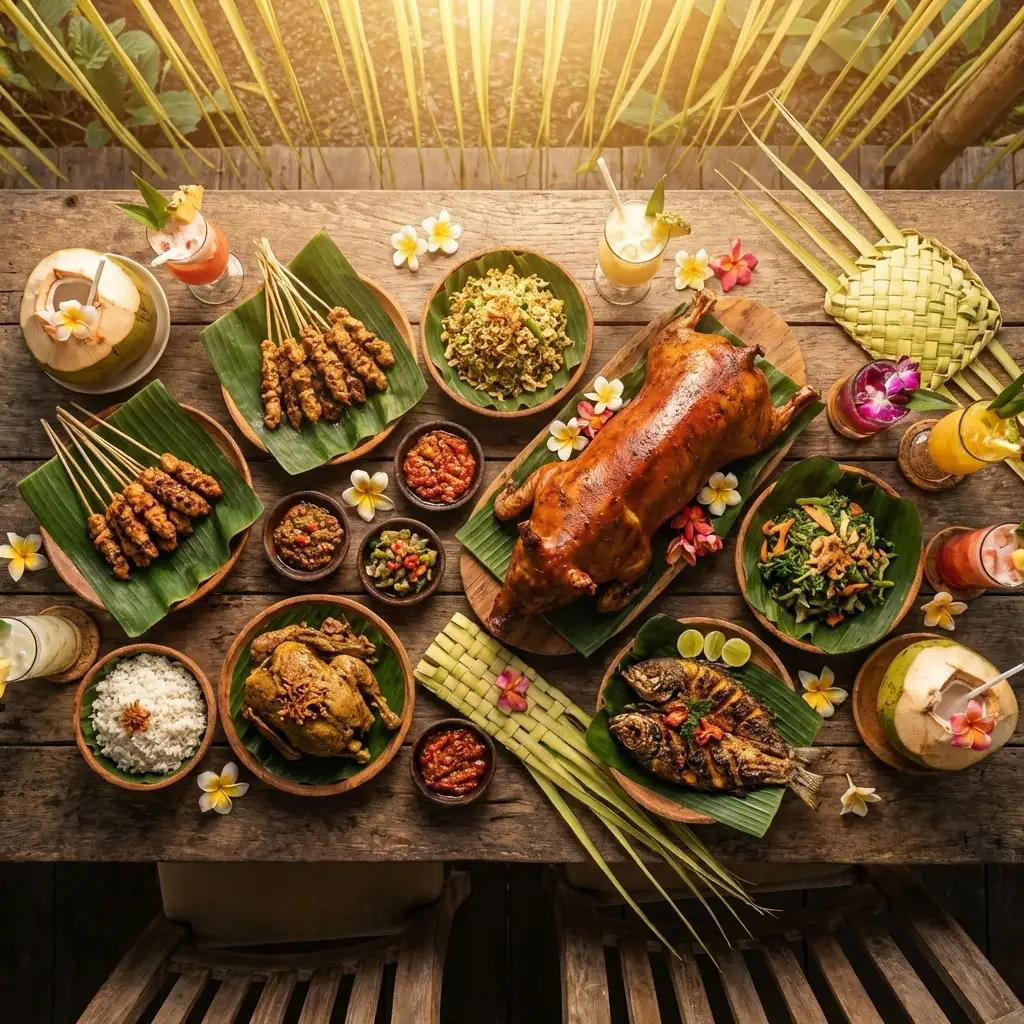
Balinese food is closely connected to family life, local markets and religious traditions. A restaurant meal can introduce visitors to local flavours, but a market visit or home cooking lesson can offer a deeper understanding of the island’s cuisine.
A local cooking experience often begins at a traditional market. Visitors can learn how to select fresh vegetables, herbs, spices and other ingredients. The guide may explain how different ingredients are used in daily cooking and during ceremonies.
The cooking session then moves to a family kitchen or a small local cooking school. Participants may prepare dishes such as sate lilit, lawar or ayam betutu, depending on the menu and the host. The methods can involve grinding spices, preparing coconut mixtures and cooking over traditional heat.
The setting matters. A small class with a local cook can feel more personal than a large commercial demonstration. It also allows visitors to ask questions and understand how recipes change between families and regions.
Food experiences can also include visits to coffee and cacao farms. In the highlands around Kintamani and other agricultural areas, visitors can learn about local crops and how they are grown and processed.
These experiences offer a useful connection between the island’s landscape and its food. They also create an opportunity to support small producers and family businesses.
For more dining ideas, explore [internal link: Best Indonesian Dining Experiences in Bali] and [internal link: Best Restaurants in Bali: A Luxury Dining Guide].
Explore Waterfalls, Forest Trails and Mountain Landscapes

Bali’s natural landscape offers many ways to explore beyond the usual sightseeing routes. The island has forested hills, volcanic slopes, mountain lakes and waterfalls. Some of the most rewarding visits involve walking rather than simply arriving at a viewpoint.
In the Munduk area, forest trails lead to waterfalls and plantations. The cooler climate makes this part of Bali suitable for longer walks. Some routes pass through coffee and clove-growing areas, offering views of the surrounding hills.
The Sambangan area in northern Bali is another option for visitors interested in waterfall walks. Its green landscape includes several waterfalls and natural pools. Routes can involve uneven ground and steep sections, so a local guide is useful, especially after rain.
For a different experience, travellers can explore the countryside around Mount Batur. Instead of joining the busiest summit route, they can arrange a guided walk through villages, farmland and quieter viewpoints. The landscape changes with the light, and early morning often offers the clearest mountain views.
Lake Tamblingan also provides an opportunity to explore Bali’s forest environment. The lake is surrounded by dense vegetation and has a strong connection to local spiritual traditions. Some guided visits include a traditional canoe crossing and walks to nearby temples.
These activities require care. Visitors should check weather conditions, use suitable footwear and follow local guidance. Waterfall paths can become slippery, while mountain weather can change quickly.
Experience Bali’s Coast and Underwater World at a Slower Pace

Bali’s quieter coastal areas offer more than time on the beach. They provide opportunities to meet fishing communities, explore coral reefs and learn about marine conservation.
Amed, on the north-east coast, is a good place to start. Its villages are known for traditional fishing boats, dark volcanic beaches and access to several snorkelling and diving areas. Visitors can arrange a guided trip to explore coral gardens or learn the basics of diving with a local centre.
Pemuteran, in the north-west, offers a different experience. The area is known for its community involvement in coral restoration, including the Biorock project. Visitors can learn about the work and explore parts of the reef through guided snorkelling or diving trips.
Menjangan Island, within West Bali National Park, is another destination for marine activities. Its underwater landscape includes coral walls and reef life. Boat trips are usually arranged from the north-west coast, and visitors should choose operators who follow responsible wildlife and reef practices.
The Nusa Islands also offer opportunities to explore the sea beyond Bali’s main coastline. A private or small-group boat trip can include snorkelling stops, coastal views and time on quieter beaches. Conditions vary, so routes should be planned with local operators rather than treated as fixed itineraries.
The quality of these experiences depends on responsible choices. Visitors should avoid touching coral, feeding marine animals or chasing wildlife for photographs. A good guide will explain how to enjoy the water without damaging the environment.
See also [internal link: Best Diving & Snorkelling Experiences in Bali] and [internal link: Bali Yacht Charter Guide: The Best Private Sailing Experiences].
Take Part in Local Traditions and Cultural Experiences
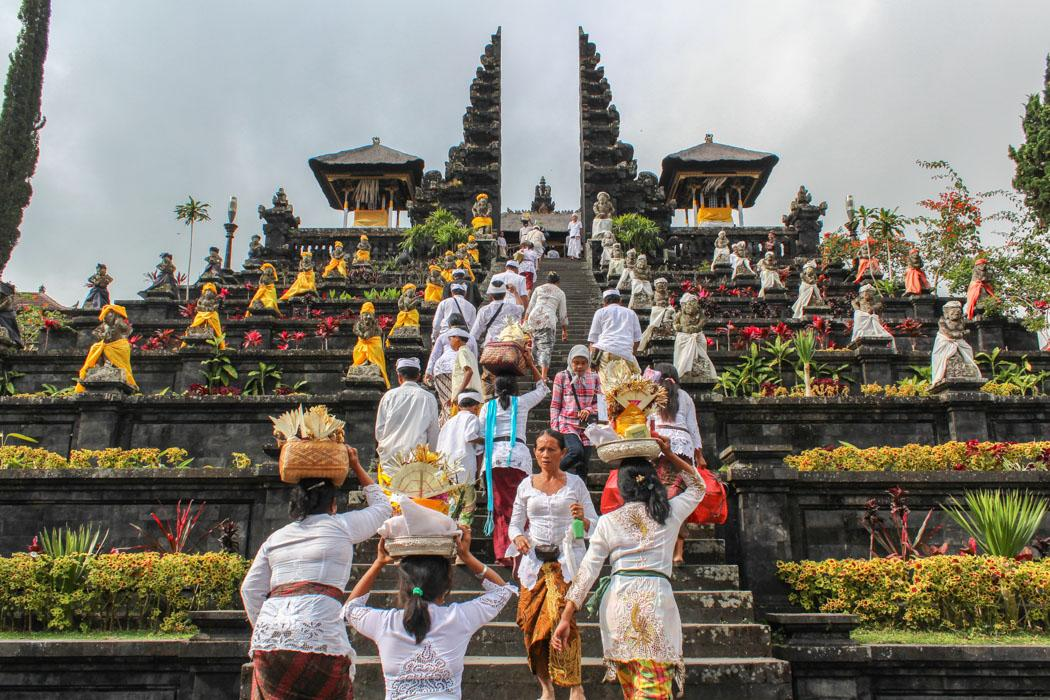
Bali’s religious and cultural life is visible throughout the island. Temples, family compounds and village ceremonies remain part of everyday life. Visitors can learn about these traditions by taking part in respectful cultural experiences.
A visit to a temple with a knowledgeable local guide can provide more context than sightseeing alone. Guides can explain the role of offerings, the meaning of temple spaces and the customs visitors should follow. Some temples also host dance and music performances that introduce visitors to Balinese artistic traditions.
Traditional dance is closely connected to stories, religious beliefs and community celebrations. Rather than choosing only a large tourist performance, visitors can look for smaller cultural events organised by local communities. Availability depends on the village calendar, so arrangements should be confirmed in advance.
Another option is to learn about the preparation of ceremonial offerings. These small arrangements of flowers, leaves and other materials are part of daily religious practice. A local host can explain their meaning and demonstrate how they are made.
Visitors should remember that ceremonies are not performances created for tourists. Photography may be restricted, and some areas may be closed to non-participants. Appropriate clothing and respectful behaviour are essential.
For further cultural ideas, read [internal link: Best Cultural Experiences in Bali].
Choose Quiet Stays and Experiences That Support Local Communities
An off-the-beaten-path journey is not only about the places visited. Where travellers stay and how they arrange their activities can also shape the experience.
A small retreat in Sidemen, a countryside villa near Munduk or a quiet coastal property in Pemuteran can provide a more personal base than a large resort in a busy area. These stays often make it easier to explore nearby villages and natural attractions at a relaxed pace.
The best choice depends on the type of journey. Sidemen suits travellers interested in rice fields and traditional crafts. Munduk is a good base for forest walks and waterfalls. Amed and Pemuteran are better suited to visitors who want to spend time by the sea.
Travellers can also look for locally managed tours and activities. Community-based organisations allow villages to have a more active role in deciding how tourism takes place. Choosing these experiences can help direct income towards local guides, artisans and small businesses.
A more responsible approach also means avoiding activities that disturb wildlife or damage natural areas. Visitors should follow marked routes, respect local rules and reduce waste. Small decisions can make a difference, especially in places where tourism is still developing.
For more ideas on where to stay and how to plan a slower journey, explore [internal link: Bali’s Most Secluded Luxury Escapes] and [internal link: Bali for Luxury Travellers: Essential Travel Tips & Experiences].
Frequently Asked Questions
What are the best off-the-beaten-path experiences in Bali?
Some of the most rewarding experiences include village walks in Sidemen, traditional craft workshops, local cooking classes, waterfall hikes in Munduk, snorkelling in Pemuteran and cultural visits with knowledgeable local guides.
Where can visitors experience traditional Balinese life?
Sidemen and Tenganan are good places to learn about village life, textiles and local customs. Community-led tourism projects also offer activities organised by local residents.
Are off-the-beaten-path experiences in Bali suitable for luxury travellers?
Yes. Many experiences can be arranged privately or in small groups. Travellers can combine local guides, artisan workshops and nature activities with stays in boutique hotels, private villas and secluded retreats.
Is it necessary to hire a local guide in Bali?
A guide is not essential for every activity, but it can make rural walks, cultural visits and nature excursions more informative and safer. Guides can also help visitors respect local customs and access rules.
How can visitors explore Bali more responsibly?
Choose locally managed experiences, support independent artisans and businesses, follow village and temple rules, avoid disturbing wildlife and never touch coral. Travelling at a slower pace also helps reduce pressure on popular destinations.