Thailand Luxury Wellness Retreats: Why This Destination Reigns Supreme
Thailand luxury wellness retreats attract over two million health-focused travelers every year, making this Southeast Asian kingdom the undisputed capital of global wellness tourism. Few destinations on earth combine ancient healing wisdom, breathtaking landscapes, and five-star hospitality quite so naturally. Thailand does not just offer relaxation. It offers genuine transformation, rooted in centuries of tradition and delivered with unmistakable grace.
In fact, the Thai wellness industry now generates more than $16 billion annually. That figure reflects real demand, not marketing hype. Travelers from London, New York, Sydney, and Dubai are choosing Thailand over European spas and Caribbean resorts for one simple reason: the results are deeper, the value is higher, and the experience is unlike anything else.
The Rise of Thailand as a Wellness Destination
Thailand’s wellness story did not begin with glossy brochures. It began in temple courtyards, where monks practiced Nuad Thai massage over 2,500 years ago. That ancient knowledge never disappeared. Instead, it evolved alongside modern wellness science, creating a uniquely powerful hybrid approach.
Today, Thailand ranks consistently among the top three global wellness tourism destinations. The Thai government has invested heavily in wellness infrastructure since 2015. As a result, international quality standards now coexist with authentic local practices. New retreats open every year, yet the culture of care remains deeply genuine.
Thailand Luxury Wellness Retreats vs. Western Alternatives
Compare a week at a Swiss alpine spa with a week at a Phuket wellness resort. The Swiss option may cost three times more for broadly similar therapies. Meanwhile, Thailand delivers personalized daily programs, private villa accommodation, and ocean views, often at half the price.
Western retreats excel at clinical precision. However, they rarely match the cultural depth that Thailand offers. Here, your massage therapist may have trained for a decade in traditional medicine. Your chef may have studied Ayurvedic nutrition alongside Thai herbal cooking. That layered expertise is genuinely hard to replicate elsewhere.
What Makes Thailand’s Retreat Scene Unique
Three things set Thailand apart. First, the sheer density of world-class retreats in a relatively small country means intense competition, which drives quality relentlessly upward. Second, Thai hospitality is cultural, not transactional. The concept of “Kreng Jai,” or considerate care for others, shapes every interaction you will have with staff.
Third, the natural environment is a therapy in itself. Jungle waterfalls, coral reefs, misty mountain valleys, and warm tropical seas surround nearly every retreat. Nature becomes part of the healing protocol, not just the backdrop.
Climate, Culture, and Wellness Integration
Thailand’s tropical climate plays a direct therapeutic role. Warm temperatures year-round support deep muscle relaxation and improve circulation during outdoor treatments. Humidity, often viewed as uncomfortable, actually benefits the skin and respiratory system when managed well by a quality retreat.
Culturally, Buddhism permeates Thai wellness philosophy. Mindfulness, compassion, and present-moment awareness are not add-ons here. They are foundational values woven into every program. Even a purely physical detox retreat will carry Buddhist principles of moderation and self-awareness beneath the surface.


Top Thailand Luxury Wellness Retreat Destinations
Choosing the right location is the first major decision for any wellness traveler in Thailand. Each region has a distinct character and a different wellness specialty. Understanding those differences helps you match the destination to your personal goals.
Phuket’s Premium Wellness Centers
Phuket is Thailand’s most developed wellness hub. The island hosts some of Asia’s most celebrated luxury wellness retreats, including internationally recognized names like SHA Wellness Phuket, Amanpuri, and Trisara. These are not generic spa hotels. They are purpose-built healing environments with medical-grade facilities, resident physicians, and deeply individualized programs.
Phuket suits travelers who want comprehensive programs combining detox, fitness, and medical wellness under one roof. The island’s airport handles direct international flights from most major cities. Additionally, the local infrastructure is exceptionally well developed. Private transfers, high-end dining, and post-retreat excursions are all effortlessly accessible.
Thai Architecture Luxury Hotels: Design Masterpieces
Chiang Mai: Spiritual Healing and Holistic Retreats
Chiang Mai offers a completely different energy. Nestled among mountains in northern Thailand, this ancient city is the country’s spiritual heartland. Its wellness retreats tend to focus on meditation, yoga, traditional herbalism, and authentic Thai healing arts rather than medical-grade detox programs.
Retreats like MALA Dhara Eco Resort and the Oasis Spa Collection attract travelers seeking inner transformation. The surrounding mountains and temples create a naturally contemplative atmosphere. For many visitors, Chiang Mai becomes a life-changing destination precisely because it slows everything down. That slower pace is itself therapeutic.
Koh Samui’s Beachfront Luxury Wellness Experiences
Koh Samui blends beach luxury with serious wellness programming. The island is home to Kamalaya Koh Samui, consistently rated among the world’s top ten wellness retreats. Kamalaya’s approach is genuinely holistic. Programs address burnout, emotional balance, detoxification, and physical vitality simultaneously.
Beyond Kamalaya, Samui’s coastline supports numerous high-end retreat centers offering raw food programs, sound healing, and Ayurvedic treatments. The beachfront setting makes morning yoga and sunset meditation feel effortless. Similarly, the warm waters of the Gulf of Thailand provide natural hydrotherapy at no extra cost.
Bangkok’s Urban Wellness Sanctuaries
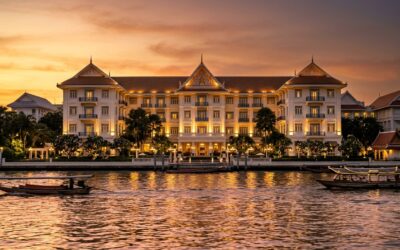
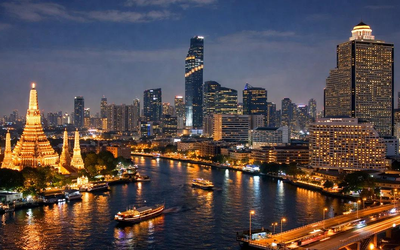
Bangkok surprises many wellness travelers. This sprawling city has developed an impressive network of urban wellness sanctuaries that cater to business travelers and short-stay guests. Hotels like Rosewood Bangkok and Capella Bangkok house award-winning spa facilities that rival dedicated retreat centers.
Bangkok also gives access to Thailand’s most advanced integrative medicine clinics. For those combining wellness tourism with medical consultations, the capital is an ideal base. Of course, the city’s energy is intense. However, the best urban wellness programs use that energy deliberately, teaching clients to find calm within complexity.


What to Expect from Thailand Luxury Wellness Retreats
First-time guests at Thailand luxury wellness retreats often arrive unsure of what a typical day will look like. In reality, the structure varies by retreat and by program. However, certain core experiences appear consistently across the highest-rated facilities.
Signature Therapies and Traditional Practices
Thai massage is the most iconic therapy you will encounter. It is nothing like a Swedish relaxation massage. A trained therapist uses rhythmic pressure, assisted stretching, and acupressure to release deep muscular tension and improve energy flow through the body’s “sen” lines. A single session can feel like a complete physical reset.
Beyond Thai massage, leading retreats offer herbal compress treatments, traditional tok sen wooden-hammer therapy, and abhyanga oil massage drawn from Ayurvedic tradition. Many facilities also incorporate Chinese medicine practices such as acupuncture and cupping. On top of that, newer science-backed modalities like cryotherapy, infrared sauna, and IV nutritional therapy appear frequently at the most progressive centers.
Accommodation and Facilities at High-End Retreats
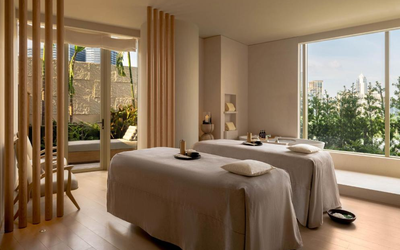
Accommodation at premium Thailand wellness retreats is genuinely luxurious. Private pool villas, jungle bungalows with outdoor bathtubs, and beachfront suites are standard at the top tier. These are not functional rooms. They are restorative environments designed with acoustic comfort, natural materials, and calming color palettes in mind.
Facilities typically include multiple pools, hydrotherapy circuits, steam rooms, saunas, cold plunge pools, and dedicated yoga shalas. Many retreats maintain private meditation gardens, forest walking trails, and coastal access. The level of facility design at Thailand luxury wellness retreats now matches or exceeds comparable European counterparts in almost every category.
Nutrition and Culinary Wellness Programs
Food is central to every serious wellness program in Thailand. Top retreats employ nutritionists and executive chefs who work together to create menus that are both therapeutic and genuinely delicious. Expect plant-forward Thai cuisine, cold-pressed juices, healing broths, and carefully portioned detox menus calibrated to your specific program goals.
Many retreats offer cooking classes alongside nutritional consultations. These sessions teach you how to recreate healing meals at home. That education is part of the retreat’s long-term value. You leave not just feeling better, but equipped with practical tools to sustain your wellness beyond the resort gates.
Thailand luxury beach experiences: A Complete Guide
Yoga, Meditation, and Mindfulness Sessions
Morning yoga at a Thai retreat is a ritual you will remember for years. Sessions typically run at sunrise, outdoors if weather permits, facing a garden, ocean, or mountain view. Instructors at leading retreats hold internationally recognized certifications and bring deep personal practice to each class.
Meditation programs range from beginner-friendly guided sessions to advanced Vipassana-style silent practices lasting several days. Mindfulness is woven into daily schedules through breathing workshops, body-scan sessions, and nature walks designed to cultivate present-moment awareness. These practices are not optional extras. At the best Thailand luxury wellness retreats, they form the structural backbone of every program.

Planning Your Thailand Luxury Wellness Retreat: Essential Considerations
Good planning transforms a good retreat into a great one. Several practical factors deserve careful attention before you book. Getting these details right ensures you arrive relaxed, prepared, and ready to benefit fully from your chosen program.
Best Times to Visit Thailand Retreats
Thailand’s seasons vary significantly by region. For Phuket and the Andaman Coast, November through April is the driest and most pleasant period. Koh Samui, on the Gulf of Thailand side, enjoys its best weather from January through September. Chiang Mai is particularly beautiful from November through February, when cool mountain air clears the haze.
That said, shoulder season offers real advantages. Retreats are less crowded in May and June. Staff can give more individual attention. Prices often drop by 15 to 30 percent. For wellness travelers, the rainy season also brings lush landscapes and a quieter, more introspective atmosphere that many guests prefer.
Duration and Retreat Packages in Thailand
The right duration depends on your goals. A three to five day stay is enough for acute stress relief and an introduction to Thai healing practices. However, most wellness experts recommend seven to fourteen days for meaningful physiological change. Longer stays allow the body time to detoxify, reset hormone patterns, and establish new habits.
Retreats catering to deep transformation or serious detox often recommend twenty-one to twenty-eight day programs. These extended stays are less common but available at specialty centers. Most leading retreats offer modular packages. You can combine a detox week with a fitness week or extend a yoga program with a spiritual retreat component.
Budget Expectations for Premium Wellness Experiences
Thailand luxury wellness retreats span a wide price range. Entry-level luxury programs start around $2,000 per week inclusive of accommodation, meals, and core treatments. Mid-tier retreats typically run $3,500 to $6,000 per week. Top-tier destinations like Amanpuri command $8,000 to $12,000 or more for a comprehensive week-long program.
These figures include significant value. When you calculate accommodation, three daily meals, multiple daily treatments, consultations, classes, and airport transfers, the all-inclusive cost often compares favorably with booking each element separately. Furthermore, the integration of all components under expert guidance amplifies outcomes in ways that individual bookings simply cannot replicate.
Visa Requirements and Travel Logistics
Most travelers from Western countries receive a thirty-day visa exemption upon arrival in Thailand. If your program runs longer, a sixty-day tourist visa obtained in advance from a Thai embassy is usually sufficient. Always check current regulations before travel, as policies can change with little notice.
Flights into Bangkok’s Suvarnabhumi Airport or Phuket International Airport are direct from most major hubs. Koh Samui has a private airport serving regional connections. Chiang Mai connects via Bangkok with short domestic flights. Most retreat centers arrange private airport transfers as part of their welcome package, making arrival seamless even after long-haul journeys.


Choosing the Right Thailand Luxury Wellness Retreat for Your Goals
Not all wellness retreats serve the same purpose. Matching your personal health goals to the right program type is the single most important step in the planning process. Thailand’s broad retreat landscape means there is an excellent fit for almost every wellness intention.
Detox and Cleansing Retreats
Detox programs are among the most popular categories at Thailand luxury wellness retreats. Leading centers offer scientifically designed cleansing protocols that combine colon hydrotherapy, liver-support nutrition, lymphatic massage, and infrared sauna to accelerate the body’s natural elimination processes.
Chiva-Som in Hua Hin and Kamalaya on Koh Samui are globally recognized for their detox programs. These are not crash diets. They are medically supervised processes guided by resident physicians and nutritionists. Guests typically lose inflammation, improve digestive function, and regain energy clarity within the first week. Follow-up support plans are provided at discharge.
Stress Relief and Mental Wellness Programs
Burnout has become the defining health crisis of the 2020s. In response, Thailand’s top retreats have developed sophisticated stress and mental wellness programs that go far beyond relaxation massage. These programs address cortisol regulation, sleep quality, emotional processing, and nervous system resilience through integrated protocols.
Programs typically combine breathwork, trauma-informed therapy, sound healing, flotation therapy, and cognitive wellness coaching. Some retreats partner with licensed psychotherapists and psychiatrists for guests dealing with clinical anxiety or depression. The tropical setting accelerates recovery. Research consistently shows that natural environments reduce stress hormones faster than urban clinical settings.
Bangkok Luxury Rooftop Bars: The Ultimate Guide
Fitness and Physical Transformation Retreats
For guests seeking physical transformation, Thailand offers elite fitness retreat programs that combine Muay Thai training, HIIT, strength conditioning, and functional movement with recovery modalities like sports massage and cryotherapy. Several Phuket retreats specialize exclusively in this area.
RAKxa Integrative Wellness in Bangkok is a standout example. It integrates medical fitness assessments, personalized exercise prescriptions, and recovery science into programs that deliver measurable physical results. Guests leave with body composition data, a tailored home training plan, and a nutritional framework. That level of precision is what separates genuine luxury from mere comfort.
Spiritual Awakening and Transformation Journeys
Chiang Mai is the natural home for spiritual retreat seekers. Temple-based meditation courses, silent retreats, and shamanic healing workshops are available throughout the region. Several boutique retreat centers in the mountains north of the city offer immersive spiritual programs lasting two to four weeks.
These journeys are not for everyone. They require commitment, openness, and a willingness to sit with discomfort. However, for travelers ready to do that deeper work, Thailand provides an unparalleled container. The Buddhist culture, the mountain temples, and the genuine wisdom of experienced teachers create conditions for real inner transformation.
Expert Tips for Maximizing Your Thailand Luxury Wellness Experience
Arriving at a retreat is just the beginning. How you prepare before arrival and how you engage during your stay will determine how much you benefit. These expert tips come from experienced retreat guests and wellness professionals who understand what truly drives results.
Pre-Retreat Preparation for Optimal Results
Start preparing at least two weeks before your arrival. Reduce caffeine, alcohol, and processed foods gradually rather than stopping abruptly. Your body will adjust more smoothly, and your first retreat days will feel less like withdrawal and more like relief. Hydration is equally important. Increasing your water intake before travel significantly improves how your body responds to early treatments.
Additionally, complete any pre-arrival health questionnaires your retreat sends with genuine detail. Those forms help therapists personalize your program from day one. The more specific your answers, the more tailored your experience will be. Do not underestimate this step. It is one of the highest-leverage actions you can take before departure.
Getting the Most from Therapists and Wellness Professionals
Be honest with your therapists. If a treatment feels too intense, say so. If you want more focus on a specific area, ask. Thai wellness professionals have deep expertise, but they work best when guests communicate clearly. Do not assume they can intuit everything about your body and preferences.
Ask questions freely during consultations. What is this herb for? Why is this sequence of treatments recommended for my goals? Understanding the reasoning behind your program deepens your engagement and helps you continue the practices at home. The best retreat therapists are genuinely happy to teach. That knowledge transfer is part of the service.
Sustainable Wellness: Continuing Benefits After Your Retreat
The retreat ends. The transformation should not. The most common mistake wellness travelers make is treating a retreat as a one-time reset rather than a launchpad for ongoing change. Before you leave, ask your retreat team for a written home protocol covering nutrition, movement, meditation, and sleep recommendations specific to your health profile.
Many Thailand luxury wellness retreats now offer post-retreat support through digital health coaching, follow-up consultations via video call, and app-based wellness tracking. Use these resources. Studies show that guests who engage with post-retreat support maintain significantly more of their wellness gains at the three and six month marks than those who do not.
Cultural Etiquette and Respectful Retreat Participation
Thailand is a Buddhist country with deeply held cultural values. Dress modestly when visiting temples or participating in spiritual ceremonies. Remove shoes when entering any treatment room, meditation hall, or private home. These practices are not optional courtesies. They signal genuine respect for the culture that makes Thai wellness so powerful.
Similarly, be punctual for treatments and classes. Thai culture values consideration for others, and lateness disrupts the community experience that group retreats depend on. Speak quietly, put away your phone during sessions, and approach every experience with genuine openness. Your attitude shapes your outcomes far more than any treatment protocol.

Investment in Wellness: The Long-Term Value of Thailand Luxury Retreats
Spending five to ten thousand dollars on a wellness retreat is a significant decision. It deserves serious consideration. However, when you examine the full picture, the investment case for Thailand luxury wellness retreats becomes remarkably compelling.
Cost-Benefit Analysis of Premium Wellness Retreats
Consider what chronic stress, poor sleep, or nutritional deficiency actually costs over time. Medical bills, lost productivity, relationship strain, and reduced quality of life add up to figures that dwarf a week-long retreat investment. A single week of professional-grade intervention can break patterns that, if left untreated, would cost far more over years.
Furthermore, the all-inclusive nature of Thailand luxury wellness retreats eliminates many of the hidden costs of other travel styles. No restaurant bills, no transport costs between appointments, no wasted time navigating a city. Everything is designed, delivered, and integrated. That efficiency of transformation is part of what you are paying for.
Health Outcomes and Measurable Wellness Improvements
The outcomes from high-quality retreat programs are well documented. Guests at medically supervised detox programs report measurable reductions in inflammatory markers, improved liver function tests, and significant drops in fasting blood glucose after seven to fourteen day programs. Sleep quality improvements are reported by over 85 percent of guests at leading retreats.
Mental wellness outcomes are equally strong. Validated stress scales show significant reductions in perceived stress and anxiety after retreat programs. Many guests report these benefits persisting for three to six months post-departure when combined with the home protocols their retreat teams provide. These are real, measurable health improvements, not just pleasant memories.
Personal Testimonials and Success Stories
Behind every statistic is a person whose life genuinely changed. A London-based executive who arrived at Kamalaya Koh Samui on the brink of burnout, unable to sleep more than four hours a night, left after fourteen days sleeping deeply and feeling, in her words, “like a different species.” A Sydney couple spent three weeks at a Chiang Mai spiritual retreat and reported that it was the catalyst for a complete life redesign.
These stories repeat across Thailand luxury wellness retreats with striking consistency. The transformation is real. It comes from the combination of skilled therapists, intentional environments, nourishing food, community support, and the ancient wisdom embedded in Thai healing traditions. No single element creates the change. The integration of all of them does.
In short, Thailand luxury wellness retreats represent one of the most powerful and accessible pathways to genuine health transformation available to travelers today. Whether you seek physical renewal, mental clarity, spiritual growth, or simply a profound rest from the demands of modern life, Thailand offers the perfect setting, the right expertise, and the cultural depth to deliver outcomes that last. Your journey begins the moment you decide you deserve to invest in yourself. Thailand will meet you there.
Frequently Asked Questions
What are the best Thailand luxury wellness retreats for first-time visitors?
Top-rated retreats in Phuket and Koh Samui are ideal for first-timers. Kamalaya Koh Samui and Amanpuri Phuket offer beginner-friendly programs with comprehensive facilities, experienced international staff, and structured itineraries that make navigating your first luxury wellness experience both accessible and genuinely transformative.
How much should I budget for Thailand luxury wellness retreats?
Budget between $2,000 and $10,000 or more per week, depending on location, accommodation tier, and included therapies. Entry-level luxury starts around $2,000 weekly. Premium properties with medical-grade programs and private villa accommodation typically range from $6,000 to $12,000 for a fully inclusive seven-day stay.
What is the ideal duration for Thailand luxury wellness retreats?
Most wellness professionals recommend seven to fourteen days for meaningful physical and mental transformation. Shorter three to five day stays address acute stress effectively. Deeper detox, spiritual, or habit-reset programs often run twenty-one to twenty-eight days for comprehensive, lasting results that continue to benefit guests long after departure.
Are Thailand luxury wellness retreats safe and accredited?
Reputable retreats maintain international health certifications, trained multilingual staff, and modern medical facilities. Leading centers like Chiva-Som and Kamalaya hold globally recognized wellness accreditations. Always verify credentials independently, read third-party reviews, and confirm that resident medical professionals are qualified before committing to any health program.
Which wellness modalities are emphasized in Thailand luxury wellness retreats?
Thai massage, yoga, Vipassana meditation, Ayurvedic treatments, herbal medicine, and nutritional therapy form the foundation of most programs. Many retreats also integrate Western wellness science including IV therapy, cryotherapy, and biometric health assessments alongside traditional practices, creating powerfully comprehensive and personalized healing experiences.