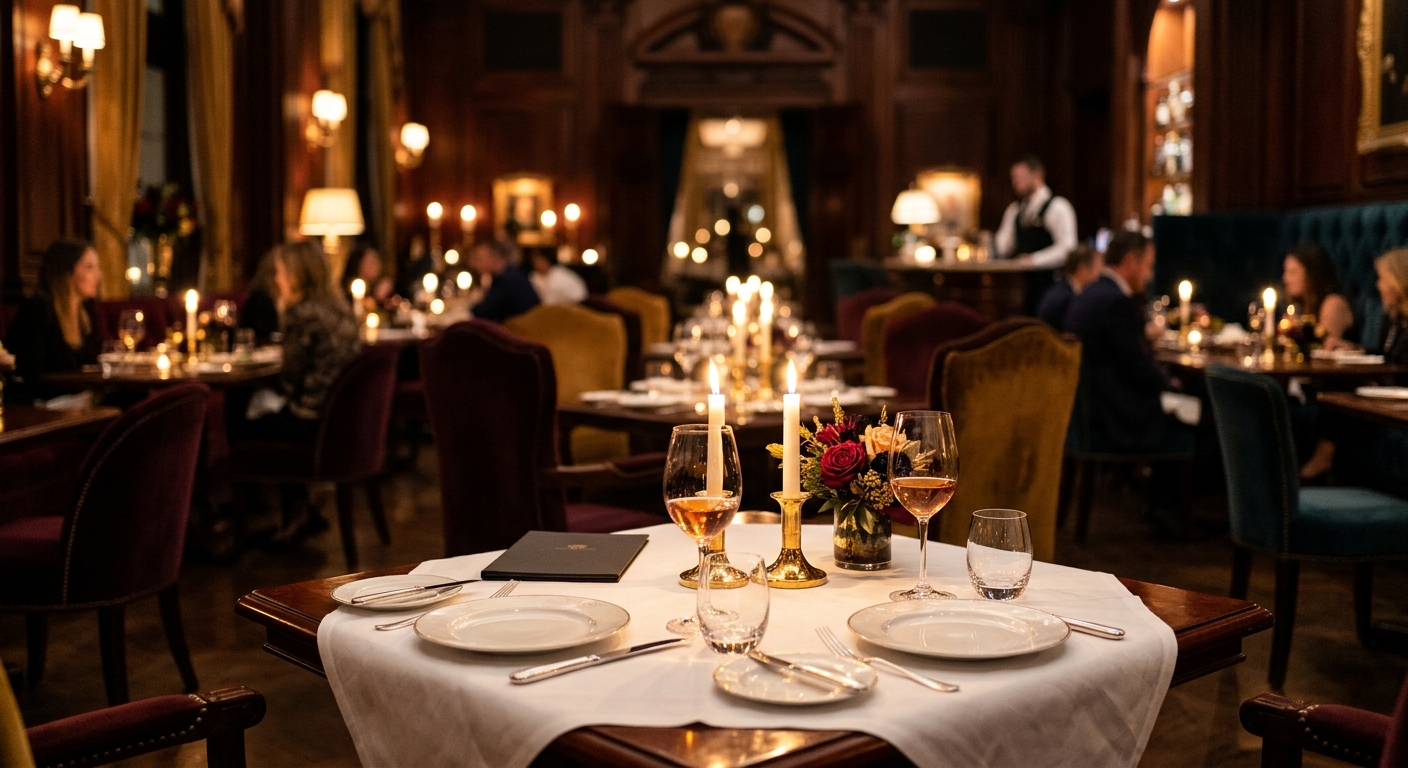
Understanding the New York Fine Dining Guide Landscape
The New York fine dining guide you actually need does not begin with a list of restaurants. It begins with a question: what does dining at this level truly mean in a city this vast, this competitive, and this relentlessly innovative? New York is home to more Michelin-starred restaurants than almost any other city on earth. That fact alone sets the stage for everything that follows.
Understanding the landscape first gives you a real advantage. You will spend your money more wisely. You will know what to expect the moment you walk through the door. And you will enjoy the experience far more deeply than someone who simply booked the most famous table they could find.
What Defines Fine Dining in New York City
Fine dining in New York means something specific. It is not simply about expensive food. It combines exceptional culinary technique, seasonal and often locally sourced ingredients, polished service, and an atmosphere designed to feel like an occasion. Restaurants at this level hire sommeliers, pastry chefs, and front-of-house teams who have often trained for years in top kitchens around the world.
In New York, fine dining also means creative ambition. Chefs here are expected to push boundaries. A tasting menu at a top Manhattan restaurant might take you through twelve courses that span continents in flavor and technique. That sense of ambition is what separates this city’s luxury dining culture from almost anywhere else.
The Evolution of Michelin-Starred Restaurants in New York
Michelin first awarded stars in New York in 2006. That debut guide listed just a handful of restaurants. Today, the New York Michelin Guide recognizes well over 70 starred establishments, spanning a remarkable range of price points, cuisines, and philosophies. This growth reflects how seriously New York takes its dining culture.
Additionally, the list has become far more diverse over the decades. Early stars went mostly to French and European-influenced kitchens. Now, Japanese omakase counters, innovative Korean restaurants, and inventive American tasting menus all carry stars. That diversity makes the city’s high-end dining scene uniquely rewarding for international visitors.
New York Fine Dining Guide Standards: Service, Cuisine, and Ambiance
Any credible New York fine dining guide holds restaurants to three core pillars. First, cuisine must demonstrate technical mastery and a clear creative point of view. Second, service must be anticipatory, warm, and deeply knowledgeable. Third, ambiance must feel intentional, whether that means a hushed, chandelier-lit dining room or a sleek, minimalist space designed to focus attention on the food.
These standards are not rigid in their expression. However, they are consistent in their expectation of quality. A great fine dining restaurant in New York reads the room. It adjusts to the guest. It makes you feel both important and entirely at ease. That balance is harder to achieve than most people realize.
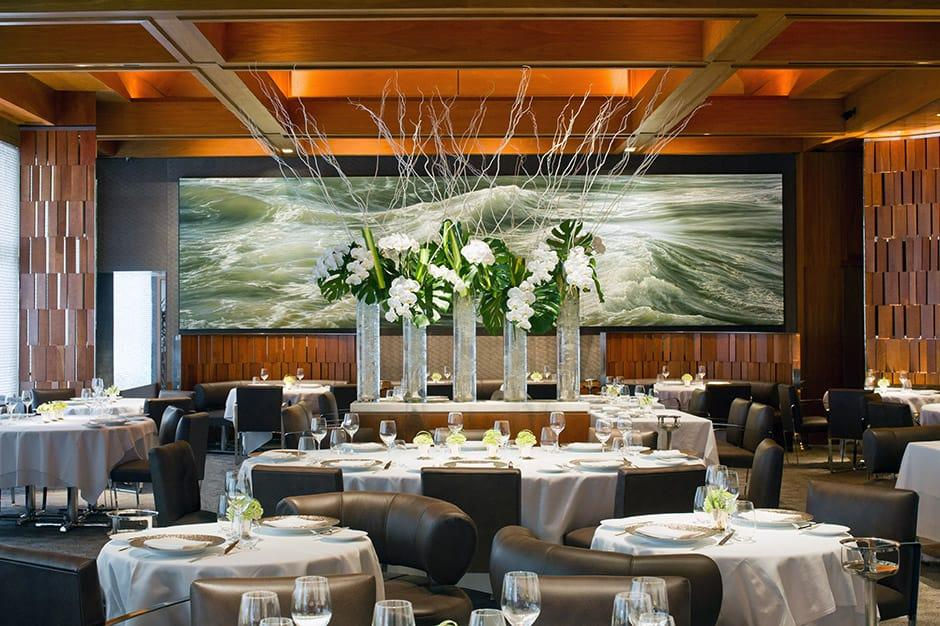
Signature Neighborhoods for Fine Dining in New York
Knowing which neighborhoods to target is essential for any serious New York fine dining guide reader. The city is enormous. Its restaurant scene is scattered across five boroughs. But certain areas have dense concentrations of exceptional restaurants, and understanding each area’s character helps you plan a smarter, more enjoyable itinerary.
Manhattan’s Luxury Dining Districts: Where to Find New York Fine Dining
Manhattan remains the undisputed center of New York fine dining. Midtown and the Upper West Side are home to some of the city’s most celebrated institutions. Per Se, located at Columbus Circle, offers views of Central Park alongside its legendary French-influenced tasting menu. The neighborhood feels grand, suited to celebratory occasions and first-time visitors seeking a classic luxury experience.
Meanwhile, the Flatiron District and NoMad have emerged as serious dining destinations. Eleven Madison Park anchors this area with its entirely plant-based tasting menu, a bold reinvention that still earns three Michelin stars. The area also offers a range of slightly more accessible fine dining options, making it versatile for travelers at various budget levels.
Brooklyn’s Emerging Fine Dining Scene
Brooklyn has quietly become one of the most exciting chapters in any updated New York fine dining guide. Neighborhoods like Williamsburg, DUMBO, and Carroll Gardens now host genuinely world-class restaurants. Chef’s Table at Brooklyn Fare, which holds three Michelin stars, proves that outer-borough dining can match anything in Manhattan.
In fact, Brooklyn’s fine dining culture often feels more personal and chef-driven than its Manhattan counterparts. Many of these restaurants are smaller. They focus intensely on ingredient sourcing, seasonal menus, and direct relationships with local farms. For international travelers who want something beyond the obvious, Brooklyn is essential.
Luxury Hotels Midtown Manhattan: Complete Guide
Upper East Side and Tribeca: Traditional Fine Dining Hubs
The Upper East Side carries an old-world elegance that few neighborhoods in New York can match. Daniel, the two-Michelin-star flagship of chef Daniel Boulud, defines this area’s dining identity. Its ornate dining room, deep wine cellar, and classically grounded French menu attract serious food lovers from around the world. Dinner here feels like a full evening’s event.
Tribeca, on the other hand, blends residential calm with serious culinary ambition. Atera, a two-star intimate tasting menu restaurant, exemplifies Tribeca’s approach: quiet, precise, and deeply focused on the experience of the food itself. This neighborhood suits guests who prefer refined luxury without the spectacle of Midtown.
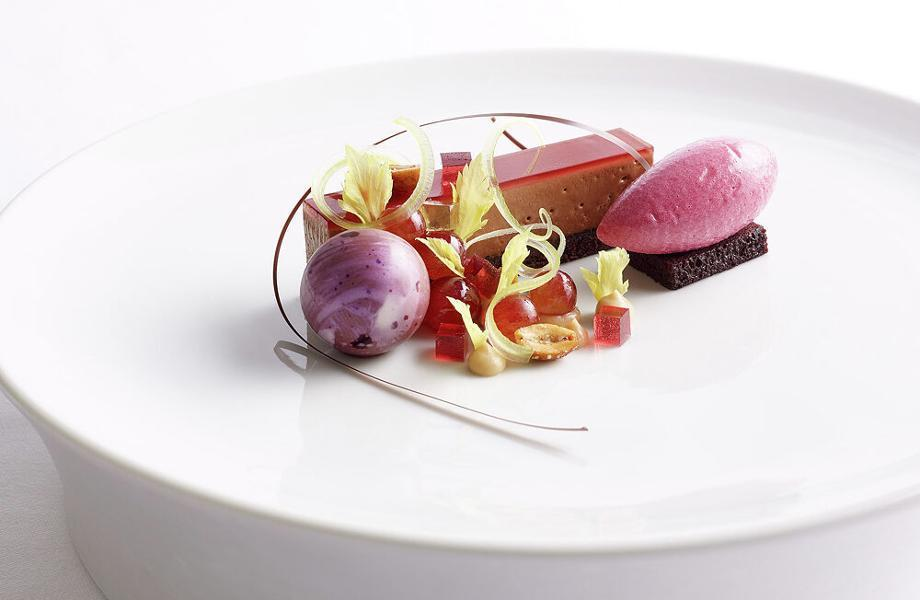
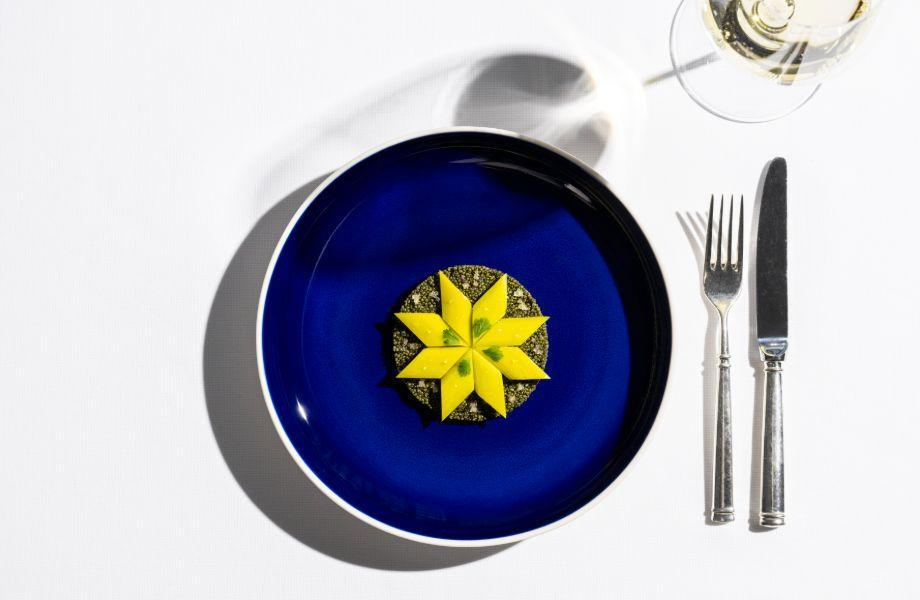
Greenwich Village and Soho Culinary Experiences
Greenwich Village has always attracted New York’s creative class, and its restaurants reflect that spirit. The neighborhood offers fine dining that feels slightly more relaxed and exploratory. Restaurants here often blend outstanding technique with a bohemian energy that makes them feel less formal but no less serious about food quality.
Soho, similarly, rewards the curious diner. It blends fashion-forward design with impressive culinary ambition. Many Soho restaurants attract an international clientele, which keeps menus and service styles culturally attuned to global tastes. For visitors who want sophistication with a lighter atmosphere, both neighborhoods are excellent choices.
The Best Fine Dining Restaurants in New York
This section of the New York fine dining guide focuses on specific establishments. Recommendations here are organized by Michelin status, which remains the most reliable public benchmark for culinary excellence in this city. That said, Michelin stars are not the only measure of a great meal. Several outstanding restaurants have chosen to opt out of the Michelin system entirely.
Three-Michelin-Star Establishments: Pinnacle of New York Fine Dining
Three-Michelin-star restaurants represent the absolute pinnacle of New York fine dining. Per Se and Eleven Madison Park are the most internationally recognized. Per Se, led by chef Thomas Keller’s philosophy of meticulous French-influenced cuisine, offers a nine-course tasting menu that unfolds over three hours or more. Every detail, from the gougeres at the start to the mignardises at the close, is considered and precise.
Chef’s Table at Brooklyn Fare offers an entirely different experience. It seats just a small group of diners around an open kitchen counter. Chef Caesar Ramirez prepares a multi-course seafood-focused Japanese-French menu in full view of his guests. It is theatrical, intimate, and genuinely unlike anything else in the city. Reservations are famously difficult to obtain, which only adds to its allure.
Two-Michelin-Star Restaurants Worth Experiencing
Two-star restaurants in New York often deliver experiences just as memorable as three-star venues, sometimes with slightly more warmth and less ceremony. Daniel is the clear flagship of this tier. Chef Daniel Boulud’s namesake restaurant has been a benchmark of French fine dining in New York for decades. Its seasonal menus are intelligent and deeply satisfying.
Atera takes a more contemporary approach. Its small team crafts a constantly evolving tasting menu that draws on Nordic and New American influences. The intimate setting means service is highly personalized. Additionally, Aquavit, the acclaimed Scandinavian restaurant in Midtown, brings its own two-star brilliance with elegantly restrained Nordic cuisine that surprises guests who expect something heavier or less refined.
One-Star Michelin Venues and Exceptional Fine Dining Alternatives
New York’s one-star tier is extraordinarily rich. Restaurants like Gramercy Tavern, Satsuki, Atomix, and The Modern all offer compelling reasons to book a table. Atomix, a Korean tasting menu restaurant in Midtown, has become one of the most talked-about dining experiences in the city. It weaves culinary storytelling into every course through beautifully designed cards that explain each dish’s cultural origins.
For exceptional dining outside the Michelin framework, consider Gage and Tollner in Brooklyn or Carbone in Greenwich Village. These restaurants have cultivated devoted followings based on their own merit. They demonstrate that outstanding dining in New York extends well beyond any single guide or rating system.
Contemporary and Molecular Gastronomy Leaders
New York has embraced avant-garde cooking with characteristic enthusiasm. Restaurants like Blanca and Semma push the boundaries of what fine dining can mean. Blanca, the tasting menu restaurant above Roberta’s in Bushwick, offers a radically seasonal and personal menu that changes based on what the team finds most interesting that week. It is informal in setting but extraordinary in ambition.
Meanwhile, molecular and technique-driven cuisine found early champions in New York and continues to evolve here. Even restaurants that do not lean on theatrical presentations often employ precision fermentation, controlled-temperature cooking, and hyper-local ingredient sourcing that reflects the same scientific curiosity. The result is a dining scene that feels genuinely alive and continuously surprising.
Culinary Styles Across New York’s Fine Dining Guide
One of the defining strengths of any comprehensive New York fine dining guide is the sheer range of culinary traditions represented at the highest level. In virtually no other city can you eat Japanese kaiseki, Provencal French, and contemporary Korean all within a single week, each prepared with world-class precision.
French Classical Fine Dining Traditions
French cuisine laid the foundations for New York’s fine dining culture. That legacy is alive and well today. Restaurants like Le Bernardin, the legendary three-Michelin-star seafood restaurant led by chef Eric Ripert, demonstrate French technique at its most refined and confident. Le Bernardin’s seafood preparations are deceptively simple in appearance and breathtakingly complex in flavor.
Similarly, Daniel and Cafe Boulud continue to champion French classical cooking with intelligence and seasonal sensitivity. These restaurants do not feel frozen in time. Instead, they evolve their menus while honoring the technical and philosophical foundations that French gastronomy established. For guests who appreciate depth, lineage, and craft, French fine dining in New York remains deeply rewarding.
Modern American Cuisine and Farm-to-Table Excellence
Modern American fine dining has become a powerful identity in its own right. Restaurants in this tradition source directly from regional farms, ranches, and fisheries. They change menus based on the season, sometimes weekly. The result is food that feels honest, rooted, and full of genuine flavor.
Gramercy Tavern exemplifies this philosophy with warmth and generosity. Blue Hill at Stone Barns, technically located outside the city in Westchester but deeply linked to New York’s dining culture, takes the farm-to-table concept to its logical extreme. The farm and restaurant are on the same property. Every ingredient has a direct story. For international visitors, this kind of transparency in fine dining is often a revelation.
Asian and Fusion Fine Dining in New York
Asian fine dining has transformed New York’s culinary landscape dramatically over the past decade. Japanese omakase restaurants like Masa, which holds three Michelin stars, set an extraordinary standard. Chef Masayoshi Takayama’s counter-seating experience is one of the most expensive in the city. Yet guests consistently describe it as a transcendent cultural and culinary encounter.
Korean fine dining, represented most brilliantly by Atomix, has also earned global recognition. Additionally, Chinese fine dining at restaurants like Shun Lee Palace continues to surprise guests who underestimate the category’s range and sophistication. Fusion restaurants blend these traditions in creative ways, producing menus that feel genuinely of their time and city.
Italian, Mediterranean, and International Cuisine
Italian fine dining in New York spans a wide spectrum. At the apex, restaurants like Marea and Ai Fiori deliver coastal Italian cuisine with extraordinary precision. Marea’s combination of housemade pasta and impeccably fresh seafood has made it one of the most beloved luxury restaurants in Midtown. Its wine list is equally impressive.
Mediterranean cuisine, encompassing Greek, Spanish, and Middle Eastern influences, has also found a confident voice in New York’s upper-tier restaurant scene. In short, international travelers will find their home culinary traditions represented, celebrated, and often elevated to heights they might not encounter in the country of origin. That global breadth is one of New York’s greatest dining gifts.
Planning Your Fine Dining Experience: Practical Essentials
Even the most knowledgeable diner needs a practical framework. This section of the New York fine dining guide addresses the logistics that determine whether your experience is seamless or stressful. Preparation is everything at this level of dining.
Reservation Strategies for New York Fine Dining Guide Venues
Reservations at top New York restaurants are competitive. Three-Michelin-star establishments like Per Se and Masa typically require bookings one to three months in advance. Some restaurants release their reservations on a specific day and time each month. Setting reminders and booking the moment slots open is essential if you have your heart set on a particular table.
For international guests, concierge services at luxury hotels often have relationships with top restaurants. Using your hotel concierge is not a shortcut reserved for VIPs. It is a practical strategy that any prepared traveler should use. Additionally, platforms like Resy and OpenTable sometimes release last-minute cancellations. Checking these apps the week before your visit can yield unexpected availability at coveted restaurants.
Dress Codes and Dining Etiquette in Luxury Restaurants
Most top New York fine dining restaurants require business formal attire at minimum. Men should plan on a suit and tie. Women typically wear cocktail dresses or elegant evening separates. Some three-star establishments maintain a black-tie-encouraged atmosphere, particularly for dinner service. Calling ahead to confirm the specific dress code is always wise.
Beyond attire, dining etiquette matters. Arrive on time, ideally five minutes early. Inform the restaurant of dietary restrictions or allergies when making your reservation, not at the table. Keep mobile phone use discreet. Fine dining service is designed to flow at a particular pace. Trust that pace rather than trying to rush any course. Your servers are experts in managing the rhythm of the evening.
Budget Considerations and Pricing for Fine Dining in New York
Budget planning is an essential part of any realistic New York fine dining guide. Three-Michelin-star tasting menus generally range from $150 to $350 or more per person, before beverages. Wine pairings at these restaurants often add another $100 to $250 per person. Service charges or gratuities may be included or added separately, so confirm this before booking.
Two-star restaurants typically cost between $80 and $200 per person for food. One-star venues range from $60 to $150 per person. These figures vary significantly depending on whether you choose a la carte or tasting menu formats. For guests managing a generous but not unlimited budget, targeting one- and two-star restaurants allows for multiple excellent meals across a week-long stay in New York.
Timing and Seasonal Dining Recommendations
Timing your visit well makes a meaningful difference. Fall, particularly September through November, is widely considered the best season for fine dining in New York. The city’s energy is high, farmers’ markets are at their most abundant, and restaurant menus reflect the season’s richest ingredients. Truffles, game, root vegetables, and stone fruits appear on menus across the city.
Spring offers its own pleasures. Ramps, asparagus, morels, and spring peas appear in dishes across every level of New York’s restaurant landscape. Summer can be quieter in fine dining, as many wealthy locals leave the city. This actually works in the visitor’s favor. Securing a reservation in July or August is often easier than during peak fall months.
Enhancing Your New York Fine Dining Guide Experience
Going beyond a standard dinner service opens the fine dining experience to entirely new dimensions. The best New York fine dining guide does not stop at recommending restaurants. It shows you how to engage with them more deeply, whether through beverage programs, chef’s table access, or special seasonal events.
Wine Pairing and Beverage Programs in Fine Dining
Wine pairing elevates any fine dining experience. New York’s top restaurants maintain wine lists of extraordinary depth and breadth. Per Se’s wine list spans thousands of bottles across virtually every major wine-producing region on earth. Le Bernardin’s sommelier team is widely regarded as among the best in the country. Choosing the sommelier-curated pairing menu, rather than selecting wines independently, is often the smarter choice for first-time visitors.
Beyond wine, many New York fine dining restaurants now offer non-alcoholic pairing menus. These thoughtfully constructed beverage programs use fermented teas, fresh juices, shrubs, and broths to complement each course. For guests who do not drink alcohol, this option is no longer an afterthought. It is, at many restaurants, an experience of equal creativity and care.
Chef’s Table and Immersive Dining Experiences
The chef’s table concept has become one of the most sought-after experiences in New York’s fine dining world. At restaurants like Chef’s Table at Brooklyn Fare, the entire concept is built around direct visibility into the kitchen. At others, the chef’s table is a separate booking within a larger restaurant. Either way, the experience offers an intimacy and educational dimension that standard dining cannot match.
Immersive dining experiences, where storytelling, art, or theatrical performance intersects with food, have also gained traction in New York. These events blend the culinary and the cultural in ways that feel particularly suited to the city’s creative character. They are especially appealing to international guests seeking a New York experience that is genuinely unique rather than simply expensive.
Seasonal Tasting Menus and Special Culinary Events
Seasonal tasting menus are the heartbeat of New York’s fine dining calendar. In fall and winter, restaurants like Blue Hill at Stone Barns design menus around root-to-stem cooking and fermentation. In spring and summer, lighter preparations and vibrant produce take center stage. Aligning your visit with a restaurant’s most inspired seasonal period pays significant dividends on the plate.
Special events add another layer of possibility. New York Restaurant Week, held twice annually, offers prix-fixe menus at reduced prices at hundreds of participating restaurants, including some fine dining establishments. James Beard Foundation dinners, pop-up collaborations between visiting international chefs, and charity gala dinners all represent opportunities to experience fine dining in unusual and memorable contexts.
Navigating the Luxury Dining Experience as an International Guest
International guests sometimes feel uncertain about navigating New York’s fine dining culture. The key is preparation and communication. Most top restaurants have English-speaking staff accustomed to welcoming global visitors. However, calling ahead to mention your nationality and any language preferences is always appreciated. It allows the restaurant to prepare appropriately and personalize the service.
Currency and payment are straightforward. All major credit cards are accepted universally. Tipping remains standard in New York at around 20 percent of the pre-tax bill, though many fine dining restaurants now include a service charge, making this automatic. Finally, take the time to read this New York fine dining guide thoroughly before your visit. Arriving informed and curious is the greatest gift you can give yourself at the table. It transforms a meal into a memory that lasts long after the last course is cleared.
Conclusion: Your Complete New York Fine Dining Guide
New York’s dining scene rewards the prepared, the curious, and the genuinely hungry, in every sense of that word. This New York fine dining guide has walked you through the landscape, the neighborhoods, the key restaurants, the culinary styles, and the practical essentials you need to dine at this level with confidence and joy.
Of course, no guide can replicate the experience of actually sitting down, unfolding your napkin, and tasting something extraordinary for the first time. That moment belongs entirely to you. However, arriving with knowledge, reservations confirmed, dress code checked, and a sense of genuine anticipation will ensure that your New York fine dining guide experience exceeds every expectation you arrived with.
Use this guide as a living document. Revisit it each time you plan a trip to New York. The city’s restaurant scene evolves constantly, and returning to this New York fine dining guide before each visit will keep your choices sharp, your bookings timely, and your meals genuinely outstanding.
Frequently Asked Questions
What is included in the New York fine dining guide for first-time visitors?
A thorough New York fine dining guide covers essential Michelin-starred restaurants, key neighborhoods, dining etiquette, reservation strategies, and curated recommendations suited to international luxury travelers. It also addresses dress codes, pricing ranges, and seasonal considerations to help first-time visitors plan a seamless and memorable experience.
Which are the best restaurants featured in a New York fine dining guide?
Top picks include three-Michelin-star venues like Per Se, Eleven Madison Park, and Chef’s Table at Brooklyn Fare. Two-star restaurants such as Daniel and Atera are equally excellent. One-star venues like Atomix and Gramercy Tavern offer outstanding modern American, French, Korean, and contemporary cuisine at slightly more accessible price points.
How far in advance should I book restaurants from a New York fine dining guide?
Michelin-starred restaurants typically require one to three months of advance booking, especially for dinner service. Some release reservations on a fixed monthly schedule. For international guests, using a luxury hotel concierge service is highly recommended. Platforms like Resy and OpenTable also surface last-minute cancellations worth monitoring the week of your visit.
What are the dress code requirements for fine dining in New York City?
Most fine dining restaurants in New York require business formal attire at minimum. Men typically wear suits and ties. Women wear cocktail dresses or elegant evening separates. Some three-Michelin-star establishments encourage black-tie dress for dinner service. Always confirm the specific dress code directly with the restaurant when making your reservation.
How much should I budget for a fine dining experience in New York?
Three-Michelin-star tasting menus range from $150 to $350 or more per person, excluding beverages. Wine pairings add $100 to $250 per person. Two-star restaurants cost roughly $80 to $200 per person. One-star venues range from $60 to $150 per person. Confirm whether service charges are included, as this varies by restaurant.