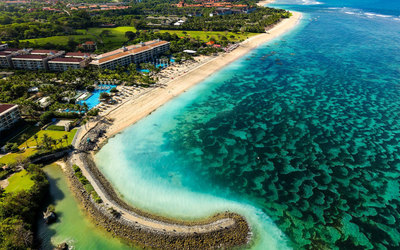
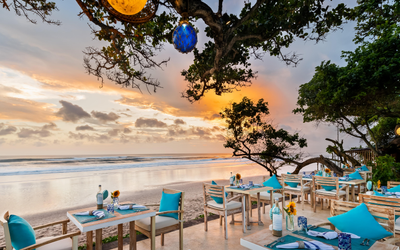
Indonesian cuisine is one of the most rewarding parts of a journey through Bali. It reflects the country’s many islands, cultures and culinary traditions, with each region bringing its own ingredients, spices and cooking methods. On Bali, visitors can discover local recipes shaped by the island’s Hindu heritage, alongside dishes from Java, Sumatra and other parts of the archipelago.
The dining scene offers many ways to explore these flavours. A simple family-run warung can provide an introduction to traditional home cooking. A contemporary restaurant may reinterpret familiar recipes with modern techniques, while a fine dining venue can turn regional ingredients into a carefully planned tasting menu.
For luxury travellers, the appeal lies in this variety. A memorable culinary journey does not need to be limited to formal restaurants or elaborate presentations. It can include a traditional Balinese meal, a relaxed lunch among rice fields, a chef-led tasting experience or a private dinner prepared with local ingredients.
The following guide explores some of the most interesting ways to experience Indonesian food in Bali, from established dining destinations to more informal local settings.
Understanding the Flavours of Indonesian and Balinese Cuisine
Indonesian food is not a single culinary tradition. The country’s geography and cultural diversity have created a wide range of regional dishes. Balinese cuisine has its own identity, shaped by local ingredients, religious customs and traditional cooking methods.
Spices play an important role. Many Balinese recipes begin with base genep, a rich spice paste made with ingredients such as turmeric, ginger, galangal, shallots, garlic, chilli and aromatic roots. The exact combination can vary between families and kitchens. It gives many local dishes their depth and distinctive fragrance.
One of the best-known dishes is babi guling, traditionally prepared with a whole roasted pig and a mixture of spices. Another is bebek betutu, duck slowly cooked with herbs and seasonings. Chicken is also widely used, particularly in ayam betutu, a dish that reflects the island’s slow-cooking traditions.
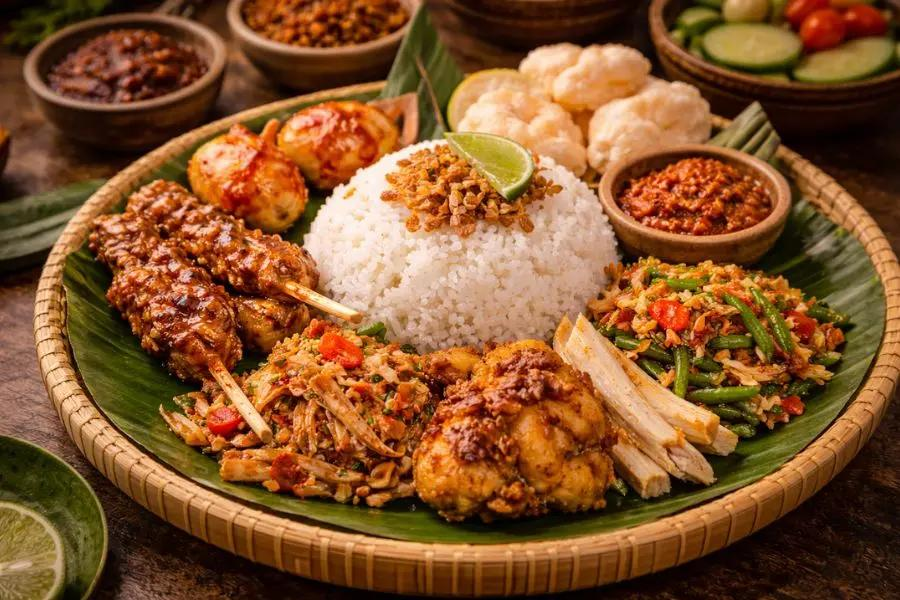
Other familiar dishes include sate lilit, in which seasoned minced fish or meat is wrapped around a lemongrass stick before grilling. Lawar combines finely chopped vegetables, coconut and spices, sometimes with meat. Recipes differ across the island, and some versions contain ingredients that visitors may not expect, so it is worth asking about the preparation.
For a lighter meal, gado-gado offers a combination of cooked vegetables, tofu, tempeh and peanut sauce. Nasi campur is another useful introduction to local food. It brings together rice and a selection of small portions, allowing diners to sample several flavours in one meal.
Indonesian cooking also includes dishes from other islands. Beef rendang, associated with the Minangkabau people of West Sumatra, is slow-cooked with coconut milk and spices. Javanese recipes often use sweet soy sauce, while dishes from eastern Indonesia may feature different combinations of seafood, herbs and local produce.
Understanding these regional differences makes dining in Bali more interesting. Rather than ordering the same familiar dishes at every restaurant, travellers can use each meal to discover another part of the country’s culinary heritage.
Traditional Balinese Dining and Local Food Culture
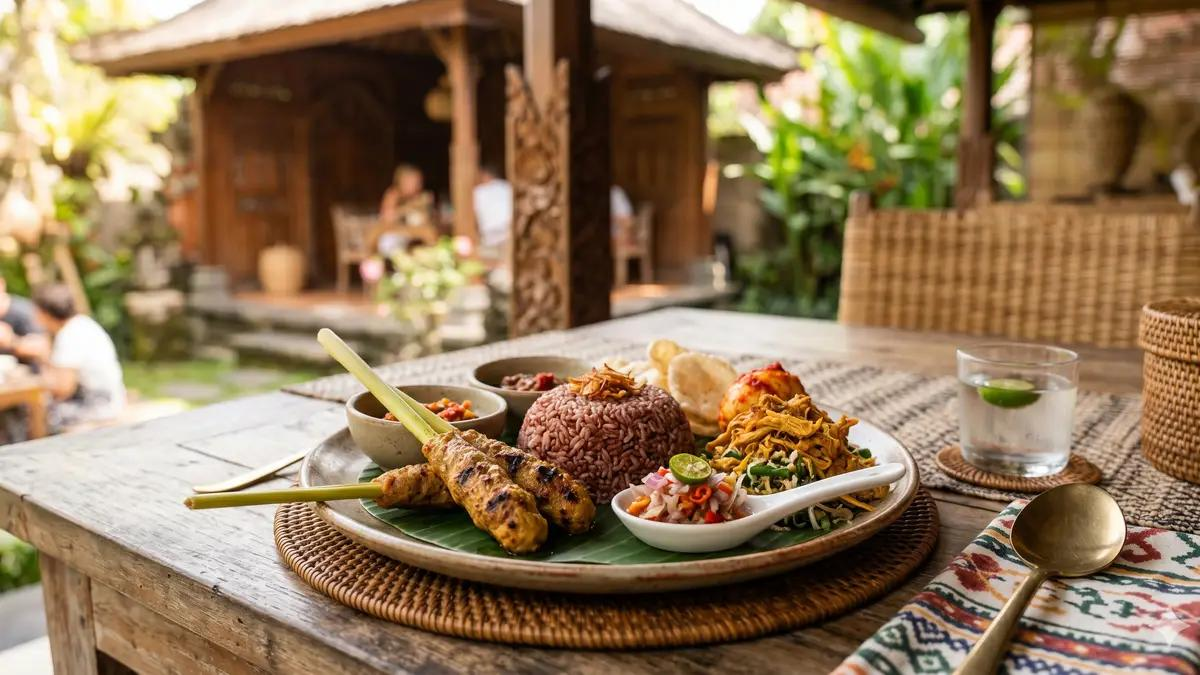
For an authentic introduction to Balinese food, traditional restaurants and family-run warungs are worth including in any itinerary. These places often focus on familiar recipes, freshly prepared dishes and a more informal style of service.
A warung is generally a small local restaurant or food establishment. Some are simple and practical, while others have attractive garden settings and carefully designed interiors. Their menus may include rice dishes, soups, grilled meats, vegetables and daily specials. Prices are usually more accessible than those at luxury restaurants, but the experience can be just as memorable.
In Ubud, Warung Makan Bu Rus is one option for travellers looking for traditional Balinese food in a relaxed garden setting. Its central location makes it convenient during a day exploring the town. Family-run places around Ubud also provide opportunities to experience food in a more personal setting, sometimes within traditional Balinese compounds.
For a more structured introduction to local cuisine, Bali Timbungan focuses on traditional Balinese cooking and the use of local spice blends. Its menu includes dishes inspired by regional recipes and preparations associated with bamboo cooking. This provides an opportunity to explore flavours that may be less familiar to international visitors.
A traditional meal can also be a shared experience. In Bali, megibung is a communal style of dining associated with Karangasem, in which several people share a selection of dishes. It reflects the social role of food and the importance of eating together.
When choosing a local restaurant, look for a menu that explains the dishes and their ingredients. If you are unfamiliar with certain flavours, asking the staff for recommendations can be helpful. A selection of small dishes is often a good way to explore the cuisine without committing to one large main course.
Contemporary Indonesian Restaurants in Seminyak and Canggu
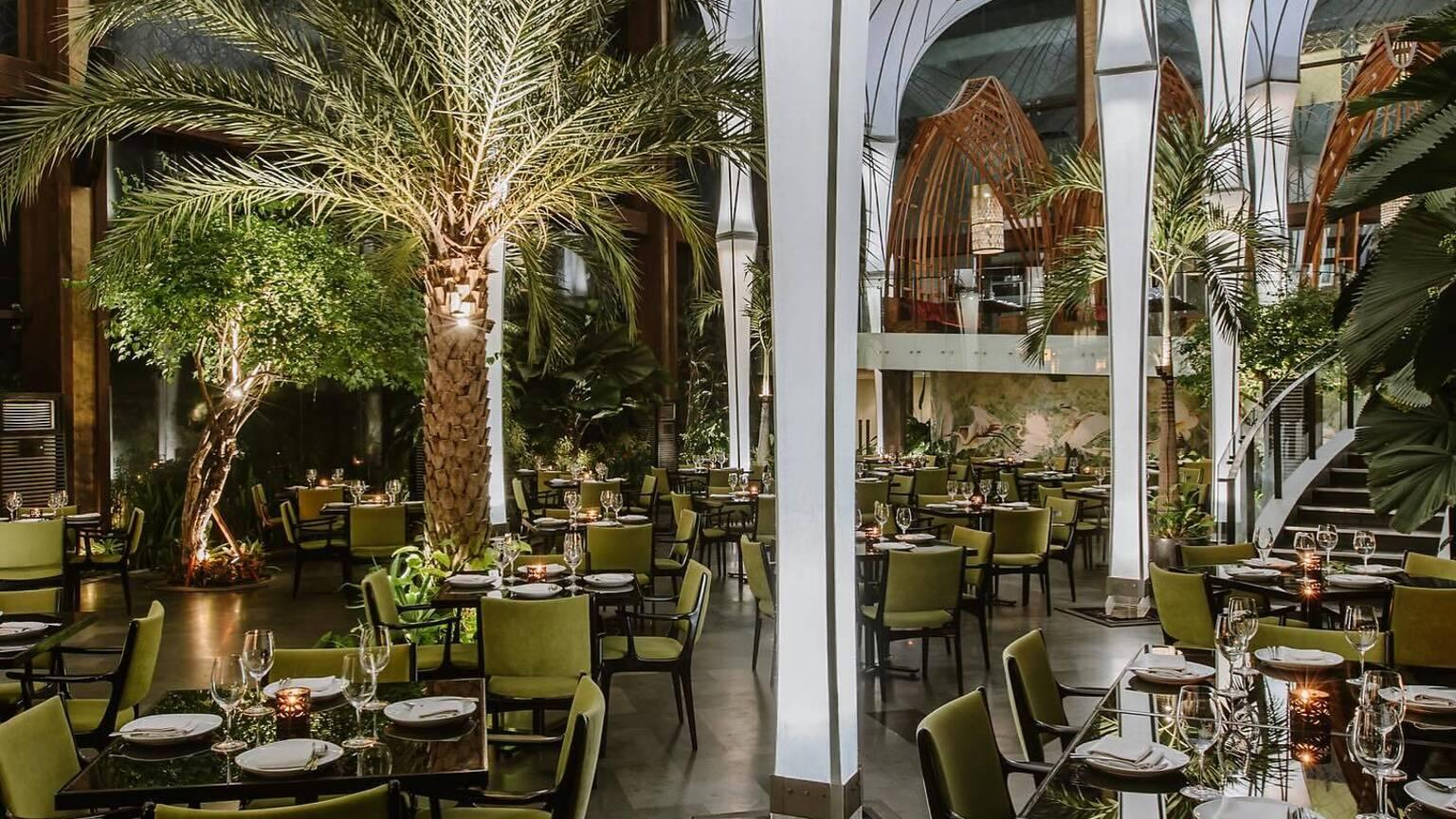
Bali’s modern dining scene has brought traditional Indonesian flavours into stylish restaurants with contemporary interiors and more elaborate presentation. Seminyak and Canggu are two of the best areas to explore this approach.
Merah Putih in Seminyak is one of the island’s recognised Indonesian dining destinations. Its dramatic architecture creates a striking setting, while the menu brings together dishes from different parts of Indonesia. Traditional recipes are presented with attention to ingredients, flavour and detail. It is a suitable choice for travellers who want a more formal introduction to the country’s culinary diversity.
KAUM, located within Desa Potato Head, also places Indonesian cuisine at the centre of its concept. The restaurant explores recipes and ingredients from across the archipelago, offering a broader perspective than a menu focused only on Bali. It is particularly interesting for diners who want to discover how different regions influence Indonesian cooking.
Sangsaka in Seminyak takes a more intimate approach. Its cooking draws on regional Indonesian flavours, native spices and wood-fired techniques. The atmosphere is more understated than that of a large destination restaurant, allowing attention to remain on the food. A tasting menu can be a good choice for guests who want to explore several dishes in one sitting.
In Canggu and nearby Pererenan, Home by Chef Wayan offers another interpretation of Indonesian food. The menu draws on family recipes and traditional flavours, with a contemporary approach to preparation. It provides a more personal dining experience and shows how local culinary traditions can evolve without losing their identity.
These restaurants demonstrate that Indonesian cuisine can work in many settings. It can be relaxed and informal, or presented with the service and attention to detail expected of an international dining destination.
Fine Dining and Modern Interpretations of Indonesian Cuisine
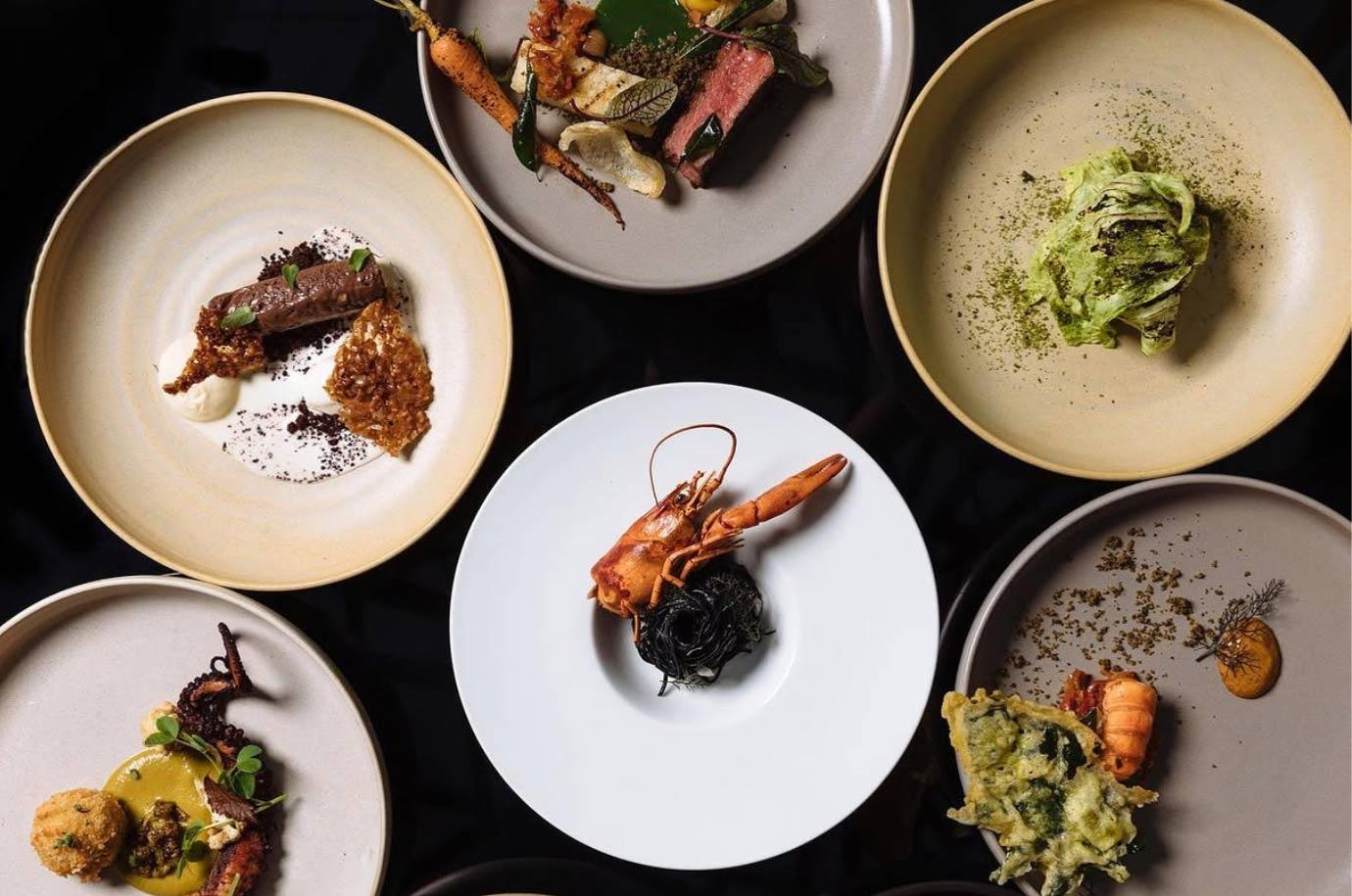
For travellers seeking a more elaborate culinary experience, Bali has restaurants that combine Indonesian ingredients with contemporary gastronomy. These venues often place strong emphasis on seasonal produce, local suppliers and carefully developed menus.
Restaurant Nusantara in Ubud is a particularly interesting choice. Created by the team behind Locavore, it focuses on dishes from across Indonesia. Its approach gives regional recipes a place in a refined restaurant setting while keeping the country’s culinary traditions at the centre of the experience. It is a useful choice for diners who want to explore more than the familiar dishes commonly found on tourist menus.
Syrco BASÈ, also in Ubud, offers a contemporary approach built around Indonesian ingredients, local producers and seasonal cooking. Its culinary philosophy places attention on the connection between food, nature and the people who supply the kitchen. For guests interested in modern gastronomy, it offers a more detailed exploration of the relationship between Indonesian heritage and contemporary techniques.
At Four Seasons Resort Bali at Sayan, Ayung Terrace provides a dining experience that combines Indonesian cuisine with a natural setting. The restaurant overlooks the Ayung River valley, creating an atmosphere that is closely connected to the surrounding landscape. Its menu presents traditional flavours in a refined style, making it an appealing option for a relaxed but special meal.
The Warung at Alila Villas Uluwatu offers another way to enjoy Indonesian and Balinese dishes in an upscale resort environment. Its menu focuses on familiar local flavours, while the clifftop location adds to the experience. It is particularly suited to guests staying in the Uluwatu area who want to enjoy regional cuisine without choosing a formal tasting menu.
For a more exclusive evening, Rumari at Raffles Bali presents a progressive interpretation of Indonesian and Southeast Asian flavours. The restaurant combines carefully selected ingredients with a tasting-menu format and panoramic views from its position above Jimbaran. It is an option for travellers who see dining as one of the central experiences of a luxury holiday.
Each of these restaurants approaches Indonesian cuisine differently. Together, they show how local food traditions can provide a strong foundation for modern fine dining.
Dining Among Rice Fields, Gardens and Coastal Landscapes
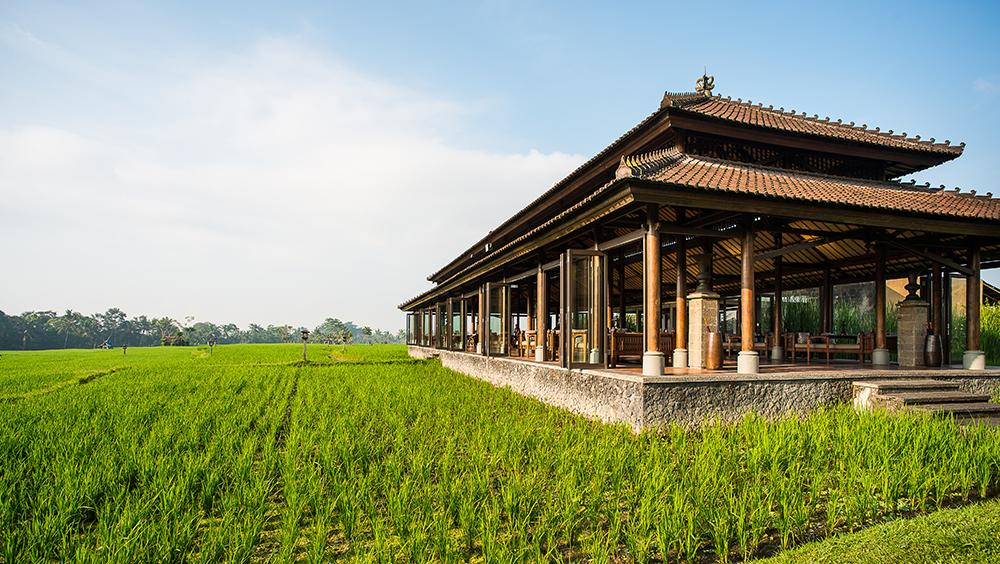
In Bali, the setting can be an important part of a meal. Some of the island’s most memorable restaurants combine regional cooking with views of rice fields, tropical gardens, river valleys or the ocean.
Around Ubud, dining among rice terraces offers a different atmosphere from the busier restaurants in the town centre. Begawan Biji, in the Bayad Village area, is known for its rice-field surroundings and a focus on Indonesian ingredients. Its farm-to-table approach connects the meal with the agricultural landscape and local producers. The setting makes it a particularly appealing choice for a leisurely lunch or an early evening meal.
Ayung Terrace offers another experience shaped by its surroundings. Its position above the river valley gives diners a sense of space and a closer connection to the natural environment. The combination of local cuisine and the landscape is well suited to travellers who prefer a slower dining experience.
On the southern coast, The Warung at Alila Villas Uluwatu combines Indonesian cooking with views across the Indian Ocean. It is a good option for guests who want to enjoy local dishes in a resort setting, particularly after a day exploring the peninsula.
A meal in Jimbaran can offer a different perspective on the island’s food culture. The area is known for seafood dining, with restaurants and beachfront venues serving grilled fish and other seafood preparations. Although many places focus on straightforward cooking rather than elaborate menus, the coastal atmosphere can make the experience memorable.
When planning a meal around a particular view, consider the time of day and the journey involved. A lunch among rice fields may be more practical during an excursion in Ubud, while an early evening reservation in Uluwatu can be combined with a sunset visit to the coast.
Cooking Classes, Private Dinners and Culinary Experiences
A restaurant meal is only one way to discover Indonesian cuisine. Travellers who want a closer connection with local food can also consider a cooking class, a market visit or a private dining experience.
A Balinese cooking class often begins with an introduction to local ingredients and spice pastes. Participants may learn how to prepare dishes such as satay, vegetable preparations, traditional curries and rice-based meals. Some experiences include a visit to a local market, where a guide explains the ingredients used in everyday cooking.
These classes are particularly useful for understanding how flavours are built. Preparing a traditional spice paste, for example, helps explain why Balinese dishes have such distinctive aromas. It also gives visitors a better appreciation of the time and preparation involved in local cooking.
Private dining can provide a more personal alternative. Some villas and resorts can arrange a dinner prepared by a private chef, with a menu based on Indonesian recipes and seasonal ingredients. Guests can discuss preferences in advance and enjoy the meal in a private setting. This is particularly suitable for couples, families and small groups.
Food-focused excursions can also include visits to traditional markets, local producers and villages. These experiences are best arranged with a knowledgeable guide who can explain the cultural background of the food and help visitors understand local customs.
For travellers interested in the island beyond its restaurants, these activities offer a meaningful connection with Balinese culture. They also provide a different perspective on the people and traditions behind the cuisine.
Planning a Memorable Indonesian Dining Journey
A good dining itinerary should include a mix of experiences rather than a reservation at a different fine dining restaurant every evening. Begin with traditional Balinese dishes, then explore contemporary Indonesian cooking and, if time allows, enjoy a more elaborate tasting menu.
Location is important. Ubud offers a strong combination of traditional cuisine, modern restaurants and natural settings. Seminyak is convenient for contemporary Indonesian dining and a lively evening atmosphere. Canggu provides a more relaxed restaurant scene, while Uluwatu and Jimbaran are attractive for coastal dining.
Reservations are advisable for well-known restaurants, particularly for dinner and tasting menus. Some venues have limited seating or specific dining sessions. Confirm opening days, menu formats and any booking requirements directly with the restaurant before travelling, as details can change.
It is also worth communicating dietary requirements clearly. Indonesian dishes may contain ingredients that are not immediately obvious from their names. Some recipes use pork, seafood, shrimp paste, fish sauce or other animal products. Vegetarian and vegan options are available at many restaurants, but preparation methods and sauces should be checked in advance.
Finally, allow time to enjoy each meal. Indonesian cuisine is built around a wide range of flavours, textures and shared dishes. Taking time to ask questions, try unfamiliar ingredients and understand the regional influences can make dining one of the most rewarding parts of a stay in Bali.
For a broader overview of the island’s restaurant scene, see Best Restaurants in Bali: A Luxury Dining Guide.
Frequently Asked Questions
What are the most popular traditional Balinese dishes?
Some well-known dishes include babi guling, bebek betutu, ayam betutu, sate lilit, lawar and nasi campur. They use different combinations of spices, meat, vegetables and rice. Recipes can vary between regions and restaurants.
Where can visitors find the best Indonesian food in Bali?
Ubud, Seminyak and Canggu are among the main areas for Indonesian dining. Ubud offers traditional restaurants and contemporary kitchens, while Seminyak and Canggu have several established venues serving refined interpretations of Indonesian cuisine. Uluwatu and Jimbaran are also worth exploring.
Is Indonesian cuisine always spicy?
No. Some dishes contain chilli, but others focus on aromatic spices, coconut, herbs or sweet soy sauce. Many restaurants can adjust the level of heat, although this should be requested when ordering.
Are there fine dining restaurants in Bali serving Indonesian cuisine?
Yes. Merah Putih, KAUM, Sangsaka, Restaurant Nusantara, Syrco BASÈ, Ayung Terrace and Rumari are examples of restaurants offering refined approaches to Indonesian or regional cuisine. Their styles range from contemporary à la carte menus to more elaborate tasting experiences.
Can visitors experience Balinese cooking beyond restaurants?
Yes. Cooking classes, market visits, private chef dinners and guided food tours offer ways to learn about local ingredients and cooking methods. These experiences can provide a more personal understanding of Balinese food culture.