The best of Bali is not always found in its busiest towns or most famous resorts. Beyond the well-known beaches and lively streets, the island has quiet valleys, traditional villages, mountain landscapes and coastal communities that offer a different kind of escape.
These places reveal a slower side of Bali. Rice fields still shape daily life, local crafts remain part of village culture, and the natural landscape often takes centre stage. Some destinations are becoming better known, but they still offer a more peaceful experience than the island’s main tourist areas.
Discovering these places takes time. A longer stay, a local guide and a flexible itinerary can make the journey more rewarding. The following destinations offer a closer look at Bali’s character, from the green hills of the east to the reefs and forests of the north-west.
Sidemen: A Peaceful Valley in East Bali
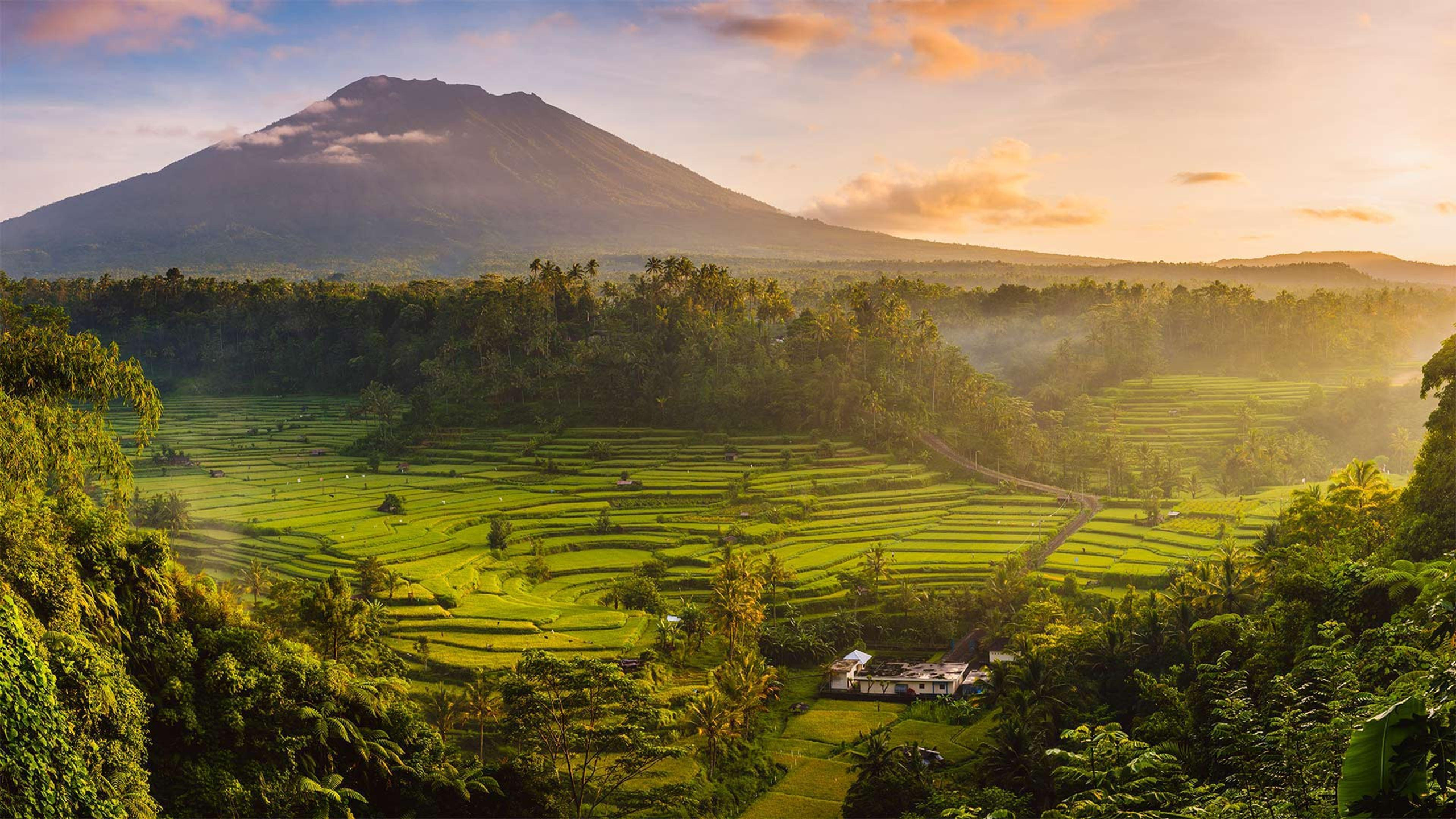
Sidemen is one of the most beautiful rural areas in Bali. Set in the eastern part of the island, the valley is surrounded by rice terraces, small villages and green hills. On clear mornings, Mount Agung rises above the landscape and creates an impressive view.
Life here follows a slower rhythm. Farmers work in the fields, local families continue traditional crafts, and narrow paths connect villages and rice terraces. The area is also known for its handwoven textiles, including endek and songket fabrics. Visitors can learn about these crafts through local workshops and community experiences.
Walking is one of the best ways to explore Sidemen. A local guide can lead visitors through the rice fields and explain how the land is farmed. These walks also offer a closer look at village life. It is important to stay on public paths and respect private land.
Sidemen is a good choice for travellers who want to spend a few nights away from busy tourist areas. Small boutique hotels and private villas make it possible to enjoy the valley in comfort, often with views across the fields and mountains.
Munduk: Cool Highlands and Forest Waterfalls
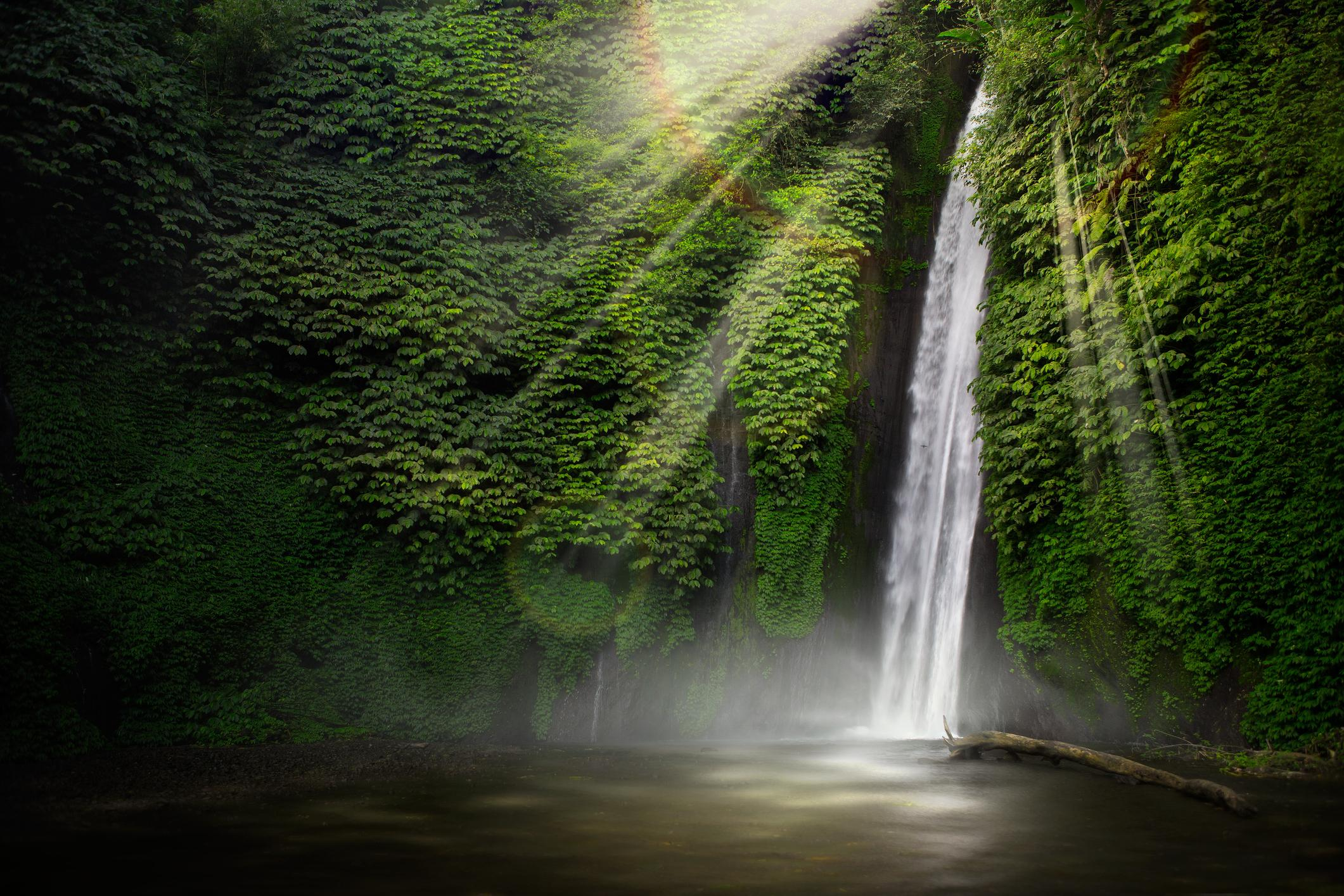
In northern Bali, Munduk offers a very different landscape from the southern coast. The village sits in the highlands, where the air is cooler and the scenery is shaped by forest, plantations, hills and mountain lakes.
The area is known for its waterfalls. Several can be reached by walking through tropical vegetation, with routes that pass streams, farms and forest paths. The walks vary in length and difficulty, so it is worth checking local conditions before setting out.
Munduk is also a region of coffee, clove and other agricultural plantations. Visitors can learn about local farming and enjoy the views across the surrounding hills. The changing weather adds to the atmosphere. Mist often moves across the landscape, especially in the early morning and after rain.
The highlands are best explored at a relaxed pace. A stay in a small retreat or boutique property allows time for walks, quiet meals and views of the countryside. Travellers should bring suitable footwear, as some paths can become slippery.
Munduk is an excellent choice for those who want to experience Bali’s natural side. It also works well as part of a longer journey through the north of the island.
Pemuteran: A Quiet Coastal Escape
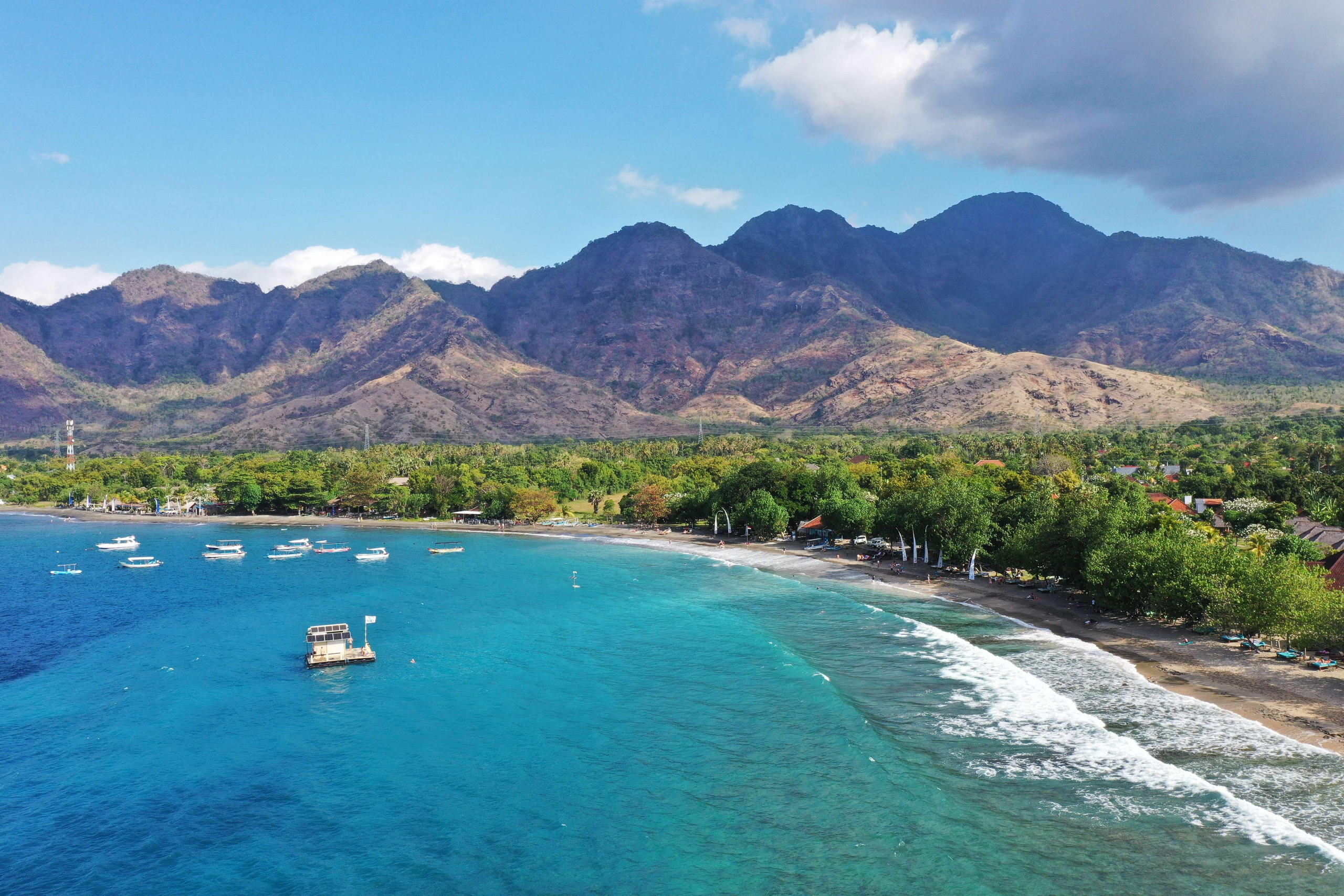
Pemuteran lies on Bali’s north-west coast, far from the busy beach areas of the south. It is a small coastal village with a relaxed atmosphere, dark sandy beaches and views of the hills behind the bay.
The area is particularly interesting for its marine life and conservation work. The local Biorock project supports coral restoration through underwater structures designed to encourage coral growth. Visitors can learn about the project and, where conditions allow, explore parts of the reef through snorkelling.
Pemuteran is also a starting point for trips to Menjangan Island, which lies within West Bali National Park. The island is known for its coral reefs and clear water. Diving and snorkelling trips are popular, but conditions can change, so visitors should choose a responsible local operator and follow safety advice.
On land, the village offers a slower experience than Bali’s more developed coastal destinations. Days can be spent by the sea, exploring nearby villages or enjoying the sunset over the bay.
Pemuteran is some distance from the main tourist centres, so it is better suited to travellers who can stay for at least two nights. The journey is part of the experience, with changing views of the northern coastline along the way.
Jatiluwih: Rice Terraces and a Living Cultural Landscape
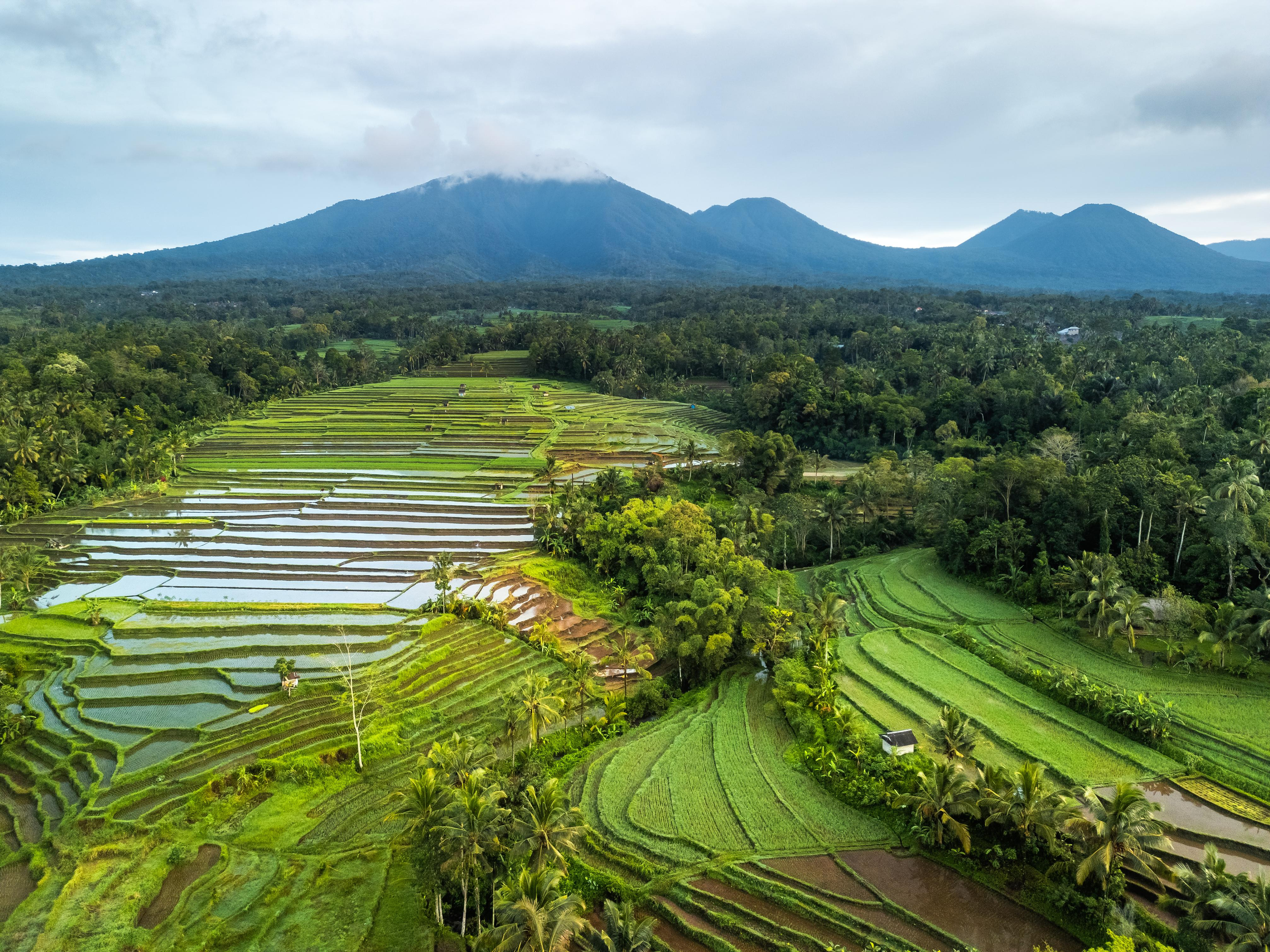
Jatiluwih is known for its wide rice terraces, which spread across the slopes of Bali’s central highlands. The landscape is one of the island’s most striking rural scenes, with layers of green fields following the shape of the hills.
The terraces are more than a beautiful view. They are part of Bali’s traditional subak irrigation system, a community-based approach to managing water for rice farming. This cultural landscape was recognised as a UNESCO World Heritage Site in 2012.
Visitors can explore the area on foot along marked routes. These walks offer views of the fields, irrigation channels and nearby villages. The landscape changes with the farming calendar. Depending on the season, visitors may see young green plants, mature rice or fields being prepared for the next crop.
Jatiluwih is a good destination for travellers interested in the connection between nature and Balinese culture. It is also a reminder that the island’s rural landscapes depend on local communities and farming traditions.
A visit is most rewarding when it includes time to walk rather than simply stop for photographs. Local restaurants and small cafés provide places to rest and enjoy the countryside.
Tenganan: A Village Preserving Ancient Traditions
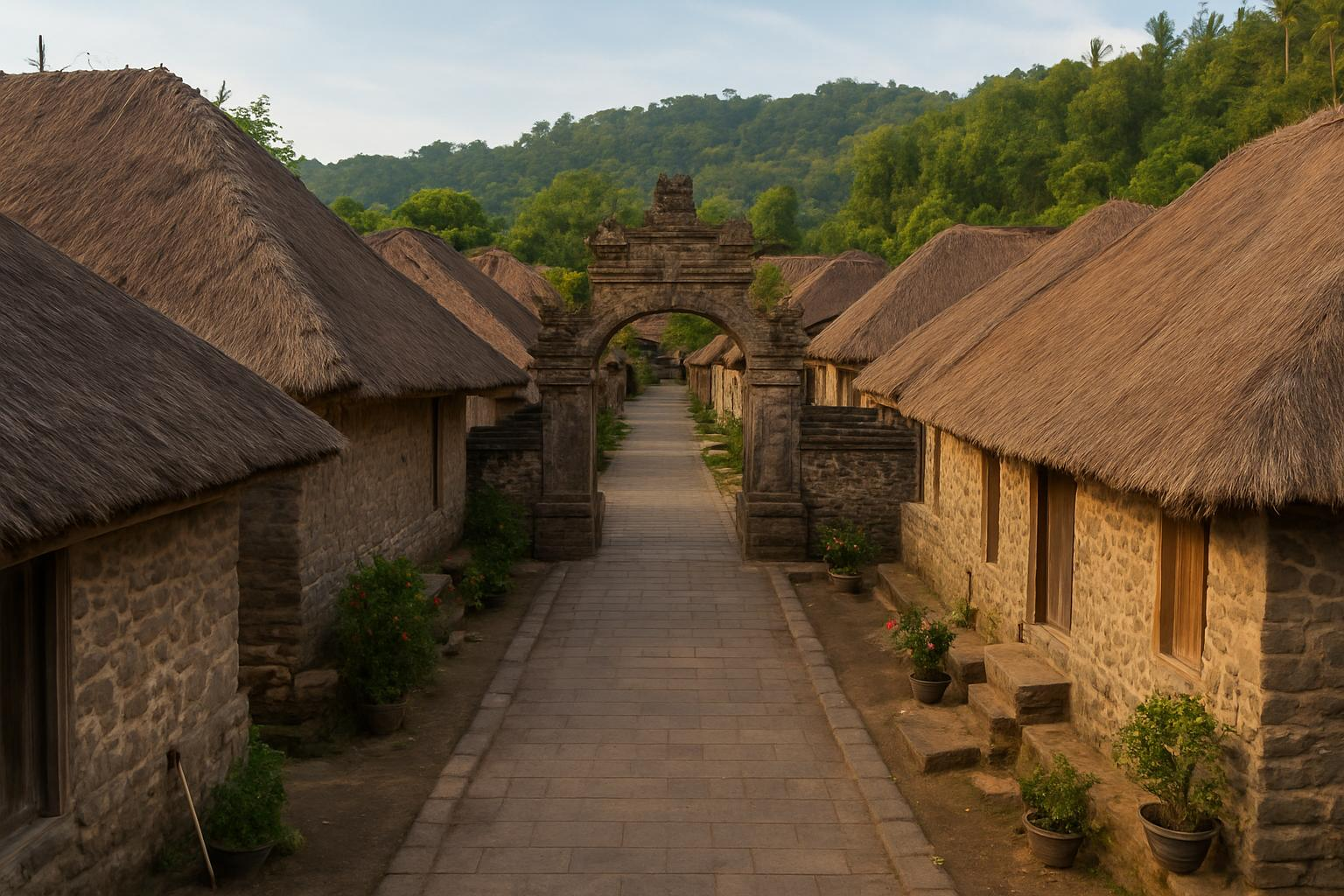
Tenganan, in East Bali, is one of the island’s traditional villages. It is known for its distinctive customs, community structure and traditional crafts. The village has a strong cultural identity and offers an opportunity to learn about practices that differ from those found in many other parts of Bali.
One of its best-known traditions is the making of double ikat textiles, known as gringsing. The weaving process is complex and can take a long time. These textiles are valued for their craftsmanship and cultural importance.
The village is also associated with the Mekare-kare ceremony, sometimes called the pandan war. During this traditional event, participants use thorny pandan leaves as part of a ritual connected to the village’s customs. Visitors should check whether the ceremony is taking place during their visit rather than expecting it to follow a fixed tourist schedule.
Tenganan is not a theme park or a staged attraction. It is a living community. Visitors should ask before taking photographs, respect local rules and remember that homes and ceremonial spaces are not public displays.
For travellers interested in Balinese heritage, the village offers a meaningful cultural experience. It is best visited with enough time to understand its traditions rather than treating it as a quick stop.
Amed: Volcanic Coastlines and Underwater Exploration
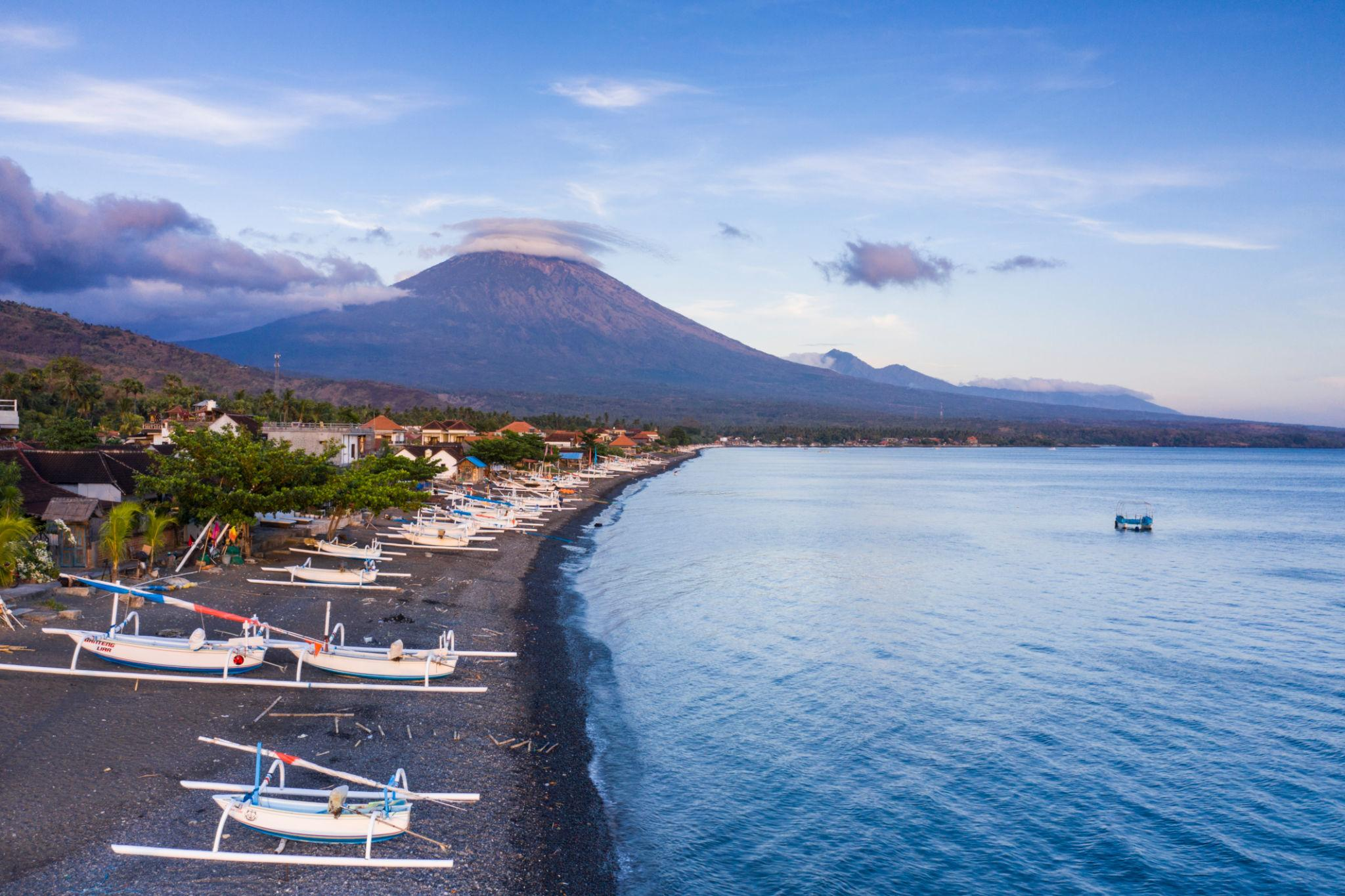
Amed is a coastal area in East Bali, known for its black volcanic beaches, fishing villages and views of Mount Agung. It has a relaxed atmosphere and a different character from the island’s southern beach destinations.
The coastline is made up of several small villages and bays. Traditional fishing boats often rest along the shore, while local restaurants and small hotels look out across the sea. The landscape is simple and striking, especially at sunrise.
Amed is also an important destination for diving and snorkelling. The area has several underwater sites, including coral reefs and the well-known Japanese shipwreck near Banyuning. Conditions vary by location and season, so visitors should seek advice from local dive centres before entering the water.
Beyond the coast, the surrounding countryside offers views of Mount Agung, small temples and traditional villages. A private driver can help visitors explore the wider area without rushing between stops.
Amed suits travellers who enjoy the sea but prefer a quieter setting. It can also be combined with Sidemen and other destinations in East Bali for a more complete journey through the region.
Belimbing and Pupuan: Rural Landscapes in West Bali
The areas around Belimbing and Pupuan offer a quieter view of Bali’s countryside. Located in the island’s west-central region, they are known for rice terraces, plantations and green hills.
The landscape is less developed for tourism than many areas in the south. Roads pass through villages and agricultural land, with views of rice fields and forested slopes. Coffee and other crops are part of the local economy, and the region offers a chance to see a more rural side of the island.
This is not an area for a packed sightseeing schedule. Its appeal lies in the journey, the scenery and the opportunity to spend time away from busy tourist centres. Travellers can explore with a local driver or guide and stop at places that welcome visitors.
Belimbing and Pupuan can be included in a longer route between central and western Bali. They are particularly suitable for visitors who enjoy photography, countryside walks and quiet stays.
West Bali National Park: Nature Beyond the Main Tourist Routes
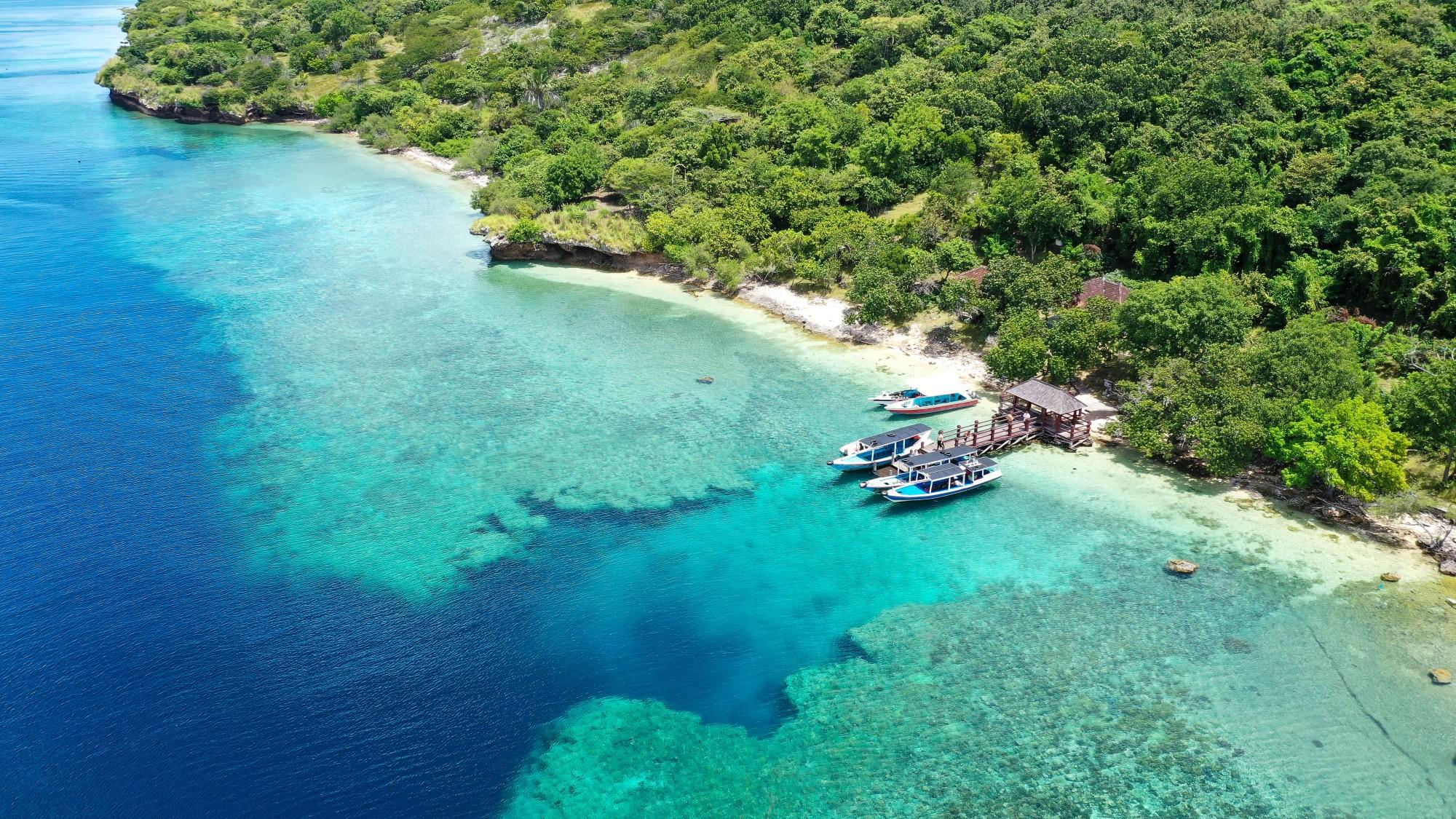
West Bali National Park protects a large area of land and sea in the north-west of the island. Its landscapes include forest, coastal areas, mangroves and marine habitats. It is also an important protected area for wildlife, including the Bali starling, a rare bird native to the island.
The park offers a different experience from Bali’s more developed destinations. Visitors can explore selected areas with authorised guides and learn about the local environment. Depending on the route and conditions, activities may include nature walks, birdwatching and visits to coastal habitats.
The marine area around Menjangan Island is especially well known for its coral reefs. Diving and snorkelling trips allow visitors to explore underwater landscapes, while boat journeys offer views of the surrounding coast.
Access to the park is controlled, and visitors should check current entry rules, permits and guide requirements before travelling. Respect for wildlife is essential. Animals should be observed from a suitable distance, and visitors should not feed or disturb them.
For nature-focused travellers, the park is one of Bali’s most rewarding destinations. It also shows why conservation is important to the island’s future.
Banjar: Hot Springs and a Quiet Northern Retreat
Banjar, in northern Bali, is best known for its natural hot springs. The pools are set among tropical gardens and are supplied by warm water that flows through stone spouts. The setting offers a peaceful break from sightseeing and a chance to relax in a natural environment.
The springs are close to the village of Banjar and can be combined with other destinations in the north, including Munduk and the coastal areas around Lovina. The surrounding region has a quieter pace than the south, with villages, temples and green countryside.
Visitors should check opening arrangements and local conditions before travelling. It is also worth remembering that the springs are a shared public attraction, so respectful behaviour and consideration for other visitors are important.
Banjar is not a private wellness retreat, but it can be a pleasant part of a wider northern Bali journey. Travellers looking for a more exclusive experience may prefer to combine the visit with a stay at a secluded hotel or wellness property in the region.
Nunggalan Beach: A Secluded Stretch of Southern Coast
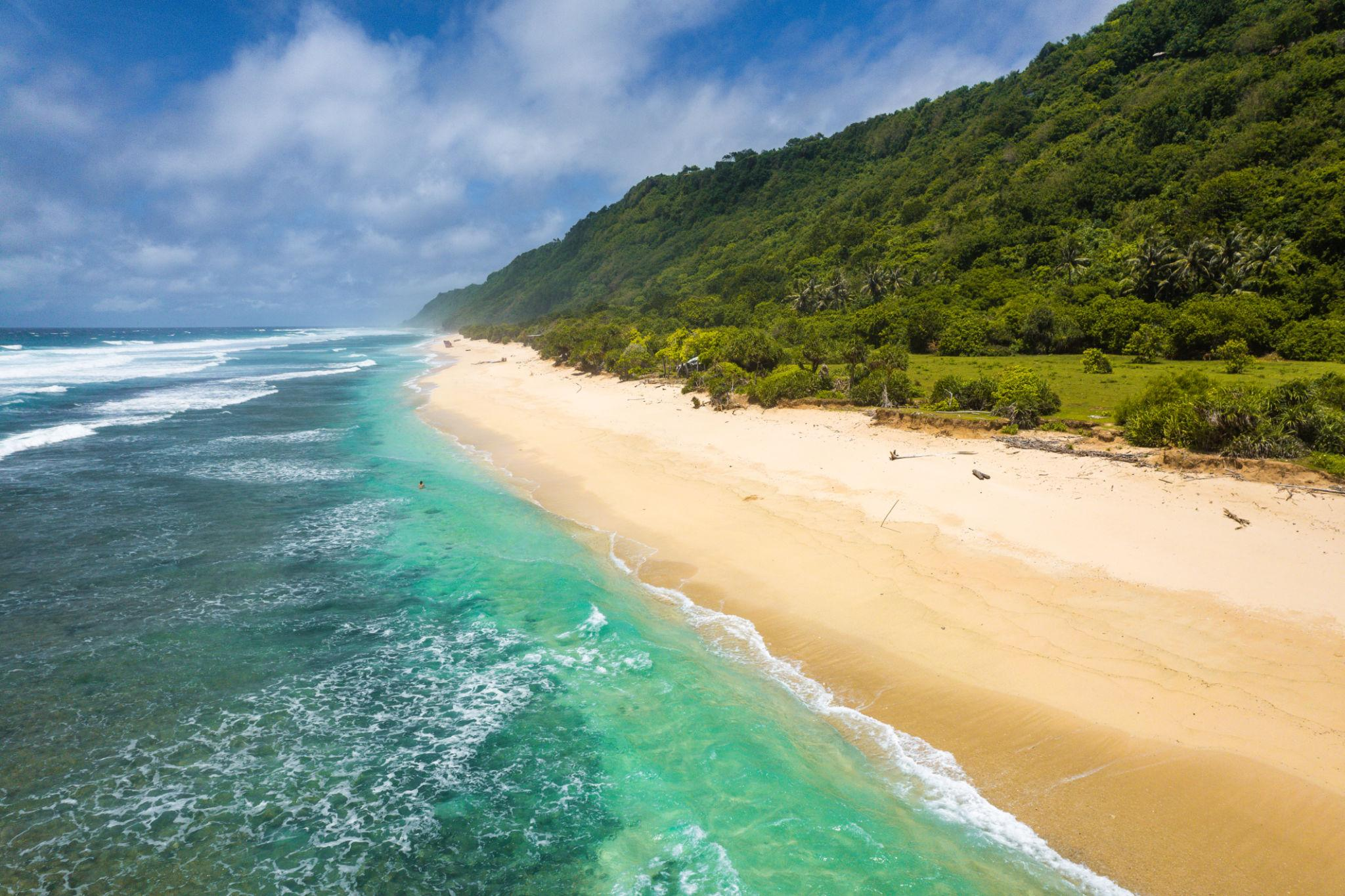
Not every quieter destination in Bali requires a long journey to the north or east. Nunggalan Beach, on the Bukit Peninsula, offers a more remote coastal setting in the south.
The beach is reached by a steep path down the cliff. The walk can be demanding, particularly in hot weather, and the return climb requires a reasonable level of fitness. Visitors should bring water, wear suitable footwear and check access conditions before setting out.
At the bottom, a long stretch of sand sits beneath high cliffs. The setting feels far removed from the developed beach areas nearby. It is a place for a quiet walk, time by the sea and views of the coastline.
Swimming should not be assumed to be safe. Waves and currents can be strong, and there may be limited facilities or lifeguard services. Visitors should assess conditions carefully and follow local advice.
Nunggalan is best for travellers who enjoy walking and natural coastal scenery. It is not an easy-access beach, but that is part of what makes the visit feel different.
Exploring Bali’s Hidden Gems with Care
Discovering Bali beyond its main tourist areas requires a different approach to travel. Distances can be longer than they appear on a map, and roads in rural areas may be narrow or slow. It is often better to choose one region and spend a few nights there than to attempt several distant destinations in a single day.
A local driver or guide can make the journey easier and provide useful insight into village life, farming and local traditions. Visitors should also support local businesses where possible, follow access rules and avoid entering private land without permission.
The meaning of a hidden gem should not be limited to finding a place with fewer visitors. It should also involve understanding why that place matters. A rice terrace is a working landscape. A village is a home. A temple is a sacred space. Respecting these details helps protect the qualities that make each destination special.
For a wider overview of the island, read The Complete Luxury Travel Guide. Travellers planning a longer stay can also explore [internal link: Best Off-the-Beaten-Path Experiences in Bali] and [internal link: Beyond the Ordinary: Discovering the Authentic Side of Bali].
Bali’s most remarkable places are not always the easiest to reach. Yet the time spent travelling beyond the familiar routes can reveal a richer and more varied island. From the quiet fields of Sidemen to the reefs of Pemuteran and the forests of the west, these destinations offer a more personal way to experience Bali.
Frequently Asked Questions
What are the best hidden gems to visit in Bali?
Sidemen, Munduk, Pemuteran, Jatiluwih, Tenganan and Amed are among the island’s most rewarding destinations beyond the main tourist areas. Each offers a different mix of nature, culture and local life.
Which part of Bali is best for a quieter holiday?
East Bali, northern Bali and the north-west coast are good choices for a quieter stay. Sidemen and Amed suit travellers interested in rural landscapes and the coast, while Munduk offers cooler highland scenery.
Are Bali’s hidden gems suitable for luxury travellers?
Yes. Several quieter areas have boutique hotels, private villas and nature-focused retreats. Sidemen, Munduk and Pemuteran are particularly suitable for travellers seeking privacy and a slower pace.
Can these destinations be visited on day trips?
Some places can be visited on day trips, depending on where you are staying. However, destinations such as Pemuteran and Munduk are better explored with an overnight stay because of the travel time from southern Bali.
When is the best time to explore Bali’s quieter destinations?
The dry season, generally from April to October, is often suitable for outdoor activities and countryside walks. Conditions can still vary, especially in the highlands. Visitors should check local weather, road and sea conditions before travelling.