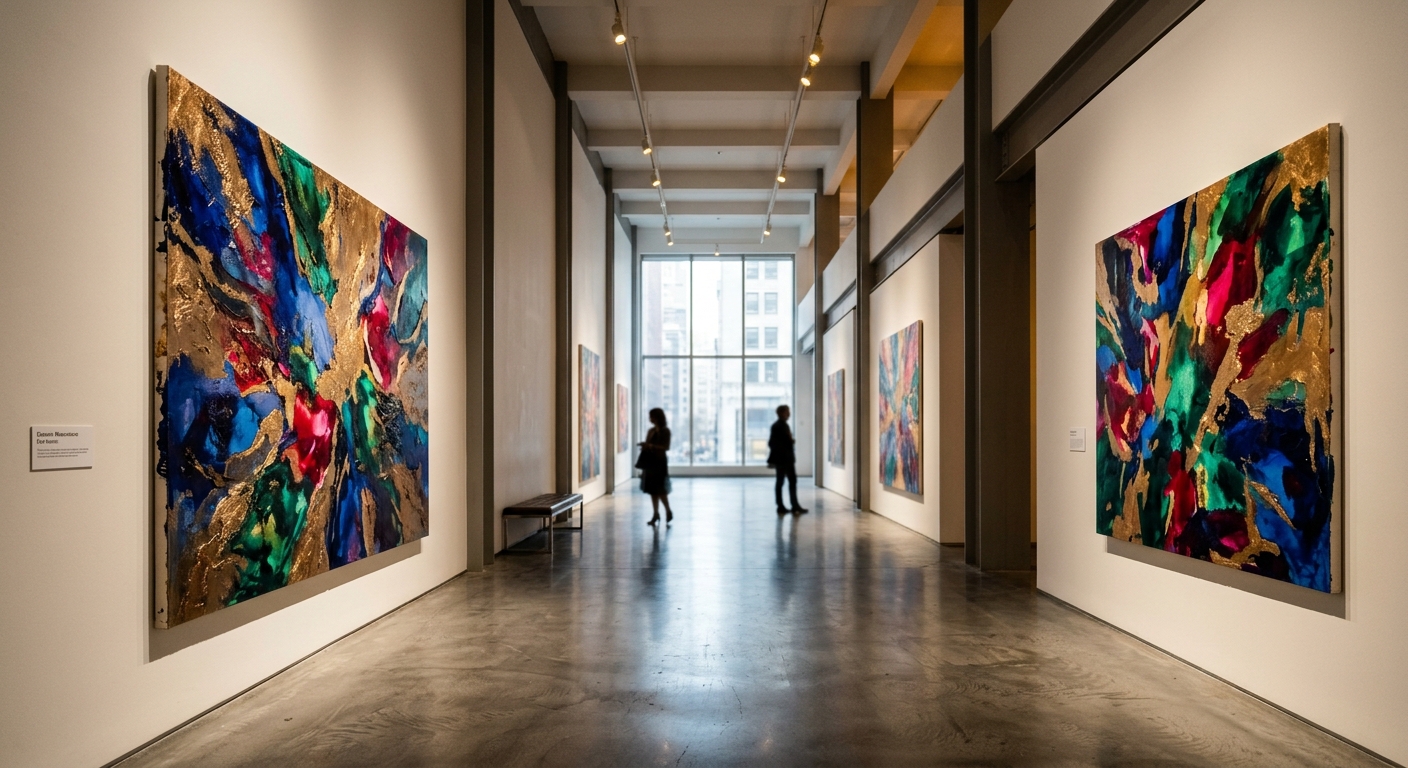
Understanding the New York luxury art guide landscape
No serious collector should step into this city without a New York luxury art guide — because the market here is vast, fast-moving, and unforgiving to the unprepared. New York hosts more than 800 galleries and multiple world-class institutions. That creates extraordinary opportunity, but also real complexity. This section sets the foundation before you dive deeper.
Why New York is the global epicenter for luxury art
New York consistently generates more than 40% of global auction sales revenue each year. That single statistic tells you everything about the city’s gravitational pull on collectors, dealers, and artists worldwide. No other city comes close to matching its concentration of talent, capital, and cultural ambition.
Additionally, New York benefits from a unique convergence of factors. It has a dense network of private collectors, institutional buyers, and speculative investors all competing in the same rooms. That competition drives quality, raises stakes, and keeps the market sharper than anywhere else on earth. For a discerning buyer, this energy is genuinely thrilling.
What defines luxury in the New York art market
Luxury in this context goes well beyond price tags. Of course, seven-figure sales are common at the top end. However, true luxury here means access: access to works before they reach the open market, access to artists directly, and access to knowledge that most buyers simply never obtain.
In short, the New York luxury art guide experience is about caliber at every level. It means white-glove handling, discreet transactions, and relationships built over years with trusted dealers. It also means understanding which galleries earn genuine prestige versus which ones simply charge high prices. That distinction matters enormously.
How this luxury art guide differs from standard museum tourism
Standard museum tourism means joining a queue, buying a general admission ticket, and following a map. This New York luxury art guide is something entirely different. It is designed for people who want to acquire, invest, and engage with art at the highest level.
For example, a tourist visits MoMA to see Starry Night. A serious collector visits MoMA to study market positioning and then moves on to a private Chelsea viewing that afternoon. Similarly, this guide treats art as both a cultural passion and a strategic asset. That dual perspective shapes every recommendation you will find in these pages.
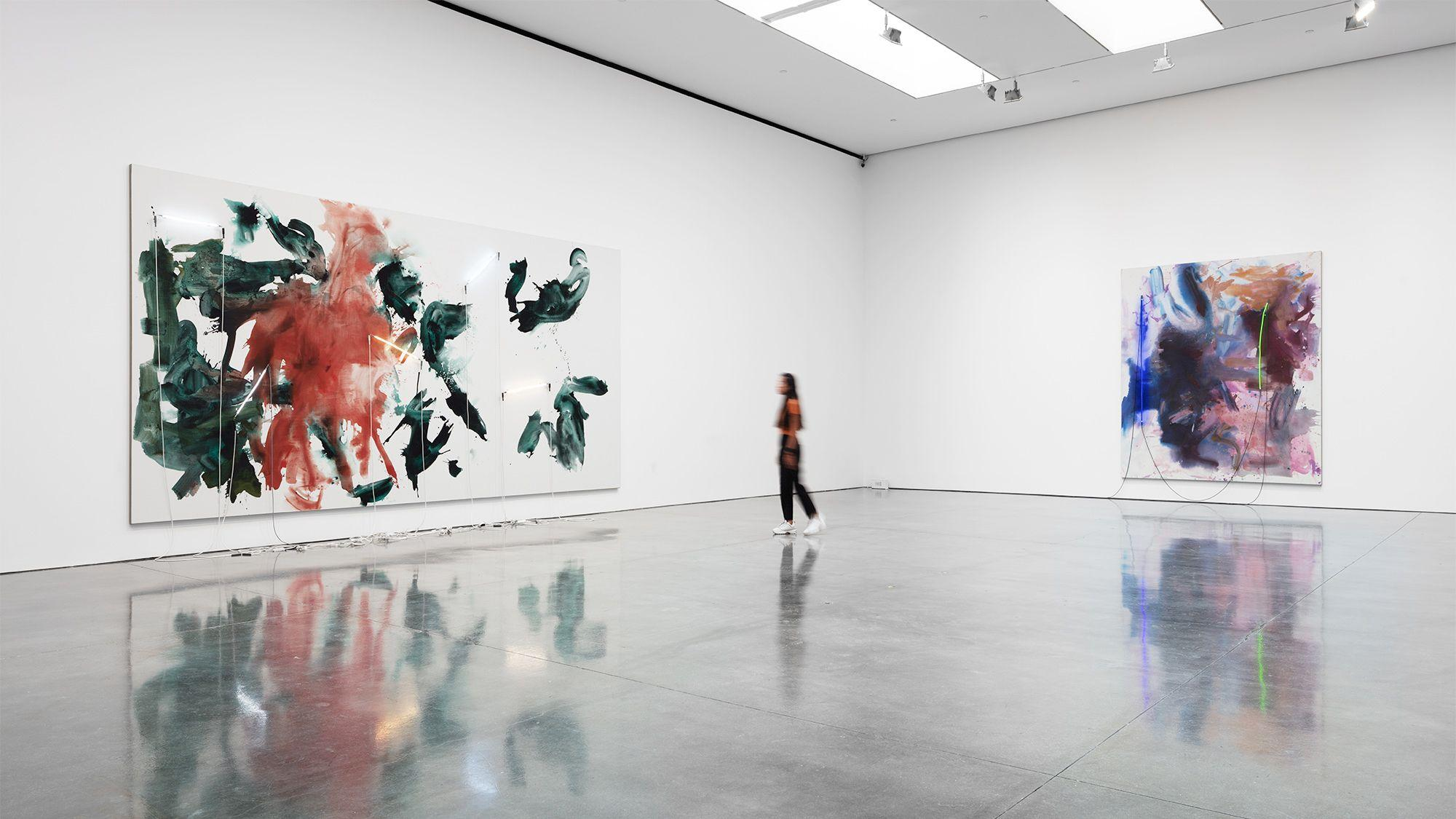
3 Day Luxury Itinerary New York: Ultimate Guide
The premier galleries and museums in our New York luxury art guide
This New York luxury art guide places its deepest focus on institutions and galleries that reward serious engagement. Every venue listed here has been selected for its quality, its curatorial rigor, and its relevance to collectors operating at the highest level of the market.
MoMA and the Metropolitan Museum: Iconic anchors of luxury art collecting
The Museum of Modern Art and the Metropolitan Museum of Art are not just tourist attractions. They are active market forces. Works in their permanent collections carry a provenance weight that lifts prices at auction. Collectors who understand their programming stay ahead of trends before those trends hit the open market.
MoMA’s annual acquisition announcements, for instance, can signal which artists are moving from emerging to established status. Meanwhile, the Met’s blockbuster exhibitions consistently drive renewed collector interest in specific periods and movements. Attending these exhibitions as a collector, rather than as a casual visitor, changes how you absorb the information entirely.
Exclusive private galleries in Chelsea and the Upper East Side
Chelsea is home to some of the most influential contemporary galleries in the world. Gagosian, Pace, and David Zwirner all maintain significant Chelsea presences. Each operates with a roster of blue-chip artists whose work trades at multi-million-dollar levels. Getting past the front desk requires preparation, intention, and occasionally a warm introduction.
The Upper East Side offers a different flavor entirely. Galleries here tend to focus on established secondary market works. Acquavella Galleries and Mnuchin Gallery are standout examples. Both maintain relationships with major estate holders and private collections. As a result, they often access works that never appear in public auction catalogs.
Emerging contemporary spaces for discerning collectors
Smart collectors do not only shop at the top of the market. They also watch carefully for emerging spaces that are building reputations fast. Galleries like Karma, Fortnight Institute, and Sargent’s Daughters have each identified artists who later gained significant critical and commercial recognition.
Furthermore, emerging spaces tend to be more accessible than established blue-chip galleries. Prices are lower, conversations are more open, and relationships are easier to build from the ground up. For a collector with a long horizon, buying early in an artist’s career can produce both financial and personal satisfaction that no blue-chip purchase can match.
Specialized galleries featuring Old Masters and rare acquisitions
New York also supports a strong market for Old Masters and historical works. Sperone Westwater, Richard L. Feigen, and Otto Naumann each handle works from the 15th through 19th centuries with exceptional expertise. These galleries attract serious institutional buyers alongside private collectors.
That said, purchasing in this category demands the highest levels of due diligence. Provenance research becomes critical when works are centuries old. Even so, the rewards are significant. A well-documented Old Master acquisition carries prestige and stability that contemporary works, however exciting, rarely replicate.
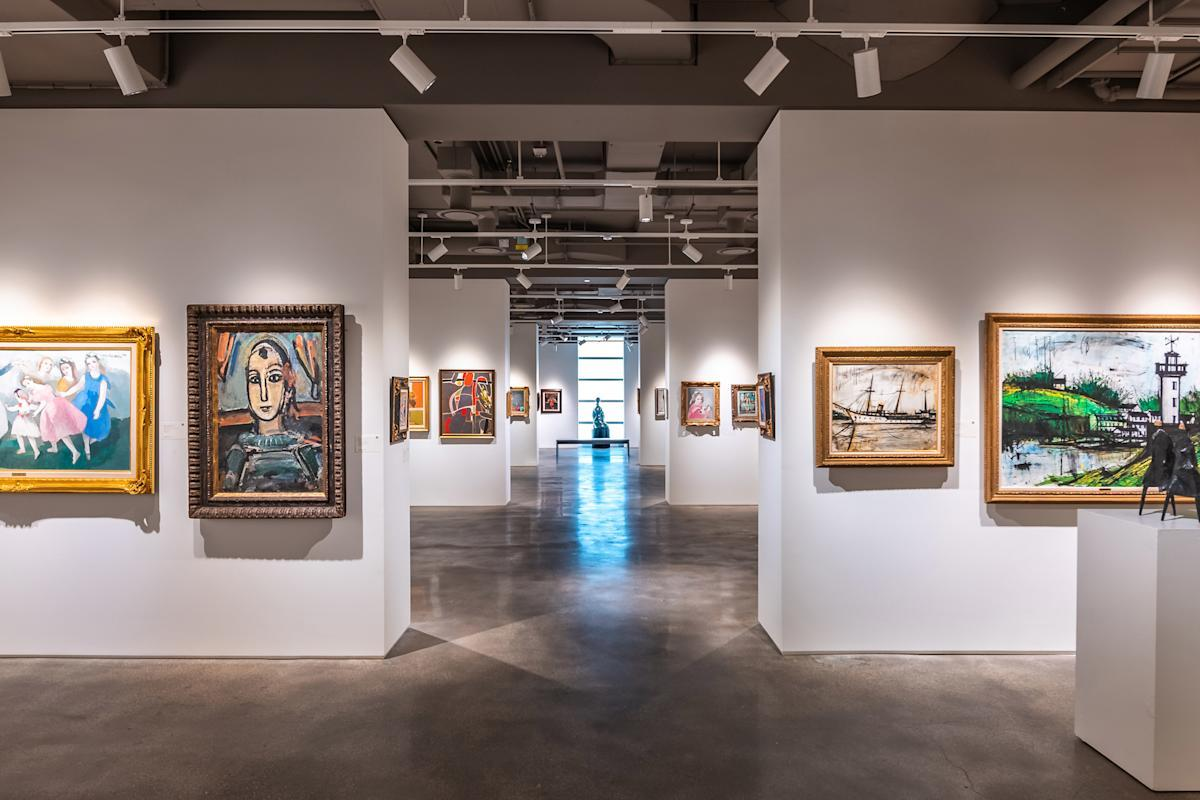
How to navigate the New York luxury art guide with insider knowledge
Knowing which venues to visit is only half the equation. Using this New York luxury art guide effectively also means understanding the social and logistical strategies that separate informed collectors from first-time buyers. The art world has its own unwritten rules, and learning them pays dividends quickly.
Gaining access to private viewings and VIP experiences
Private viewings are where serious deals happen. These events take place before public openings, often on the day of an exhibition’s install. Galleries reserve them for established clients, major collectors, and, occasionally, journalists and advisors with significant influence in the market.
To gain access, you need to signal that you are a genuine buyer. That does not always mean spending immediately. It means showing up, asking intelligent questions, and following through when you express interest. Additionally, partnering with a respected art advisor instantly elevates your status in a gallery’s eyes. Advisors open doors that remain closed to walk-in visitors.
Understanding provenance and authentication in high-value purchases
Provenance is the documented history of a work’s ownership. In the luxury New York art market, incomplete provenance is a red flag that can reduce value and create legal complications. Before any major purchase, you should request the full ownership chain from creation to present.
Authentication is equally critical. For works by major artists, authentication boards and catalogue raisonnés are the standard references. However, some boards have dissolved in recent years, making independent expert assessment more important than ever. Always hire an independent conservator or art historian to verify a work before committing significant capital.
Building relationships with gallery owners and art advisors
The best deals in New York’s art market rarely happen in public. They happen through trusted networks built over time. Gallery owners remember buyers who treat their artists with respect, pay promptly, and place works carefully. Those buyers receive early calls when important works become available.
Art advisors operate similarly but from a different angle. A good advisor brings institutional knowledge, market data, and personal relationships that an individual collector could take decades to develop alone. For context, leading advisors charge between five and ten percent of a transaction’s value. That fee typically pays for itself many times over in terms of price negotiation and access.
Timing your visits to art fairs and exclusive exhibitions
New York’s art calendar has clear peaks. The Armory Show in March and Frieze New York in May are the two anchor fairs for luxury collectors. Each draws hundreds of galleries and thousands of serious buyers to the city simultaneously. Planning around these dates allows you to see enormous amounts of high-quality work in a compressed window.
However, the real insider move is attending VIP preview days. These require credentials or invitations, but they offer access to works before the general public arrives. Many pieces at major fairs sell on the first morning of VIP previews. If you arrive on general admission day, the best works are often already sold and marked with discreet red dots.
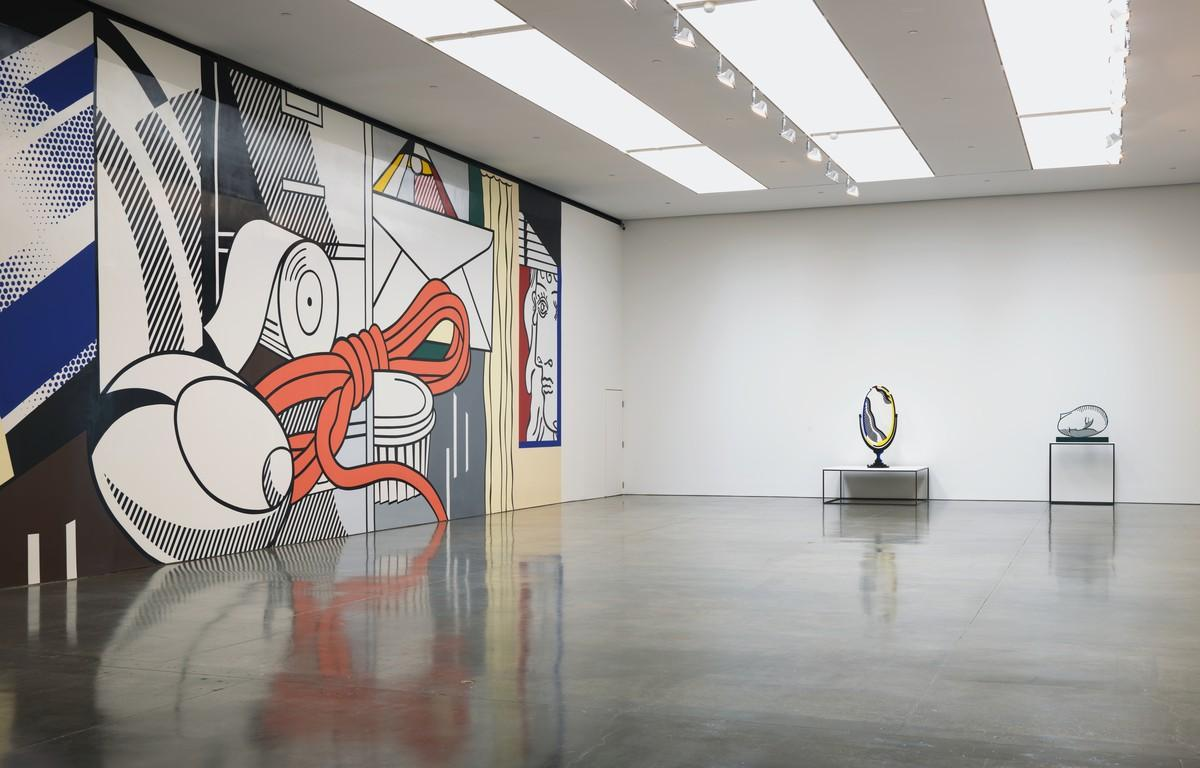
Luxury art neighborhoods featured in this New York guide
Geography matters in this New York luxury art guide. Each neighborhood has its own character, specialties, and collector demographics. Understanding where to go for what purpose dramatically increases the efficiency of any collecting trip. Here is a neighborhood-by-neighborhood breakdown of the city’s elite art districts.
Chelsea: The contemporary art powerhouse
Chelsea, roughly defined as the blocks between West 14th and West 29th Streets near the Hudson River, houses the greatest concentration of contemporary art galleries anywhere in the world. On a single afternoon, a collector can visit thirty or more galleries without taking a taxi. That density is extraordinary and practically unmatched globally.
The neighborhood functions best on Thursdays and Saturdays, when openings and foot traffic peak. First-visit collectors often find Chelsea overwhelming, but a focused itinerary resolves that quickly. Choose four or five galleries aligned with your collecting interests and spend meaningful time in each. Quality of attention beats quantity of venues every time.
The Upper East Side: Classical elegance and established dealers
The Upper East Side is where Old Money meets Old Masters. The galleries here tend to occupy townhouses or elegant ground-floor spaces on streets like East 70th and East 79th. The atmosphere is quieter and more formal than Chelsea. Appointments are often expected and welcomed rather than optional.
This area suits collectors seeking works with deep market history. Blue-chip modern works from the 20th century mid-period are particularly well represented. Furthermore, proximity to the Metropolitan Museum and the Frick Collection means the neighborhood has an inherent cultural gravitas. Even a walk between galleries feels like a continuation of the museum experience.
Lower East Side and Tribeca: Cutting-edge galleries and emerging talent
The Lower East Side has evolved rapidly over the past decade. It now hosts a vibrant mix of young galleries showing experimental and culturally diverse work. For a luxury collector with an eye for emerging trends, this is the neighborhood to watch. Prices are still accessible, but not for much longer in many cases.
Tribeca, meanwhile, offers a more curated selection of mid-career and established contemporary artists. The neighborhood’s converted loft buildings provide dramatic gallery spaces that suit large-scale installations and sculpture. Several important private collections are also headquartered here, adding to its cultural weight within the New York luxury art guide ecosystem.
Midtown and Museum Mile: Institutional prestige and world-class collections
Museum Mile stretches along Fifth Avenue from East 82nd to East 110th Street. Along this corridor, you find the Met, the Guggenheim, the Cooper Hewitt, and several other major institutions. Each offers membership tiers that grant enhanced access, including curator-led tours and members-only exhibition previews.
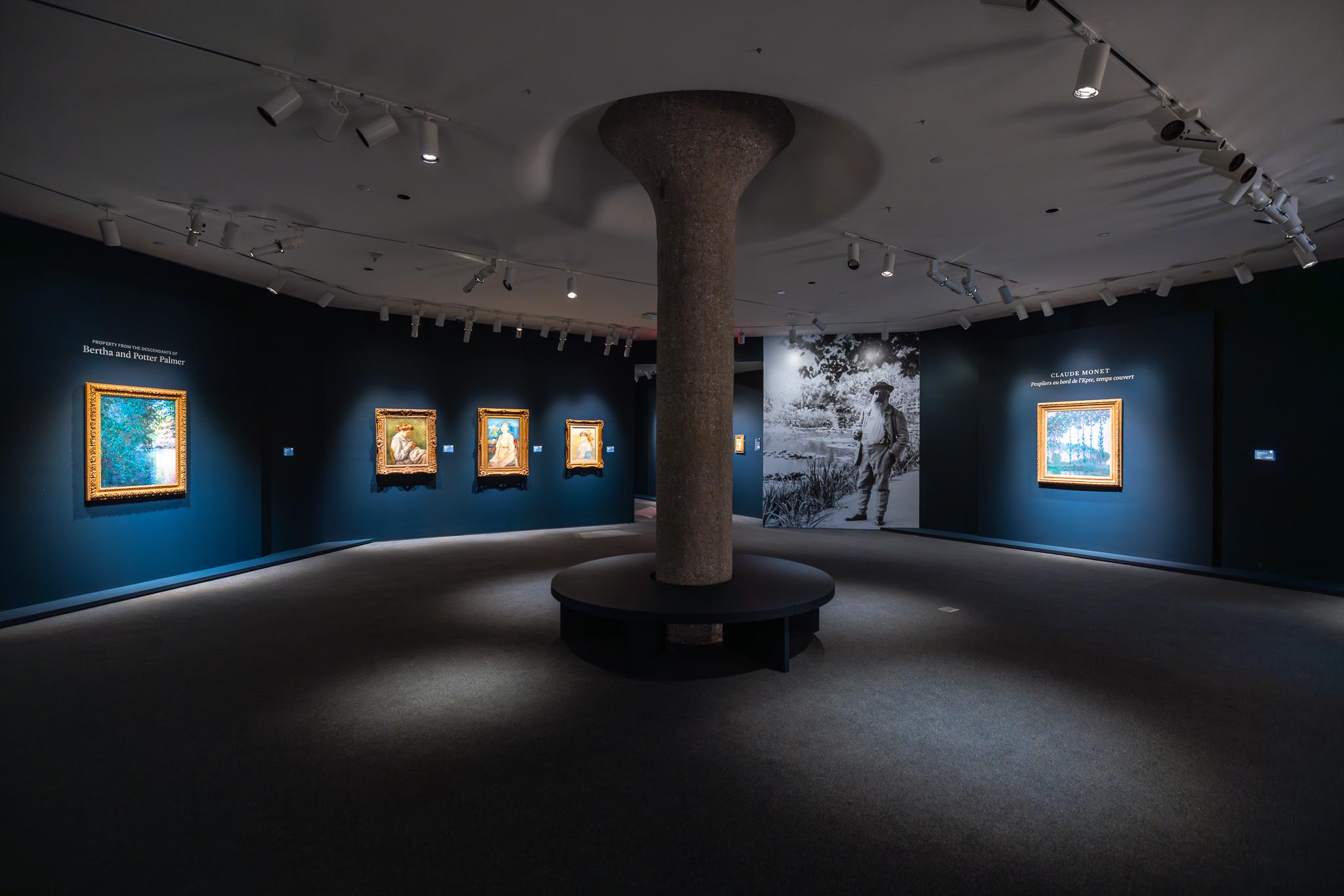
Midtown adds commercial galleries, auction house headquarters, and major art fair venues to the mix. Christie’s, Sotheby’s, and Phillips all maintain flagship New York spaces here. Their preview exhibitions are free and open to serious buyers. Attending auction previews is one of the smartest, most underrated moves in any collector’s New York itinerary.
Investment and acquisition strategies in the New York luxury art guide
This New York luxury art guide would be incomplete without a frank discussion of strategy. Art is both a passion and, for many collectors, a significant asset class. Understanding how to buy intelligently protects your investment and deepens your engagement with the market over time.
Identifying artworks with strong appreciation potential
Appreciation in art is never guaranteed. However, certain indicators consistently correlate with long-term value growth. Museum exhibition history, strong critical writing, representation by blue-chip galleries, and inclusion in major private collections all signal an artist’s durability in the market.
In addition, secondary market velocity matters. When an artist’s work sells quickly and at or above estimate at auction, that is a strong signal. Platforms like Artnet and Artprice track these data points in real time. Serious collectors subscribe and study these tools the same way equity investors study financial data. Informed buying is always smarter than intuitive buying alone.
Working with art advisors and consultants for major acquisitions
For acquisitions above a certain threshold, typically $100,000 and above, engaging an art advisor is not just helpful. It is essentially a professional obligation. A skilled advisor negotiates price, verifies condition, coordinates shipping and insurance, and manages the entire transaction on your behalf.
Moreover, advisors maintain relationships across the entire ecosystem. They know when estates are being liquidated, when major collectors are quietly selling, and when galleries have works not yet listed publicly. That intelligence is genuinely impossible to replicate without years of deep market participation.
Navigating auction houses and competitive bidding
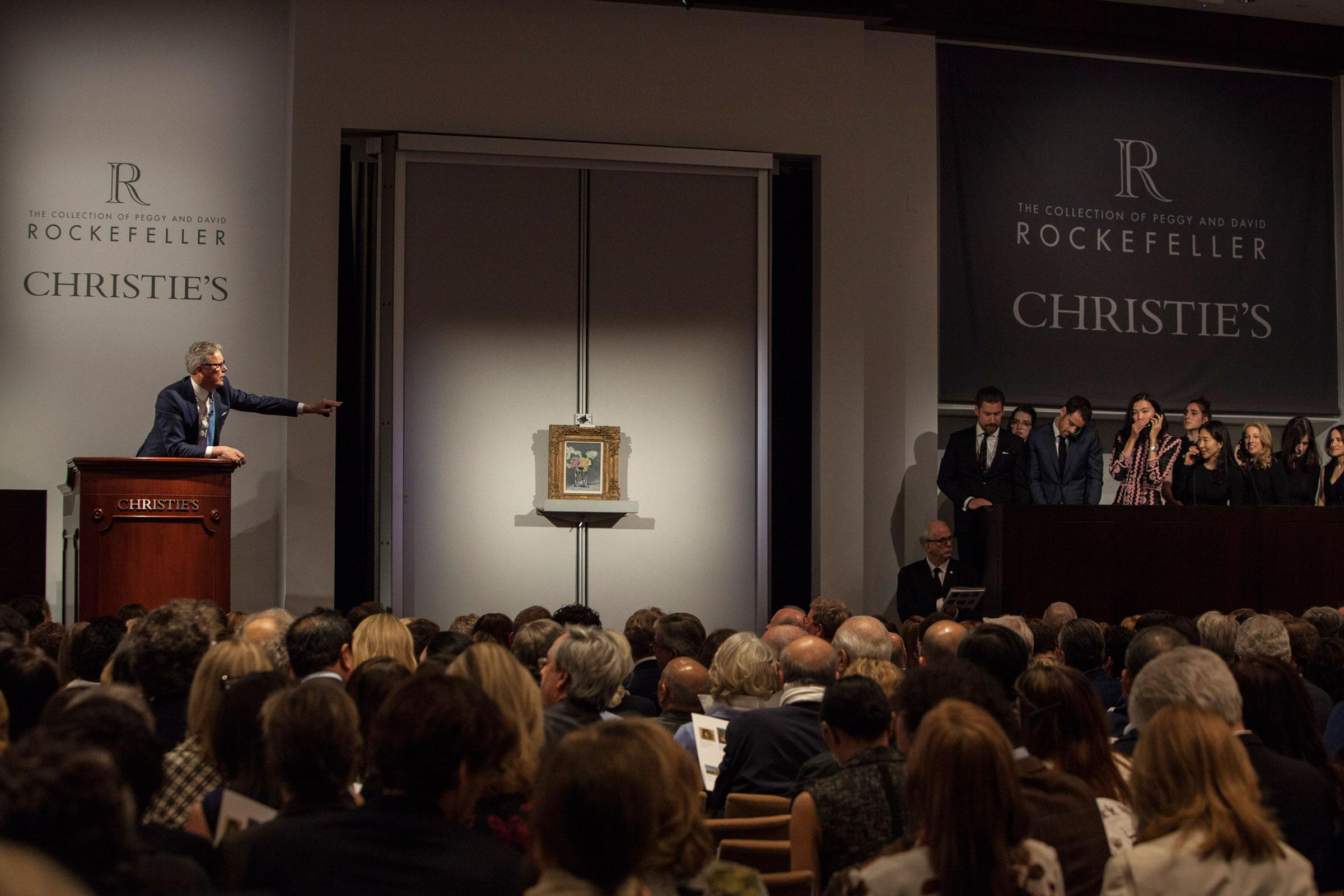
New York’s major auction houses, Christie’s, Sotheby’s, and Phillips, hold evening sales that regularly generate headlines. These events are theatrical and exciting, but they demand discipline. Emotional bidding in a room full of competitive buyers is the fastest way to overpay significantly.
Set your maximum bid before the sale begins and instruct yourself not to exceed it. Using absentee or telephone bids can actually help with this discipline. Similarly, buyer’s premiums at major houses now reach 26% or more on lower value lots. Always calculate the total cost including premium before establishing your ceiling. The hammer price is just the starting point.
Tax considerations and documentation for luxury art ownership
Art ownership at the luxury level carries real tax implications. In New York, sales tax applies to art purchased in the state unless specific exemptions apply, such as works purchased for resale. Importing works from abroad triggers customs duties and import taxes that require careful advance planning.
Additionally, estate planning for art collections is a specialized field. Works held at death can trigger significant estate tax liability. Many collectors use charitable donations, fractional gifts to museums, or conservation easements to manage these exposures. Always consult both an art law attorney and a tax advisor who specialize in cultural property before making acquisitions above the six-figure range.
Enhancing your experience with this New York luxury art guide
The finest version of this New York luxury art guide experience goes beyond gallery visits and auction rooms. It encompasses a full lifestyle ecosystem: private access, exceptional dining, continued education, and personalized service. This final section covers how to build that complete experience in New York City.
Private collection tours and behind-the-scenes access
New York holds some of the greatest private art collections in human history. Many of these are completely inaccessible to the general public. However, through the right introductions and institutional memberships, private tours can be arranged. Organizations like the Art Production Fund and Independent Curators International occasionally facilitate such access for members.
Museum Friends programs at the Met, the Guggenheim, and MoMA all include behind-the-scenes elements at their higher membership tiers. These may include storage tours, conservation studio visits, and curator breakfasts. For a collector, spending an hour with a museum curator discussing the institution’s acquisition strategy is often more valuable than any single gallery visit.
Luxury dining and hospitality near major art venues
Chelsea has developed a strong restaurant scene alongside its gallery district. The Standard Grill in the Meatpacking District and the Cookshop on Tenth Avenue are both longtime favorites among gallery professionals. A post-opening dinner at either venue is a reliable way to continue conversations started during a viewing.
Near Museum Mile, the Carlyle Hotel on East 76th Street remains the quintessential luxury base for the Upper East Side art experience. Its Bemelmans Bar, decorated with original Ludwig Bemelmans murals, is itself a piece of New York art history. Similarly, the Frick Collection sits just a few blocks away, making the Carlyle a genuinely ideal location for serious collectors.
Educational programs and expert seminars for collectors
Continuous education separates good collectors from great ones. The Art Students League of New York, Sotheby’s Institute of Art, and Christie’s Education all run programs tailored to collectors rather than practicing artists. These range from single-day seminars to multi-week intensives covering topics from connoisseurship to art law.
Furthermore, the 92nd Street Y and the Brooklyn Academy of Music regularly host panel discussions and lectures featuring leading curators, artists, and market experts. These events are often open to the public at modest ticket prices. The networking opportunities alone justify attendance. Meeting fellow collectors in these settings builds relationships that later translate into tips, introductions, and shared opportunities.
Concierge services and personal art shopping experiences
Several New York-based luxury concierge firms now offer dedicated art itinerary services. These companies design bespoke gallery schedules, arrange private viewings, coordinate transportation between venues, and even pre-brief collectors on the key works to focus on before each visit. For a first-time visitor to the New York luxury art guide scene, this kind of support is remarkably effective.
Hotels including the Four Seasons, the Aman New York, and the Lowell all provide culturally focused concierge services for guests. The Lowell, in particular, has cultivated long-standing relationships with Upper East Side galleries and can facilitate introductions that would otherwise take months to arrange independently. Finally, some collectors retain personal art shoppers on a session basis, paying a flat fee for a curated day of carefully sequenced gallery visits. This model is growing in popularity among international visitors who want a fully managed, high-caliber New York luxury art guide experience without the overhead of retaining a full-time advisor.
Conclusion
New York remains the most dynamic and demanding art market in the world. This New York luxury art guide has walked you through its geography, its institutions, its unwritten rules, and its investment logic. Now it is time to put that knowledge to work on the ground.
Start with the neighborhoods that match your collecting interests. Build relationships before you need them. Hire the right advisor for major purchases. And above all, approach the market with genuine curiosity alongside commercial intention. The collectors who thrive here are the ones who love art deeply and study it seriously. This New York luxury art guide is your starting point. The rest is built through experience, one extraordinary work at a time.
Frequently Asked Questions
What should I know when using a New York luxury art guide for the first time?
First-time luxury collectors should understand the key difference between museum visits and private gallery experiences. Familiarize yourself with provenance requirements before any purchase. Strongly consider hiring a qualified art advisor who can navigate high-value acquisitions with you, providing market intelligence and negotiation expertise from the very beginning.
How can I access exclusive galleries and private viewings in New York?
Exclusive access typically comes through building genuine relationships with gallery owners over time. Referrals from established collectors also carry significant weight. Engaging a respected art advisor or consultant opens doors quickly. Attending invitation-only art fairs and private auctions designed for high-net-worth clients accelerates your introduction into the inner circle considerably.
Where should I start with a New York luxury art guide for contemporary art collectors?
Start by exploring Chelsea’s world-class contemporary galleries and attending opening receptions on Thursday evenings. Consult with a specialized art advisor early in the process. Also visit MoMA regularly to track which artists are gaining institutional validation, as that directly influences market trends and pricing across the broader contemporary art landscape.
What are the most prestigious art neighborhoods to explore in New York City?
The most prestigious neighborhoods include Chelsea for cutting-edge contemporary art, the Upper East Side for classical works and established blue-chip dealers, and Museum Mile for institutional depth and prestige. Emerging areas like Tribeca and the Lower East Side are increasingly important for forward-looking collectors seeking the next generation of significant artistic talent.
How do I verify authenticity and provenance when acquiring luxury art in New York?
Work exclusively with reputable galleries and established auction houses that provide full documentation. Always request the complete provenance chain from creation to present. Hire an independent conservator or art historian for authentication on significant purchases. Consult legal and insurance specialists as well, and ensure every transaction is properly documented for compliance and future resale purposes.