Understanding Tokyo Sushi Culture and Edomae Tradition
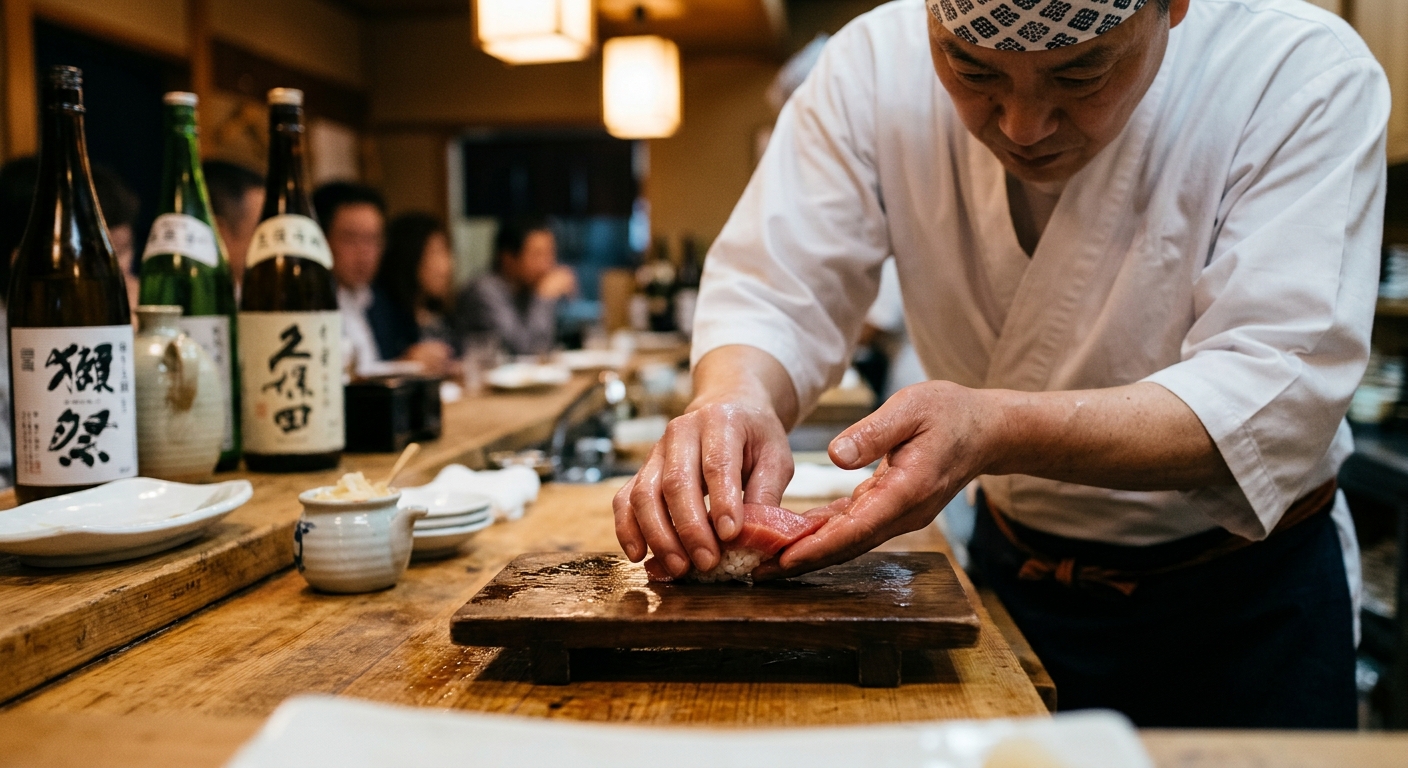
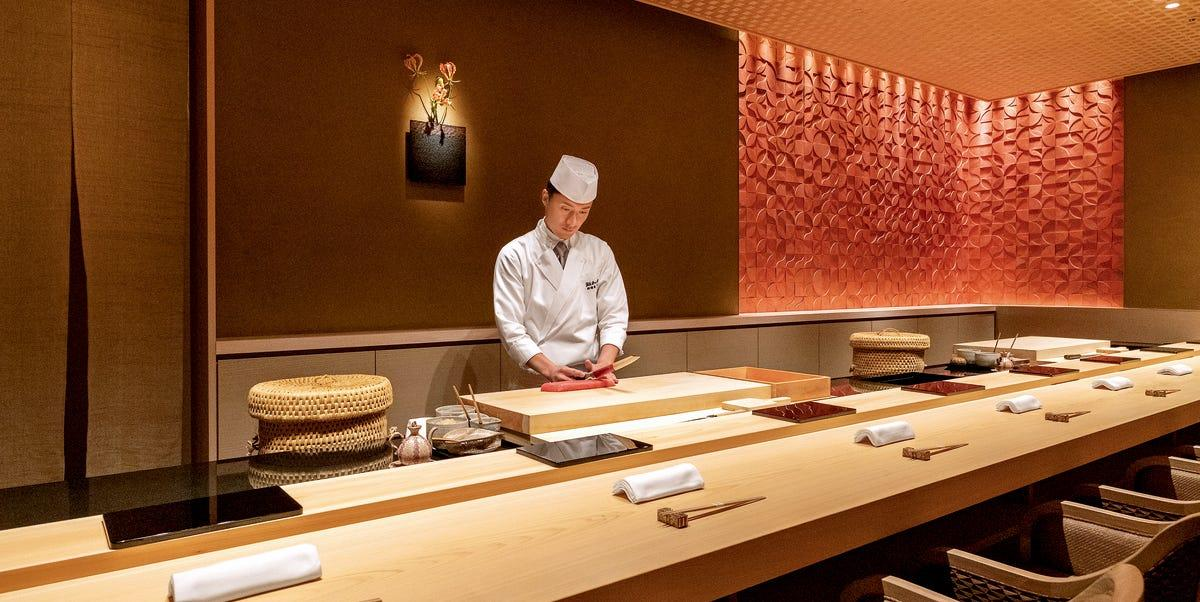
Few dining experiences capture the depth of Tokyo sushi culture edomae tradition and modern omakase quite like sitting at a cypress counter, watching a master chef press each piece of nigiri by hand. Tokyo’s sushi identity runs centuries deep. It is not simply a meal. It is a living art form shaped by geography, history, and an unrelenting pursuit of perfection.
In this guide, you will explore every dimension of that art. From the origins of Edomae to the cutting edge of contemporary omakase, consider this your definitive road map.
What is Edomae Sushi: The Foundation of Tokyo Sushi Culture
Edomae literally means “in front of Edo,” referring to the bay that once fronted the city now called Tokyo. Fishermen harvested seafood directly from Tokyo Bay and vendors sold hand-pressed sushi as street food. Speed and freshness were everything. That urgency shaped every principle the style still follows today.
Tokyo sushi culture edomae tradition and modern omakase both trace their roots to this humble street-stall origin. The style distinguishes itself through specific preservation techniques, seasoned rice, and an intimate chef-to-diner relationship. Understanding Edomae means understanding why Tokyo sushi tastes different from every other regional style in Japan.
The Historical Evolution of Edomae Tradition in Tokyo
Edomae sushi first appeared during the early 19th century, in what historians call the late Edo period. Stalls lined the streets near Nihonbashi market. Chefs used vinegar, salt, kelp curing, and soy marination to preserve fish before refrigeration existed. These techniques were practical solutions. Over time, they became defining flavors.
By the Meiji era, sushi moved indoors. Restaurants replaced street stalls. Chefs began refining presentations and sourcing ingredients beyond Tokyo Bay. Even so, the core philosophy of Edomae tradition stayed intact. That philosophy, honoring the ingredient and mastering restraint, remains central to Tokyo sushi culture today.
Tokyo with Family: A Refined Guide to Luxury Stays and Experiences
Key Principles of Traditional Edomae Preparation Methods
Traditional Edomae preparation relies on a small set of non-negotiable principles. First, the shari (sushi rice) must be seasoned with red vinegar, called akazu, made from sake lees. This gives it a warm amber tone and a richer, more complex flavor than white vinegar rice. The temperature of the rice when served matters enormously.
Second, chefs apply specific curing and resting techniques to each fish. These include kobujime (kelp pressing), zuke (soy marination), and yubiki (brief hot water blanching). Additionally, aging fish for one to three days is standard practice. Each method draws out umami without masking the fish’s natural character.
The Art of Modern Omakase Within Tokyo Sushi Culture
Modern omakase sits at the crossroads of deep respect for Tokyo sushi culture edomae tradition and modern omakase innovation. The word omakase means “I leave it to you.” Diners surrender the menu entirely to the chef. That act of trust creates a uniquely personal dining experience that no tasting menu in the Western sense can fully replicate.
How Modern Omakase Blends Edomae Tradition with Contemporary Techniques
Today’s top Tokyo omakase chefs are fluent in classical Edomae methods. However, they also draw from French technique, molecular gastronomy, and global ingredient sourcing. For example, some chefs age tuna using dry-aging chambers borrowed from the steakhouse world. Others use truffle or caviar as accent flavors on classic nigiri cuts.
Importantly, these additions rarely overshadow the fundamentals. The best modern omakase menus feel evolutionary, not revolutionary. They extend Edomae tradition rather than replace it. Tokyo sushi culture edomae tradition and modern omakase thrive together precisely because chefs understand which rules exist to be honored and which invite creative reinterpretation.
The Role of the Sushi Chef in Modern Omakase Experiences
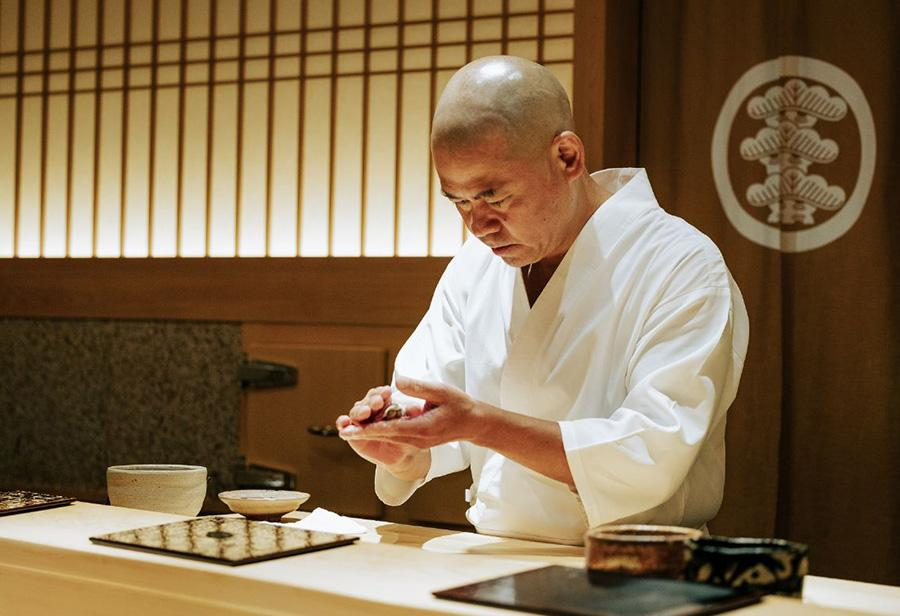
At an omakase counter, the chef is director, narrator, and host simultaneously. Each piece of sushi arrives with quiet explanation. The chef describes the fish’s origin, the aging duration, and the technique applied. This storytelling element transforms eating into education.
In fact, the relationship between chef and diner is one of the most distinctive aspects of Tokyo sushi culture. Regular diners build multi-year relationships with their preferred chefs. Chefs, in turn, remember preferences, allergies, and even significant life events. That intimacy is not incidental. It is intentional, baked into the omakase format from the beginning.
Seasonal Ingredients and their Importance in Tokyo Omakase
Seasonality is not a trend in Tokyo sushi culture edomae tradition and modern omakase. It is a strict operating principle. Chefs build their menus around what is peak at any given moment. Spring brings cherry blossom sea bream. Summer offers creamy uni from Hokkaido. Autumn signals the arrival of fatty Pacific saury. Winter is the high season for the prized fugu and snow crab.
Similarly, local fish markets like Toyosu set the daily agenda. Chefs arrive before dawn to select the best specimens personally. What diners eat that evening depends entirely on what was exceptional that morning. This calendar-driven approach ensures that every omakase meal is, by definition, unrepeatable.
Tokyo’s Luxury Spa Experiences: Onsen, Treatments and Urban Retreats
Premium vs. Casual: Price Points in Modern Tokyo Omakase
Not all omakase is priced for special occasions. Tokyo’s scene spans a wide spectrum. Casual lunch counters near Tsukiji outer market offer compact omakase sets for roughly 3,000 to 8,000 yen. These menus typically feature eight to twelve pieces and prioritize accessibility over extravagance.
At the other end, Michelin-starred counters charge 20,000 to 50,000 yen or more per person. Some landmark establishments exceed 80,000 yen for exceptional seasonal menus with rare toppings. That said, price does not always equal experience quality. Many outstanding Tokyo sushi culture edomae tradition and modern omakase meals happen in modest, low-profile settings with no star ratings at all.
Tokyo Sushi Culture: Essential Techniques and Craftsmanship
Mastery in Tokyo sushi culture edomae tradition and modern omakase is measured in millimeters and milliseconds. The gap between a good sushi chef and a great one is invisible to the untrained eye. However, once you understand the techniques involved, every detail becomes meaningful. Here is what distinguishes true craftsmanship at the counter.
Nigiri, Sashimi, and Specialty Cuts: Edomae Tradition Explained
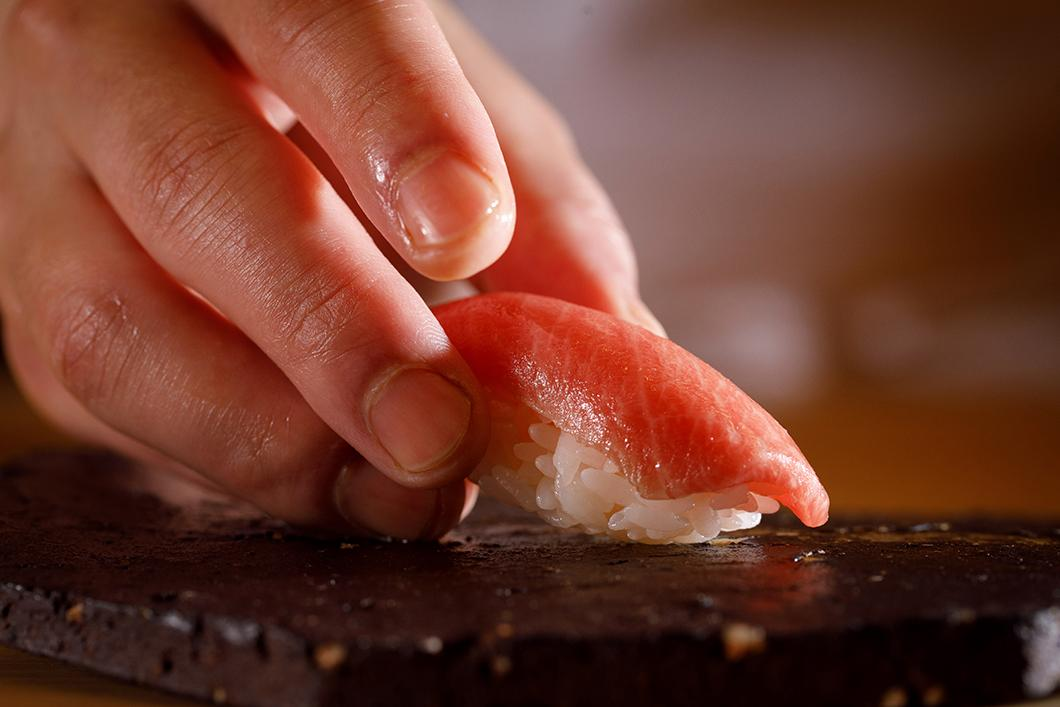
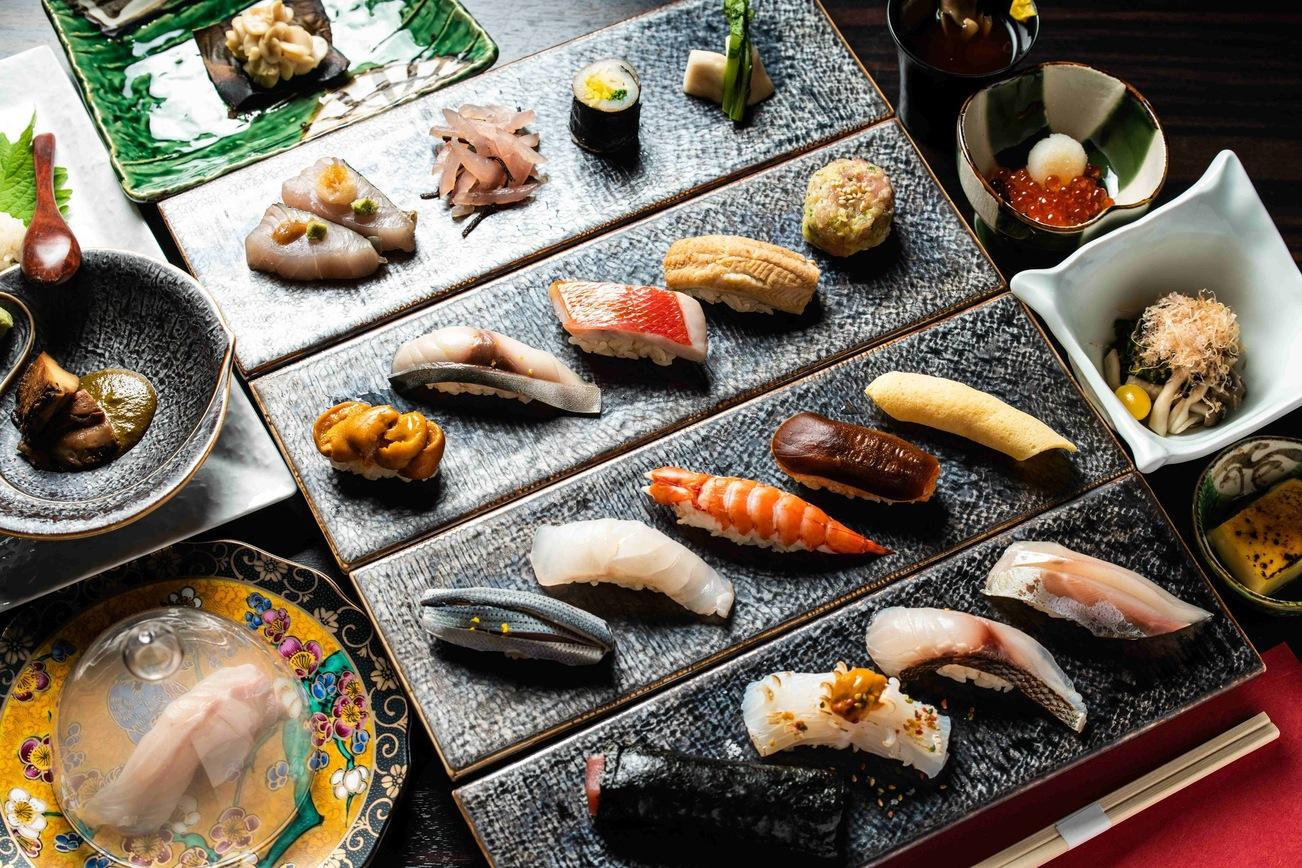
Nigiri is the signature form of Edomae tradition. The chef presses a small mound of seasoned rice and lays a precisely cut slice of fish on top. The press itself is called “te-waza” and requires years of practice. Too firm and the rice compacts. Too loose and it falls apart before reaching the mouth.
Sashimi, by contrast, is fish served without rice. In an omakase setting, sashimi courses often appear early in the meal to showcase the fish’s raw flavor before rice adds complexity. Specialty cuts include aburi (flame-seared) preparations and kakuuchi (thicker scored cuts) that allow sauce to penetrate the flesh. Each cut serves a distinct sensory purpose within the overall progression of the meal.
Rice Preparation: The Heart of Tokyo Sushi Culture
Ask any Tokyo sushi master what matters most and the answer is almost always the same: rice. The shari is the foundation. It must be cooked to precise firmness, seasoned while still hot, and kept at body temperature until served. Getting this right consistently is harder than it sounds.
The vinegar blend is each chef’s closely guarded signature. Some use exclusively akazu (red vinegar). Others blend it with white rice vinegar for brightness. The ratio of vinegar, salt, and sugar defines a restaurant’s flavor identity as clearly as its fish selection does. Tokyo sushi culture edomae tradition and modern omakase both treat rice preparation with the same seriousness as any premium ingredient.
Fish Selection and Aging: Preserving Edomae Tradition Standards
Fresh does not always mean better in Edomae tradition. Many fish benefit from controlled aging. A just-caught flounder can be too firm and flavorless. After two or three days of cold rest, its connective tissues break down, releasing natural glutamates. The result is a silkier texture and deeper flavor.
Chefs source fish from trusted brokers at Toyosu Market, direct from regional fishing cooperatives, or through long-standing relationships with boat captains. Some chefs make sourcing decisions months in advance, reserving first access to premium specimens like otoro from Oma in Aomori Prefecture. This level of intentionality defines Tokyo sushi culture at its highest expression.
Modern Omakase: Navigating the Contemporary Tokyo Sushi Scene
Visiting Tokyo specifically for sushi is increasingly common among premium diners worldwide. Tokyo sushi culture edomae tradition and modern omakase attract food travelers from every continent. However, navigating the scene without guidance can feel overwhelming. The right preparation transforms a good meal into a genuinely unforgettable one.
What to Expect During Your Modern Omakase Experience in Tokyo
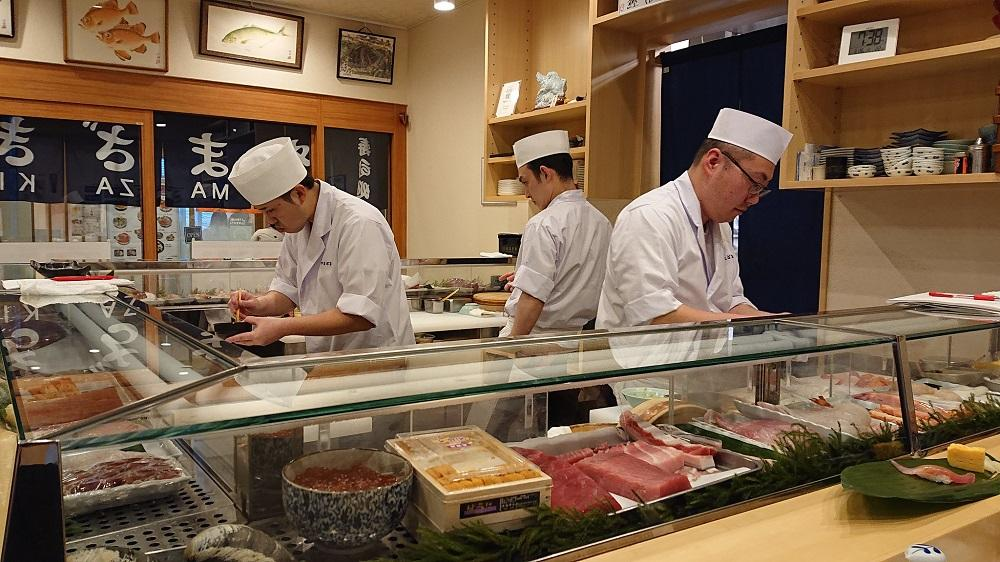
A standard omakase counter seats between six and twelve guests. Meals typically last ninety minutes to two and a half hours. The progression usually begins with lighter preparations like clam soup or simple sashimi, then builds toward richer nigiri cuts, and closes with tamago (sweet egg custard) and simple miso soup.
Expect the chef to serve each piece directly to your plate or even to your hand. Eating nigiri by hand is traditional and perfectly acceptable. In fact, many purists argue it is the correct method. The warmth of your hand briefly awakens the rice and melds it with the fish more naturally than chopsticks allow.
How to Choose an Authentic Omakase Restaurant Honoring Edomae Tradition
Start by identifying whether the restaurant was founded and trained within the Tokyo sushi lineage. Many excellent Tokyo omakase counters trace their chef’s training to storied houses like Jiro Ono’s Sukiyabashi Jiro or the Saito school. Lineage matters deeply in Japanese culinary culture.
Next, look for a menu that changes with the seasons. A restaurant offering the same fish in July and December is unlikely to be sourcing with true intention. Also, check whether the counter offers a single seating. Single-seating restaurants allow chefs to focus entirely on one group, which almost always produces a better experience.
Etiquette and Customs: Engaging Respectfully with Tokyo Sushi Culture
Arrive on time. Punctuality is non-negotiable at a small omakase counter where the chef times every course around the full group’s presence. Arriving late disrupts the rhythm of the meal for everyone. Additionally, keep phone use minimal and discreet. Photography without permission is considered rude at traditional establishments.
It is also important to communicate dietary restrictions well in advance, ideally when booking. Surprising a chef at the counter with a shellfish allergy limits what they can offer and can disrupt a carefully planned menu. Respect flows in both directions. The chef respects your trust. You respect their preparation and expertise.
Price Ranges and Booking Requirements for Modern Tokyo Omakase
As noted earlier, prices range from modest to extraordinary. For planning purposes, budget at least 15,000 to 20,000 yen per person for a mid-range evening experience at a respected but non-starred counter. Add drinks and you should expect to spend more. Sake pairing menus typically add 5,000 to 10,000 yen.
Booking is often the biggest challenge. The most coveted counters in Tokyo require reservations three to six months in advance. Some operate exclusively through personal introductions. Concierge services at luxury hotels can often secure access that is otherwise unavailable online. Plan early and treat the reservation process as part of the experience itself.
Where Edomae Tradition Meets Innovation in Tokyo Sushi Culture
The most exciting space in Tokyo sushi culture edomae tradition and modern omakase today is the tension between preservation and evolution. Some chefs guard classical methods with an almost monastic dedication. Others treat the counter as a laboratory. Both approaches produce exceptional dining, and together they keep the tradition alive and dynamic.
Notable Tokyo Restaurants Balancing Traditional Edomae and Modern Omakase
Sukiyabashi Jiro Honten in Ginza remains the global symbol of Edomae mastery. Chef Jiro Ono, now well into his nineties, represents the pinnacle of traditional devotion. Meanwhile, counters like Sushi Saito in Akasaka and Harutaka in Ginza have earned legendary reputations for blending classical training with thoughtful personal expression.
On the more contemporary side, chefs such as those at Sushi Yoshitake and Sushi Sho push the boundaries of what an omakase progression can include. These establishments honor Tokyo sushi culture edomae tradition and modern omakase equally, using classical rice methods and preservation techniques as the bedrock while expanding flavor profiles with global ingredients.
Michelin-Starred Establishments and the Evolution of Tokyo Omakase
Tokyo holds more Michelin stars than any other city in the world. Sushi counters account for a significant share of that total. The Michelin Guide has become a reference point for international visitors seeking quality assurance. However, its influence on Tokyo’s sushi scene is debated among local connoisseurs.
Some argue that starred recognition has driven up prices without proportionally improving quality. Others note that the scrutiny of Michelin inspections motivates consistency. For first-time visitors, Michelin-listed counters provide a reliable entry point. For returning visitors, exploring unstarred counters often yields some of the most memorable Tokyo sushi culture edomae tradition and modern omakase experiences available.
Emerging Trends in Modern Tokyo Sushi Culture
Several trends are reshaping Tokyo’s sushi landscape heading into 2026. First, younger chefs are opening smaller, more personal counters with just four to six seats. This intimate format intensifies the connection between chef and diner. Second, non-traditional ingredients are appearing more frequently, including wagyu beef, foie gras, and rare imported truffles paired with classic Edomae rice.
Third, international influences are becoming visible. Chefs who trained in Tokyo are now returning after stints in New York, Copenhagen, or Sydney with broadened perspectives. Finally, sustainable sourcing is gaining importance. More counters now disclose the origin and fishing method of every fish served, responding to growing environmental awareness among premium diners globally.
Experiencing Tokyo Sushi Culture: A Visitor’s Complete Guide to Edomae and Omakase
Planning a trip around Tokyo sushi culture edomae tradition and modern omakase requires as much intention as the chefs bring to their menus. The city rewards prepared visitors and those who approach it with genuine curiosity and respect. Here is everything you need to plan a successful sushi journey through Tokyo in 2025 and beyond.
Planning Your Omakase Journey: Timing, Seasons, and Best Times to Visit
Winter, from December through February, is widely considered the peak season for Tokyo omakase. The cold waters produce fatter, richer fish. Tuna from the Tsugaru Strait reaches its peak fat content. Fugu, crab, and oysters are at their prime. If you can visit only once, consider timing your trip around January or February.
That said, autumn also offers spectacular eating. Pacific saury, bonito, and shimmer of seasonal shellfish make September and October excellent months for the counter. Spring brings delicate flavors. Summer delivers vibrant, assertive uni and young yellowtail. Each season has its own argument. The honest answer is that any season in Tokyo is a great time for sushi.
Language and Communication Tips for International Sushi Enthusiasts
Many top omakase counters cater extensively to international guests. English-speaking staff are increasingly common at mid-to-high-tier establishments. However, learning a handful of Japanese phrases shows respect and often opens doors to warmer hospitality. Simple phrases like “oishii” (delicious) and “arigatou gozaimasu” (thank you very much) go a long way.
Communicating dietary restrictions is best done in writing before arrival. Most high-end counters will accept a written note or email in English. For severe allergies, translating your restriction into Japanese is strongly recommended. Additionally, be prepared for the chef to describe each piece in Japanese. Listening respectfully, even without full comprehension, is part of engaging with Tokyo sushi culture authentically.
Beyond Tokyo: How Edomae Tradition Influences Global Omakase Culture
Tokyo’s influence on global sushi culture cannot be overstated. Cities like New York, London, Singapore, and Sydney now host omakase counters directly modeled on the Tokyo format. Many of these restaurants are run by chefs who trained in Tokyo for years before opening abroad. They carry Edomae methods, sourcing ethics, and counter rituals with them.
As a result, dining at a serious omakase counter in any major world city today means engaging, at least indirectly, with Tokyo sushi culture edomae tradition and modern omakase principles. The akazu rice, the seasonal progression, the hand-pressed nigiri and the quiet respect of the counter. These are Tokyo exports that have reshaped how the world thinks about sushi entirely.
Conclusion: Why Tokyo Sushi Culture Edomae Tradition and Modern Omakase Matter
There are few culinary experiences as cohesive and meaningful as a well-executed omakase meal in Tokyo. Tokyo sushi culture edomae tradition and modern omakase represent more than a dining format. They represent a centuries-long conversation between chef and diner, between tradition and innovation, and between Japan and the rest of the world.
Whether you are sitting at a legendary Ginza counter or a ten-seat neighborhood gem in Shibuya, the same values underpin the experience. Precision, humility, seasonality, and deep respect for the ingredient. These values make Tokyo sushi culture edomae tradition and modern omakase not just worth experiencing, but worth understanding fully before you go.
Start planning now. The reservations fill up fast, and the fish will not wait.
Frequently Asked Questions
What is the difference between Tokyo sushi culture edomae tradition and modern omakase?
Edomae is the classical Tokyo sushi style emphasizing local bay ingredients, red vinegar rice, and specific preservation techniques like kobujime and zuke. Modern omakase evolves those same foundations by incorporating contemporary techniques and global ingredients. Both share the same counter format and seasonal philosophy, but the degree of innovation differs significantly between them.
How much does an authentic omakase experience cost in Tokyo?
Prices vary widely. Casual lunch omakase near Tsukiji runs 3,000 to 8,000 yen per person. Mid-range evening counters typically cost 15,000 to 25,000 yen. Michelin-starred establishments charge 20,000 to 50,000 yen or more. Sake pairings add 5,000 to 10,000 yen on top of food costs, so budget accordingly before you book.
What should I know about Tokyo sushi culture edomae tradition before visiting?
Understand that Edomae sushi originated in Edo, now Tokyo, emphasizing bay-sourced seafood, red vinegar rice, and preservation techniques predating refrigeration. Know basic counter etiquette: arrive on time, disclose allergies in advance, and eat nigiri by hand if comfortable. Respect the chef’s selections. Seasonal awareness and genuine curiosity will greatly enrich your omakase experience.