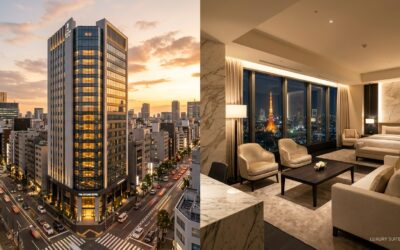
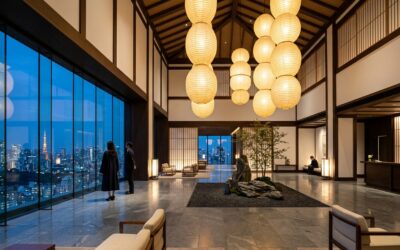
Tokyo is a destination of extraordinary contrasts. Its busy streets, contemporary architecture and fast-moving lifestyle create an atmosphere unlike anywhere else in the world. Yet behind this energy lies another side of the Japanese capital, defined by tranquillity, traditional bathing rituals and an exceptional approach to personal wellbeing. From natural hot springs and Japanese-inspired bathing experiences to sophisticated hotel spas overlooking the skyline, Tokyo offers numerous opportunities to slow down and rediscover a sense of balance.
Wellness in Japan has deep cultural roots. Bathing is traditionally associated with relaxation, purification and the importance of taking time for oneself. These principles continue to influence the country’s contemporary spa culture, where natural materials, thoughtful rituals and attention to detail are central to the experience. In Tokyo, this heritage meets international luxury hospitality, creating wellness destinations that combine Japanese traditions with modern treatments and exceptional facilities.
For international travellers, the city’s luxury spas offer more than a conventional massage or beauty treatment. Some provide genuine hot spring bathing, while others incorporate Japanese bathing concepts into contemporary wellness environments. Guests can enjoy traditional ofuro baths, therapeutic body treatments, advanced facials, steam rooms and heated swimming pools, often accompanied by panoramic views of the city.
Whether staying in a five-star hotel or seeking a dedicated wellness experience during a city break, Tokyo offers an impressive selection of urban retreats. The most interesting properties combine exceptional facilities with a distinctive philosophy, allowing visitors to experience different aspects of Japanese wellbeing without leaving the capital.
Aman Tokyo: Japanese Wellness Above the City

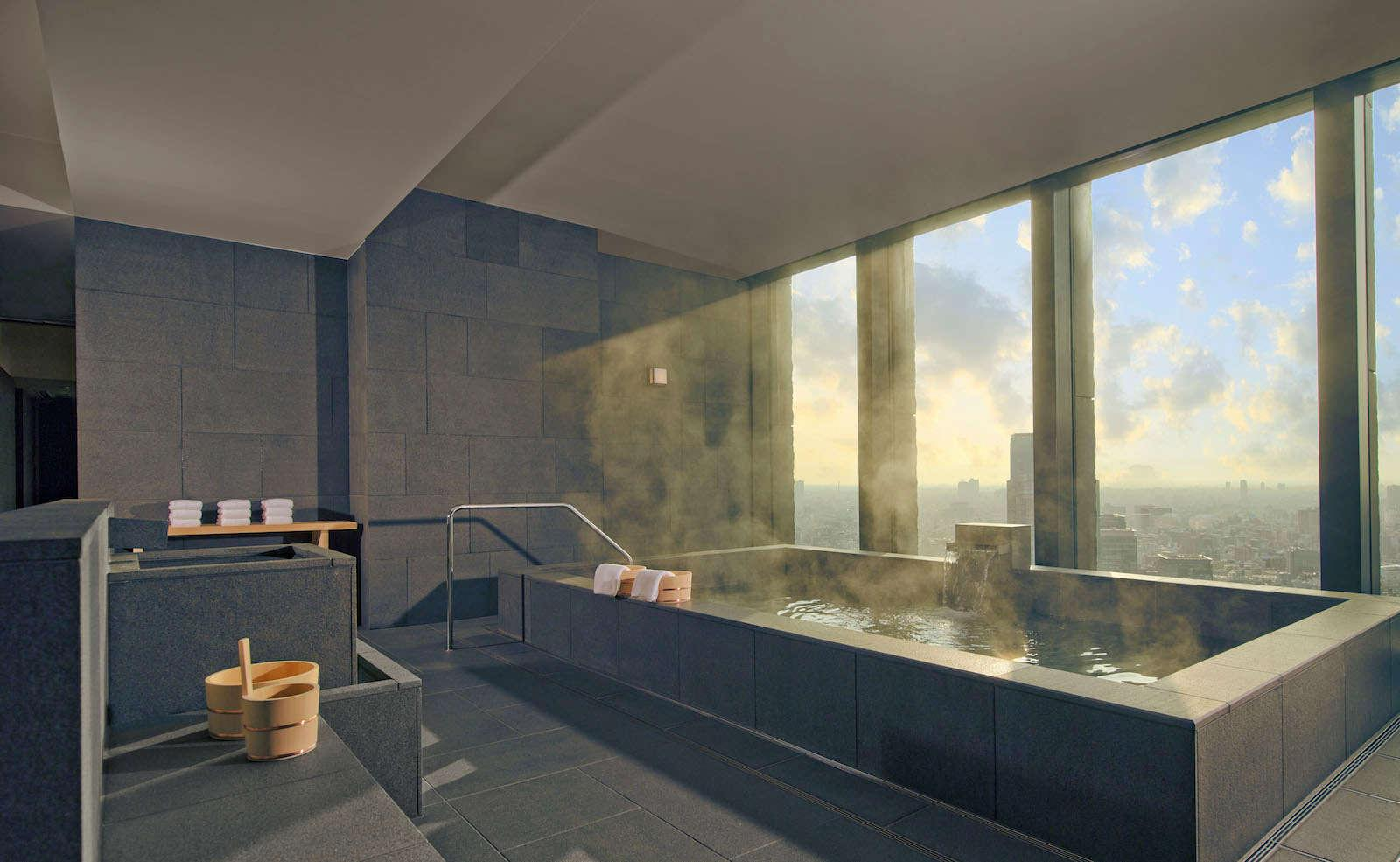
Among the city’s most distinctive wellness destinations, Aman Tokyo Spa stands out for its interpretation of Japanese-inspired relaxation. Located within Otemachi Tower, the property combines contemporary luxury with natural materials and traditional design influences. Its wellness facilities occupy approximately 2,500 square metres across two floors, creating an extensive retreat high above the surrounding business district.
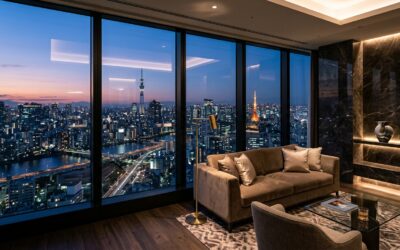
The Aman Spa is designed around the relationship between nature, water and personal balance. Its facilities include a 30-metre heated indoor swimming pool, traditional Japanese-style hot baths, steam rooms and dedicated yoga and Pilates studios. Large windows frame views of Tokyo, allowing guests to enjoy the changing skyline while spending time in a calm, carefully designed environment. Aman Tokyo+1
One of its most distinctive features is the Misogi experience, inspired by the traditional Shinto practice of purification through water. Guests are encouraged to arrive before their treatment and spend time using the bathing facilities, including hot baths, showers and steam rooms. This creates a more complete spa journey rather than treating the massage or facial as an isolated appointment.
The treatment menu incorporates Japanese wellness traditions alongside contemporary techniques. The Signature Spa Journey, for example, combines a full-body scrub using ingredients including Japanese clay and kuromoji powder with a 90-minute massage incorporating Shiatsu and Western techniques. Seasonal treatments also reflect the changing natural environment through selected herbal formulations.
For travellers seeking a comprehensive wellness experience, Aman Tokyo is particularly appealing because it combines extensive facilities, personalised treatments and a strong connection to Japanese traditions. Its elevated position also makes the transition between the energy of central Tokyo and the peaceful atmosphere of the spa especially distinctive.
HOSHINOYA Tokyo: An Authentic Hot Spring Experience

For visitors interested in experiencing Japanese bathing culture more directly, HOSHINOYA Tokyo offers a particularly interesting alternative to conventional international hotel spas. Designed as a contemporary urban ryokan, the property combines traditional Japanese hospitality with the comfort and architecture of a sophisticated city hotel.
Its most important wellness feature is Otemachi Onsen, a natural hot spring sourced from approximately 1,500 metres below the ground. According to the hotel, the water contains minerals associated with an ancient marine environment. This makes the experience different from the onsen-style heated baths found in some luxury hotel spas, where the water is not necessarily sourced from a natural hot spring. HOSHINOYA Tokyo – Official Site
The bathing experience is designed around simplicity and tranquillity. Guests move between indoor and outdoor bathing areas, with the rooftop onsen offering an unusual opportunity to enjoy natural hot spring bathing surrounded by the contemporary Tokyo skyline. The contrast between the traditional bathing environment and the city’s modern architecture is particularly memorable.
The property also offers treatments incorporating seasonal botanical ingredients, including original leaf balls prepared from plants that are steamed and used during body treatments. These experiences reflect a broader Japanese approach to wellbeing, where the natural environment and seasonal changes influence the selection of ingredients and rituals.
HOSHINOYA is particularly suited to travellers who want to experience the atmosphere of a traditional Japanese inn without leaving central Tokyo. Its combination of natural hot spring water, Japanese interiors and attentive hospitality makes it one of the city’s most distinctive wellness-oriented hotel experiences.
The Peninsula Spa and Evian Spa Tokyo: Refined Hotel Wellness
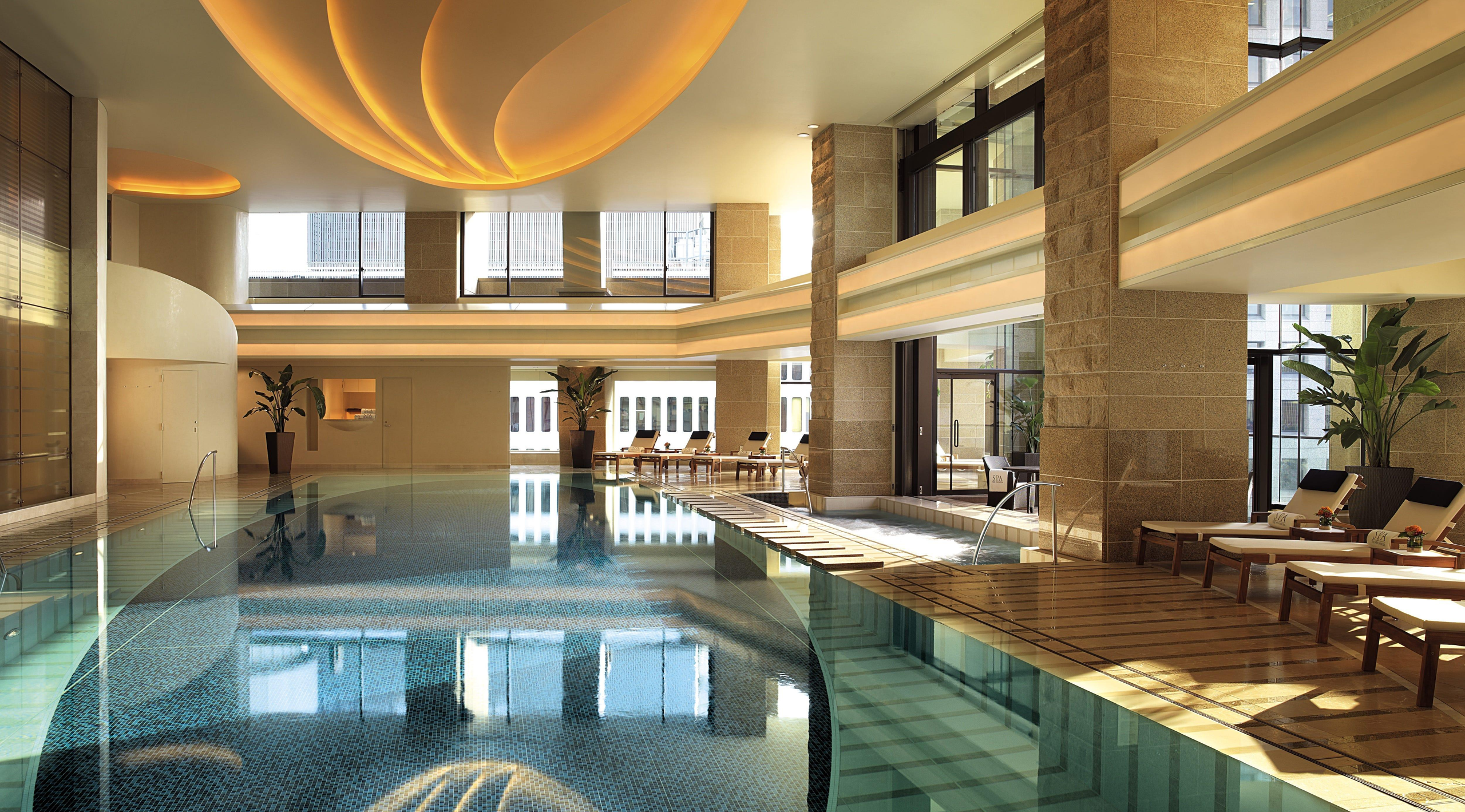
Tokyo’s international luxury hotels offer another level of wellness, combining established spa traditions with sophisticated treatment programmes and exceptional facilities. Two particularly interesting destinations are The Peninsula Spa and evian SPA TOKYO at Palace Hotel Tokyo.
Located within The Peninsula Tokyo, The Peninsula Spa & Wellness Center provides a peaceful retreat in the heart of the capital. Its approach combines personalised treatments with Japanese-inspired elements, creating an environment suited to guests seeking relaxation within a refined hotel setting.
The spa offers a selection of body treatments, facials and wellness experiences, supported by dedicated treatment rooms and relaxation facilities. Its position near Ginza and the Imperial Palace makes it particularly convenient for travellers who want to combine a spa appointment with an afternoon of shopping or cultural sightseeing.
For guests interested in a more comprehensive thermal experience, the spa’s bathing and relaxation facilities provide an opportunity to spend time away from the city. The treatment experience is particularly suited to visitors who appreciate personalised service and a carefully organised spa journey.
A different but equally interesting option is evian SPA TOKYO, located within Palace Hotel Tokyo. Its 1,200-square-metre wellness environment includes five multifunctional treatment rooms and a dual-bedded Spa Suite with private shower facilities and a separate seating area.
The facilities also include separate relaxation lounges, heated baths and sauna areas for men and women. The men’s facilities feature a hot reclining bath, cold plunge pool and dry sauna, while the women’s facilities include a marble sauna. This arrangement provides a comprehensive bathing experience alongside the hotel’s treatment menu. Palace Hotel Tokyo
The Spa Suite is particularly interesting for couples seeking a more private wellness appointment. Guests should check availability and treatment arrangements directly, as access to the different facilities is subject to age requirements and booking conditions. The spa’s location in Marunouchi also makes it a convenient choice for visitors staying near Tokyo Station.
Four Seasons and Mandarin Oriental: Contemporary Treatments and Personalised Rituals
Tokyo’s luxury wellness scene is not limited to traditional bathing. Several hotel spas have developed distinctive treatment programmes that combine international techniques with Japanese ingredients, thermal facilities and personalised approaches to relaxation.

At THE SPA at Four Seasons Hotel Tokyo at Otemachi, wellness is presented through a contemporary interpretation of Japanese relaxation. Its elevated position provides views across the Imperial Palace area and the surrounding skyline, while the interiors combine natural materials with modern design.
The spa offers personalised massages, facials and relaxation experiences, together with facilities that include a swimming pool and Japanese-inspired bathing areas. Its treatment selection includes the Signature Ritual, Deep Tissue Massage, Yasuragi Hot Stone Massage and Aroma Massage. The Yasuragi experience is particularly interesting for guests who enjoy the combination of warmth and therapeutic bodywork. Four Seasons Hotel Tokyo at Marunouchi+1
The property is an excellent option for visitors who want to incorporate wellness into a broader luxury city stay. Its location in Otemachi provides convenient access to the Imperial Palace Gardens, Marunouchi and Tokyo Station, allowing guests to combine sightseeing with an afternoon dedicated to relaxation.
Another notable destination is The Spa at Mandarin Oriental Tokyo, situated on the 37th floor of Mandarin Oriental, Tokyo. Its elevated position creates an impressive setting, with expansive views across the capital adding to the atmosphere of the treatment experience.
The spa focuses on personalised bodywork, facial treatments and wellness rituals that draw on both Asian and Western influences. Its facilities include treatment suites, relaxation areas and bathing amenities, creating an environment designed for guests seeking a more comprehensive experience.
The location in Nihonbashi also offers a different atmosphere from the busier shopping districts. Visitors can combine a treatment with a walk through the area’s historic streets or a visit to the nearby department stores, creating a balanced day that brings together culture, shopping and wellbeing.
For those who prefer a treatment-led spa experience rather than a large-scale wellness complex, both Four Seasons Otemachi and Mandarin Oriental offer compelling alternatives.
Urban Onsen, Private Bathing and Traditional Japanese Spa Culture
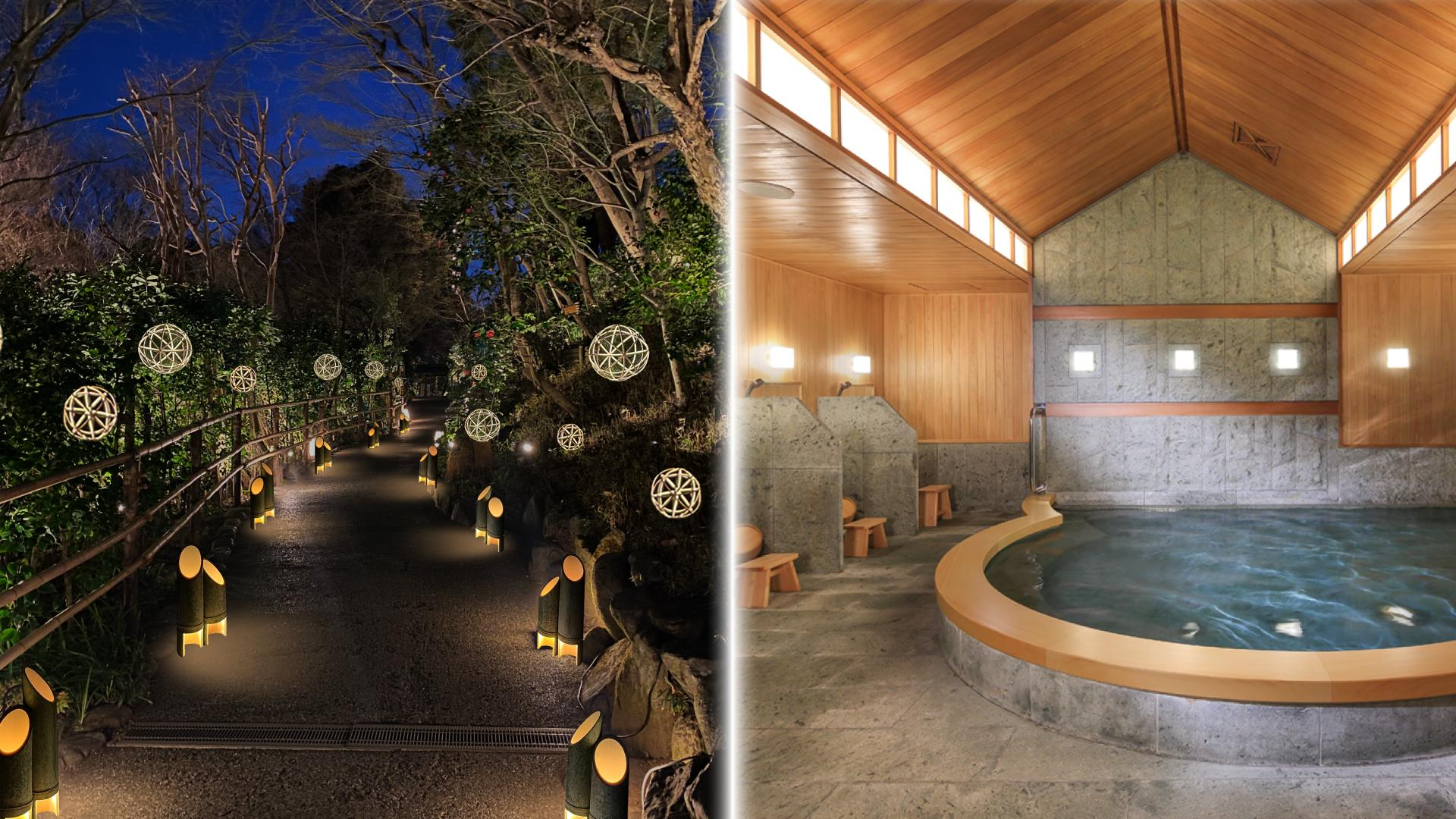
Beyond the major hotel spas, Tokyo offers opportunities to experience Japanese bathing culture through traditional public bathhouses, private onsen facilities and properties that combine natural hot spring water with contemporary wellness services.
Understanding the difference between an onsen and a sento is important when selecting an experience. An onsen uses natural hot spring water that meets Japan’s legal requirements regarding temperature or mineral composition. A sento, by contrast, is a traditional public bathhouse that generally uses heated ordinary water. Both have an important place in Japanese bathing culture, but they provide different experiences. Hotel facilities described as onsen-style should not automatically be assumed to use natural hot spring water. MICHELIN Guide
For a more private experience, KUDOCHI onsen Roppongi in Roppongi offers a reservation-based bathing concept. Its private rooms combine onsen bathing and sauna facilities, providing an alternative for couples or individuals who prefer not to use communal bathing areas. The operator describes its hot spring water as sourced from different Japanese hot spring locations, with availability varying according to the experience offered.
Another destination worth considering is YU, THE SPA, located at Hotel Chinzanso Tokyo. The property combines an extensive wellness environment with a Japanese-style hot spring bath supplied with water from Ito in Shizuoka Prefecture. Its facilities include a heated swimming pool, jet bath, sauna and relaxation areas. The surrounding hotel gardens add another dimension to the experience, creating an unusual sense of separation from the urban environment.
For visitors interested in discovering more traditional bathing customs, the city’s sento establishments also deserve attention. These neighbourhood bathhouses provide a glimpse into everyday Japanese life, with traditional bathing areas, washing stations and communal relaxation spaces. They are generally simpler than luxury hotel spas, but offer a valuable cultural experience.
Visitors should familiarise themselves with bathing etiquette before entering an onsen or sento. Guests are expected to wash thoroughly at the designated shower stations before entering the communal bath, and swimsuits are generally not permitted. Tattoos may also be subject to individual establishment policies, so it is advisable to check in advance.
Choosing the Right Luxury Spa Experience in Tokyo
With so many different wellness destinations available, choosing the right spa depends on the type of experience visitors want to enjoy. Some properties are particularly suited to a complete day of relaxation, while others are better for a specific treatment or an introduction to Japanese bathing traditions.
For travellers seeking an extensive wellness environment, Aman Tokyo is a particularly strong choice, thanks to its large facilities, panoramic swimming pool and Japanese-inspired rituals. HOSHINOYA Tokyo is more appropriate for those who want to experience genuine natural hot spring bathing within a contemporary ryokan setting.
Couples looking for a refined hotel spa experience may prefer The Peninsula Spa or evian SPA TOKYO, where private treatment arrangements and dedicated relaxation facilities create a comfortable environment. Four Seasons Otemachi and Mandarin Oriental are particularly attractive for guests interested in personalised treatments and impressive city views.
The timing of a spa appointment can also influence the experience. An afternoon treatment after sightseeing provides a welcome break, while an evening appointment can be an appealing way to finish a busy day. Visitors should check whether swimming pools, baths and relaxation facilities are included with a treatment reservation, as access policies differ between properties.
Advance reservations are recommended, particularly for couples’ treatments, private spa suites and specialist Japanese rituals. It is also worth checking minimum-age requirements, tattoo policies, treatment durations and whether non-hotel guests can access the facilities.
Frequently Asked Questions About Luxury Spas in Tokyo
Does Tokyo have natural onsen hot springs?
Yes. Although many hotel spas offer onsen-style bathing, some Tokyo properties provide genuine natural hot spring water. HOSHINOYA Tokyo, for example, uses Otemachi Onsen water sourced from approximately 1,500 metres underground. Hotel Chinzanso Tokyo also offers a Japanese-style hot spring bath supplied with water from Ito in Shizuoka Prefecture.
Which is the best luxury spa in Tokyo?
Aman Tokyo is one of the most comprehensive choices, with approximately 2,500 square metres of wellness facilities, a 30-metre swimming pool, Japanese hot baths and personalised treatments. Other excellent options include The Peninsula Spa, evian SPA TOKYO and The Spa at Mandarin Oriental.
Can couples enjoy a private onsen experience in Tokyo?
Yes. Some establishments offer private bathing experiences. KUDOCHI onsen Roppongi is one option, with reservation-based private rooms combining bathing and sauna facilities. Selected hotel spas also offer private treatment suites and arrangements for couples.
What is the difference between an onsen and a Japanese sento?
An onsen uses natural hot spring water that meets Japan’s legal requirements for temperature or mineral composition. A sento is a traditional public bathhouse that generally uses heated ordinary water. Both are important elements of Japanese bathing culture, but an onsen provides the additional experience of natural hot spring water.
Can visitors who are not staying at a luxury hotel use its spa?
Some hotel spas accept reservations from external visitors, although policies vary. Treatment bookings may be available without an overnight stay, while access to swimming pools, saunas and other facilities can be restricted. It is advisable to contact the spa directly before making plans.