Sustainable luxury travel in Asia is moving beyond the idea that responsible hospitality must mean giving up comfort. Across the region, luxury hotels and resorts are increasingly incorporating renewable energy, conservation, local sourcing, waste reduction, cultural preservation and community initiatives into the guest experience.
The shift is also being driven by travellers. Agoda’s 2026 Sustainable Travel Survey found that 77% of respondents across eight Asian markets considered sustainability important when choosing travel options, with interest extending beyond environmental concerns to the wellbeing of local communities and destinations.
For luxury travellers, however, sustainability can be difficult to assess. A hotel may describe itself as environmentally responsible while providing little information about what happens behind the scenes. The most interesting properties are therefore those where sustainability can be seen in the way a resort operates, the landscape it protects, the food it serves, the communities it supports and the experiences it creates.
Asia offers particularly diverse examples. In the Maldives, luxury resorts are working directly with coral reefs and marine ecosystems. In Bali, regenerative agriculture and local supply chains are becoming part of resort operations. Bhutan has developed a model of tourism closely connected to environmental protection and community development, while Japan demonstrates how traditional architecture, gardens and local culture can be integrated into contemporary hospitality.
What Sustainable Luxury Travel Means Today
Sustainable luxury travel is not simply about replacing plastic bottles or installing energy-efficient lighting. Those measures remain relevant, but the concept has expanded to include the relationship between a hotel and the destination around it.
A responsible luxury property considers how much water and energy it consumes, how it manages food and other waste, where its ingredients and materials come from, and how its presence affects the surrounding ecosystem. Social sustainability is equally important, particularly in destinations where tourism represents a significant part of the local economy.
The distinction matters because luxury hospitality can have a substantial physical footprint. Large resorts consume water and energy, transport food and other supplies, and operate in some of the world’s most environmentally sensitive locations. Remote island properties face particular challenges because many resources must be transported over long distances.
The strongest examples therefore tend to make sustainability part of the operating model rather than treating it solely as a marketing message. Some generate renewable energy, some grow their own food, others invest directly in conservation or community projects. Increasingly, guests can see these systems for themselves.
The Maldives: From Island Luxury to Marine Conservation
The Maldives presents one of the clearest examples of the relationship between luxury tourism and environmental responsibility. The country’s resorts depend on the health of coral reefs, beaches and marine ecosystems, making conservation directly relevant to the long-term future of the destination.
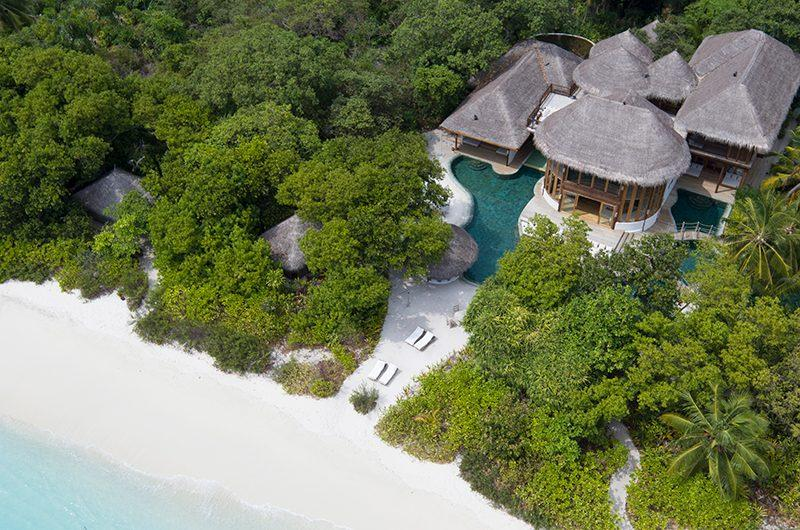
Soneva Fushi provides a particularly detailed example. Its sustainability programme includes coral restoration, waste management and community initiatives. Through Soneva Conservation & Sustainability Maldives, the resort uses multiple coral-restoration techniques, including land and ocean nurseries, microfragmentation and coral spawning. The programme also includes research and training designed to improve the resilience of Maldivian reefs.
The resort’s approach extends beyond marine conservation. Soneva states that its Eco Centros process waste through composting, reuse and recycling, with 90% of its solid waste currently diverted from landfill. Organic waste is returned to gardens, while materials including glass and aluminium are repurposed.
This creates an interesting model of sustainable luxury. The guest does not necessarily experience less comfort because these systems exist; instead, sustainability becomes part of the story of the destination. Guests can visit conservation facilities, learn about coral restoration and experience the island’s natural environment with a better understanding of what is being protected.
In August 2026, Soneva Jani also became the first resort in the Maldives to receive an Other Effective Area-Based Conservation Measure designation from the country’s Ministry of Climate Change, Environment and Energy. The designation covers reef, beach and mangrove habitat on Medhufaru island.
Bali: Regenerative Hospitality and Local Production
Bali presents a different model. Here, sustainability is closely connected with agriculture, local communities, water, biodiversity and the preservation of the island’s cultural landscape.
Six Senses Bali describes its approach as regenerative, with initiatives covering resource conservation, waste reduction, energy and water consumption, local sourcing and biodiversity. The resort works with local suppliers, grows herbs and vegetables, and operates programmes designed to reduce packaging and landfill waste. Its Regenerative Impact Fund allocates 0.5% of resort revenue to local communities, conservation and Bali’s heritage.
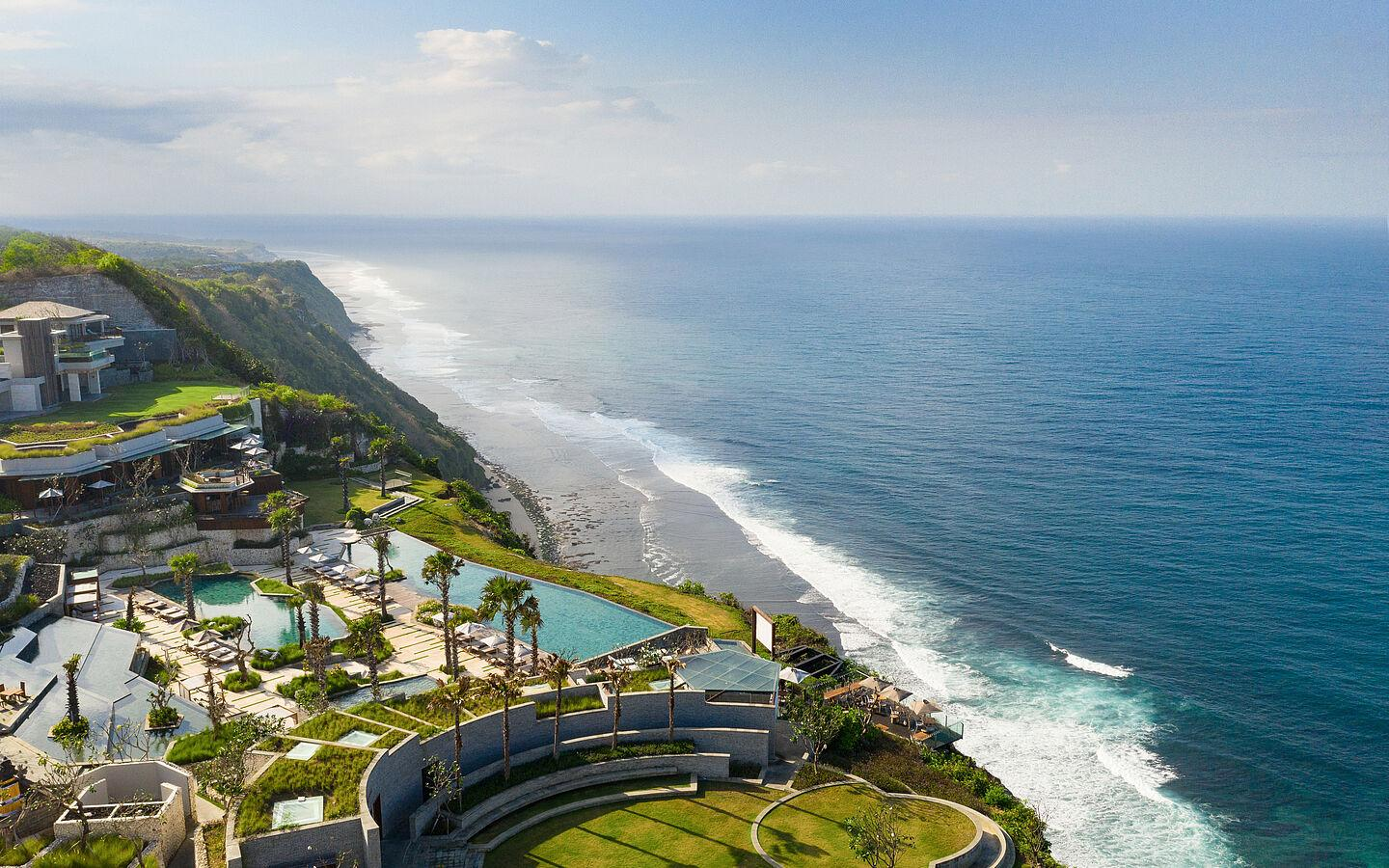
The importance of this approach lies in the connection between the hotel and its surroundings. Instead of viewing sustainability only as an energy-management issue, regenerative hospitality attempts to create a more direct relationship between the resort, local producers and the surrounding ecosystem.
Food is an especially visible part of that relationship. A luxury hotel can reduce the distance between farm and restaurant by purchasing from local producers, growing ingredients itself and reducing unnecessary packaging. For guests, this can translate into a more distinctive culinary experience as well as a lower-impact operating model.
Bali is therefore an important destination for travellers interested in sustainable luxury because the concept can extend well beyond the hotel room. Agriculture, wellness, architecture, gastronomy and conservation can become interconnected parts of the stay.
Bhutan: Luxury Through Community and Cultural Preservation
Bhutan offers perhaps the most distinctive interpretation of sustainable luxury travel in Asia. The country’s tourism model places considerable emphasis on environmental and cultural preservation, and its Sustainable Development Fee contributes to national development, environmental conservation and opportunities for young people. The current fee is listed by Amankora at US$100 per adult per day and US$50 per child aged six to twelve, with the rates stated as applicable through 31 August 2027.
Amankora operates five lodges across Bhutan’s valleys and has developed a model of community-based hospitality that connects luxury accommodation with local culture and environmental initiatives. The company describes Bhutan as a carbon-negative country with 70% forest coverage and highlights hyper-local supply chains, the elimination of plastic bottles, temple restoration and tree planting among its sustainability efforts.
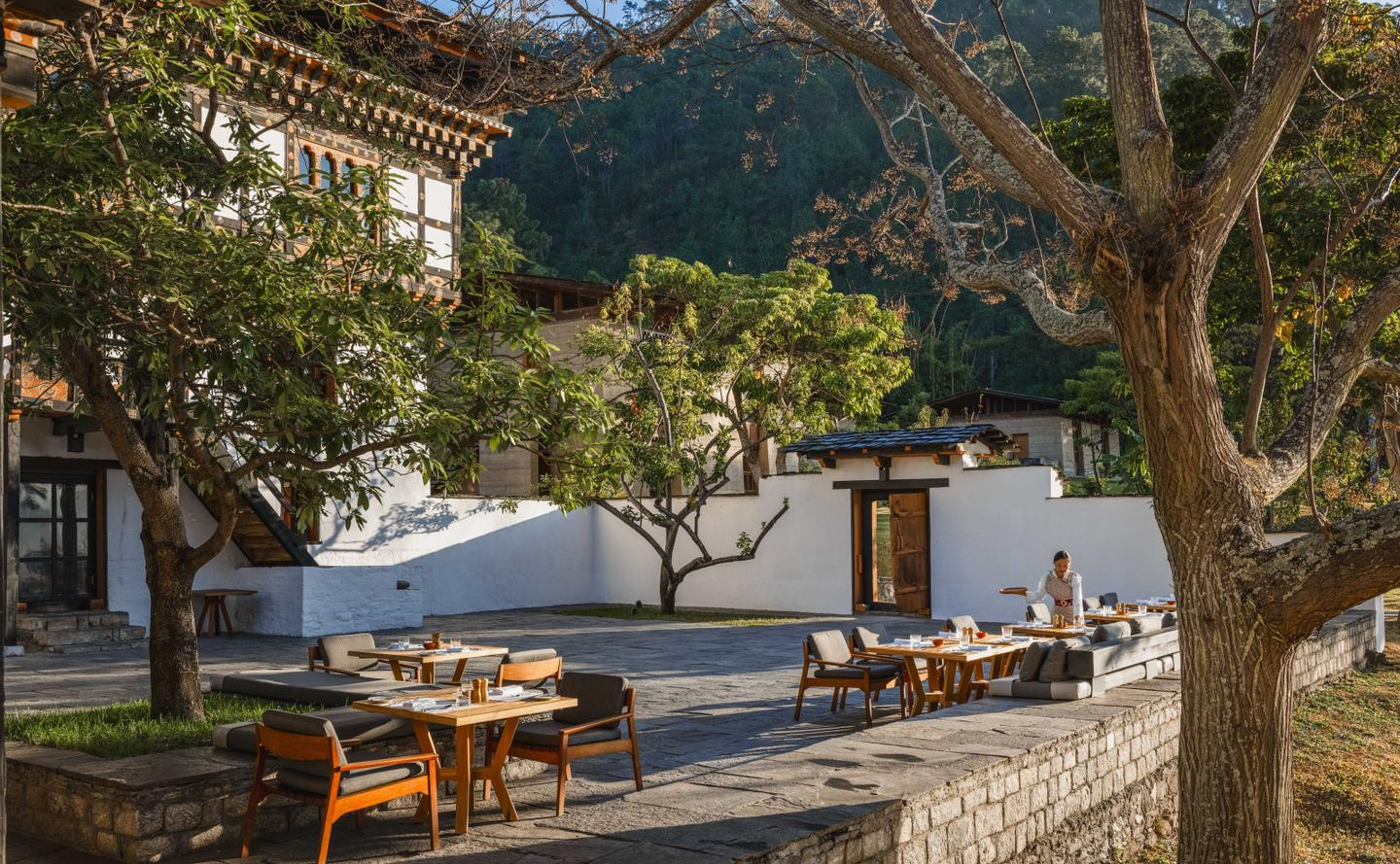
The approach is particularly interesting because sustainability is not treated as a separate hotel programme. It is connected to the country’s wider tourism philosophy. Amankora has also supported restoration work at Wangdue Phodrang Dzong and community initiatives involving education, skills and local institutions.
For the luxury traveller, this creates a different understanding of exclusivity. The value is not necessarily found in the largest suite or the most elaborate collection of facilities, but in access to a destination whose cultural and environmental character remains central to the experience.
Japan: Tradition as a Form of Sustainable Luxury
Japan offers another perspective, particularly through the preservation and reinterpretation of traditional architecture and landscapes.
In luxury hospitality, properties such as Aman Kyoto demonstrate how contemporary accommodation can be designed around the existing character of a destination. Aman’s wider sustainability programme identifies Aman Kyoto as an eco-sensitive destination, while the group also highlights initiatives involving water conservation, waste management, single-use plastics, energy efficiency and organic kitchen gardens across its portfolio.
The Japanese approach also raises a broader question about sustainability: does a luxury hotel always need to introduce something new?
In some cases, preserving what already exists can be equally significant. Traditional gardens, historic buildings, local craft techniques and regional culinary traditions can all contribute to a more sustainable form of hospitality when they are maintained rather than replaced by standardised international design.
This is particularly relevant in Japan, where the experience of place is often inseparable from the architecture, seasonal landscape and rituals surrounding food and wellness. Luxury can therefore be expressed through authenticity and continuity rather than excess.
Beyond Energy: Food, Water and Waste
Some of the most meaningful sustainability measures are invisible to guests. Water treatment, energy management, food waste reduction and supply-chain decisions happen behind the scenes, but they can have a significant impact on a hotel’s environmental footprint.
Water is especially important in Asia’s island and tropical destinations. Resorts must balance guest expectations for pools, gardens, spas and landscaping with the availability of freshwater. Responsible properties are increasingly using water-saving technology, filtration, desalination or wastewater-management systems appropriate to their locations.
Food offers another opportunity. Local sourcing can reduce transport requirements while supporting regional farmers and producers. Resort gardens can supply kitchens directly, creating a shorter supply chain and giving chefs greater access to seasonal ingredients.
Waste management is similarly important. Soneva’s model demonstrates how a resort can treat waste as a resource, turning organic material into compost and giving discarded materials a second life through recycling and creative reuse.
These operational systems may not be as visually impressive as an overwater villa or infinity pool, but they are often more revealing when assessing whether a hotel’s sustainability claims correspond with its everyday operations.
How Luxury Travellers Can Make More Responsible Choices
Choosing a sustainable luxury hotel does not require abandoning the characteristics that make luxury travel attractive. Instead, travellers can look for greater transparency before booking.
A hotel’s sustainability information should ideally explain what it actually does rather than relying only on broad terms such as green, eco-friendly or conscious. Specific information about renewable energy, water use, waste management, conservation programmes, local sourcing and community investment provides a clearer picture.
Independent certification can also be useful when evaluating environmental claims. In 2025, several Six Senses properties were certified through Control Union, a certification body accredited by the Global Sustainable Tourism Council, providing an example of how third-party assessment can add credibility to sustainability programmes.
Location matters as well. Travelling to a remote island resort will inevitably involve transport emissions, regardless of how efficiently the property operates once guests arrive. This does not make such travel impossible to reconcile with sustainability, but it is worth considering the entire journey rather than assessing the hotel in isolation.
Longer stays can also make a more meaningful relationship with a destination possible. Rather than moving rapidly between several resorts, spending additional time in one location can reduce the frequency of transfers and allow travellers to explore local communities and conservation initiatives more deeply.
The Future of Sustainable Luxury Travel in Asia
Asia’s sustainable luxury sector is likely to become increasingly focused on measurable impact rather than broad environmental messaging. The region already contains very different models, from coral restoration in the Maldives and regenerative hospitality in Bali to community-based tourism in Bhutan and heritage-led approaches in Japan.
The next stage will involve making those efforts easier for travellers to understand and compare. Certifications, measurable targets and transparent reporting can help distinguish substantial operational change from marketing language.
For luxury hotels, sustainability is also becoming part of the experience itself. A coral restoration programme can become a meaningful marine excursion. A resort garden can become a source of ingredients and a place for guests to learn about local agriculture. A community partnership can create access to cultural experiences that would otherwise remain outside the conventional luxury itinerary.
The result is not a rejection of luxury but a broader definition of it. In Asia, some of the most compelling luxury experiences increasingly come from staying close to nature, understanding a destination more deeply and knowing that the comfort of the journey does not have to exist entirely apart from the environment and communities that make it possible.
Frequently Asked Questions
What is sustainable luxury travel in Asia?
Sustainable luxury travel combines high-end accommodation and personalised experiences with measures intended to reduce environmental impact and support local communities and cultures. Depending on the destination, this can include renewable energy, conservation, local sourcing, waste reduction, cultural preservation and community investment.
Which Asian destinations are particularly interesting for sustainable luxury travel?
The Maldives, Bali, Bhutan and Japan offer particularly different approaches. The Maldives has a strong focus on marine conservation, Bali is increasingly associated with regenerative hospitality and local sourcing, Bhutan integrates environmental and cultural preservation into its tourism model, and Japan offers opportunities to combine contemporary luxury with traditional architecture, gardens and local culture.
Can a luxury resort really be sustainable?
Luxury resorts can reduce their environmental and social impacts through specific operational measures, but sustainability is a matter of degree rather than a simple label. Travellers should look for measurable information about energy, water, waste, sourcing, conservation and community initiatives rather than relying solely on promotional descriptions.
What should I look for when choosing a sustainable luxury hotel?
Look for transparent information about environmental programmes, independent certifications where available, renewable energy, water management, waste reduction, local sourcing and community partnerships. It is also useful to consider the environmental impact of reaching the destination and the length of your stay.
Is Bhutan suitable for a luxury sustainable holiday?
Bhutan is particularly suited to travellers interested in combining high-end accommodation with cultural and environmental experiences. Properties such as Amankora operate across several valleys and connect luxury hospitality with community initiatives, local supply chains and conservation efforts. Bhutan’s Sustainable Development Fee also contributes to national development and environmental preservation.
Are the Maldives suitable for sustainable luxury travel?
The Maldives faces significant environmental challenges, particularly around coral reefs and the effects of climate change, but several resorts have developed substantial conservation and resource-management programmes. Soneva Fushi, for example, operates coral restoration, waste-management and community initiatives, while Soneva Jani received an OECM designation in 2026 for conservation management covering reef, beach and mangrove habitat.
By Luxury Magazine Editorial Team