What Makes Phuket Old Town Guide Essential Reading for Cultural Travellers
The Phuket Old Town guide you need exists because most visitors spend their entire trip on the beach and miss the island’s true cultural heart entirely. Old Town is a living, breathing museum of Sino-Portuguese architecture, Peranakan cuisine, and centuries-old traditions. It rewards slow exploration, curious palates, and open minds. If you care about authentic travel over resort pools, this is your starting point.
The Historical Significance of Phuket Old Town
Phuket Old Town grew wealthy during the 19th-century tin mining boom. Chinese immigrants, mainly Hokkien and Hakka settlers, arrived in large numbers and built their homes alongside Portuguese colonial merchants. The result was a unique architectural and cultural fusion that still defines the district today. Many original shophouses from that era still stand along Thalang, Krabi, and Dibuk Roads.
In fact, the area was listed as a candidate for UNESCO World Heritage status, recognising its outstanding cultural value. Walking through Old Town feels different from most Thai cities. You sense the layers of history in every facade, every temple gateway, and every family-run coffee shop. That heritage is not staged for tourists. It is simply the neighbourhood’s natural inheritance.
Why This Phuket Old Town Guide Matters for Modern Visitors
Modern visitors face a common problem. Phuket is enormous, and the Old Town district is small. Without a clear Phuket Old Town guide, it is easy to rush through Thalang Road in thirty minutes and call it done. That approach misses dozens of side streets, hidden shrines, local markets, and family kitchens serving dishes that have not changed in generations.
Additionally, the neighbourhood has evolved in recent years. New boutique hotels, specialty coffee roasters, and independent art galleries have moved in alongside traditional herbalist shops. This guide helps you navigate both the historic and the contemporary layers of Old Town with equal confidence.
Thailand Luxury Wellness Retreats: Complete Guide
Cultural Fusion: Sino-Portuguese Architecture and Local Heritage
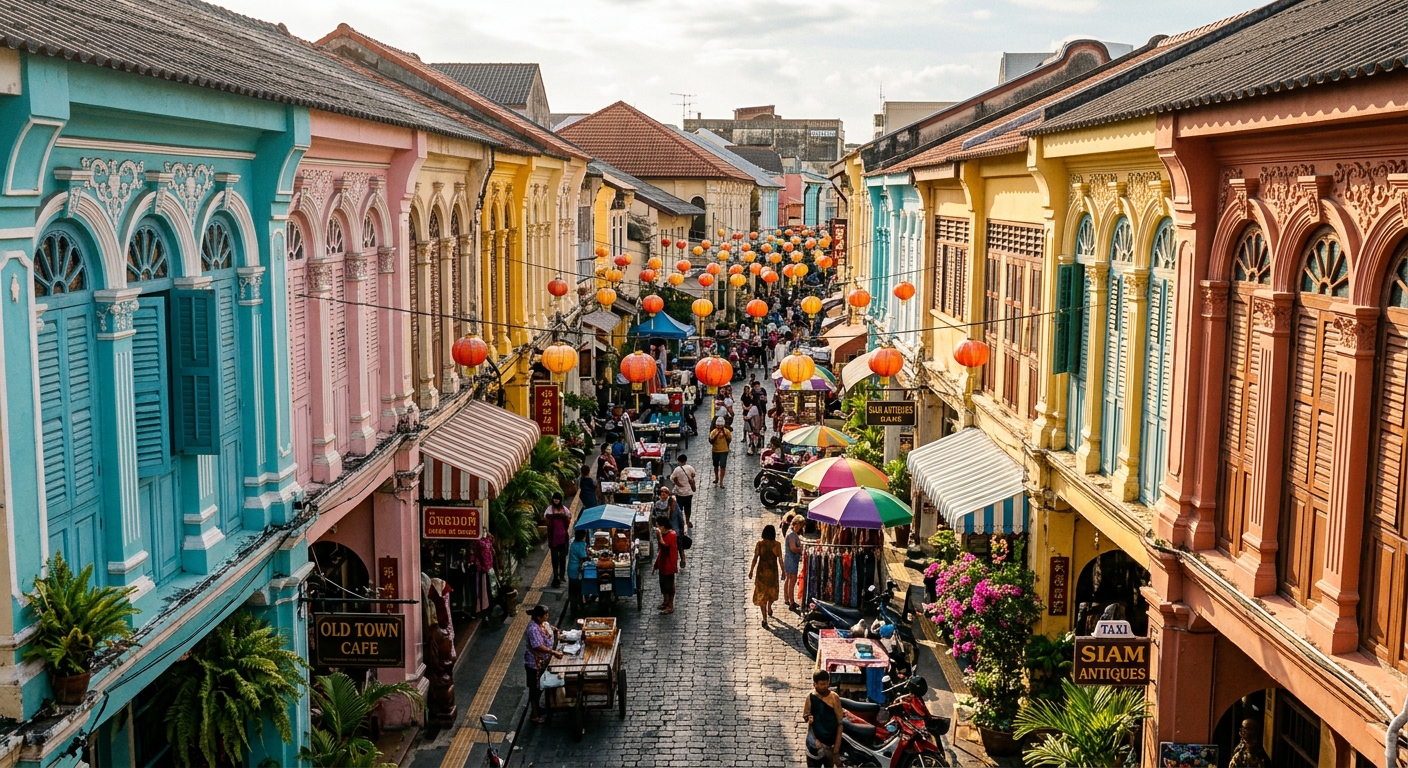
The defining visual feature of Old Town is its Sino-Portuguese shophouse architecture. These buildings combine Chinese clan sensibilities with European colonial proportions. Think long, narrow facades with ornate plaster reliefs, pastel colour washes, and five-foot covered walkways called arcades. The arcades were designed so that shopkeepers could trade even during monsoon rains.
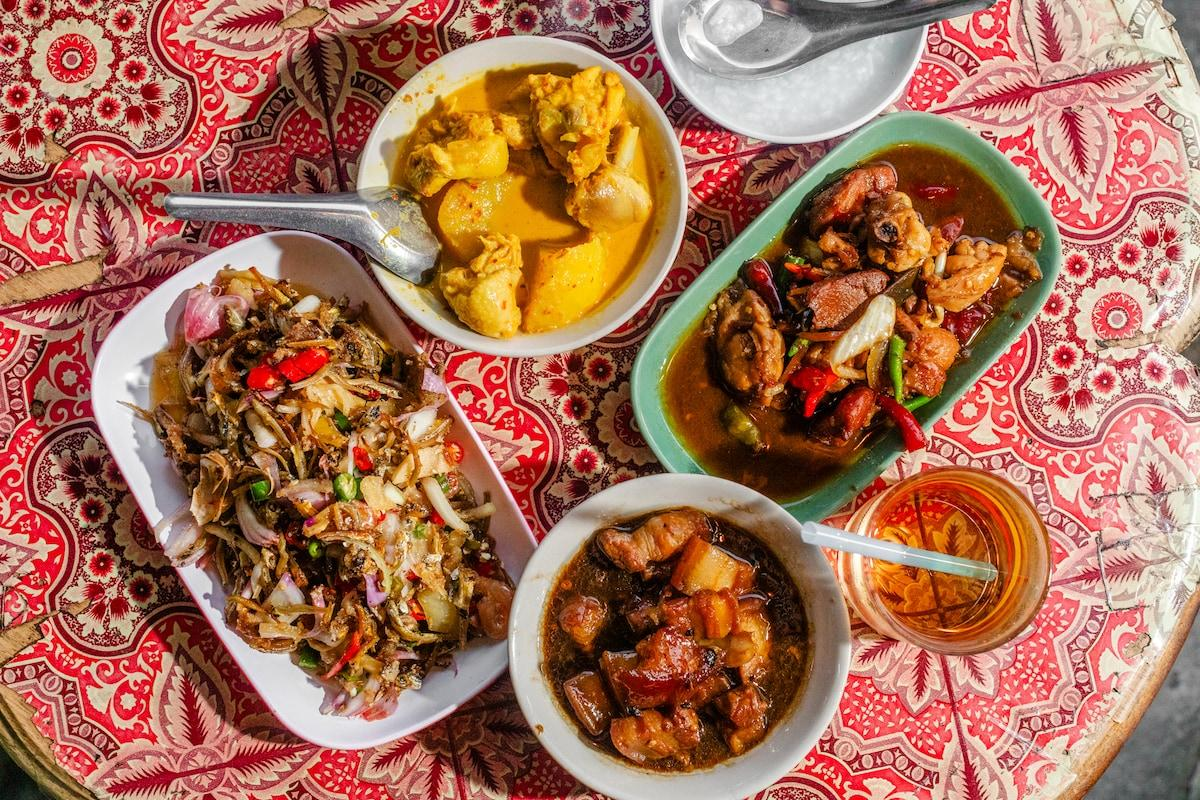
Beyond the buildings, the cultural fusion runs deep. Local cuisine blends southern Chinese, Malay, and Thai influences into a distinct Peranakan cooking tradition. Festivals like the Vegetarian Festival draw both devout Buddhists and curious visitors. Similarly, Chinese New Year transforms the streets with lanterns and lion dances. This is a neighbourhood where culture is not performed for cameras. It is lived daily.
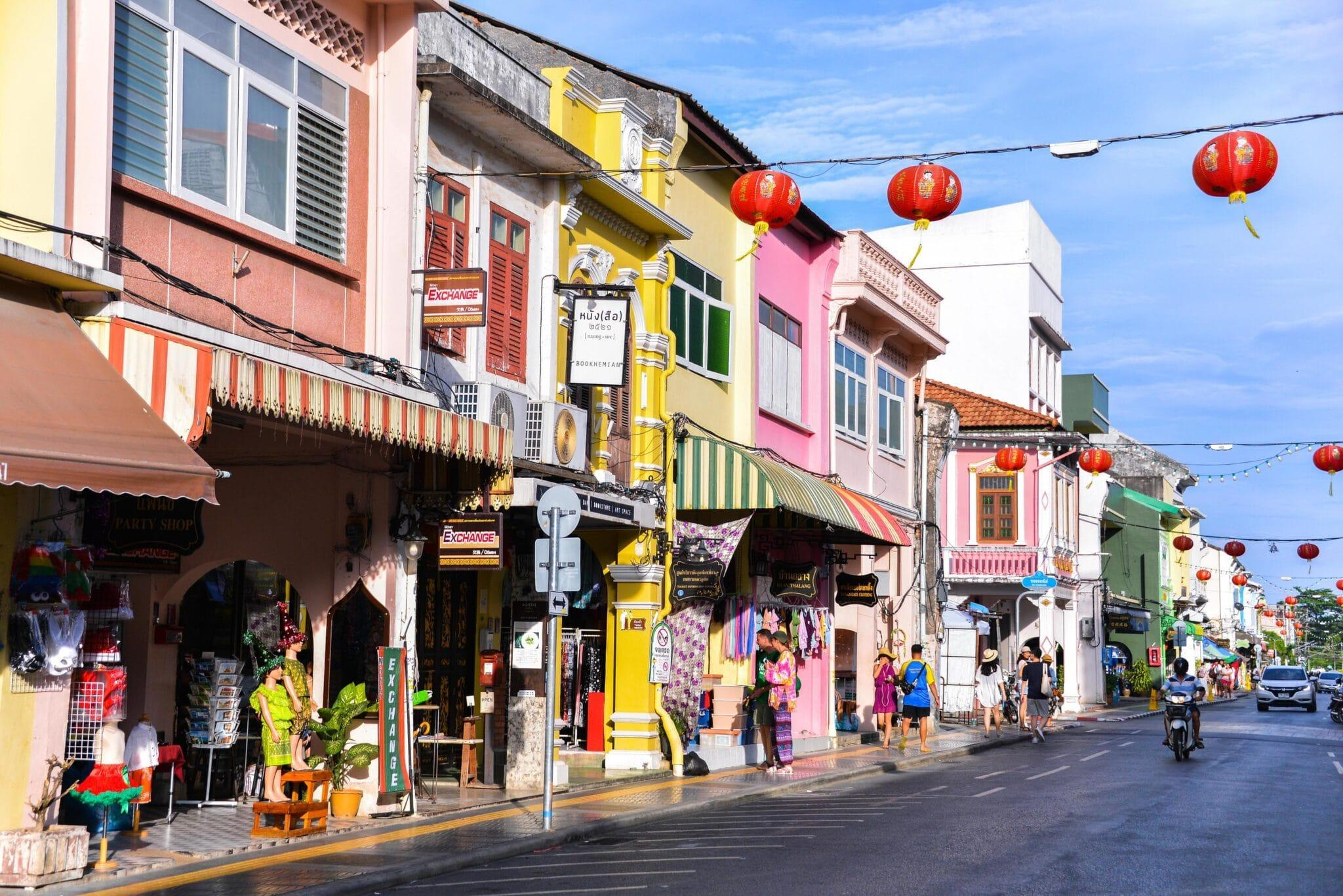
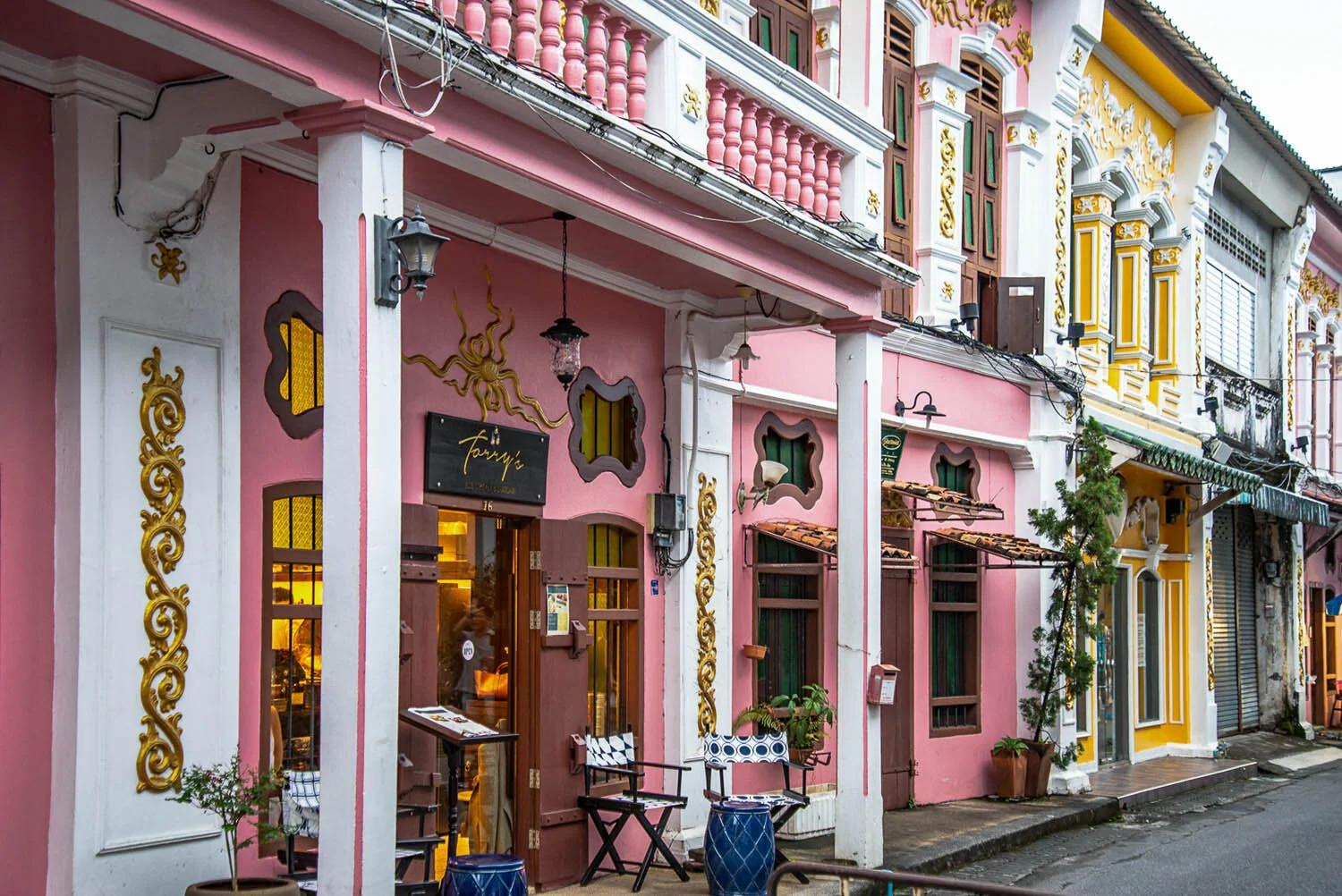
Exploring Phuket Old Town Guide’s Best Streets and Historic Landmarks
Using this Phuket Old Town guide to navigate the streets systematically will save you hours of backtracking. The historic core is compact enough to walk entirely, but every road has its own character. Start with the main drags, then work inward toward the quieter lanes where the real discoveries happen.
Thalang Road: The Heart of Historic Phuket Old Town
Thalang Road is the undisputed centrepiece of Phuket Old Town. It is the road most visitors photograph, and for good reason. The shophouses here are among the best-preserved on the island. Many have been converted into hip cafes, galleries, and guesthouses without losing their architectural soul. On Sunday mornings, the road hosts a lively walking street market that fills every inch with food stalls and craft vendors.
However, do not just walk the main strip. Duck into the small sois branching off Thalang Road. There you will find family shrines, local laundry shops operating from century-old premises, and residents going about their day completely unbothered by tourism. That contrast between the curated main street and the raw side streets is what makes Phuket Old Town guide exploration so rewarding.
Krabi Road and Yaowarat: Colonial Gems in Phuket Old Town Guide
Krabi Road runs parallel to Thalang and offers a slightly quieter version of the same Sino-Portuguese streetscape. Several of the island’s oldest Chinese clan houses line this street. Some are still active community centres. Others have become museums or private residences. Either way, the facades are extraordinary and ideal for photography in the soft morning light.
Yaowarat Road is Phuket’s Chinatown equivalent. It is busier and more commercial than Krabi Road, but it offers genuine glimpses into how the Chinese community still anchors daily life in Old Town. Gold shops, traditional medicine halls, and roast duck restaurants fill the ground floors of buildings that have operated for over a century. Of course, the food here is exceptional.
Must-See Temples and Shrines Near Phuket Old Town
Wat Mongkol Nimit on Dibuk Road is one of the finest Buddhist temples in the Old Town area. Its white-and-gold facade and ordination hall make it a genuinely beautiful stop. The temple is active and welcoming to respectful visitors. Please dress modestly: cover your shoulders and knees before entering.
Meanwhile, the Put Jaw Chinese Temple on Ranong Road is the oldest Chinese temple in Phuket, dating back over two centuries. It is dedicated to the Goddess of Mercy and remains a working place of worship. Next, consider visiting the smaller neighbourhood shrines tucked between shophouses. These spirit houses and clan altars are easy to miss but deeply meaningful to local residents.
Museums and Cultural Centres Worth Your Time
The Phuket Thai Hua Museum on Krabi Road is the single best cultural institution in Old Town. It is housed in a stunning 1934 school building and documents the history of the Chinese community in Phuket from tin mining days to modern times. Exhibitions cover language, food, architecture, and community life. Entry is inexpensive and the bilingual displays are genuinely informative.
Additionally, the Chinpracha House on Krabi Road is an aristocratic Sino-Portuguese mansion that has been preserved by the same family for five generations. You can tour the interior and see original furniture, family portraits, and architectural details that give a rare human face to the colonial era. It is one of the most atmospheric stops in any Phuket Old Town guide itinerary.
Phuket Old Town Guide to Authentic Local Cuisine and Street Food
Food is the most immediate way to connect with any neighbourhood’s culture. The Phuket Old Town guide to eating well is essentially a map of generations of culinary tradition. Here, southern Thai cooking blends with Hokkien Chinese and Malay flavours in ways you will not find in Bangkok or Chiang Mai. Come hungry and come often.
Where to Eat: Best Restaurants in Phuket Old Town Guide
Kopitiam by Wilai on Thalang Road is a legendary spot run by a local family. They serve classic Peranakan dishes like mee sua soup and kua kling, a dry southern Thai curry that will make your eyes water in the best possible way. The restaurant fills up fast, so arrive early or be prepared to wait. It is absolutely worth it.
For something more atmospheric, try Raan Jay Fai on Phang Nga Road. The space is simple, but the food is complex. House specialities include Hokkien noodles and braised pork belly with fermented shrimp paste. In short, Old Town’s best restaurants feel like family homes where you happen to be the lucky guest that evening.
Thai ingredients fine dining: Flavors & Techniques
Street Food Specialities You Must Try in Phuket Old Town
No Phuket Old Town guide is complete without a dedicated list of street food priorities. First, try o-tao, a crispy oyster and taro pancake cooked on a flat iron griddle. It is rich, savoury, and entirely addictive. Next, seek out Hokkien mee, stir-fried yellow noodles with prawns, pork, and egg in a deep dark soy sauce.
On top of that, roti with chicken curry is a must. The roti vendor near the Ranong Road market has been serving the same recipe for decades. Finally, mango sticky rice with fresh coconut milk is the perfect sweet ending to any street food crawl. These dishes are not just food. They are edible history lessons about how cultures merged in this single square kilometre.
Local Cafés and Dessert Stops for Culture Seekers
Old Town has quietly become one of Phuket’s best specialty coffee destinations. Several independent roasters have set up shop inside beautifully restored shophouses. Gallery Cafe on Thalang Road is a favourite, combining excellent pour-over coffee with rotating exhibitions by local artists. The combination of caffeine and culture makes it an ideal mid-morning stop.
For desserts, look for khanom krok vendors near the Sunday Market. These tiny coconut and rice flour pancakes are cooked in a dimpled cast-iron pan and served hot. Additionally, look out for Thai custard tarts (known locally as khanom pang na tang) that show the clear Portuguese influence on Phuket’s pastry tradition. These desserts tell the story of cultural exchange better than any museum placard.
Night Markets and Food Stalls: Evening Culinary Adventures
The Phuket Old Town Sunday Walking Street is the most famous evening event in the neighbourhood. It runs along Thalang Road every Sunday from around 4pm to 9pm. Vendors line the street selling everything from grilled satay to fresh coconut ice cream. The atmosphere is festive but genuinely local rather than purely tourist-facing.
Meanwhile, the Indy Market near Saphan Hin Park operates on Friday and Saturday evenings and draws a younger, more mixed crowd. Food stalls here tend toward fusion and creative local cooking. Even so, traditional dishes are always well-represented. Plan your evenings around at least one market visit. The energy is irreplaceable and the food is outstanding.

Shopping and Markets in This Phuket Old Town Guide
Shopping in Old Town is nothing like the souvenir shops near Patong Beach. This Phuket Old Town guide to retail focuses on independent makers, vintage dealers, and community artisans who produce genuinely original goods. Budget time and bag space accordingly.
Artisan Shops and Local Boutiques in Phuket Old Town
Thalang Road hosts a growing number of independent boutiques selling locally designed clothing, handmade jewellery, and illustrated prints of Old Town’s iconic architecture. Bookhemian, located in a heritage shophouse, is a community hub that doubles as a bookshop and event space. It stocks local publications, travel literature, and handmade goods from Phuket-based artists.
Similarly, several shops specialise in Batik textiles with designs drawing from Peranakan and Thai motifs. These make for far more meaningful souvenirs than mass-produced magnets. Take your time browsing. Most shopkeepers are happy to explain the story behind their products, which adds considerable depth to every purchase.
Weekend Markets and Where to Find Authentic Souvenirs
The Sunday Walking Street is the top market for souvenir hunters, but authenticity varies stall to stall. As a general rule, look for vendors who make their goods on-site or can explain clearly where they were produced. Hand-painted ceramics, locally blended herbal soaps, and printed cotton tote bags with Old Town motifs are among the most honest souvenirs available.
For a less crowded alternative, the Phuket Indy Market on Friday and Saturday evenings is excellent. Younger local designers and craftspeople dominate the stalls here. Prices are fair and the atmosphere is relaxed. Additionally, chatting directly with vendors often reveals the hidden stories behind the products, turning a simple purchase into a genuine cultural exchange.
Vintage Shops and Antique Stores in Phuket Old Town Guide
Old Town has a small but rewarding antique scene. Several shops along Phang Nga Road and Dibuk Road stock vintage Sino-Portuguese ceramics, old tin mining memorabilia, and Peranakan jewellery from the early 20th century. Prices range widely, so browsing without pressure is advisable before committing to any purchase.
Of course, authenticity is always a concern in antique shopping. Ask dealers about provenance and do not expect hard guarantees on unsigned pieces. That said, even the reproduction items in these shops tend to be beautifully crafted and far more interesting than generic tourist trinkets. The shopping experience itself, inside a 100-year-old shophouse surrounded by curios, is part of the appeal.
Practical Tips for Navigating Your Phuket Old Town Guide Visit
The best Phuket Old Town guide is only useful if you arrive prepared. Practical logistics matter as much as cultural knowledge when you are navigating a dense historic neighbourhood in tropical heat. Here is everything you need to know before you go.
Best Time to Visit Phuket Old Town: Seasons and Festivals
The best time to visit is between November and February. During these months, the weather is cooler and drier. Temperatures typically hover between 25 and 30 degrees Celsius, making walking the streets genuinely comfortable. Chinese New Year, usually in January or February, transforms Old Town with spectacular lantern displays and communal feasts.
However, if you visit between October and November, you may catch the famous Vegetarian Festival. This is one of the most extraordinary cultural events in Southeast Asia. Devotees perform ritual acts of penance and the streets fill with yellow-flagged processions and vegetarian street food. It is intense, memorable, and authentically local. Avoid visiting during May through September if possible, as the monsoon season makes outdoor exploration uncomfortable.
How to Get Around: Transportation and Walking Routes
Old Town itself is best explored entirely on foot. The historic core covers roughly one square kilometre, and most key streets are within easy walking distance of each other. Wear comfortable shoes with good grip because the five-foot walkways can be uneven. Start your walk early in the morning before the heat peaks and before tour groups arrive.
To reach Old Town from Patong Beach or the airport, grab-taxis (the Thai equivalent of Uber) are reliable and affordable. Alternatively, tuk-tuks are available but negotiate the fare before you board. Renting a bicycle is also a pleasant option for those who want a slightly wider radius. The roads in Old Town are not particularly bicycle-friendly, but nearby streets are manageable with care.
Safety, Budgeting, and Essential Information for Phuket Old Town Guide
Phuket Old Town is safe for all travellers, including solo visitors and families. Petty theft is rare but standard precautions apply: keep valuables in a front-facing bag and be mindful in crowded markets. The neighbourhood is well-lit in the evenings and populated until late.
In terms of budget, street food meals cost between 60 and 150 Thai Baht (roughly 2 to 5 USD). Mid-range restaurant meals run 200 to 500 Baht. Museum entry fees are generally under 200 Baht. A comfortable full day in Old Town including food, entry fees, and some shopping typically costs 1,000 to 1,800 Baht per person. That is exceptional value for the quality of experience delivered.
Accommodation Options Near Phuket Old Town for Immersive Stays
Staying in Old Town itself is the most immersive option. Several heritage shophouses have been converted into boutique guesthouses and small hotels. Properties like The Memory at On On Hotel and Casa Blanca Boutique Hotel offer beautifully restored rooms inside century-old buildings. Waking up in Old Town means you are already in the middle of everything before breakfast.
For those who prefer more standard hotel amenities, several mid-range properties sit within a ten-minute walk of the historic core. Additionally, Airbnb options in restored shophouses offer a more residential feel. Booking well in advance is wise, especially if your trip coincides with Chinese New Year or the Vegetarian Festival, when accommodation fills up quickly.
Creating Your Perfect Itinerary Using This Phuket Old Town Guide
A good Phuket Old Town guide should translate knowledge into actionable time. Whether you have half a day or several days, the following itineraries will help you prioritise intelligently and experience the neighbourhood at the right pace.
Half-Day Phuket Old Town Guide Itinerary for Quick Visitors
Start at 8am with breakfast at a traditional kopitiam coffee shop on Thalang Road. Order strong Thai coffee and kaya toast. Then walk the full length of Thalang Road slowly, stopping to photograph the shophouse facades and browse any open galleries. By 9:30am, detour to the Put Jaw Chinese Temple on Ranong Road for a quiet, contemplative visit.
Next, head to the Thai Hua Museum on Krabi Road. Spend about an hour inside. After that, grab a street food snack near the museum entrance before finishing your walk along Dibuk Road toward Wat Mongkol Nimit. By midday you will have covered the essential highlights. In short, even a half-day using this Phuket Old Town guide delivers a rich and memorable experience.
Full-Day Cultural Immersion in Phuket Old Town
Follow the half-day itinerary above for the morning. Then, after a proper sit-down lunch at Kopitiam by Wilai, return to the streets for afternoon exploration. Visit the Chinpracha House for a guided interior tour, then browse the boutiques and antique shops along Phang Nga Road. Allow yourself to wander without a specific destination for at least one hour.
As the afternoon cools, find a specialty coffee shop and rest before the evening begins. If it is Sunday, stay for the Walking Street Market starting at 4pm. Otherwise, head to the Indy Market or explore Yaowarat Road for a relaxed dinner of roast duck and Hokkien noodles. A full day in Old Town, done this way, leaves you feeling genuinely enriched rather than simply checked off a tourist list.
Multi-Day Explorations: Food Tours and Heritage Trails
If you have two or more days, consider booking a guided food tour on your first morning. Several local operators run half-day walking tours that visit markets, home kitchens, and street stalls with expert commentary. This gives you a strong foundation before independent exploration on subsequent days.
On your second day, focus on the quieter lanes and shrines you missed on day one. Visit a Chinese clan association if one is open to visitors. Attend a morning temple ceremony at Put Jaw if timing allows. Spend an evening at a local restaurant eating a full Peranakan multi-course meal. Multi-day visitors get the rarest reward: a sense of the neighbourhood’s rhythm, its quiet mornings, its lively evenings, and the community life that fills the hours in between.
Final Thoughts on This Phuket Old Town Guide
The Phuket Old Town guide you have just read is designed to give you far more than a list of sights. It is a framework for genuine cultural engagement in one of Southeast Asia’s most underrated historic districts. From the Sino-Portuguese facades of Thalang Road to the smoky perfection of an o-tao pancake at a street stall, every element of this neighbourhood rewards attention and patience.
Old Town is not trying to compete with Phuket’s beaches. It offers something entirely different: depth, heritage, and the rare feeling of being somewhere truly authentic. Use this Phuket Old Town guide as your companion, not just your checklist. Come back to it after each exploration and let it point you toward the next discovery. The neighbourhood reveals itself generously to travellers who move slowly and stay curious.
Frequently Asked Questions
What is the best time to visit Phuket Old Town for cultural experiences?
The best time is between November and February, when weather is cooler and dry. You can also experience Chinese New Year celebrations with lanterns and street feasts. The Vegetarian Festival in October and November is equally compelling, though visit outside May to September to avoid the monsoon season.
How much should I budget for food and activities in Phuket Old Town?
Street food meals cost roughly 2 to 5 USD. Mid-range restaurants run 5 to 15 USD per person. Museum entry fees are generally under 6 USD. Budget around 30 to 50 USD total per day, which comfortably covers food, cultural attractions, and some shopping in Phuket Old Town.
What are the must-try dishes when following this Phuket Old Town guide?
Do not miss Hokkien noodles, o-tao oyster pancakes, roti with chicken curry, and braised pork belly with fermented shrimp paste. For sweets, try khanom krok coconut pancakes and Thai custard tarts. These dishes reflect the unique Peranakan culinary fusion found throughout Phuket Old Town guide territory.
Is Phuket Old Town suitable for solo travellers?
Yes, absolutely. Phuket Old Town is safe, compact, and very walkable. It is well-populated with both locals and tourists throughout the day and evening. Affordable solo dining is easy at street stalls. Guesthouses and boutique hotels cater well to solo visitors, making independent exploration comfortable and rewarding.
Can I do Phuket Old Town walking tours on my own or should I hire a guide?
Both options work well. Self-guided walks using this Phuket Old Town guide are straightforward and affordable. However, a local guide adds genuine depth through insider stories about the heritage buildings, Chinese clan history, and neighbourhood food culture that you would likely miss on your own.