A luxury spa stay is designed to feel effortless, but the best experiences usually begin well before arriving at the treatment room. Choosing the right treatments, understanding the facilities, allowing enough time between appointments and communicating personal preferences can make a significant difference to the quality of the experience.
At the world’s leading hotel spas, a treatment is rarely an isolated appointment. The experience may include a thermal circuit, swimming pool, sauna, steam room, relaxation lounge, fitness facilities, consultation and carefully designed rituals before and after the treatment. At Mandarin Oriental, Milan, for example, guests are advised to arrive at least 20 minutes before their appointment so they have time for a consultation and a calm arrival. Four Seasons properties commonly recommend arriving 15 to 30 minutes early, depending on the spa.
Preparation therefore becomes part of the luxury experience itself. Rather than rushing from a sightseeing itinerary into a massage, the most rewarding spa stays allow enough space for the body and mind to transition into a slower rhythm.
Choose the Right Treatments Before You Arrive
The first step is to decide what you actually want from the spa stay. A luxury spa menu can contain dozens of treatments, from traditional massage and facials to body rituals, hydrotherapy, hammams, thermal experiences and longer signature journeys. Choosing simply because a treatment has an impressive name can result in an experience that does not match your expectations.
Start by considering the purpose of the visit. A traveller arriving after a long flight may want a gentle relaxation treatment rather than an intensive body treatment. Someone who has spent several days walking through a city may prefer a foot, leg or recovery treatment, while a guest staying for several nights might combine massage with facial care and thermal experiences.
It is also worth reading the treatment descriptions carefully. Terms such as deep tissue, sports massage, lymphatic, aromatherapy and therapeutic massage can refer to significantly different approaches depending on the property and therapist. If you have a preference for pressure, particular areas of tension or a specific technique, communicating this when booking gives the spa an opportunity to match you with the appropriate therapist or treatment.
At Four Seasons Hotel Milano, for example, the spa offers several treatment categories alongside its pool, steam room and other facilities, while its couples’ experiences can be combined with access to the broader wellness environment. (Four Seasons Hotel Milano) The important lesson is that the treatment should be considered in the context of the entire spa journey rather than as a standalone appointment.
If the spa offers a consultation before treatment, use it. This is the moment to mention pressure preferences, allergies, sensitivities, injuries, recent travel, skin concerns or anything else that could affect the experience. Leading spas specifically use these consultations to personalise treatments and help guests choose appropriately.
Give Your Body Time to Arrive
One of the simplest ways to improve a spa experience is to avoid arriving in a hurry. Luxury properties routinely recommend arriving before the scheduled treatment rather than treating the appointment time as the arrival time.
The exact recommendation varies. Mandarin Oriental, Milan advises guests to check in at least 20 minutes before treatment, while Four Seasons locations may recommend 15 or 30 minutes. At Four Seasons Geneva, for example, the spa asks guests to arrive at least 30 minutes before treatment, allowing time to use the heat experience and relax before the session.
This extra time has a practical purpose. Guests may need to complete a wellness questionnaire, change clothes, store valuables, speak with the therapist or spa concierge and become familiar with the facilities. More importantly, it prevents the treatment from beginning with the guest still thinking about traffic, emails or the previous activity of the day.
A spa stay should therefore be scheduled differently from a restaurant reservation. If the treatment begins at 15:00, arriving at 14:55 may technically mean arriving on time, but it does not leave space for the experience itself. A better approach is to arrive early enough to change, breathe, explore the relaxation area and allow the treatment to begin without interruption.
Late arrival can also have a direct effect on treatment time. Mandarin Oriental, Milan notes that late arrival may result in a shortened treatment, while Four Seasons similarly states that late arrivals do not extend the scheduled treatment time.
Prepare for the Spa Facilities, Not Just the Treatment
A luxury spa stay often includes considerably more than the treatment itself. Depending on the property, there may be a heated pool, sauna, steam room, hammam, hydrotherapy pool, relaxation lounge, fitness centre or dedicated thermal circuit.
Before travelling, check exactly what your reservation includes. Some hotels include facility access with longer treatments, while others require a separate reservation or charge for access. At Mandarin Oriental, Milan, for example, guests purchasing treatments of at least 80 minutes per person can access the pool, fitness and spa facilities for one hour, subject to reservation.
This matters when planning the day. A 60-minute massage followed immediately by a long thermal circuit may not be the most comfortable sequence for every guest. Conversely, arriving early enough to enjoy a steam room or warm pool before a massage can help create a more gradual transition into relaxation. Four Seasons Geneva specifically recommends spending five to 15 minutes in its heat experience before treatment as part of the preparation process.
The facilities should also influence what you pack. Most luxury spas provide robes, slippers and towels, but swimwear may still be useful if the property has a swimming pool or mixed-gender thermal facilities. A simple change of comfortable clothing can also be preferable to leaving the spa in the same outfit worn during a long journey.
If the spa has a specific dress code or rules for thermal areas, check these before arrival. Policies can differ considerably between properties and countries.
Pack Light, Comfortable and Intentionally
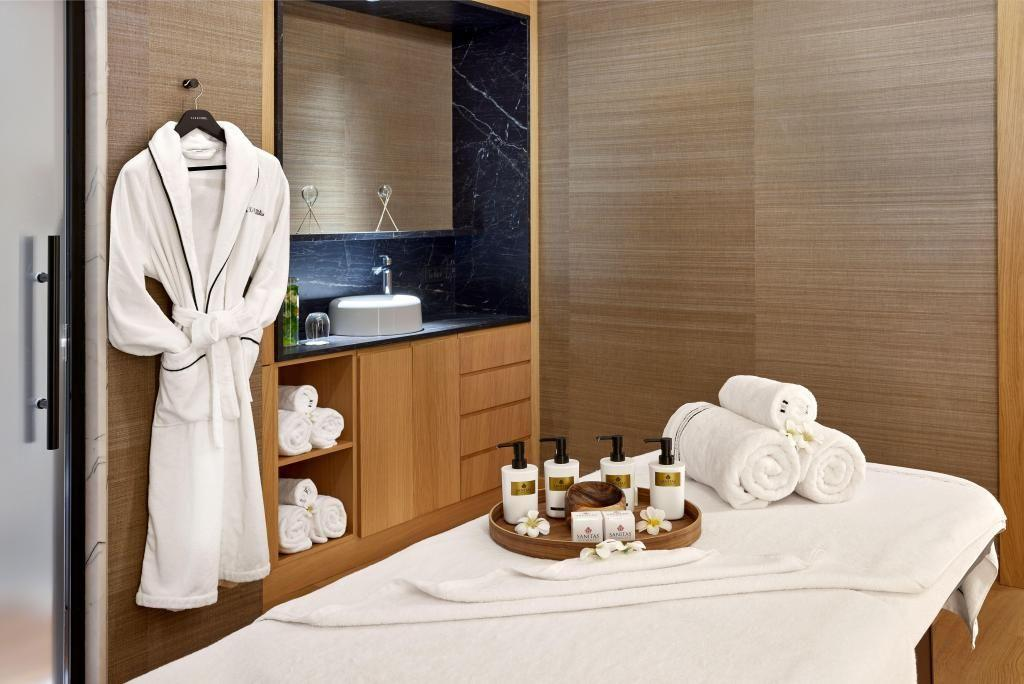
Preparing for a luxury spa does not require a large beauty case. In most five-star hotel spas, many practical essentials are already supplied, including robes, slippers, towels and shower products.
Four Seasons spas, for example, commonly provide robes and slippers, while some properties also supply grooming products and other amenities in the changing rooms.
The essentials you choose to bring should therefore be limited to personal preferences and anything you know you will need. Comfortable clothing is more useful than a complicated outfit, particularly if you intend to spend time moving between treatment rooms, thermal facilities and relaxation areas.
If you have long hair, a simple hair tie can be useful. Swimwear may be appropriate for pools and mixed thermal areas, while a reusable water bottle can be convenient if permitted by the property. Guests with particular skincare requirements may also prefer to bring their own familiar products rather than experimenting immediately before or after a treatment.
Valuables are best left in the hotel room whenever possible. Four Seasons spa guidance specifically recommends not bringing personal valuables to the spa, even where secure lockers are provided.
The same principle applies to jewellery. Removing rings, watches and bracelets before certain treatments is practical and allows the therapist to work more comfortably. If an item is particularly valuable or sentimental, leaving it in the room safe is preferable.
Plan Meals, Exercise and Alcohol Around Treatments
The hours immediately surrounding a spa treatment should not be treated like any other part of a holiday itinerary. Heavy meals, intense exercise and excessive alcohol can make certain treatments less comfortable.
A sensible approach is to avoid arriving immediately after a large meal. A light meal or snack several hours before a substantial massage or body treatment may be more comfortable, although individual needs vary and the spa should be consulted if the treatment is intensive or part of a specialised wellness programme.
Alcohol also deserves consideration. A glass of wine may be part of a luxury hotel experience, but drinking heavily immediately before a massage, sauna or thermal circuit is not a sensible combination. Heat exposure and alcohol can both affect hydration and circulation, so guests should follow the property’s guidance and avoid treating the spa’s thermal facilities as an extension of a bar experience.
Exercise should also be planned intelligently. A gentle swim, yoga session or walk can fit naturally into a wellness day, whereas an extremely demanding workout immediately before an intensive massage may leave the body unnecessarily fatigued.
The goal is not to create a rigid set of rules. It is to avoid arriving at the treatment already exhausted, dehydrated, overly full or physically overstimulated.
Communicate Clearly During the Treatment
One of the most important elements of a luxury spa experience is often overlooked: communication with the therapist.
There is no universal correct pressure for a massage. What feels deeply relaxing to one guest can feel uncomfortable to another. The same applies to room temperature, music, lighting, fragrance and the positioning of the body.
A professional therapist should expect guests to communicate these preferences. If the pressure is too strong, say so. If you would prefer a quieter treatment room, mention it. If a particular area should be avoided, explain this before the treatment begins.
Luxury does not mean remaining silent when something is uncomfortable. Quite the opposite: personalisation is one of the defining characteristics of high-end wellness.
Health information should also be disclosed honestly. Four Seasons advises guests to communicate relevant health conditions, allergies or injuries when making spa reservations so the team can help select appropriate treatments.
This is especially important for pregnancy, recent injuries, allergies, medication-related concerns or conditions that could affect exposure to heat. The correct response is not to assume that a particular treatment is automatically suitable; it is to ask the spa professionals and, where appropriate, obtain medical advice.
Treat the Spa as a Digital-Free Environment
Luxury wellness increasingly offers something that has become rare elsewhere: uninterrupted time without notifications.
Many leading spas have explicit policies concerning mobile phones. Mandarin Oriental, Milan asks guests to switch off their devices and store them in lockers, while Four Seasons London states that mobile phone use is not permitted within the spa environment.
For guests, this can be one of the simplest ways to improve the experience. Rather than checking messages between treatments, use the relaxation area for exactly what it was designed for: doing very little.
This also extends to photography. Some spas restrict photography to protect guest privacy and maintain the atmosphere of the space. Mandarin Oriental, Milan’s spa terms specifically state that images should not be recorded within the spa.
A luxury spa is therefore one of the few places where putting the phone away is not merely good etiquette but part of the experience.
Leave Space in the Itinerary After the Treatment
One of the most common mistakes in planning a spa day is scheduling too much immediately afterwards. A treatment can leave the body deeply relaxed, and moving directly into a business meeting, crowded shopping district or long airport transfer can undermine the sense of calm created during the session.
Whenever possible, leave at least some unstructured time after a significant treatment. Use the relaxation lounge, take a quiet walk, return to the room or enjoy a light meal without immediately rushing to the next activity.
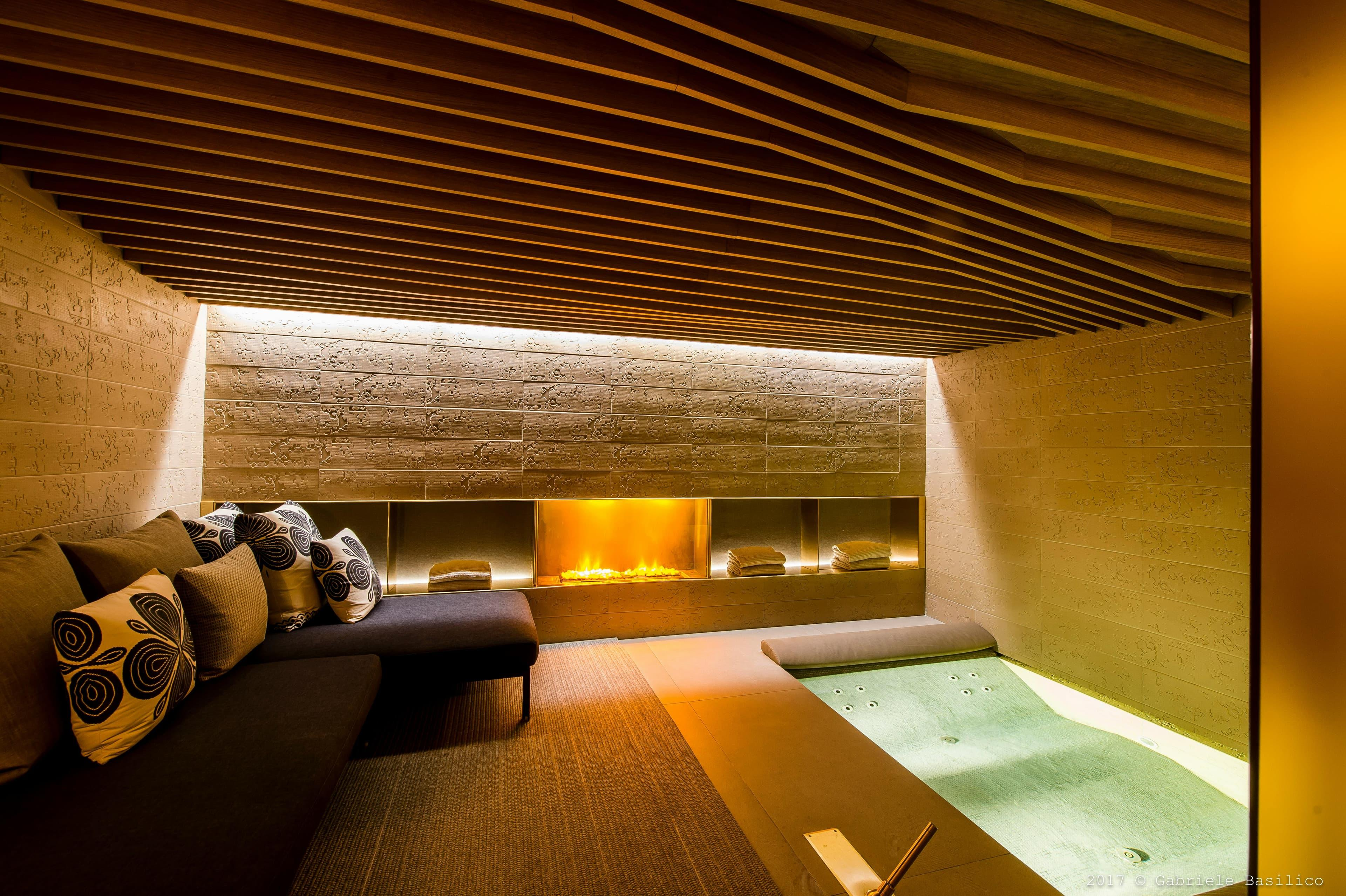
This is particularly relevant when booking a longer signature experience. At Mandarin Oriental, Milan, the Dòmm de Milan and Golden Saffron Rituals each last three hours and 20 minutes, demonstrating how a contemporary luxury spa experience can become a substantial part of the day rather than a quick appointment between other activities. (Mandarin Oriental Milan)
The same principle applies to couples’ experiences. Four Seasons Hotel Milano offers private Spa Suite experiences that combine a whirlpool, steam bath, relaxation area and massage, making the surrounding time part of the experience rather than simply an interval before the treatment. (Four Seasons Hotel Milano)
The most luxurious approach to a spa stay is therefore not to maximise the number of treatments. It is to create enough time around them for the experience to have an effect on the rhythm of the entire day.
Frequently Asked Questions
How early should I arrive for a luxury spa treatment?
Arrival recommendations vary by property, but 20 to 30 minutes is a useful general guideline. Some spas recommend 15 minutes, while others ask guests to arrive 30 minutes or more in advance. This allows time for check-in, changing, consultation and use of facilities before treatment.
What should I wear to a luxury spa?
Comfortable clothing is generally the most practical choice. Luxury spas commonly provide robes and slippers, while swimwear may be useful for pools, saunas or thermal facilities. Always check the individual property’s dress and thermal-area policies before arrival.
Should I eat before a massage?
A large meal immediately before a massage is generally best avoided because it can be uncomfortable during treatment. A light meal or snack earlier in the day may be more suitable, depending on the timing and type of treatment. Guests with specific dietary or medical considerations should consult the spa.
Can I use a sauna or steam room before a massage?
Often, yes, and some spas actively incorporate heat experiences into the pre-treatment experience. Four Seasons Geneva, for example, recommends five to 15 minutes in its heat experience before treatment. However, guests should follow the property’s specific guidance and avoid excessive heat exposure.
Should I tell the therapist about injuries or health concerns?
Yes. Relevant injuries, allergies, sensitivities, pregnancy or other health concerns should be communicated before treatment. Luxury spas can then advise whether a treatment should be modified or whether another option would be more appropriate.
Should I schedule activities immediately after a spa treatment?
For a relaxing experience, it is preferable to leave some unstructured time after the treatment, particularly following a long massage or multi-hour wellness ritual. This allows the transition back into the rest of the day to be gradual rather than rushed.
How can I get the most from a luxury spa stay?
Choose treatments according to your actual needs, arrive early, communicate clearly with the spa team, understand which facilities are included, avoid an overly crowded itinerary and give yourself time to relax before and after treatments. The objective is not to complete as many treatments as possible, but to create a coherent wellness experience.
By Luxury Magazine Editorial Team