
Turkey’s fine-dining landscape has become considerably more sophisticated, and securing the right table increasingly deserves the same attention as choosing a hotel or planning a private tour. In Istanbul, internationally recognized restaurants compete with ambitious new openings. Along the Aegean, Urla has developed into a destination for ingredient-led gastronomy, while Bodrum’s summer dining scene brings together chef-driven restaurants, luxury resorts and fashionable waterfront addresses.
The Michelin Guide’s 2026 Türkiye selection now encompasses Istanbul, İzmir, Muğla and Cappadocia, illustrating how widely serious dining has expanded beyond the country’s largest city. (MICHELIN Guide) For luxury travelers, however, a growing restaurant scene also means that planning becomes more important.
Reservation systems are not identical. Some restaurants accept bookings online, others manage tables directly, while tasting-menu restaurants may impose specific conditions regarding group size, dietary requirements or cancellations. In seasonal destinations, availability can tighten considerably when international visitors arrive during summer.
The solution is not necessarily to reserve every dinner months ahead. It is to identify the meals that matter most, understand each restaurant’s individual conditions and build those reservations into the wider itinerary.
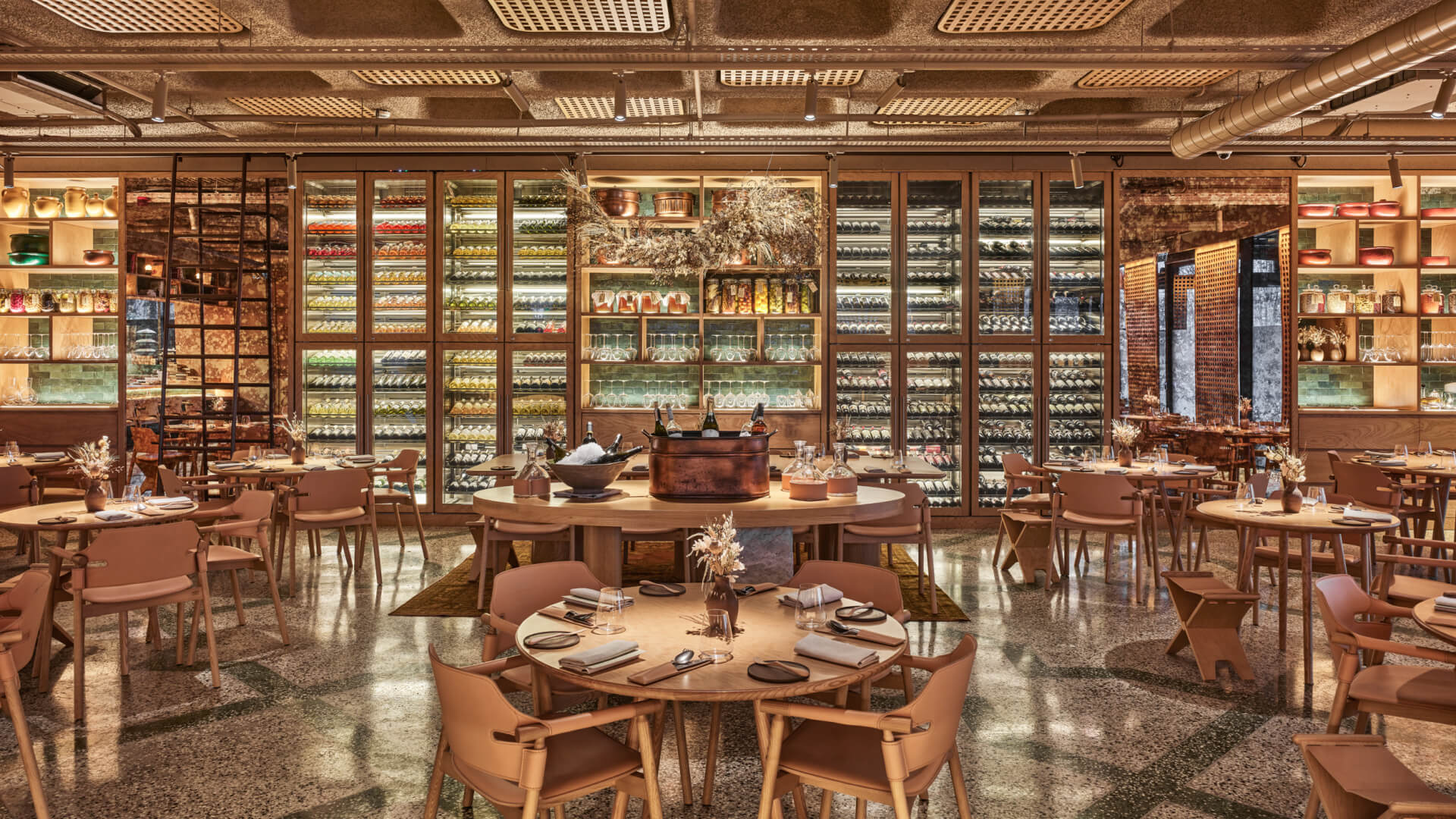
Why Turkey’s Best Tables Require More Planning
Fine dining in Turkey no longer revolves exclusively around Istanbul. That geographical expansion has changed the way gastronomic travelers should approach reservations.
Istanbul still provides the greatest concentration and variety. Restaurants such as TURK Fatih Tutak, Mikla and Neolokal attract diners specifically interested in contemporary Turkish gastronomy, alongside luxury-hotel restaurants and international concepts.
Urla presents an entirely different reservation environment. Here, destination restaurants sit among vineyards, olive groves and agricultural landscapes rather than within a dense metropolitan restaurant district. OD Urla, Vino Locale and Teruar Urla have helped turn dining into a reason to travel to the peninsula rather than something added casually to an İzmir itinerary.
Bodrum introduces seasonality. During the main summer period, demand is concentrated into a relatively short window, while diners are distributed among Yalıkavak, Türkbükü, Bodrum town, luxury resorts and more secluded parts of the peninsula.
Cappadocia adds another dimension. Its inclusion in Michelin’s 2026 selection brought 18 establishments into the Guide for the first time, further strengthening the case for travelers to consider restaurant planning as part of a wider Turkish itinerary. (MICHELIN Guide)
Consequently, there is no universal rule for how early to reserve. A weekday dinner in Istanbul, a Saturday tasting menu in Urla and a prime summer table in Bodrum present very different situations.
The practical approach is to identify two or three priority restaurants before finalizing the daily itinerary. Those reservations can then become anchors around which less formal meals remain spontaneous.
Booking Fine Dining in Istanbul
Istanbul offers the greatest flexibility because its dining scene is both large and geographically diverse. Even so, the city’s most prestigious restaurants should not be treated as last-minute decisions when they are central to the trip.
TURK Fatih Tutak is an instructive example. The restaurant operates around a chef’s signature tasting menu rather than an à-la-carte format. Its published reservation information currently describes a multi-course experience lasting approximately three hours and limits a single table reservation to groups of up to five people. It also specifies important dietary limitations. Those details demonstrate why reading reservation conditions matters before choosing a restaurant for a particular evening.
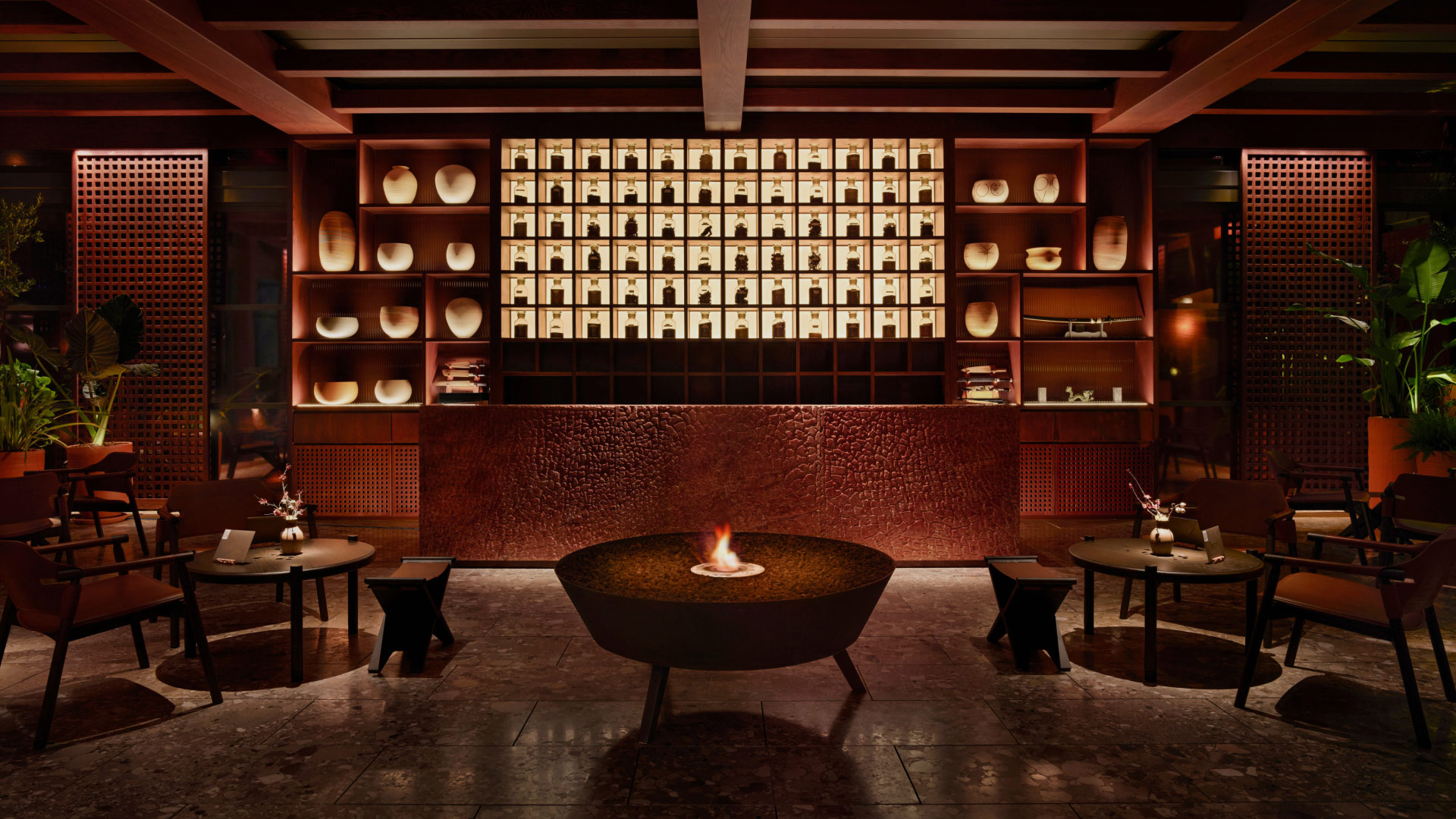
A tasting-menu dinner should be treated differently from an ordinary restaurant reservation. If the experience occupies several hours, scheduling it immediately after a late flight, full-day excursion or demanding business program can diminish the meal.
Location also matters in Istanbul. Traffic can make apparently short distances unpredictable, particularly during busy periods. A restaurant should therefore be considered alongside the hotel and the day’s final activity rather than as an isolated reservation.
Restaurants also use different booking channels. Michelin’s current listing for Mikla, for example, states that the restaurant manages its own reservations and asks guests to contact it directly. (MICHELIN Guide) This is a useful reminder that even among internationally recognized establishments, there is no single booking system.
For an important dinner, use the restaurant’s designated reservation channel and retain the confirmation. If the booking involves a celebration, dietary restriction or particular seating request, communicate that information before arrival rather than expecting the restaurant to resolve everything once the meal has begun.
Planning Restaurant Reservations in Urla
Urla requires a different mindset because dining and destination are closely intertwined.
The peninsula has developed a gastronomic identity around vineyards, olive groves, seasonal agriculture and chef-led restaurants. A meal at OD Urla or another destination restaurant may therefore become one of the principal experiences of the day.
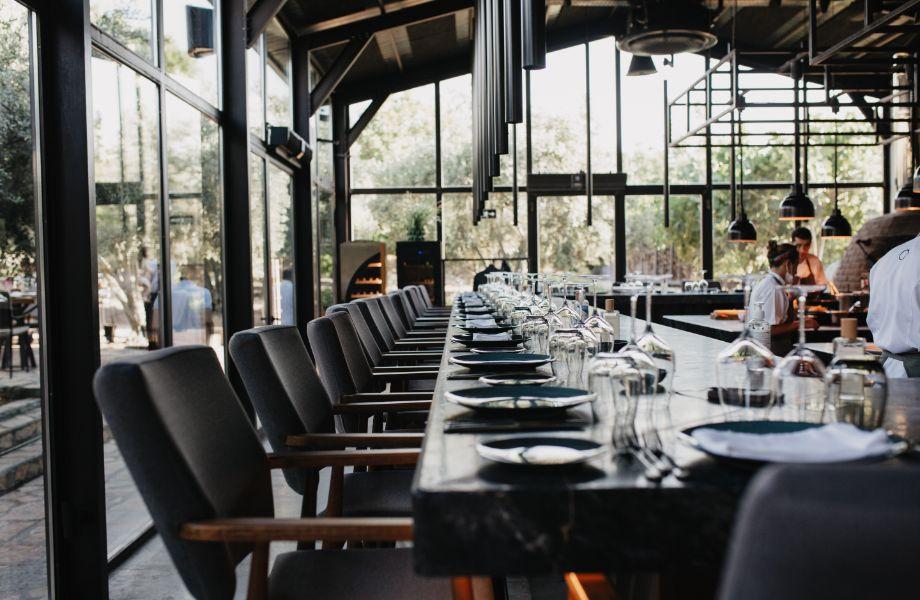
This changes how reservations should be organized.
Instead of squeezing dinner between unrelated activities, consider building the day around the landscape. A vineyard visit, time in Urla or a relaxed afternoon can lead naturally into dinner without creating unnecessary transfers.
OD Urla demonstrates the importance of checking individual booking details. Its current information asks guests to reserve and offers different seating possibilities, including the chef’s desk, central dining area and garden. (OD URLA) The distinction matters because choosing a restaurant is not always the end of the decision; the location of the table can influence the experience as well.
Urla’s restaurant scene also rewards advance organization because many of its most interesting establishments are destination restaurants rather than large urban dining rooms surrounded by alternatives within walking distance.
If a preferred restaurant is unavailable, replacing it at the last minute may involve changing transportation and the structure of the evening rather than simply walking to another restaurant nearby.
Travelers staying in İzmir, Çeşme or Alaçatı should also calculate the return journey before reserving. Wine often plays an important role in the Urla dining experience, making a prearranged private driver particularly sensible for guests who plan to explore regional pairings.
Navigating Bodrum’s Summer Dining Scene
Bodrum is where reservation planning becomes inseparable from seasonal travel logistics.
The peninsula contains several distinct dining areas rather than one centralized restaurant district. Yalıkavak has its marina, luxury hotels and chef-driven restaurants; Türkbükü combines waterfront dining with an established summer social scene; Bodrum town offers another concentration of restaurants; meanwhile, resorts around the peninsula operate their own destination venues.

The first consideration should therefore be geography.
A dinner reservation on the opposite side of the peninsula from the hotel can turn into a substantial transfer during busy summer evenings. Travelers should look at the restaurant’s exact location before choosing a reservation time and allow realistic margins.
The second consideration is seasonality. Bodrum’s restaurant scene becomes significantly more active during summer, and popular dining periods coincide with the months when hotels, beach clubs, marinas and yacht traffic are also busiest.
For a particularly important restaurant, reserve as soon as the travel schedule is sufficiently stable. This does not mean every dinner needs to be planned far in advance. Leaving several evenings open can be valuable, especially when yacht itineraries, beach plans or invitations change.
The distinction should be between priority and optional dining.
A chef-led tasting experience or important anniversary dinner belongs in the first category. A relaxed seafood evening can often remain more flexible, provided travelers understand that the most sought-after waterfront tables may still be difficult to secure at short notice.
Transportation should be confirmed alongside the reservation. In Bodrum, a table at the right restaurant is considerably less enjoyable if the evening begins with an unexpectedly stressful transfer.
Using a Luxury Hotel Concierge Effectively
A good concierge becomes particularly valuable when the restaurant reservation forms part of a complicated itinerary.
The simplest request—“please reserve dinner”—uses only a small part of what an experienced concierge can contribute.
A better approach is to explain the purpose of the evening. Is it an anniversary? Does the guest want a long tasting menu or a relaxed waterfront meal? Is privacy important? Will children be present? Does anyone have dietary restrictions? Is the party arriving from a yacht rather than the hotel?

That information allows the concierge to recommend or coordinate more intelligently.
In Bodrum, for example, the concierge can consider transfer times between the resort and Yalıkavak or Türkbükü. In Istanbul, the team can account for traffic and the location of earlier activities. In Urla, a concierge or travel advisor can coordinate a driver so that wine pairings do not create transportation problems afterward.
Concierge assistance can also be useful when booking methods are less familiar to an international guest or when a restaurant needs direct communication about an important request.
However, concierge involvement should not be confused with guaranteed access.
Highly sought-after restaurants still have finite capacity, and a luxury hotel’s relationship with a venue does not create unlimited tables. The earlier the concierge receives the request, the more options the team generally has to work with.
Once a reservation has been arranged, ask for the confirmed time, number of guests, restaurant address and any cancellation or guarantee conditions in writing. For particularly important dinners, confirm transportation at the same time.
Tasting Menus, Dietary Requirements and Special Requests
One of the most important differences between casual dining and contemporary fine dining is that the kitchen may be working with a highly structured menu.
A tasting menu can involve ingredients prepared well before the guest arrives. Micro-seasonal produce, fermented elements, stocks and sauces may make certain substitutions considerably more difficult than they appear.
TURK Fatih Tutak, for example, explicitly publishes limitations regarding certain dietary adaptations. This is exactly the type of information travelers should discover before confirming rather than at the table.
Dietary requirements should therefore be communicated during the reservation process. Distinguish clearly between an allergy, medical restriction, vegetarian or vegan requirement and an ingredient preference. The kitchen needs accurate information to determine what it can accommodate safely and successfully.
The same advance notice helps with celebrations.
A birthday or anniversary may be marked elegantly if the restaurant knows beforehand. Last-minute requests for elaborate decorations, special cakes or dramatically altered menus are more difficult and may not suit the restaurant’s style.
Seating requests require realistic expectations as well. A guest can request a terrace, window table or quieter position, but a request should not automatically be interpreted as a guarantee unless the restaurant confirms it specifically.
For destination restaurants, even the seating format can matter. Chef’s counters, gardens and conventional tables may produce noticeably different experiences, making it worthwhile to understand the options before choosing.
Deposits, Card Guarantees and Cancellation Terms
Reservation conditions vary between restaurants, so travelers should avoid assuming that practices encountered at one Turkish fine-dining establishment apply everywhere.
A restaurant may simply hold a table under the guest’s name. Another may request card details, a deposit or prepayment, particularly for a tasting menu, special event or larger group.
The cancellation window can also vary.
For this reason, the confirmation should be read rather than treated as an administrative formality. Check whether a payment has been taken, whether it is refundable, how late the booking can be changed and what happens if the number of guests decreases.
This becomes especially important during multi-stop luxury itineraries.
A delayed yacht return in Bodrum, changed domestic flight or extended excursion in Cappadocia can create a cancellation problem if dinner has been scheduled too tightly afterward. Allowing a sensible buffer is often more valuable than securing the earliest possible reservation.
Large groups require additional care. A restaurant designed around intimate tasting menus may not accommodate eight or ten diners in the same way as a large hotel restaurant. Group menus, private spaces or different payment conditions may apply.
If the reservation carries a financial guarantee, make sure everyone in the party understands the commitment before confirming.
Building Fine Dining into a Luxury Turkey Itinerary
The most successful gastronomic itinerary does not consist of prestigious dinners every night.
Fine dining requires attention. Several consecutive multi-hour tasting menus can become surprisingly exhausting, particularly when combined with sightseeing, yacht days, wine tastings and travel between destinations.
Instead, vary the rhythm.
In Istanbul, an ambitious tasting menu might follow a relatively relaxed afternoon. The next evening could involve a traditional restaurant or a simpler meyhane experience.
In Urla, make the destination restaurant the centerpiece of the day rather than adding it after a crowded schedule. The surrounding vineyards and agricultural landscape deserve time of their own.
In Bodrum, alternate serious dining with seafood beside the water, a relaxed resort dinner or an evening that remains completely unplanned.
Cappadocia should similarly be approached as more than a restaurant stop. Its addition to Michelin’s 2026 coverage reflects a dining culture strongly connected to regional traditions and terroir, making food most meaningful when experienced alongside the destination itself. (MICHELIN Guide)

It is also worth reserving the most important meals before less flexible itinerary elements become fixed. If a particular restaurant is one of the main reasons for visiting Urla, for example, confirm its availability before committing to a tightly scheduled day elsewhere.
At this level of travel, the objective is not to collect famous tables. It is to give each restaurant enough time and context to be enjoyed properly.
A carefully planned reservation becomes almost invisible once the evening begins—and that is precisely how good luxury travel planning should feel.
Frequently Asked Questions
How far in advance should travelers make fine dining reservations in Turkey?
There is no universal booking period because availability depends on the restaurant, destination, season, party size and day of the week. Priority restaurants should be reserved once the itinerary is sufficiently stable, while additional dinners can remain flexible. Advance planning becomes especially important for intimate tasting-menu restaurants and during Bodrum’s busy summer season.
What is the best way to reserve a fine dining restaurant in Turkey?
Travelers should use the reservation method specified by the restaurant, which may include its official online booking system or direct contact with the reservations team. Luxury hotel concierges can also coordinate reservations, particularly when transportation, celebrations or special requests are involved.
Can a hotel concierge guarantee a table at a fully booked restaurant in Turkey?
No. A well-connected concierge may be able to communicate efficiently with restaurants and explore available options, but prestigious restaurants still have limited capacity. Travelers should not assume that staying at a luxury hotel guarantees access to a restaurant that is already fully booked.
Should dietary restrictions be mentioned when making a fine dining reservation in Turkey?
Yes. Allergies, medical restrictions and dietary requirements should be communicated when reserving rather than after arrival. Tasting-menu restaurants may work with preparations that cannot easily be modified, and some restaurants explicitly state that they cannot accommodate particular dietary requirements.
Do fine dining restaurants in Turkey require deposits or credit card guarantees?
Policies differ by restaurant. Some reservations may be held without payment, while other restaurants or particular experiences can require a deposit, prepayment or card guarantee. Travelers should check the current conditions attached to their individual reservation, including cancellation deadlines and any no-show charges.
Is it better to book fine dining restaurants directly or through a luxury hotel concierge?
Both approaches can work. Direct booking is straightforward when the restaurant has a clear reservation system, while a concierge becomes particularly valuable when the evening involves transportation, special occasions, dietary communication or several coordinated arrangements. The important point is to obtain a clear confirmation and understand the restaurant’s individual terms.
By Luxury Magazine Editorial Team