Northern Germany offers a different expression of European luxury: less formal than Paris, less theatrical than the Mediterranean, and deeply connected to the sea. From Hamburg’s grand hotels and contemporary architecture to the historic streets of Lübeck, the sophisticated island life of Sylt and the elegant Baltic resorts of Rügen, the region combines cultural depth with a quiet sense of exclusivity.
For luxury travellers, Northern Germany is particularly appealing because its experiences are rarely confined to traditional five-star hospitality. A private evening at a concert hall, a Michelin-starred dinner overlooking the North Sea, a spa retreat beside the Baltic, or a sailing journey through historic waters can become the defining moments of a trip.



The region is also remarkably varied. Hamburg provides the cosmopolitan beginning, Lübeck adds centuries of Hanseatic history, Sylt introduces an unmistakably sophisticated island culture, while Mecklenburg-Vorpommern and Rügen offer a slower interpretation of coastal luxury. Together, they form one of Germany’s most distinctive luxury travel routes.
Hamburg: Northern Germany’s Cosmopolitan Gateway
Hamburg is the natural starting point for a luxury journey through Northern Germany. The city combines one of Europe’s historic trading ports with contemporary architecture, cultural institutions and a strong restaurant and hotel scene.
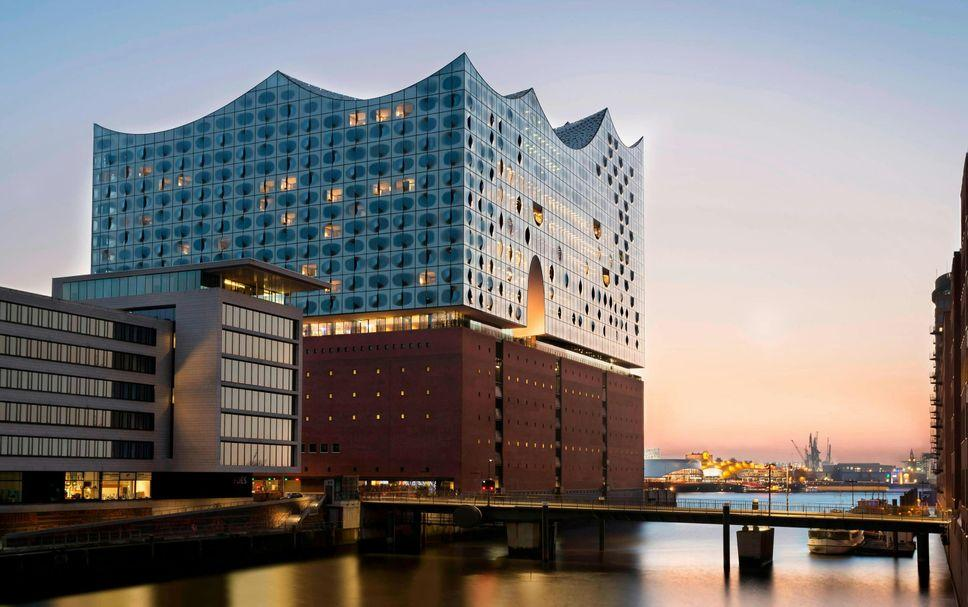
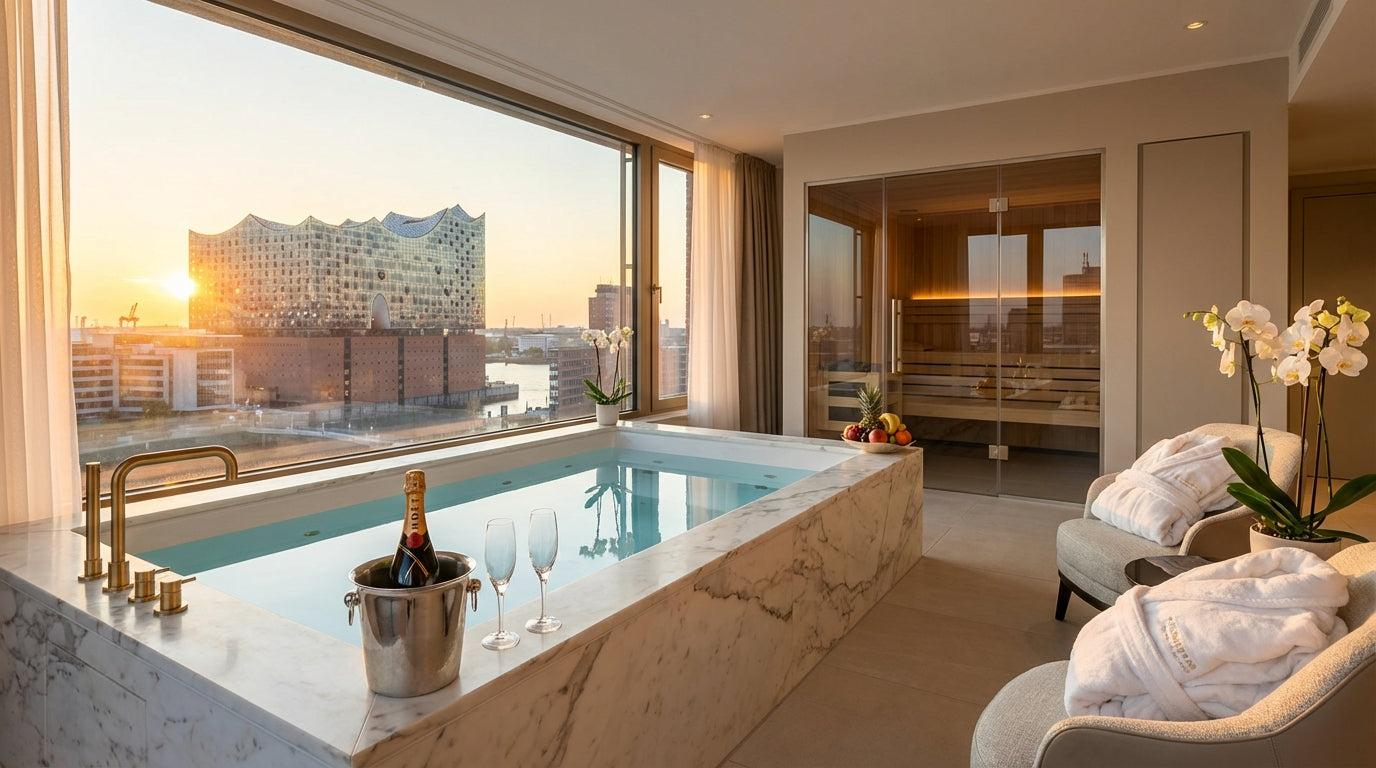
One of the most memorable ways to experience Hamburg is through the Elbphilharmonie. Rising above the HafenCity waterfront, the concert hall has become one of the city’s defining architectural landmarks and an important cultural destination. For a luxury traveller, attending an evening performance followed by dinner creates an experience that feels distinctly Hamburg rather than simply another hotel-based city break.
For accommodation, the Fairmont Hotel Vier Jahreszeiten remains one of the city’s classic addresses. Located on the Binnenalster, the grand hotel has welcomed guests since 1897 and combines traditional European hospitality with restaurants, a spa and fitness facilities. Its waterfront position also places guests close to central Hamburg, shopping and many of the city’s principal cultural attractions.
The surrounding Binnenalster is particularly attractive in the early evening, when the city becomes quieter and the water reflects the illuminated buildings. Luxury in Hamburg is often found in precisely these understated moments: an elegant hotel bar, a private table overlooking the Alster, or a slow walk towards the waterfront after a concert.
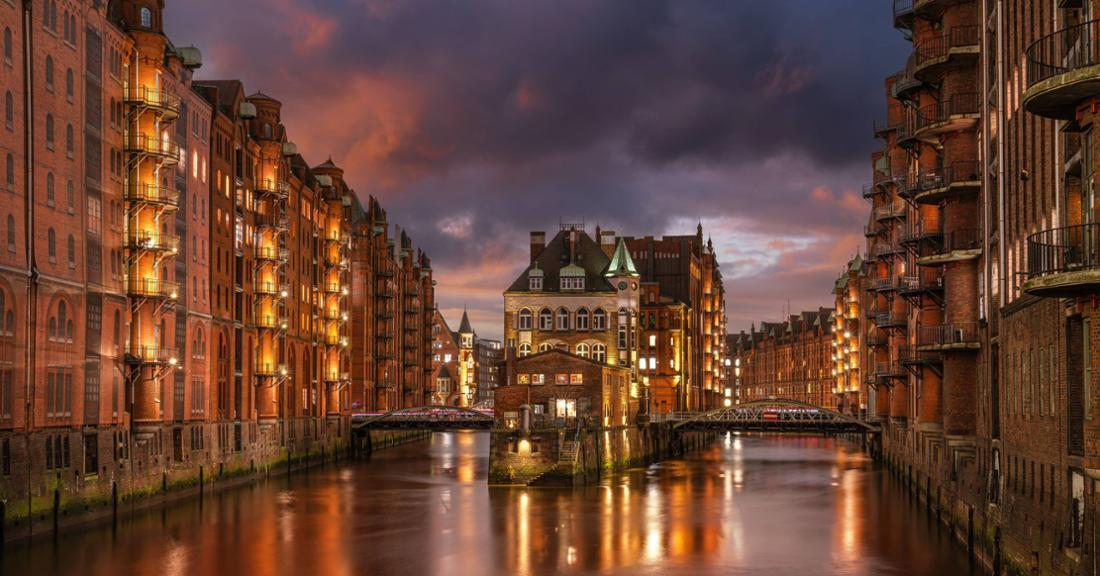
Hamburg’s historic Speicherstadt and HafenCity provide a contrasting architectural experience. Red-brick warehouses, canals and contemporary buildings illustrate the city’s transition from a major Hanseatic trading centre into a modern European metropolis. For visitors interested in design and architecture, this combination is one of the city’s strongest assets.
Lübeck: Hanseatic Heritage with a More Intimate Pace
Around an hour from Hamburg, Lübeck offers a completely different atmosphere. The city’s historic centre is surrounded by water and has been a UNESCO World Heritage Site since 1987. Its medieval urban structure, brick Gothic churches, merchant houses and historic courtyards preserve the architectural character of one of Northern Europe’s most important Hanseatic cities. (luebeck-tourismus.de)
For a luxury traveller, Lübeck is best explored slowly rather than treated as a checklist of attractions. The Holstentor provides the classic introduction to the city, but the real pleasure comes from moving through the smaller streets and discovering the historic courtyards and passageways behind the principal facades.
Many of these medieval residential passages remain part of the city’s living heritage. Lübeck’s tourism authority notes that around 90 historic passages and courtyards can still be found within the old town.
A private walking tour can therefore be more rewarding than a standard sightseeing circuit, particularly when combined with the city’s architectural and culinary heritage. The Museum Harbour, the churches of the old town and the waterfront along the Trave provide further opportunities to experience Lübeck at a slower pace.
For travellers who want to combine history with the sea, Travemünde is a natural extension of a Lübeck stay. The Baltic resort offers a change from medieval streets to beaches, maritime views and classic seaside architecture, creating an easy transition between cultural travel and coastal relaxation.
Sylt: Northern Germany’s Island of Sophisticated Coastal Living
If Hamburg represents Northern Germany’s urban side, Sylt represents its most recognisable luxury-island experience. Located in the North Sea, the island combines dunes, beaches, thatched houses, boutiques, wellness retreats and an unusually concentrated fine-dining scene.
The island’s appeal lies partly in its ability to feel both exclusive and informal. Days can be spent walking across the dunes or along the North Sea before turning into evenings of Michelin-starred cuisine, champagne and sophisticated hotel bars.
Kampen is particularly associated with upscale island life. Its hotels range from elegant boutique properties to traditional luxury establishments, with options positioned between the North Sea, Wadden Sea and dunes.
For a more culinary-focused stay, Sylt is difficult to overlook. The island currently has several Michelin-starred restaurants. Söl’ring Hof in Rantum holds two Michelin stars, while Bodendorf’s at Landhaus Stricker, KAI3 at Hotel Budersand and Tipken’s by Nils Henkel at Severin*s Resort & Spa each hold one Michelin star according to the island’s official tourism information.
Bodendorf’s is particularly interesting for travellers who appreciate destination dining. Located inside the five-star superior Landhaus Stricker in Tinnum, the restaurant combines luxury hospitality with Holger Bodendorf’s creative cuisine and an extensive wine selection.
At KAI3 in Hörnum, the culinary concept is influenced by Northern Germany and Scandinavia, with regional ingredients forming an important part of the restaurant’s approach. The setting at Hotel Budersand also brings the North Sea directly into the experience.
Tipken’s at Severin*s Resort & Spa provides another interpretation, combining fine dining with a more relaxed island atmosphere. Its terrace overlooks an orchard, while the restaurant places particular emphasis on Nordic ingredients and contemporary interpretations of flora and fauna.
Beyond fine dining, Sylt is about the rhythm of the coast. A morning on the beach, an afternoon in a wellness centre and a sunset drink overlooking the North Sea can be just as significant as a formal dinner.
The island also offers a considerable range of beach restaurants and sophisticated casual venues. The official tourism board highlights establishments such as Sturmhaube in Kampen and BeachHouse Sylt in Westerland, where dining is closely connected to the coastal landscape. (sylt.de)
Rügen and the Baltic Coast: Wellness, Architecture and Sea Air
Travellers continuing east can exchange the North Sea for the Baltic coast of Mecklenburg-Vorpommern. Here, the landscape becomes greener and more sheltered, with long beaches, historic seaside resorts and elegant spa hotels.
Rügen is particularly suited to travellers looking for a slower luxury experience. The island is known for its Baltic coastline and resort architecture, while towns such as Binz provide a combination of beach life, historic villas, wellness and fine hospitality.
The nixe Boutiquehotel & Spa in Binz illustrates this style particularly well. Set in a protected Art Nouveau villa directly on the beach promenade, the boutique hotel combines historic architecture with wellness, fine dining and a highly intimate atmosphere. (MV Tourismus GmbH)
For luxury travellers, the Baltic coast works particularly well as the restorative stage of a longer Northern Germany itinerary. Instead of filling every day with attractions, the emphasis can shift towards spa treatments, long coastal walks, private dining and time spent simply enjoying the landscape.
This is also where Northern Germany’s concept of luxury becomes particularly clear. The experience is rarely about conspicuous consumption. Instead, it is about space, privacy, architecture, nature and exceptionally well-executed hospitality.

How to Experience Northern Germany in Luxury
The ideal Northern Germany itinerary should not attempt to cover every destination. The region rewards travellers who allow enough time for each place to develop its own character.
A seven-day journey could begin with three nights in Hamburg, allowing time for the Elbphilharmonie, HafenCity, Speicherstadt, the Binnenalster and the city’s gastronomic scene. From Hamburg, continue to Lübeck for one or two nights, using the city as a cultural stop before travelling onwards towards the coast.
The next stage can move north towards Sylt for two or three nights, depending on the season. This is where the itinerary becomes more relaxed: long beach walks, wellness treatments, fine dining and time in Kampen, Keitum, Rantum and Hörnum.
An alternative route for travellers more interested in the Baltic is to continue east from Lübeck towards Mecklenburg-Vorpommern and Rügen. This creates a journey focused more heavily on spa hotels, historic seaside architecture and coastal landscapes.
Private transfers are particularly useful when moving between smaller coastal destinations. Within Hamburg and Lübeck, walking and local transport can be practical, while a private car becomes more convenient once the itinerary reaches the islands and Baltic resorts.
When to Visit Northern Germany
Northern Germany can be visited throughout the year, but the experience changes considerably with the seasons.
Summer is the natural choice for travellers prioritising beaches, outdoor dining and long coastal days. Sylt is particularly lively during this period, with restaurants, beach venues and island hospitality operating at full pace. Because the island can become busy during peak periods, advance reservations are sensible for the most sought-after restaurants and hotels.
Spring and early autumn can provide a more restrained version of the region. The North Sea and Baltic landscapes remain dramatic, while cities such as Hamburg and Lübeck are well suited to cultural travel regardless of the weather.
Winter offers yet another interpretation of luxury. Hamburg’s grand hotels, restaurants and cultural institutions become the focus, while the North Sea and Baltic coast take on a quieter, atmospheric character. For travellers who enjoy spa experiences, fireplaces, fine dining and long evenings indoors, this can be an appealing time to visit.
The Luxury Traveller’s Northern Germany
What distinguishes Northern Germany from more traditional luxury destinations is the relationship between refinement and landscape. Hamburg provides grand-hotel sophistication and major cultural institutions; Lübeck adds history and architectural depth; Sylt brings together beaches, wellness and serious gastronomy; and Rügen offers a quieter Baltic interpretation of resort life.
The result is a region where luxury does not need to be excessive to feel meaningful. A beautifully preserved Hanseatic street, a table overlooking the North Sea, a treatment in a historic seaside villa or an evening concert above Hamburg’s harbour can all become part of the same journey.
For travellers seeking a European destination that combines sophisticated hospitality with maritime landscapes and cultural heritage, Northern Germany offers a particularly varied itinerary. Its greatest strength is the ability to move naturally between city, history, island and coast without losing the sense of understated elegance that defines the region.
FAQs
What is the best luxury destination in Northern Germany?
There is no single luxury destination that represents the entire region. Hamburg is suited to travellers seeking five-star hotels, culture and fine dining, while Sylt is particularly associated with upscale coastal holidays. Lübeck offers historic luxury and cultural experiences, and Rügen is better suited to spa and Baltic Sea escapes.
How many days are needed for a luxury trip to Northern Germany?
A week allows travellers to combine Hamburg, Lübeck and one coastal destination without rushing. Ten days or more allows the itinerary to include both Sylt and the Baltic coast or to spend additional time on the islands.
Is Sylt suitable for a luxury holiday?
Yes. Sylt combines high-end hotels, wellness, boutiques, beach venues and a notable concentration of Michelin-starred restaurants. Its culinary scene includes Söl’ring Hof, Bodendorf’s, KAI3 and Tipken’s, among other highly regarded establishments.
What are the best luxury experiences in Northern Germany?
Among the most distinctive experiences are attending a performance at Hamburg’s Elbphilharmonie, staying beside the Binnenalster, exploring Lübeck’s UNESCO-listed old town with a private guide, dining at a Michelin-starred restaurant on Sylt and combining a Baltic Sea stay with spa and wellness experiences.
When is the best time for a luxury trip to Northern Germany?
Summer is particularly attractive for coastal holidays and outdoor experiences, while spring and autumn offer a quieter atmosphere. Winter is well suited to Hamburg’s cultural scene and to spa-focused coastal stays. The ideal season therefore depends on whether the priority is beaches, gastronomy, culture or wellness.
By Luxury Magazine Editorial Team.