Tokyo has established itself as one of the world’s most compelling luxury shopping destinations, bringing together prestigious international fashion houses, exceptional Japanese craftsmanship and some of the most imaginative retail architecture in contemporary design. Shopping in the Japanese capital is not simply an opportunity to discover the latest collections. It is an experience shaped by extraordinary attention to detail, refined presentation and a distinctive understanding of customer service.
From the elegant avenues of Ginza to the contemporary boutiques of Omotesando, each district offers a different interpretation of luxury. International fashion houses sit alongside Japanese designers, specialist watchmakers, traditional craft stores and sophisticated department stores. Beyond the familiar names, visitors can also discover independent labels, exclusive collections and products that reflect Japan’s remarkable design culture.
The city’s retail landscape is particularly rewarding for international visitors because it combines established luxury brands with a strong local identity. A visit to a Japanese department store can reveal an exceptional selection of fashion, jewellery, beauty products and gourmet specialities, while smaller boutiques offer opportunities to discover craftsmanship that is difficult to find elsewhere.
For travellers planning a luxury shopping experience in Tokyo, understanding the character of each district makes all the difference. Ginza is the natural starting point for prestigious international brands, Omotesando offers contemporary architecture and fashion, while areas such as Marunouchi, Shinjuku and Nihonbashi provide additional opportunities to explore the city’s distinctive retail culture.
Ginza: Tokyo’s Most Prestigious Luxury Shopping District

Ginza represents the traditional heart of luxury shopping in Tokyo. Its broad avenues, elegant buildings and internationally recognised fashion houses create an atmosphere comparable to the most prestigious shopping streets of Paris, London and Milan. The district is particularly attractive to visitors who want to explore established luxury brands within a relatively concentrated area.
Chuo-dori, the principal shopping avenue, brings together international fashion, jewellery and watchmaking names. Flagship boutiques from houses such as Chanel, Louis Vuitton, Dior and Cartier contribute to the district’s distinctive character. Their Tokyo locations often feature architectural concepts that reflect the identity of each brand while incorporating elements of contemporary Japanese design.
One of Ginza’s most important retail destinations is GINZA SIX. Opened in 2017, the complex brings together luxury fashion, beauty, lifestyle and dining within a large contemporary development. Its carefully designed interiors, curated retail selection and cultural spaces make it more than a conventional shopping centre. Visitors can explore international designer labels alongside Japanese brands, while its rooftop garden provides an attractive place to take a break from the surrounding streets.
Another important address is Wako, the historic retail institution located in the famous building with its recognisable clock tower at the Ginza 4-chome intersection. Established in 1881 as Hattori Watch Store, its heritage is closely connected with Japanese watchmaking and refined retail. Today, Wako offers a carefully selected range of watches, jewellery, fashion accessories and lifestyle products. For visitors interested in Japanese craftsmanship and traditional luxury retail, it remains one of Ginza’s most distinctive destinations.
Ginza is also home to Ginza Mitsukoshi and Matsuya Ginza, two department stores that offer a different perspective on luxury shopping. Their floors combine fashion, accessories, cosmetics and Japanese lifestyle products, while their food halls showcase an extraordinary range of regional specialities, confectionery and beautifully presented gourmet gifts.
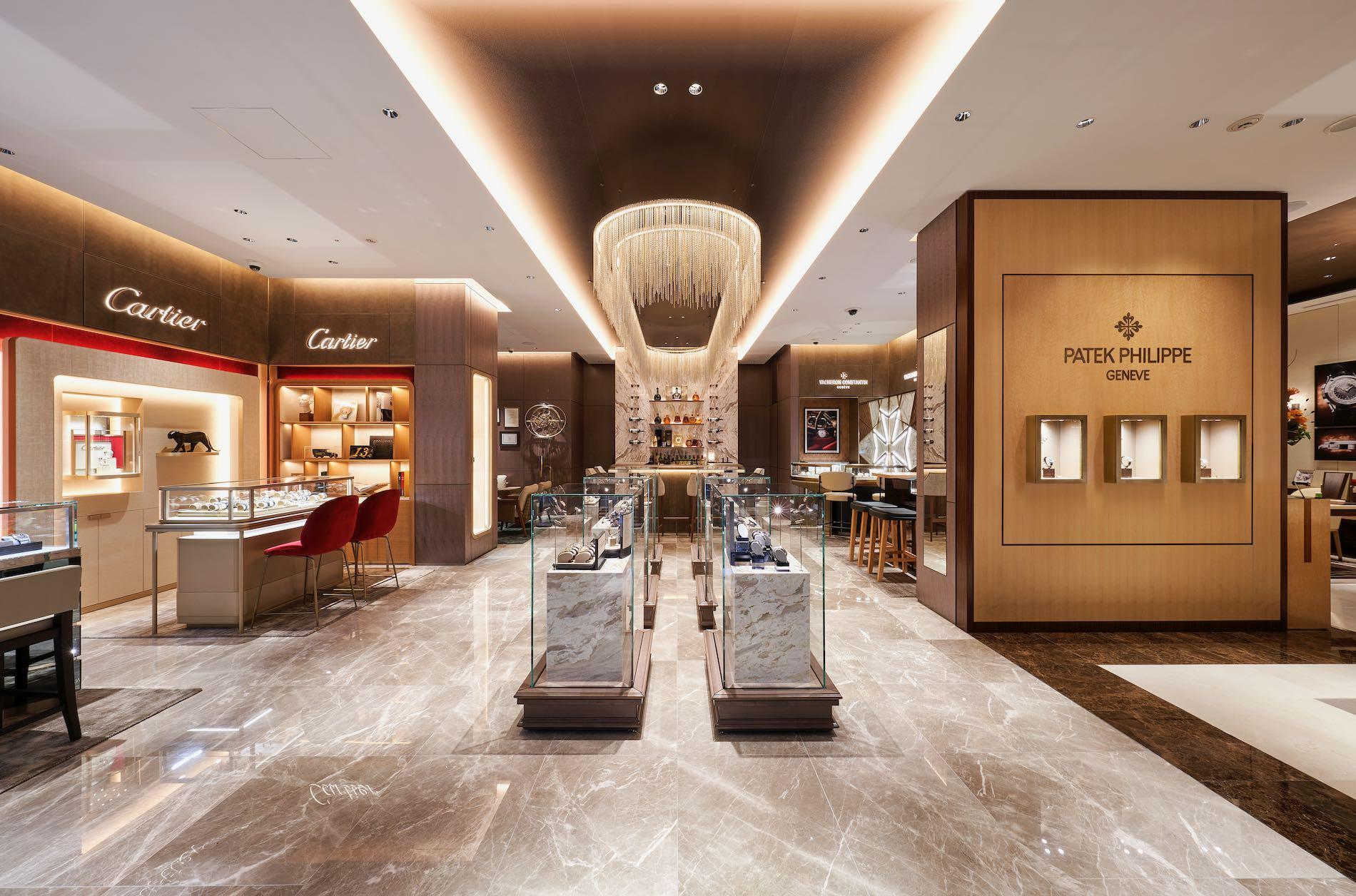
For collectors and enthusiasts, the district’s watch boutiques are another important attraction. Tokyo has a strong reputation for precision retail and specialist horology, making Ginza an interesting destination for discovering prestigious Swiss manufacturers alongside Japanese watchmakers. Visitors can explore established names and specialist retailers while experiencing the attention to detail that characterises Japanese luxury service.
Omotesando and Aoyama: Contemporary Fashion, Design and Architecture

If Ginza represents the established elegance of Tokyo’s luxury retail scene, Omotesando offers a more contemporary interpretation. Its broad, tree-lined avenue is one of the city’s most attractive shopping streets, bringing together international fashion houses, innovative architecture and carefully selected Japanese brands. The atmosphere is less formal than Ginza, with a stronger emphasis on design, creativity and contemporary fashion.
One of the area’s most recognisable architectural landmarks is the Prada Aoyama building. Designed by Herzog and de Meuron, its distinctive glass structure has become an important reference point in Tokyo’s contemporary architecture. The building houses Prada’s flagship boutique, making it an interesting destination for visitors who appreciate the relationship between fashion and architectural design.
Another interesting destination is GYRE, a contemporary retail and cultural complex that brings together fashion, design, art and gastronomy. Its selection includes boutiques such as Chanel Omotesando, Maison Margiela, Delvaux and Comme des Garçons, alongside design-oriented shops and cultural spaces. Rather than following the conventional department-store format, GYRE encourages visitors to explore different creative expressions within one architectural setting. Its combination of fashion, art and lifestyle makes it particularly appealing to shoppers interested in discovering something beyond the major international labels. gyre-omotesando.com
A short walk away, Omotesando Hills provides another important retail address. Designed by Japanese architect Tadao Ando, the complex is known for its distinctive spiral interior and carefully integrated architecture. Its boutiques combine international fashion with Japanese labels, accessories and lifestyle products. The building’s design makes the shopping experience itself part of the attraction.
The surrounding streets of Aoyama are equally rewarding. Smaller boutiques, independent fashion labels and specialist lifestyle stores create a more personal retail environment than the principal avenue. Japanese designers such as Issey Miyake and Comme des Garçons offer distinctive interpretations of contemporary fashion, while selected concept stores provide access to emerging designers and carefully curated collections.
Shopping in Aoyama can also be combined with a visit to the Nezu Museum. Its collection of pre-modern Japanese and East Asian art, together with its beautifully landscaped traditional garden, provides a cultural pause between boutique visits. This combination of fashion, architecture and art gives the neighbourhood a particularly distinctive identity.
For visitors interested in contemporary luxury rather than conventional designer shopping, Omotesando and Aoyama deserve at least half a day. The best approach is to explore the main avenue first before spending time in the quieter side streets, where some of the area’s most interesting independent stores can be found. GO TOKYO
Beyond Ginza and Omotesando: Marunouchi, Nihonbashi and Shinjuku
Tokyo’s luxury retail scene extends well beyond its two most recognised shopping districts. Several other neighbourhoods offer distinctive experiences, from sophisticated department stores and Japanese heritage brands to contemporary fashion destinations. Including one or two of these areas in a shopping itinerary allows visitors to discover a broader picture of the city’s retail culture.


Marunouchi is particularly convenient for travellers staying around Tokyo Station or the Imperial Palace. Its attractive streets combine international fashion, sophisticated restaurants and contemporary commercial architecture. Marunouchi Naka-dori is especially pleasant for walking, with selected boutiques and cafés arranged along a tree-lined avenue.
The Marunouchi Building and Shin-Marunouchi Building provide convenient places to explore fashion, lifestyle products and dining. The district’s proximity to Tokyo Station also makes it an excellent final stop before travelling onwards by Shinkansen.
For a more traditional interpretation of Japanese luxury retail, Nihonbashi is particularly rewarding. The neighbourhood has been associated with commerce and craftsmanship for centuries, and its department stores reflect this heritage.
The Nihombashi Mitsukoshi Main Store is one of Japan’s most historically significant department stores. Its main building, recognised for its grand architecture and traditional retail atmosphere, offers a different experience from the contemporary shopping complexes of Ginza. Its selection includes luxury fashion, jewellery, cosmetics, Japanese crafts and gourmet products. The department store’s food halls are particularly interesting for visitors seeking high-quality regional specialities and beautifully presented gifts.
Another important address is Nihombashi Takashimaya, whose historic department-store atmosphere and extensive selection make it a worthwhile stop. Fashion, homeware, traditional Japanese products and gourmet specialities are brought together in a setting that reflects the country’s long-established department-store culture.
For visitors interested in an extensive selection of international and Japanese fashion, Isetan Shinjuku is another essential destination. The department store is particularly recognised for its fashion selection, beauty counters and carefully curated retail displays. Its different floors provide access to established luxury labels, contemporary designers, accessories and Japanese lifestyle products.
Shinjuku also offers several other commercial destinations, including Takashimaya Times Square and the boutiques around the station. Although the district is considerably busier than Marunouchi or Aoyama, its retail variety makes it worthwhile for shoppers who want to explore a broader selection of brands in one area.
Japanese Craftsmanship, Exclusive Finds and Shopping Services
One of the most rewarding aspects of luxury shopping in Tokyo is the opportunity to discover Japanese products that go beyond international fashion labels. The country’s traditions of craftsmanship, attention to detail and material quality are reflected in an impressive range of specialist boutiques and independent retailers.

For those interested in Japanese design, Ginza and Aoyama offer opportunities to discover specialist stores selling ceramics, lacquerware, textiles and carefully made lifestyle objects. These products often combine traditional techniques with contemporary aesthetics, making them particularly attractive to collectors and visitors looking for meaningful souvenirs.
Japanese stationery is another interesting category. Ginza Itoya is a specialist destination for fine paper, writing instruments, notebooks and creative supplies. Its multi-floor retail concept offers a remarkably broad selection, including products that reflect Japan’s attention to functionality and presentation.
In the world of jewellery and watches, visitors can explore Japanese manufacturers alongside international luxury houses. Mikimoto is particularly relevant to Tokyo’s retail identity. Founded by Kōkichi Mikimoto, the company is internationally recognised for its cultured pearls and refined jewellery collections. Its Ginza flagship is an important destination for those interested in Japanese jewellery craftsmanship.
The experience of shopping in Tokyo is also distinguished by the quality of customer service. Personal assistance, careful packaging and attention to presentation are integral parts of the country’s retail culture. Many department stores provide multilingual assistance and dedicated services for international visitors, while selected boutiques offer appointments for clients seeking a more personalised shopping experience.
International travellers should also understand Japan’s revised tax-free shopping arrangements. Since 1 November 2026, Japan has introduced a refund-based system. Eligible visitors now pay the tax-inclusive price when purchasing qualifying goods, with the consumption-tax equivalent refunded after the goods are confirmed for export at departure. Purchases of at least ¥5,000 before tax per store per day generally qualify, subject to the applicable requirements. Visitors must present their passport and retain the purchased goods for possible customs inspection before checking in their luggage. Allow additional time at the airport to complete the procedure. 税関 Japan Customs+2
Frequently Asked Questions About Luxury Shopping in Tokyo
What is the best area for luxury shopping in Tokyo?
Ginza is the best starting point for traditional luxury shopping, with international fashion houses, prestigious department stores and specialist watch and jewellery boutiques. Omotesando and Aoyama are particularly attractive for contemporary fashion, architecture and Japanese designers, while Marunouchi and Nihonbashi offer more traditional retail experiences.
Is Ginza or Omotesando better for designer shopping?
Ginza is particularly suited to visitors looking for established international luxury houses, fine jewellery, watches and department stores. Omotesando offers a more contemporary atmosphere, with innovative flagship architecture, avant-garde designers and carefully selected concept stores. Both are worth visiting, as they represent different aspects of Tokyo’s fashion culture.
Which department stores are worth visiting in Tokyo?
GINZA SIX, Ginza Mitsukoshi, Matsuya Ginza, Nihombashi Mitsukoshi Main Store, Takashimaya and Isetan Shinjuku are among the most interesting destinations. Each offers a different selection of fashion, accessories, beauty products, Japanese craftsmanship and gourmet specialities.
Can international visitors receive tax refunds when shopping in Tokyo?
Yes. From 1 November 2026, Japan operates a refund-based tax-free system for eligible international visitors. Qualifying purchases must generally total at least ¥5,000 before tax per store per day. Visitors pay the tax-inclusive price initially and complete the required customs procedure at departure to receive the applicable refund.
What Japanese luxury brands should visitors discover in Tokyo?
Mikimoto is particularly interesting for fine pearl jewellery, while Issey Miyake and Comme des Garçons offer distinctive Japanese fashion design. Visitors can also explore Japanese watchmaking, traditional ceramics, lacquerware and specialist lifestyle products for a broader understanding of the country’s craftsmanship.