Luxury wellness travel in Europe has become considerably more sophisticated than booking a five-star hotel with an attractive spa. Today, the continent offers everything from Alpine medical-wellness clinics and structured longevity programmes to Mediterranean retreats centred on nutrition, movement and restorative treatments, as well as quieter properties where nature, sleep and disconnection are the principal forms of therapy.
The abundance of choice is an advantage, but it also makes selecting the right retreat more complicated. A hotel may describe itself as a wellness destination when its offering is essentially an excellent spa, while another property may require medical consultations, diagnostic testing and a seven-night programme. Neither is inherently superior. They simply serve very different travellers.
Understanding how to choose a luxury wellness retreat in Europe therefore begins with a more important question than where to go: what do you actually want the experience to accomplish?
Start With the Purpose of the Retreat, Not the Destination
The most effective way to narrow the European wellness landscape is to define a primary objective before looking at hotels. Stress recovery, better sleep, fitness, weight management, nutrition, detoxification, emotional wellbeing and longevity may appear together in wellness marketing, but they can require very different programmes.
A traveller experiencing the consequences of an intense working schedule, for example, may value sleep support, massage, meditation, gentle movement and substantial unscheduled time. Someone interested in long-term health optimisation may instead want medical consultations, blood analysis, metabolic testing, cardiovascular assessment and a structured nutrition programme.
This distinction separates a restorative spa holiday from a destination wellness retreat.
At the more intensive end of the European spectrum, Chenot Palace Weggis in Switzerland operates around structured programmes rather than conventional short spa stays. Its current programmes combine diagnostics, medical consultations, individual treatments and the Chenot Diet, and the property states that overnight guests must participate in a programme with a minimum seven-night stay. (Chenot)
That level of commitment makes sense for someone deliberately travelling for wellness. It would be unnecessary for a traveller whose real objective is simply four peaceful days, excellent massages and time beside a pool.
Before comparing resorts, write down one primary goal and perhaps two secondary ones. That simple exercise often eliminates half the options immediately.
Understand the Difference Between Spa, Wellness and Medical Wellness
One of the most important elements in choosing a retreat is understanding what the property actually provides behind the terminology.
A luxury spa resort generally places hospitality first. The spa complements the hotel experience through massages, facials, hydrotherapy, thermal facilities, fitness and perhaps yoga or meditation. This can be exactly the right choice for a honeymoon, romantic escape or restorative long weekend.
A destination wellness retreat goes further. Daily life is organised around a programme, and food, exercise, treatments and activities are usually designed to support a particular objective.
Medical wellness introduces another level of clinical involvement. Depending on the retreat, this can include physicians, diagnostic testing, laboratory analysis, physiotherapy, metabolic assessment and personalised health strategies.
Chenot Palace Weggis illustrates the distinction particularly clearly. Its 5,000-square-metre medical spa combines advanced diagnostics with traditional Chinese medicine and facilities including a metabolic and sports laboratory, epigenetic profiling, whole-body cryotherapy and altitude technology. (Chenot)
The important point is not that medical wellness is automatically better. It is that travellers should understand what they are purchasing.
If you want to spend the afternoon reading beside the Mediterranean after a massage, an intensive medical programme could feel restrictive. Conversely, if you want meaningful diagnostic information and a structured health intervention, a beautiful resort offering little beyond a treatment menu may disappoint.
Examine the Programme Before You Examine the Suite
Luxury travellers naturally pay attention to rooms, architecture and views. For a wellness journey, however, the programme deserves equal scrutiny.
Ask what is actually included each day. Does the retreat begin with a consultation? Are treatments prescribed or selected from a menu? Is fitness individual or group-based? Are nutritional consultations included? How much of the programme is personalised? Are diagnostic tests meaningful to your objective? Most importantly, how much free time remains?
At Chenot Palace Weggis, for example, the current core programmes are designed around seven nights. Its Recover & Energise programme begins with medical consultations and diagnostic testing before the programme is adapted to the guest; the property states that it incorporates 56 diagnostics and treatments during the stay. (Chenot)
This is fundamentally different from a resort package consisting of accommodation, breakfast, one massage and a yoga class.
Intensity also matters. More treatments do not necessarily create a better retreat. A schedule running continuously from early morning until evening may suit a highly structured health programme, but it can undermine a restorative holiday if the traveller’s principal problem is an overloaded lifestyle.
The best luxury wellness retreat is therefore not the property offering the greatest number of interventions. It is the one whose degree of structure corresponds to the reason you are travelling.
Evaluate the Medical and Wellness Expertise Behind the Brand
As wellness increasingly intersects with longevity and preventative health, impressive terminology deserves careful examination.
Words such as biohacking, detox, cellular health, anti-ageing and optimisation can refer to very different practices. Travellers should look beyond the language and examine who is responsible for the programme.
If medical claims are involved, investigate whether qualified physicians oversee the relevant services. Look at the disciplines represented within the team, how assessments are performed and whether the retreat explains why particular tests or therapies are used.
The same principle applies outside medical wellness. A serious movement programme should have appropriate fitness expertise; nutrition-focused retreats should involve suitably qualified professionals; specialist physiotherapy requires trained practitioners.
Lanserhof is a useful European example of a wellness concept built explicitly around medical supervision and diagnostics. Its approach combines modern medicine with the principles associated with the Mayr method, and its properties are designed as health destinations rather than conventional spa hotels.
The broader lesson is simple: luxury design can tell you whether a retreat will be aesthetically appealing. It cannot tell you whether the programme is appropriate for your health objectives.
Choose the Environment as Carefully as the Treatment Programme
Europe’s extraordinary geographical diversity is one reason it works so well for wellness travel. Yet destination should come after purpose, not before it.

Italy, Spain and Greece naturally suit travellers who associate wellbeing with warmth, outdoor living and Mediterranean food. Switzerland, Austria and Germany offer a different atmosphere: mountains, lakes, forests and a longstanding European tradition of therapeutic and medical spa travel.
At Palazzo Fiuggi in Italy, the setting combines the historic spa culture of Fiuggi with contemporary medical wellness. The property occupies the former Palazzo della Fonte above the spa town, approximately an hour from Rome, creating an experience in which Italian hospitality and medical-wellness ambitions coexist.
In northern Germany, Lanserhof Sylt creates an entirely different sensory environment, using the landscape and climate of the North Sea island alongside its health programmes.
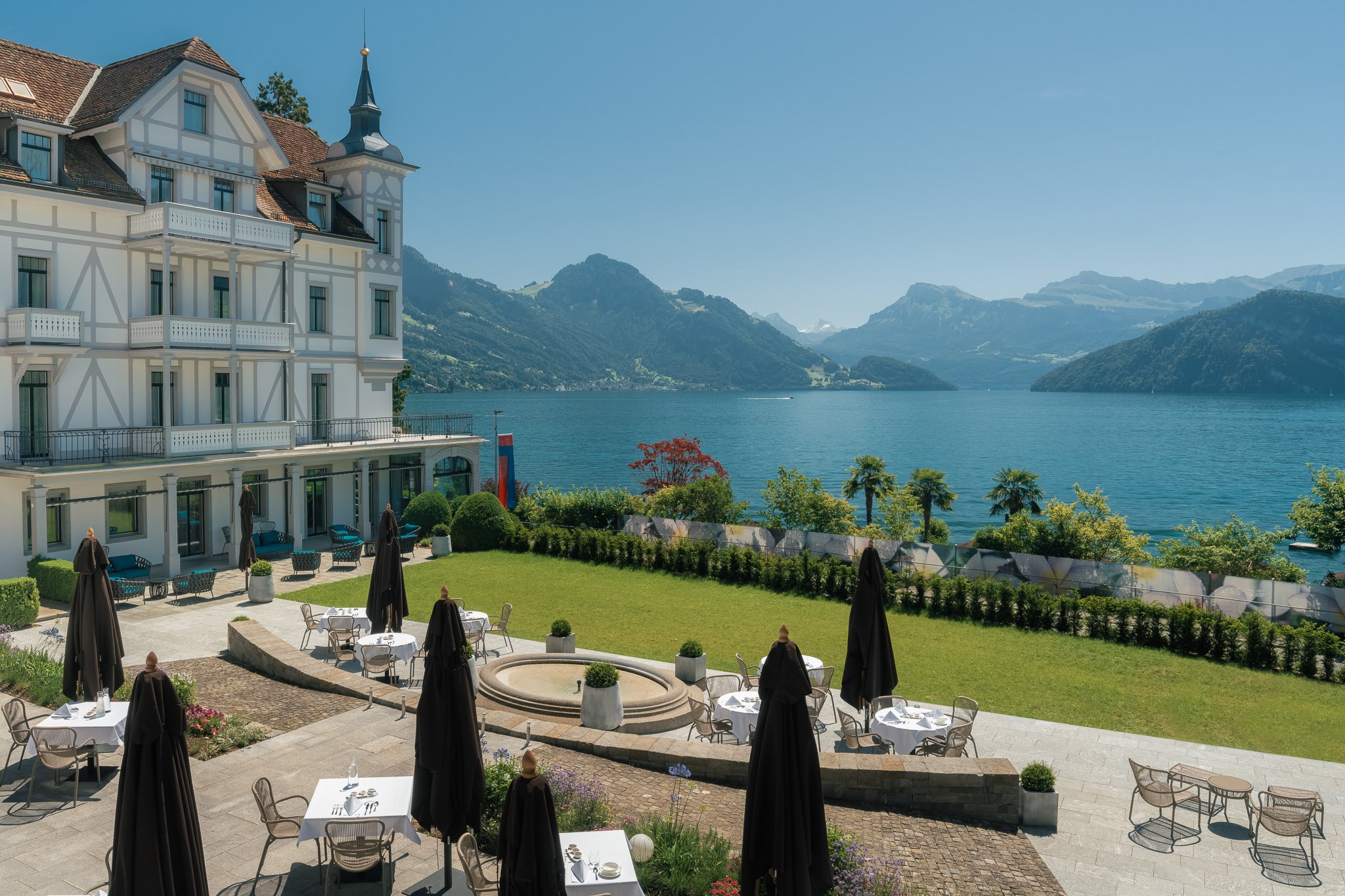
Meanwhile, Chenot Palace Weggis occupies the shores of Lake Lucerne, surrounded by a Swiss landscape that naturally reinforces the sense of withdrawal from ordinary routines. (Chenot)
Environment is not merely decorative. Consider how you personally recover. Some travellers need sunshine, swimming and outdoor meals; others find mountains, forests and cool air considerably more restorative. A person who dislikes winter should not choose an Alpine retreat simply because its medical facilities are celebrated.
The destination should support the psychological purpose of the journey.
Look Closely at Nutrition, Restrictions and Daily Life
Food can be one of the biggest surprises for first-time wellness travellers.
At a luxury spa resort, dining may differ very little from any other five-star hotel. A destination wellness retreat can be entirely different. Menus may be plant-focused, calorie-controlled or structured around a specific nutritional philosophy, while alcohol, caffeine or certain foods may be limited.
This is something to investigate before paying a deposit.
Chenot’s programmes provide a particularly clear example. Its Recover & Energise and Prevention & Ageing Well programmes currently use the Chenot Diet’s plant-based approach at approximately 850 kcal per day. (Chenot) For the right guest, that structured nutritional component is integral to the experience. Someone expecting leisurely lunches, wine with dinner and unrestricted restaurant choices would be booking the wrong type of holiday.
Also examine policies concerning companions. This becomes especially important for couples when only one person wants an intensive programme. At Chenot Palace Weggis, for instance, overnight access is reserved for guests participating in a valid programme, so a partner cannot simply accompany the participant on a conventional hotel stay. (Chenot)
Other resorts are considerably more flexible, allowing one partner to undertake a wellness programme while the other plays golf, visits the beach or uses the hotel normally.
These practical details can have more influence on the experience than the size of the spa.
Consider Duration, Personalisation and What Happens Afterwards
A weekend can provide relaxation. Meaningful behavioural change usually requires more time.
For a traditional luxury spa escape, two to four nights may be perfectly appropriate. A more immersive wellness retreat often works better over five to seven nights, while some medical, rehabilitation or long-term health programmes can require considerably longer.
Do not automatically choose the shortest available option simply to reduce the investment. If a retreat has designed its programme around seven nights, compressing the concept into a weekend may remove much of what makes it valuable.
Personalisation should also be examined carefully. There is a significant difference between selecting a preferred massage oil and having a programme adjusted after professional assessment.
At Chenot, for example, programmes can be personalised following medical consultation, with additional treatments discussed with the consulting doctor. (Chenot) This illustrates what meaningful personalisation can look like in a medically oriented retreat.
Equally important is what happens when you leave. A sophisticated programme should ideally translate at least some of the experience into everyday life. Nutrition advice that cannot realistically be followed at home, an exercise programme requiring equipment you do not have, or an elaborate sleep protocol incompatible with your schedule may deliver only temporary benefits.
Ask whether you receive recommendations, results, follow-up guidance or an actionable plan. The most valuable souvenir from a wellness retreat should not be a branded bathrobe; it should be something that improves ordinary life.
How to Compare the Real Value of a Luxury Wellness Retreat
Price comparisons can be misleading because European retreats package their services very differently.
One resort may quote a room rate and charge separately for every consultation and treatment. Another may sell a programme that includes diagnostics, therapies and nutrition while accommodation remains additional. A third may bundle virtually everything into the stay.
Chenot, for example, currently lists seven-night wellness programmes beginning at CHF 5,500, while accommodation is additional and starts from CHF 410 per night. (Chenot) That structure demonstrates why comparing headline room prices between wellness properties reveals very little about the eventual cost.
Before booking, request a complete breakdown of what is included: accommodation, meals, consultations, laboratory testing, treatments, fitness sessions, classes, transfers and any mandatory programme charges.
Then consider value in relation to your objective.
If the purpose is stress reduction, you may gain more from an exceptional five-night Mediterranean retreat with personalised bodywork, sleep, movement and substantial free time than from expensive diagnostics you never wanted. If the purpose is metabolic assessment or preventative health, the opposite may be true.
Luxury wellness becomes valuable when expertise, environment, time and personal objectives align.
Frequently Asked Questions
What is the difference between a luxury spa resort and a wellness retreat?
A luxury spa resort generally combines conventional hotel experiences with treatments, thermal facilities, fitness and relaxation. A dedicated wellness retreat structures a larger proportion of the stay around health or wellbeing objectives, often incorporating nutrition, movement, consultations and personalised programmes.
How many days should I spend at a wellness retreat in Europe?
For relaxation, three or four nights can be worthwhile. For a structured wellness programme, five to seven nights is generally more appropriate. Some specialist retreats impose their own minimum duration; Chenot Palace Weggis, for example, requires guests to follow a programme designed for at least seven nights. (Chenot)
Are medical wellness retreats the same as hospitals or clinics?
Not necessarily. Medical wellness properties typically combine hospitality with qualified medical or diagnostic services but are designed around prevention, wellbeing or health optimisation rather than replacing hospitals for acute medical care. Travellers should verify the credentials and scope of medical services offered by each property.
Is a detox retreat right for everyone?
No. Restrictive nutritional programmes or intensive treatments may not be appropriate for every traveller. Individual health circumstances matter, and medical advice can be appropriate before undertaking a highly restrictive programme. Chenot, for example, specifically advises against its standard programme during pregnancy or breastfeeding because of its low-calorie diet. (Chenot)
Can couples attend a wellness retreat together but follow different programmes?
Often yes, and this can work particularly well when partners have different objectives. However, policies differ considerably. Some destination retreats require every overnight guest to participate in their programme, so this should be confirmed before booking.
Is a more expensive wellness retreat necessarily better?
No. Cost may reflect medical staffing, diagnostics, technology, location, accommodation and service levels, but none of those automatically makes a programme appropriate for a particular traveller. The best value comes from paying for expertise and services that directly support your objectives.
What should I ask before booking a luxury wellness retreat?
Ask exactly what the programme includes, who supervises it, what assessments are performed, whether treatments are personalised, how restrictive the nutrition programme is, how much free time you will have and whether follow-up recommendations are provided. Also request the complete cost rather than relying only on the advertised room or programme rate.
Ultimately, choosing a luxury wellness retreat in Europe is less about finding the property with the largest spa or longest treatment menu than identifying the experience that corresponds to what you actually need. Once the objective is clear, Europe’s diversity becomes its greatest advantage: a lakeside Swiss medical retreat, a German health sanctuary, an Italian wellness palace or a restorative Mediterranean resort can each represent genuine luxury, but for entirely different reasons.
By Luxury Magazine Editorial Team.