House music has always been more than a genre. Born from the underground club culture of Chicago in the 1980s, it developed through a combination of disco, soul, funk, electronic production and the communal energy of the dancefloor before travelling across continents and evolving into countless regional scenes. By the end of the 1990s, house had become a global musical language, but the relationship between underground credibility and commercial success remained complicated. It was in this environment that Defected Records emerged in London in 1999, establishing a label that would become one of the longest-running independent forces in house music.
Founded by British A&R executive Simon Dunmore and initially funded by Ministry of Sound, Defected was conceived around a clear musical identity rather than a single sound. Its catalogue would encompass soulful house, vocal house, deep house, disco-influenced productions and club-focused records while maintaining a strong connection to the culture that had made house music distinctive. More than 25 years later, Defected has developed into a broader music company encompassing recordings, radio, events, festivals, publishing and artist projects, while its central philosophy remains closely tied to the dancefloor. (Defected Records)
The Origins of Defected Records in 1999
The story of Defected begins with Simon Dunmore, whose career had already established him as an influential figure in British dance music A&R. Before launching his own label, Dunmore worked at Cooltempo and later became head of A&R at AM:PM, where he was involved with important dance releases and artists including Ultra Naté and Mousse T. His experience gave him an understanding of both underground club culture and the commercial possibilities of electronic music.




When Defected was established in 1999, the label initially operated in partnership with Ministry of Sound, one of London’s most important institutions in club culture. This relationship gave the new imprint access to an established infrastructure while allowing Dunmore to build a distinctive musical identity. Defected’s first release, Soulsearcher’s “Can’t Get Enough”, immediately demonstrated the label’s ability to connect club audiences with the wider record-buying public, reaching No. 5 on the UK singles chart. (Defected Records)
The early catalogue quickly established the label’s reputation. Roger Sanchez’s “Another Chance” subsequently reached No. 1 in the UK singles chart in 2001, while releases associated with artists such as Masters At Work, Paul Johnson, Bob Sinclar and Kings of Tomorrow helped define Defected’s early relationship with house music’s international community.
What made the label significant was not simply the number of successful records. Defected helped demonstrate that an independent house label could preserve a strong club identity while achieving substantial mainstream recognition.
Defected and the International Language of House Music
House music developed through constant exchange between cities, countries and generations. Chicago provided the original foundation, while New York, Detroit, London, Ibiza and numerous European club scenes contributed their own interpretations. Defected entered this international network at a moment when digital communication, international club tourism and increasingly accessible music technology were accelerating the global circulation of dance music.
The label’s catalogue became a meeting point for American pioneers, British producers and European artists. Its releases included music from Masters At Work, Inner City, Dennis Ferrer, MK, Honey Dijon, Jamie Jones, The Martinez Brothers, Peggy Gou and many others, illustrating the broad geographical and stylistic reach of the Defected ecosystem. (Defected Records)
This international outlook also influenced how house music was presented to listeners. Defected was never solely a record company in the traditional sense. Its identity developed through compilations, DJ mixes, radio programming, club events and artist relationships, creating several ways for audiences to encounter the music.
The label’s Defected In The House series became particularly important within this culture. The broader history of the DJ mix is closely connected to the way house music audiences discovered artists and developed musical knowledge, and Defected’s mix projects helped transform the label into a trusted curator as well as a source of individual releases. The company’s early partnership with Ministry of Sound also connected Defected with the established Session compilation culture of the period.
From Club Records to Global House Music Culture

During the 2000s, Defected increasingly demonstrated how a specialist house label could build a global audience without abandoning its musical foundations. Records such as Bob Sinclar’s work, Kings of Tomorrow’s “Finally”, Fish Go Deep’s “The Cure & The Cause” and later Storm Queen’s “Look Right Through” became part of the label’s long-running catalogue of house records with strong cultural and commercial reach.
The label also became associated with heritage catalogues and sister imprints. DFTD, Glitterbox Recordings, Classic Music Company, Soulfuric, 4 To The Floor and Stay True Sounds have contributed to a wider network through which different expressions of house and related dance music could develop. Defected has also acquired catalogues including Movin’, Nu Groove, Slip’n’Slide and Soulfuric, strengthening its connection with the history of house music rather than concentrating exclusively on contemporary releases.
This approach matters because house culture is built partly on continuity. New productions frequently reinterpret earlier rhythms, samples, vocal styles and production techniques, while DJs regularly connect several generations of records in a single set. A label with a substantial historical catalogue therefore becomes more than a distributor of new music; it can function as an archive through which listeners discover connections between different periods of dance music.
Ibiza and the Evolution of the Defected Experience
Few places have had a stronger relationship with international house culture than Ibiza, and Defected’s history on the island became central to the development of its identity as an events brand. The label has held Ibiza residencies since the early 2000s, turning its music from a recorded product into a recurring physical experience for international audiences.
The development of Glitterbox added another dimension. Launched in Ibiza in 2014, the concept deliberately embraced disco, house, performance, visual spectacle and a more flamboyant interpretation of club culture. What began as an Ibiza party developed into an international events brand, illustrating how Defected increasingly treated nightlife as a complete cultural experience rather than simply a platform for DJs.
In 2026, Defected entered another chapter in Ibiza through a 23-week Thursday residency at Chinois Ibiza, running from 7 May to 8 October. The programme brings together established figures such as Lil Louis, Carl Craig, Kerri Chandler, Kevin Saunderson and Armand Van Helden with newer artists, reflecting the label’s continuing emphasis on connecting different generations of house music.
Defected, Festivals and the Global Dancefloor
Defected’s expansion into festivals further strengthened the relationship between the label and its international audience. Defected Croatia became one of the company’s most recognisable festival projects, while touring events and large-scale parties extended the brand beyond Ibiza and London.
The festival model is significant within modern house culture because it brings together elements that traditionally existed separately: the record label, the DJ, the club community, the destination and the festival experience. Defected’s events have consequently become a way for audiences to engage with the label’s wider musical philosophy in person.
The company’s 25th anniversary in 2024 illustrated the scale of that development. Defected stated that, by that point, its history encompassed 550 artists, 900 releases, 1,200 events and 3,000 tracks, alongside a global community measured in millions. The anniversary programme included a world tour spanning 25 countries and collaborations connecting artists from different periods of the label’s history.
That philosophy continues into 2026. Defected and Glitterbox are returning to Amsterdam Dance Event at Thuishaven on 22 October, while Defected Malta 2026 forms part of the company’s current Mediterranean festival programme. The events demonstrate how the label now operates across club nights, festivals and international electronic-music gatherings rather than being confined to the traditional record-label model.

The Defected Sound in the Digital Era
The digital transformation of music could have weakened the traditional role of a record label, but Defected adapted by developing a broader media ecosystem. The company describes itself today as an independent British label specialising in recordings, playlists, radio shows, international events and festivals, publishing, artist booking, management and promotions. Its online community has grown to more than 12 million people, according to the company.
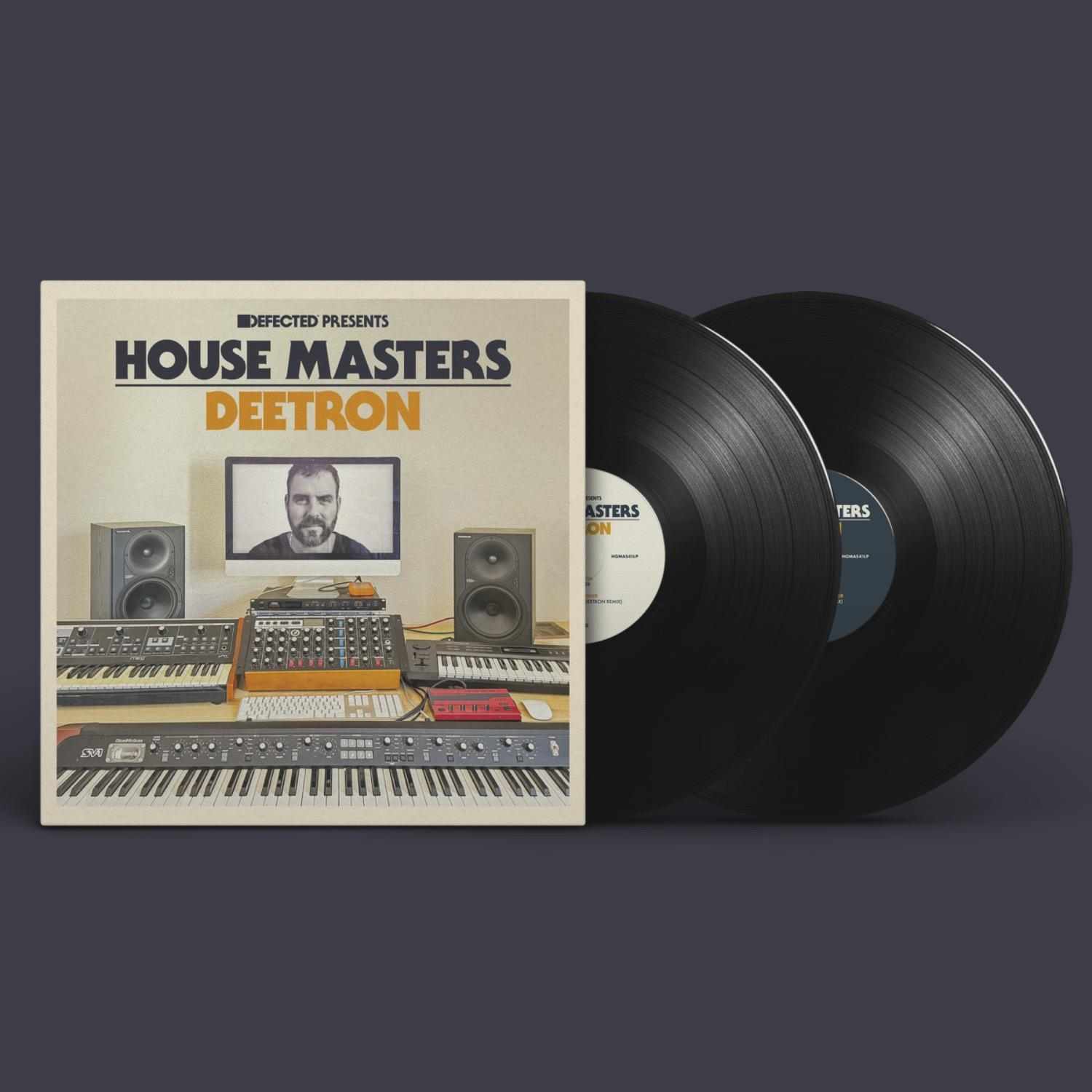
The catalogue continues to evolve alongside house music itself. Recent Defected releases include music from Melé, Oden & Fatzo, Jonas Blue and Wh0, Denis Sulta and Capri, while the label continues to revisit its heritage through projects such as the House Masters series.
This balance between history and contemporary production is central to the label’s longevity. Defected can simultaneously introduce newer audiences to classic house records and provide established artists with a platform for new material. The arrival of artists from different scenes and generations ensures that the catalogue remains connected to the changing character of global dance music.
The label’s relationship with artists such as Todd Edwards also demonstrates the continuing importance of musical heritage. Edwards, whose production techniques influenced later generations of electronic artists and helped shape the development of UK garage and other styles, has recently been brought further into the Defected catalogue through archival and contemporary projects.
Why Defected Remains Important to House Music Culture
The history of Defected Records ultimately reflects a wider story about the development of house music from underground club culture into a worldwide cultural phenomenon. The label did not invent house music, nor does its catalogue represent every strand of the genre. Its importance lies instead in the way it has consistently connected different parts of the culture: independent records, established artists, emerging producers, DJs, clubs, festivals, radio and international audiences.
That continuity is particularly relevant in an era when music discovery is increasingly fragmented across streaming platforms and social networks. Defected’s identity provides listeners with a recognisable curatorial framework, while its archive connects contemporary house music with earlier generations of artists and recordings.
Its current activities show that this model remains active rather than purely nostalgic. With new releases, international events, Ibiza programming and specialist projects continuing in 2026, Defected operates simultaneously as a label, cultural platform and global house-music community. More than a quarter of a century after its creation, its story remains closely intertwined with the evolution of modern house culture.

Frequently Asked Questions
When was Defected Records founded?
Defected Records was established in 1999 by Simon Dunmore. The label was initially funded by London’s Ministry of Sound and its first release was Soulsearcher’s “Can’t Get Enough”, which reached No. 5 on the UK singles chart.
Who founded Defected Records?
Defected was founded by Simon Dunmore, a British A&R executive who had previously worked with dance labels including Cooltempo and AM:PM. His experience in both underground dance music and the commercial record industry shaped the label’s early direction.
What type of music does Defected Records release?
Defected specialises primarily in house music and encompasses a broad range of styles including vocal house, deep house, soulful house, disco-influenced productions and contemporary club music. Its catalogue also includes recordings connected with several related dance-music traditions.
Is Defected Records still active in 2026?
Yes. Defected remains an active independent music company in 2026, releasing new records, operating its radio and digital platforms, and presenting international events. Its current release catalogue includes artists such as Melé, Oden & Fatzo and Jonas Blue and Wh0.
Where does Defected Records host events?
Defected operates events internationally, including club nights, festivals and destination events. In 2026, its programme includes a Thursday residency at Chinois Ibiza from 7 May to 8 October, Defected Malta, and an Amsterdam Dance Event party at Thuishaven on 22 October.
Official website: Defected Records
By Luxury Magazine Editorial Team.