
Healthy dining in Turkey does not have to begin with a wellness menu.
Long before luxury resorts introduced nutrition consultations, plant-forward tasting menus and personalized meal plans, many Turkish regional cuisines were already built around ingredients now associated with contemporary wellness dining. Olive oil, vegetables, legumes, yogurt, grains, herbs and seasonal fruit appear throughout the country’s culinary traditions, while coastal regions add abundant fish and seafood.
The Aegean provides perhaps the clearest example. Vegetables slowly cooked in olive oil, plates of wild greens dressed with lemon, grilled fish, beans, tomatoes, yogurt and seasonal produce can create a meal that feels both generous and relatively uncomplicated. The region’s cuisine is particularly notable for its reliance on fresh ingredients and olive oil rather than heavy seasoning. (Go Türkiye)
At the same time, a newer form of culinary wellness is developing within Turkey’s luxury hospitality sector. Here, food is increasingly considered alongside movement, sleep, stress management and spa treatments. Some resorts grow ingredients in their own gardens, while dedicated wellness retreats may coordinate meals with a guest’s wider program.
The interesting story is therefore not that Turkey is suddenly discovering healthy food. Rather, traditional food culture and contemporary wellness hospitality are beginning to meet.
Turkey’s Natural Connection Between Food and Wellbeing
Turkish cuisine is too diverse to describe through a single nutritional formula. The food of the Black Sea differs substantially from southeastern Anatolia, just as Istanbul’s culinary traditions differ from those of İzmir or Bodrum.
Nevertheless, several characteristics make parts of Turkish cuisine particularly compatible with contemporary ideas about balanced dining.
Seasonality remains important. Fresh vegetables, fruit and herbs appear prominently when they are naturally abundant, while drying, fermenting and preserving have traditionally extended seasonal ingredients through other parts of the year. Olive-oil dishes form another major category, particularly in western Turkey. (Go Türkiye)
Legumes also deserve attention. Chickpeas, lentils and beans appear in soups, salads, stews and meze. Yogurt accompanies vegetables and savory dishes, while bulgur provides an alternative grain base for salads, pilafs and stuffed vegetables.
Most importantly, these ingredients do not need to be presented as “health food.”
They belong naturally at the Turkish table.
This distinction matters for luxury travelers. Culinary wellness becomes considerably more interesting when it allows guests to understand the destination rather than isolating them inside an international wellness diet that could be served anywhere.
A plate of Aegean greens, local olive oil and freshly grilled fish can connect wellbeing with geography, season and culinary heritage simultaneously.
The Aegean Approach to Olive Oil, Vegetables and Wild Herbs
If one region illustrates the relationship between Turkish gastronomy and contemporary wellness particularly clearly, it is the Aegean.
Olive cultivation shapes both the landscape and the kitchen. Olive-oil dishes, known broadly as zeytinyağlılar, include vegetables, beans and stuffed preparations that can be served at room temperature and often appear among a selection of meze.
Turkey is one of the world’s major olive-growing countries, while different production areas produce oils with distinctive characteristics. Extra-virgin and early-harvest oils are particularly valued for serving uncooked or as finishing oils. (Go Türkiye)
Wild herbs add another layer.
Depending on the season and location, Aegean tables may include şevket-i bostan (blessed thistle), arapsaçı (wild fennel), deniz börülcesi (samphire), mallow, nettle and other greens. Preparation is frequently straightforward: boiling or sautéing followed by olive oil, lemon, garlic or yogurt. (Go Türkiye)
That simplicity is important.
Wellness cuisine sometimes becomes overly complicated, with unfamiliar powders, supplements and ingredients imported from across the world. In contrary, the Aegean model offers almost the opposite philosophy: begin with good seasonal produce and interfere with it relatively little. A summer lunch might therefore combine tomatoes and cucumber, grilled vegetables, wild greens, beans, yogurt, seafood and fruit.
None of these dishes needs to be marketed as a detox because their appeal lies primarily in taste.
For luxury hospitality, this provides an important lesson. Healthy dining becomes more convincing when pleasure remains central to the experience.
Traditional Turkish Foods Within Contemporary Wellness Dining
Several traditional categories fit naturally into a wellness-conscious meal without requiring chefs to reinvent Turkish cuisine.
Meze is one of the most flexible.
A table can include yogurt-based dishes, roasted aubergine, beans, artichokes, vegetable preparations, herbs and seafood. Because several plates are shared, guests can also create variety without necessarily ordering several large individual courses.
However, meze should not automatically be described as “healthy.” Some preparations contain considerable oil, salt or rich ingredients, and portions can quickly accumulate during a long meal.
The advantage is choice.
Similarly, grilled fish is one of the easiest ways to build a relatively simple coastal meal. Depending on season and availability, it can be accompanied by greens, salads and vegetables rather than elaborate sauces.
Legume-based dishes provide another useful component. Lentil soup, bean salads and chickpea preparations have long been part of everyday Turkish food rather than additions created to satisfy current plant-based trends.
Yogurt and ayran are equally embedded in the national food culture, while bulgur appears across numerous regional dishes.
Then there is breakfast.
A traditional Turkish breakfast can become an enormous feast, but its individual components also demonstrate the diversity of the cuisine: tomatoes, cucumber, olives, cheese, eggs, yogurt, fruit and bread can all appear on the same table.
The objective for wellness-conscious travelers is therefore not to identify supposedly perfect foods.
It is to recognize how easily a balanced meal can be assembled from dishes that already belong to Turkish culinary culture.
Farm-to-Table Dining Gives Wellness a Sense of Place
The relationship between local sourcing and wellness is particularly visible around Urla, west of İzmir.
Over the past several years, the area has developed into one of Turkey’s most interesting gastronomic destinations. Vineyards, olive groves and agricultural land surround restaurants that increasingly connect fine dining directly with local production.
This makes Urla particularly relevant to culinary wellness because it demonstrates that luxury and ingredient transparency can coexist.
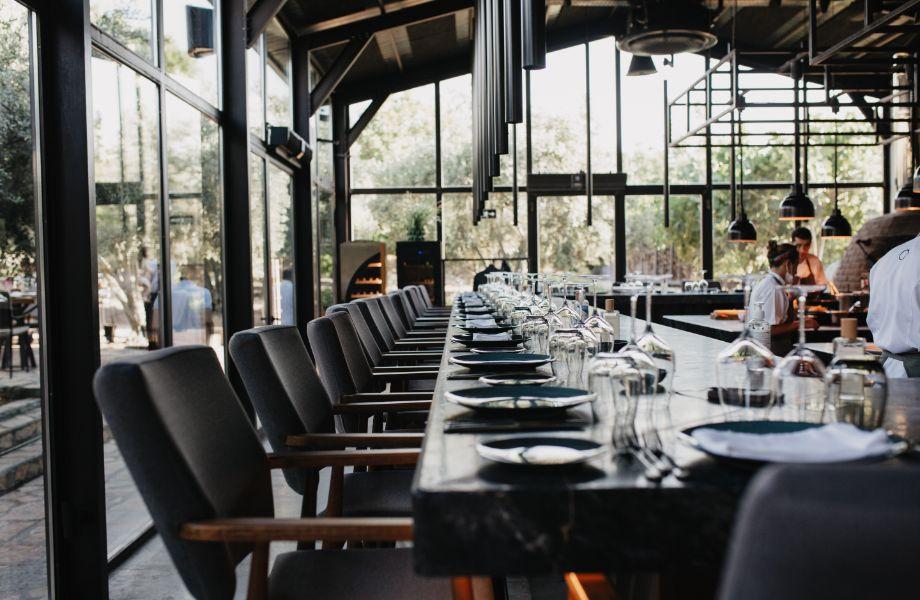
At OD Urla, chef Osman Sezener has built a substantial part of the restaurant’s identity around its surrounding agricultural environment. National Geographic has reported that many ingredients, including dairy, eggs and meat, come from the restaurant’s extensive farmland, while dining takes place within an olive-grove setting.
This represents a different form of wellness dining from the retreat model.
There may be no calorie targets, prescribed juices or scheduled nutrition consultations. Instead, the value comes from understanding where ingredients originate, eating according to the season and allowing the surrounding landscape to become part of the meal.
Urla’s vineyards add another dimension. Wine obviously does not need to be positioned as a health product, and moderation matters. Yet vineyard dining can still belong within a broader slow-travel philosophy when the emphasis is on provenance, landscape, craftsmanship and deliberate consumption rather than excess.
This is why farm-to-table gastronomy can sit comfortably within a luxury wellness itinerary without needing to call itself wellness cuisine.
Luxury Resorts Are Reinventing Wellness Cuisine
The resort interpretation is more deliberate.
At Six Senses Kaplankaya, food forms part of the wider Six Senses wellness philosophy rather than operating independently from it.
The brand’s Eat With Six Senses approach emphasizes natural ingredients and techniques such as fermentation while reducing reliance on refined sugar. The philosophy is designed to combine nutrition with enjoyment rather than treating wellness food as a restrictive category. Six Senses also notes that elements of this approach, including fermented preparations, are available at Kaplankaya. (Six Senses)
Kaplankaya is especially relevant because its environment makes it possible to connect food with the rest of the wellness stay. A guest might combine movement, spa therapies and time outdoors with meals designed according to the resort’s broader food philosophy.
This is a meaningful development in luxury hospitality.
Historically, hotel wellness could be fragmented. The spa encouraged healthy living, while restaurants operated according to an entirely separate philosophy. Contemporary wellness resorts increasingly attempt to connect those experiences.
Nevertheless, the best versions avoid turning every meal into a nutritional lecture.
A guest traveling to the Turkish coast still wants dinner to feel like dinner.
Taste, atmosphere, service and a sense of occasion remain essential.
The success of luxury wellness cuisine therefore depends on making healthier choices feel desirable rather than obligatory.
Dedicated Retreats Take Nutrition Further
Dedicated wellness retreats approach food differently because guests frequently arrive with a specific objective.
TheLifeCo Bodrum, for example, places nutrition within a wider retreat structure rather than treating meals simply as hotel dining. Programs can combine dietary approaches with professional guidance, movement, mindfulness and other wellness activities.
This allows food to become part of a coordinated daily routine.
The difference from a conventional luxury resort is substantial.
At a resort, guests might choose a wellness-oriented breakfast and then dine freely later in the day. Within a dedicated program, the meals may instead be designed around the philosophy and objectives of the retreat.
That approach appeals to travelers who actively want structure.
However, it also makes careful evaluation more important.
“Detox,” “cleanse,” “reset” and similar terms are used widely across the international wellness industry, but they do not describe one standardized nutritional method. A program might simply remove alcohol and highly processed foods while emphasizing vegetables and hydration. Another might involve fasting or significant caloric restriction.
Travelers should therefore look beyond the program name.
Before booking, it is worth understanding what meals actually contain, whether fasting is involved, how individual dietary requirements are accommodated and what professional oversight is available. Anyone managing a medical condition or considering a substantially restrictive program should discuss it with an appropriate healthcare professional.
Luxury presentation should never replace informed decision-making.
Plant-Forward Dining Does Not Need to Abandon Turkish Tradition
The growth of vegetarian and vegan dining presents an interesting opportunity for Turkish hospitality because plant-forward food does not need to be imported into the cuisine.
Much of the foundation already exists.
The Aegean repertoire alone includes stuffed vegetables, vine leaves, beans, aubergine dishes, artichokes, wild greens, salads and numerous olive-oil preparations. GoTürkiye similarly identifies olive oil, fresh vegetables and herbs as fundamental elements of plant-based Aegean food culture. (Go Türkiye)
This gives chefs considerable freedom.
Instead of relying on highly processed substitutes, they can reinterpret traditional dishes using vegetables, pulses, grains, herbs and local olive oils. That is particularly appropriate for luxury hotels attempting to create a stronger sense of place.
An international traveler does not necessarily need another avocado-based wellness breakfast identical to one available in Los Angeles, London or Dubai. Because they are in Turkey, the more interesting experience may be seasonal tomatoes with local cheese, herbs with olive oil and lemon, a warm vegetable dish, yogurt, fruit and good bread.
Culinary wellness becomes culturally meaningful when it preserves that distinction.
Seafood Connects Coastal Dining With Simplicity
Turkey’s long coastline makes seafood another natural component of wellness-conscious dining, particularly around the Aegean and Mediterranean.
The strongest approach is often the simplest.
Fresh fish grilled whole and served with lemon, greens and vegetables needs relatively little intervention. Seasonal seafood can also appear among meze, although preparation methods vary considerably.
The experience is as much cultural as nutritional.
In coastal destinations such as Bodrum, Gümüşlük, Çeşme and Alaçatı, dinner may unfold slowly over several hours. Small dishes arrive first, followed by fish selected for the table. Conversation determines the pace rather than a formal sequence of courses.
That social dimension should not be excluded from discussions of culinary wellness.
Food affects wellbeing not only through nutrients. How people eat matters too.
Turkish dining culture frequently emphasizes sharing and extended conversation, particularly around meze. Official Turkish gastronomy material similarly highlights the social importance of gathering around food. (Go Türkiye)
A wellness holiday therefore does not have to replace convivial dining with solitary controlled meals.
In many cases, slowing the meal down may be one of the most valuable changes a traveler makes.
Culinary Wellness Is Also About How Guests Eat
The wellness industry frequently concentrates on ingredients: what should be added, removed, substituted or measured.
Turkey provides an opportunity to consider another dimension.
Meals are often social and unhurried. Several dishes may be placed at the center of the table rather than assigned individually. Seasonal availability can influence what is ordered, particularly at fish restaurants and produce-driven kitchens.
For travelers accustomed to eating quickly between appointments, that change of pace can itself become meaningful.
A long lunch under olive trees in Urla, breakfast overlooking the Aegean or an evening meze table beside the sea creates distance from the hurried patterns of everyday eating.
This is where culinary wellness and luxury travel intersect most convincingly.
Luxury does not necessarily mean adding more ingredients or more courses. Sometimes it means having the time to eat properly, understanding where the ingredients came from and enjoying them in a setting that encourages attention rather than distraction.
Healthy Dining Without Sacrificing the Pleasure of Turkish Cuisine
There is a danger in discussing wellness food only through restriction.
Turkey demonstrates why that approach is unnecessary.
A traveler can eat consciously while still exploring regional cuisine. The objective is not to transform every restaurant into a wellness retreat or evaluate every dish according to a nutritional score.
Instead, choices can shift naturally.
At breakfast, fresh fruit, tomatoes, cucumber, eggs, yogurt and olives can sit alongside bread and pastries.
At lunch, olive-oil vegetables, beans and greens can become the center of the meal rather than merely side dishes.
At dinner, grilled seafood can follow several vegetable-based meze.
Dessert can still have a place, particularly when it is something regional worth experiencing.
Similarly, a wine tasting in Urla does not invalidate an otherwise wellness-focused holiday. Nor does an elaborate tasting menu.
Balance is more useful than perfection.
This philosophy is particularly appropriate in Turkey because hospitality is central to the dining experience. Refusing everything pleasurable in pursuit of an abstract idea of clean eating can create distance from the very culture a traveler has come to experience.
Culinary wellness works better when it expands the experience rather than narrowing it.
Choosing a Culinary Wellness Experience in Turkey
Travelers should first decide how central nutrition is to the purpose of their trip.
For someone primarily interested in gastronomy, destinations such as Urla offer an excellent balance between local sourcing, fine dining, agricultural landscapes and slower travel.
For a luxury resort holiday where wellness forms one part of the experience, properties such as Six Senses Kaplankaya can connect food with spa, movement and broader wellbeing without making the entire stay revolve around nutrition.
For travelers who actively want dietary structure, a dedicated wellness retreat provides a more controlled environment.
The Turkish Aegean is particularly effective for travelers who prefer a less formal interpretation.
Olive groves, markets, vegetable-rich meze, seafood, herbs, vineyards and farm-led restaurants make it possible to build a food-focused journey that feels naturally connected with wellbeing.
Ultimately, healthy dining and culinary wellness in Turkey are most interesting when they stop being separate concepts.
Traditional cuisine already provides many of the ingredients. Contemporary chefs and wellness resorts are simply reorganizing them for a new generation of travelers—one increasingly interested not only in how a meal tastes, but also where it comes from, how it is prepared and how it fits into the wider rhythm of a journey.
Frequently Asked Questions
Is traditional Turkish cuisine suitable for healthy dining?
Many Turkish dishes can fit naturally within a balanced style of eating, particularly those based on vegetables, legumes, olive oil, yogurt, grains, herbs and simply prepared seafood. However, Turkish cuisine is extremely diverse, so individual dishes and preparation methods vary considerably. (Go Türkiye)
Which region of Turkey is particularly good for wellness-conscious dining?
The Aegean is one of the strongest choices because olive oil, vegetables, wild herbs, legumes and seafood feature prominently in regional food culture. Urla is particularly interesting for travelers seeking farm-to-table gastronomy, while Bodrum and the surrounding coast combine seafood and Aegean cuisine with luxury wellness hospitality. (Go Türkiye)
What are zeytinyağlı dishes in Turkish cuisine?
Zeytinyağlılar are dishes prepared with olive oil, often involving vegetables, beans or stuffed preparations. They are particularly associated with western Turkish and Aegean cooking and are frequently served cool or at room temperature as part of a larger meal.
Can vegetarian and vegan travelers eat well in Turkey?
Yes. Particularly in the Aegean, traditional cuisine already includes numerous plant-based dishes made with vegetables, herbs, beans, olive oil, stuffed vine leaves and grains. Travelers should still confirm ingredients because some apparently vegetable-based dishes can contain meat stock, dairy or other animal products. (Go Türkiye)
Do luxury wellness resorts in Turkey offer specialized healthy menus?
Some do. Six Senses incorporates its wider Eat With Six Senses philosophy into its hospitality approach, emphasizing natural ingredients and techniques such as fermentation while limiting refined sugar. Dedicated wellness retreats can take nutrition considerably further by coordinating meals with a structured program. (Six Senses)
By Luxury Magazine Editorial Team