
The Evolution of the Luxury Spa Ritual
Luxury spa experiences have evolved beyond the traditional massage appointment into carefully structured rituals that combine professional techniques, sensory details and individual attention. In the world’s leading hotel spas, the experience may begin with a consultation and a personalised welcome, continue through bodywork or advanced skincare, and conclude with time to relax in a quiet lounge or thermal facility.
The distinction lies in the way each element contributes to the overall experience. Premium products and elegant interiors establish the atmosphere, but the quality of the treatment depends on the therapist’s expertise, the suitability of the chosen techniques and the ability to adapt the session to the individual.
A bespoke ritual might combine a body exfoliation with an aromatic massage, while a facial experience could include cleansing, targeted exfoliation, massage and a mask selected according to the skin’s needs. Longer programmes may bring several treatments together, creating a continuous experience rather than a series of unrelated services.
This approach is evident at properties such as Raffles Spa in Singapore, where Asian-inspired rituals sit alongside professional facial treatments, hydrothermal facilities and holistic wellness practices. Its Sumatra Healing Ceremony, for example, combines traditional herbs, body exfoliation and Indonesian massage, illustrating how a signature experience can draw on regional influences while retaining the structure of a contemporary luxury spa treatment.
The growing emphasis on personalisation also reflects a more informed spa guest. Visitors increasingly want to understand the purpose of a treatment, the techniques involved and how the experience can be adapted to their preferences. Rather than choosing a service simply because it sounds indulgent, they may consider whether they need muscular relaxation, a gentler sensory experience, professional skincare or a longer period devoted to rest.
The most memorable luxury spa rituals therefore combine three elements: technical competence, a coherent treatment philosophy and a sense of individual care. When these work together, the experience becomes more than a temporary escape from everyday life. It becomes a considered approach to personal wellbeing.
Bespoke Massages: The Art of Personalised Bodywork
Massage remains one of the defining elements of luxury spa culture, but its quality depends on far more than the length of the appointment or the oils used. A genuinely bespoke massage is shaped around the guest’s preferences, comfort, desired pressure and areas of tension, with the therapist adapting the treatment rather than following an inflexible routine.
Different massage techniques serve different purposes. Swedish-style massage generally uses flowing movements associated with relaxation, while deeper tissue techniques apply more focused pressure to selected areas. Aromatherapy massage incorporates scented oils as part of the sensory experience, and traditional Asian bodywork may use distinct sequences of pressure, stretching and rhythmic movements.
The appropriate approach depends on the individual. A traveller recovering from a long flight may prefer a gentler session, while someone experiencing muscular tension might ask about more targeted bodywork. The therapist should establish expectations before beginning, including pressure preferences, areas to avoid and any relevant injuries or health considerations.
Luxury hotel spas increasingly distinguish themselves through signature massage programmes that combine these techniques with individual consultation and carefully selected products. At The St. Regis Spa Singapore, for example, Caroline’s Collection includes treatments that integrate body exfoliation, full-body massage and facial care into longer experiences. The three-hour The 400 ritual combines a body scrub, an aromatic massage and a facial, illustrating how a massage can become one stage of a more comprehensive spa journey.
The atmosphere also contributes to the experience. Lighting, temperature, music, linens and the therapist’s manner all influence whether a guest can settle comfortably into the treatment. These details should support the massage rather than distract from it, allowing the therapist’s technique to remain central.
A bespoke massage does not necessarily need to be long or elaborate. A well-executed 50-minute session that addresses the guest’s priorities may be more suitable than a complex ritual that does not match their needs. What distinguishes the luxury experience is the attention given to selecting and delivering the treatment appropriately.
Advanced Facials: Professional Skincare Meets Personalisation
Facials have become an increasingly sophisticated part of the luxury spa experience. Modern treatment menus may combine traditional hands-on techniques with professional skincare formulations, targeted exfoliation, specialised masks and selected technologies. The objective is not simply to create a moment of relaxation, but to address the appearance and condition of the skin through a treatment suited to the individual.
The first step should be an appropriate consultation. Skin can vary in sensitivity, hydration, oil production and tolerance of active ingredients. A treatment that suits one person may be unsuitable for another, particularly when there is a history of irritation, a compromised skin barrier or a recent cosmetic procedure.
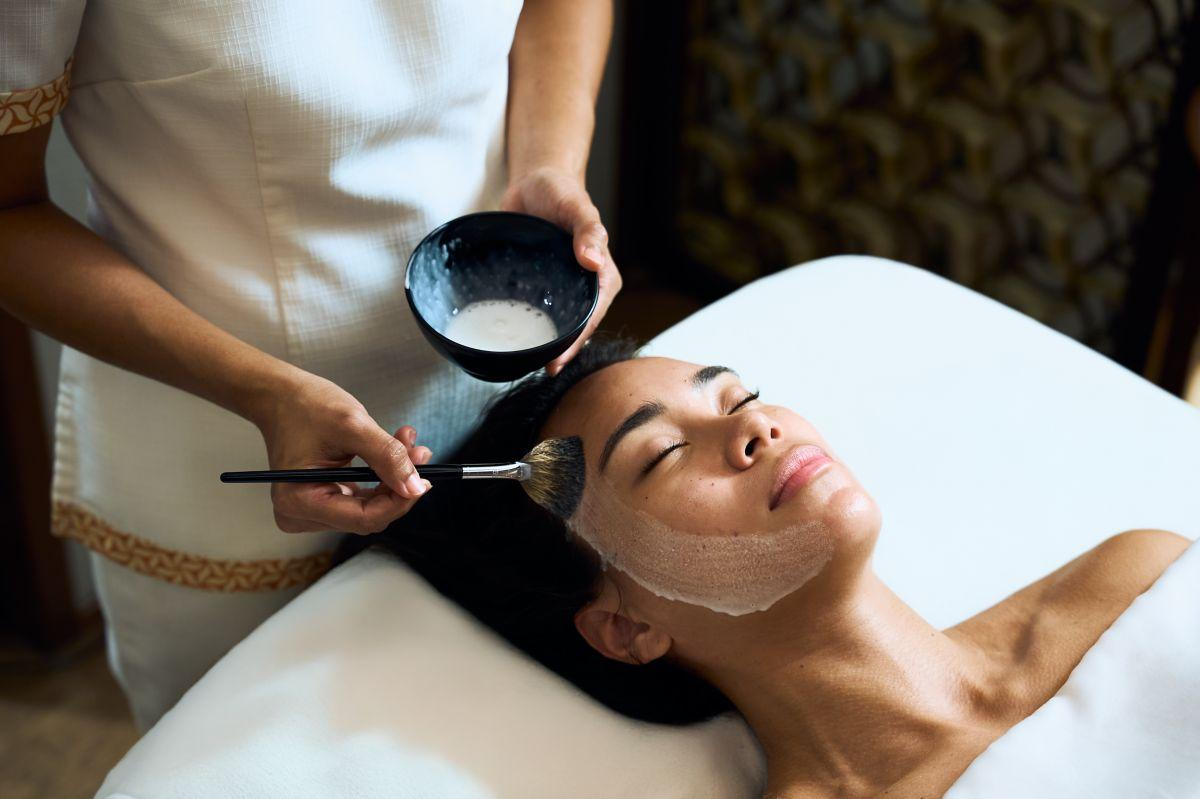
A conventional luxury facial typically involves cleansing, an assessment of the skin, selected exfoliation, massage and the application of suitable masks or finishing products. More advanced options may incorporate ingredients such as alpha-hydroxy acids, specialised serums or bio-cellulose masks, depending on the treatment and the professional products used.
The St. Regis Spa Singapore’s Illuminate & Lift treatment illustrates this approach. Its published menu describes a 90-minute facial incorporating alpha-hydroxy acids, facial massage, a bio-cellulose mask, rose stem cells and porcelain flower oil. The treatment is positioned around the appearance of smoother, more radiant skin. As with any professional facial, actual results depend on the individual’s skin and the suitability of the treatment.
Another example is Raffles Spa, which offers skincare treatments using brands including Omorovicza and Biologique Recherche. These provide different approaches to professional skincare, from mineral-focused formulations to products selected within more individualised treatment programmes.
Advanced facials should not be confused with medical dermatology. While a professional spa facial may improve the temporary appearance of hydration, smoothness and radiance, it cannot be assumed to treat a medical skin condition or reproduce the results of a clinical procedure. Strong exfoliants and other active ingredients may also require precautions, depending on skin sensitivity and recent treatments.
For guests seeking a more considered skincare experience, the best starting point is a consultation rather than the most intensive treatment on the menu. Discussing skin concerns, sensitivities, current products and recent procedures helps the therapist select an appropriate approach. This is especially important when a facial includes exfoliating acids or other potentially irritating ingredients.
The value of an advanced facial lies in combining professional knowledge with carefully chosen products and techniques. Technology and premium formulations may contribute to the experience, but the quality of the assessment and the suitability of the treatment remain essential.
Sensory Body Rituals: Exfoliation, Oils and Aromatic Ingredients
Body rituals extend the spa experience beyond massage by combining several stages of treatment. Exfoliation, aromatic oils, body wraps and moisturising products can be arranged into a sequence designed to leave the skin feeling smoother while creating a more immersive sensory experience.
Exfoliation is often the starting point. Depending on the formulation, a body scrub may use sugar, salt or other particles to help remove surface dead skin cells. This can temporarily improve the feel and appearance of the skin, although the intensity should be appropriate to the individual’s skin condition. Excessive friction or frequent aggressive exfoliation can cause irritation, particularly for sensitive or recently treated skin.

A massage may follow, using oils selected for their texture, fragrance or skin-conditioning properties. The choice of scent can influence the character of the ritual: floral notes may create a softer sensory profile, while herbal or citrus notes can produce a fresher impression. Fragrance preferences and sensitivities should be discussed before treatment, especially when essential oils are involved.
Body wraps and masks introduce another stage. Depending on the product, these may focus on conditioning the skin or creating a warming, cooling or aromatic experience. Claims about detoxification or dramatic changes to body composition should be treated cautiously; a spa body treatment should not be confused with a medical intervention or a substitute for evidence-based health care.
Signature hotel rituals often distinguish themselves through the way these stages are combined. At Raffles Spa, the Sumatra Healing Ceremony brings together traditional herbs, exfoliation and Indonesian massage. At The St. Regis Spa Singapore, the Flawless Garden Rose treatment combines a body scrub with a full-body massage using porcelain flower oil. Both demonstrate how a sequence of treatments can create a more distinctive experience than a single service.
The order of treatments matters because each stage prepares the guest for the next. Exfoliation can precede massage, while the final application of moisturising products helps complete the body-care sequence. The therapist should adjust the ritual to the guest’s comfort and avoid combining techniques that may be too intensive for the skin.
For those planning a full spa day, a body ritual can also be paired with time in a relaxation lounge or other facilities. However, thermal experiences should be selected according to personal tolerance and the spa’s guidance, rather than added automatically to every treatment.
Ultimately, sensory body rituals are about the relationship between technique, texture, scent and sequence. When thoughtfully designed, they create a coherent experience that engages the senses while maintaining a clear focus on comfort and appropriate skin care.
Thermal Wellness and the Importance of the Spaces Between Treatments
A luxury spa ritual does not always end when the massage or facial is complete. Thermal facilities and dedicated relaxation areas can extend the visit, allowing guests to move between treatments, warmth and quiet without returning immediately to the pace of everyday life.
Saunas, steam rooms, heated loungers and hydrotherapy pools each create a different environment. A Finnish sauna uses dry heat, while a steam room provides humid warmth. Heated loungers offer a quieter place to rest, and warm-water facilities introduce a different sensory experience. Their availability and use vary from one spa to another.

At The St. Regis Spa Singapore, the Wet Lounge includes cedarwood Finnish saunas, eucalyptus-scented steam rooms, heated wave loungers and indoor and outdoor Jacuzzi pools. Raffles Spa Singapore offers a different combination, including a herbal sauna, aromatherapy steam room, vitality pool and ice fountain. These facilities allow guests to extend their visit beyond the treatment room, subject to the property’s access policies.
The relationship between thermal facilities and treatment is important. Some guests enjoy using a sauna before a massage, while others prefer to relax afterwards. There is no single sequence suitable for everyone, and a spa’s recommendations should take precedence over a rigid routine. Prolonged heat exposure may cause dehydration, dizziness or discomfort, particularly for people with certain health conditions.
It is therefore worth asking about the recommended duration and whether thermal access is included with the selected treatment. Guests who are pregnant, have cardiovascular conditions or have been advised to limit heat exposure should seek appropriate medical advice before using saunas or other high-temperature facilities.
The quieter spaces are equally valuable. A relaxation lounge provides an opportunity to sit comfortably, hydrate and allow the experience to conclude at a natural pace. This transition is one of the less visible aspects of luxury spa design, yet it can make the difference between a hurried appointment and a visit that feels genuinely restorative.
For travellers, thermal facilities may also be an attractive way to structure a longer wellness afternoon. Rather than adding several intensive treatments, it may be preferable to choose one suitable service and leave enough time to enjoy the surrounding facilities without rushing.
The Bespoke Spa Experience: From Consultation to Aftercare
The most successful spa experiences begin before the treatment itself. A thoughtful consultation establishes the guest’s preferences, identifies any relevant sensitivities and helps the therapist choose an appropriate approach. This stage is especially important when a treatment involves intensive massage, exfoliation, active skincare ingredients or several services performed in sequence.
For a massage, the discussion may cover preferred pressure, areas of tension and movements that should be avoided. For a facial, the therapist may ask about skin sensitivity, current skincare products and recent cosmetic procedures. Guests should share relevant information honestly, allowing the spa team to adapt the service or recommend an alternative where necessary.
Personalisation also involves setting realistic expectations. A relaxing massage may help ease the sensation of muscular tension, but it should not be presented as a guaranteed treatment for a medical condition. Similarly, a facial can improve the temporary appearance of hydration and smoothness without promising permanent changes to skin structure.
The treatment itself should remain responsive. Guests should feel comfortable asking for adjustments to pressure, room temperature, positioning or fragrance. A bespoke experience is not defined by a complicated menu; it is defined by the willingness and ability to make the treatment appropriate for the person receiving it.
Aftercare completes the process. Following a massage or body treatment, guests may prefer a period of rest and hydration. After exfoliating facials, it may be appropriate to follow the therapist’s guidance on moisturising, sun protection and temporarily avoiding other potentially irritating products. Recommendations should reflect the actual treatment performed rather than a generic list of instructions.
For travellers booking a luxury spa experience, practical preparation matters as well. Allowing time for arrival, checking cancellation policies and confirming whether access to shared facilities is included can help avoid unnecessary pressure on the day. Longer rituals should be scheduled with sufficient time afterwards rather than squeezed between appointments.
This attention to the complete guest journey distinguishes a well-designed spa experience from a collection of premium services. The consultation, treatment, environment and aftercare all contribute to the final impression, while professional judgement ensures that the experience remains appropriate to the guest’s needs.
Choosing a Luxury Spa Ritual That Suits Your Needs
The right luxury spa ritual depends on what the guest wants from the experience. A bespoke massage may be the most appropriate choice for someone seeking relaxation and focused bodywork, while an advanced facial suits visitors whose priority is professional skincare. A multi-stage body ritual offers a more sensory experience, and access to thermal facilities can make a treatment appointment feel like a longer wellness escape.
It is worth considering the duration as carefully as the treatment itself. A shorter massage or facial can fit comfortably into a city itinerary, whereas a signature ritual combining exfoliation, bodywork and facial care may require several hours. Couples should also confirm whether a private suite is available and whether both guests can select different treatments.
Product selection matters, but it should not be the sole deciding factor. A well-known skincare brand or an elaborate treatment name does not automatically guarantee a better result. The therapist’s training, the suitability of the techniques and the quality of the consultation are more meaningful indicators of a thoughtfully delivered experience.
For readers exploring Singapore’s leading wellness destinations, Singapore’s Best Luxury Hotel Spas for Bespoke Wellness offers a broader comparison of hotel spas, signature rituals and thermal facilities. Those interested specifically in the combination of bodywork and professional skincare can take a look at our Singapore’s Best Luxury Spa Treatments: Massages, Facials and Signature Rituals.
The art of luxury spa rituals ultimately lies in the balance between expertise and personal attention. The most compelling experiences do not rely solely on expensive products, elaborate surroundings or lengthy treatment menus. They bring together appropriate techniques, carefully selected sensory elements and a setting that allows guests to slow down.
From a personalised massage to an advanced facial, the defining quality of a luxury ritual is the way it responds to the individual. When each stage has a clear purpose and the experience is delivered with care, wellness becomes more than an indulgence: it becomes a considered expression of modern luxury.
Frequently Asked Questions
1. What is the difference between a luxury spa treatment and a spa ritual?
A spa treatment generally refers to an individual service, such as a massage or facial. A spa ritual combines several elements into a coordinated experience, potentially including exfoliation, massage, skincare and relaxation time. The exact structure varies by spa.
2. How do I choose between a bespoke massage and an advanced facial?
Choose according to your primary objective. A bespoke massage focuses on bodywork, pressure preferences and relaxation, while an advanced facial concentrates on professional skincare and the appearance of the complexion. A consultation can help determine which treatment is suitable for your needs.
3. What should I expect during an advanced luxury facial?
A professional facial may include cleansing, skin assessment, exfoliation, massage, targeted products and a mask. More intensive treatments may use active ingredients or specialised techniques. The precise sequence depends on the treatment and your skin’s condition.
4. Are luxury spa rituals suitable for sensitive skin?
They can be, provided the treatment is selected appropriately. Guests with sensitive skin should inform the therapist about known reactions, current skincare products and recent cosmetic procedures. Exfoliation, fragrance and active ingredients may need to be avoided or adjusted.
5. Should I use a sauna before or after a massage?
There is no universal sequence that suits everyone. Some guests prefer heat before a massage, while others enjoy relaxing afterwards. Follow the spa’s guidance, avoid prolonged heat exposure and check with a healthcare professional if you have a condition that may make sauna use unsuitable.
By Luxury Magazine Editorial Team