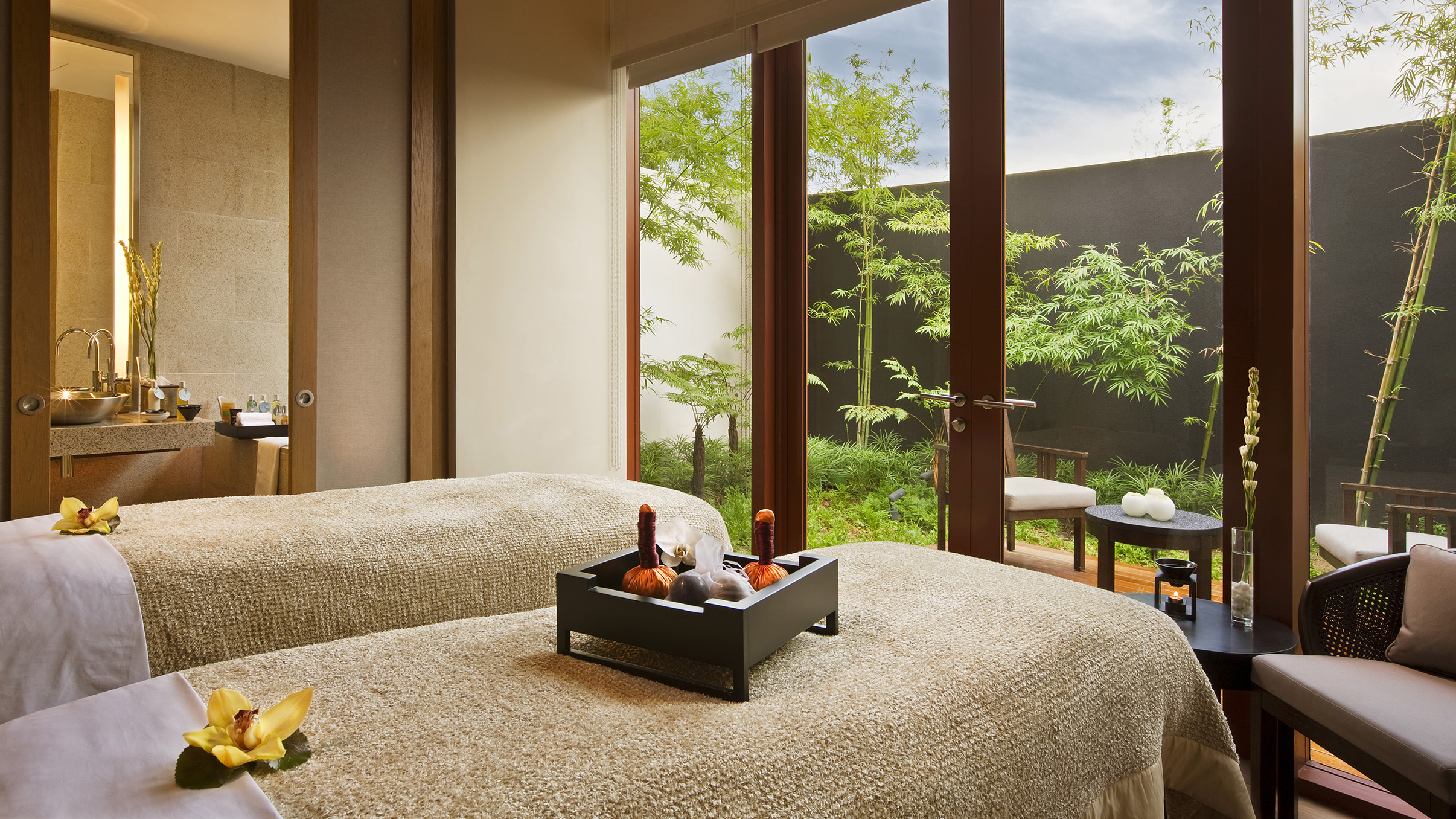
Singapore has long been associated with sophisticated hotel spas, Asian-inspired treatments and highly polished wellness facilities. Yet the city’s wellness landscape is changing. Alongside traditional massage, facial and hydrotherapy experiences, a new generation of destinations is placing greater emphasis on recovery, performance, thermal contrast, sleep, movement and longevity.
The distinction is important. Luxury wellness in Singapore is no longer limited to an afternoon spent in a treatment room. Today’s most interesting experiences can extend across several hours, combining heat and cold therapies, bodywork, fitness, diagnostics, breathwork or technology-led recovery within a single programme. Some remain firmly rooted in the rituals of the luxury spa, while others resemble private performance clubs or urban recovery houses.
For international travellers, this creates an unusually broad choice. A stay in Singapore can incorporate a classic spa ritual at a landmark hotel, a contemporary wellness programme on Sentosa, or a more specialised recovery session in the Central Business District. The result is a wellness scene that increasingly reflects the city’s wider position between Asian tradition, international hospitality and technological innovation.
From Traditional Spa Rituals to Modern Recovery
The established luxury spa remains an important part of Singapore’s wellness identity. What is changing is the breadth of what these spaces offer. Raffles Spa, for example, combines Asian-inspired treatments with hydrothermal facilities, fitness, yoga, Pilates and holistic modalities including meditation, sound therapy and reiki. Its facilities include a 25-metre outdoor pool, sauna, steam room, ice fountain and vitality pool. (Raffles Hotels & Resorts)
This approach reflects a broader understanding of wellness in which relaxation and physical activity are not treated as separate experiences. A guest might move from a massage to hydrotherapy, from a fitness session to meditation, or from a traditional treatment to a thermal ritual.
Raffles Sentosa Spa takes the concept into a more resort-oriented environment. Set within Raffles Sentosa, the spa combines massage and body treatments with yoga, mindfulness, fitness, hydrotherapy and science-oriented skincare. Its facilities include a 22-metre lap pool, steam room, infrared sauna and fitness centre, while the resort’s island setting introduces a stronger connection with nature. (Raffles Hotels & Resorts)
The distinction between the two experiences is therefore geographical as much as philosophical. Raffles Singapore offers an urban sanctuary within the historic city centre, while Raffles Sentosa provides a more resort-oriented interpretation of holistic wellbeing.
The Rise of Recovery-Focused Wellness
A more recent development is the growing presence of dedicated recovery environments. These spaces are designed around specific modalities rather than the traditional spa sequence, and often combine several technologies within one visit.
House Longevity at Raffles Place is a clear example. The urban recovery house brings together hyperbaric oxygen, red light therapy, sauna, cold immersion and performance-oriented testing. Its location inside Singapore Land Tower, approximately one minute from Raffles Place MRT, is deliberately suited to the rhythm of the city: recovery can be incorporated into a working day rather than requiring a resort stay. (House Longevity)
Its adjoining Sauna Bath House provides two saunas, a cold plunge, ice showers and a hot magnesium pool. House Longevity also offers guided Aufguss rituals, adding a more traditional European sauna culture to the technology-led recovery environment. (House Longevity)
The concept illustrates one of the defining characteristics of Singapore’s emerging wellness sector: the combination of sensory experience and measurable or structured recovery. Rather than simply providing a quiet environment, these destinations are built around particular forms of heat, cold, light, oxygen, movement and rest.
For travellers interested in this evolving side of the city, luxury wellness and recovery experiences in Singapore now extend well beyond conventional hotel spas.

AiRe Wellness at W Singapore – Sentosa Cove
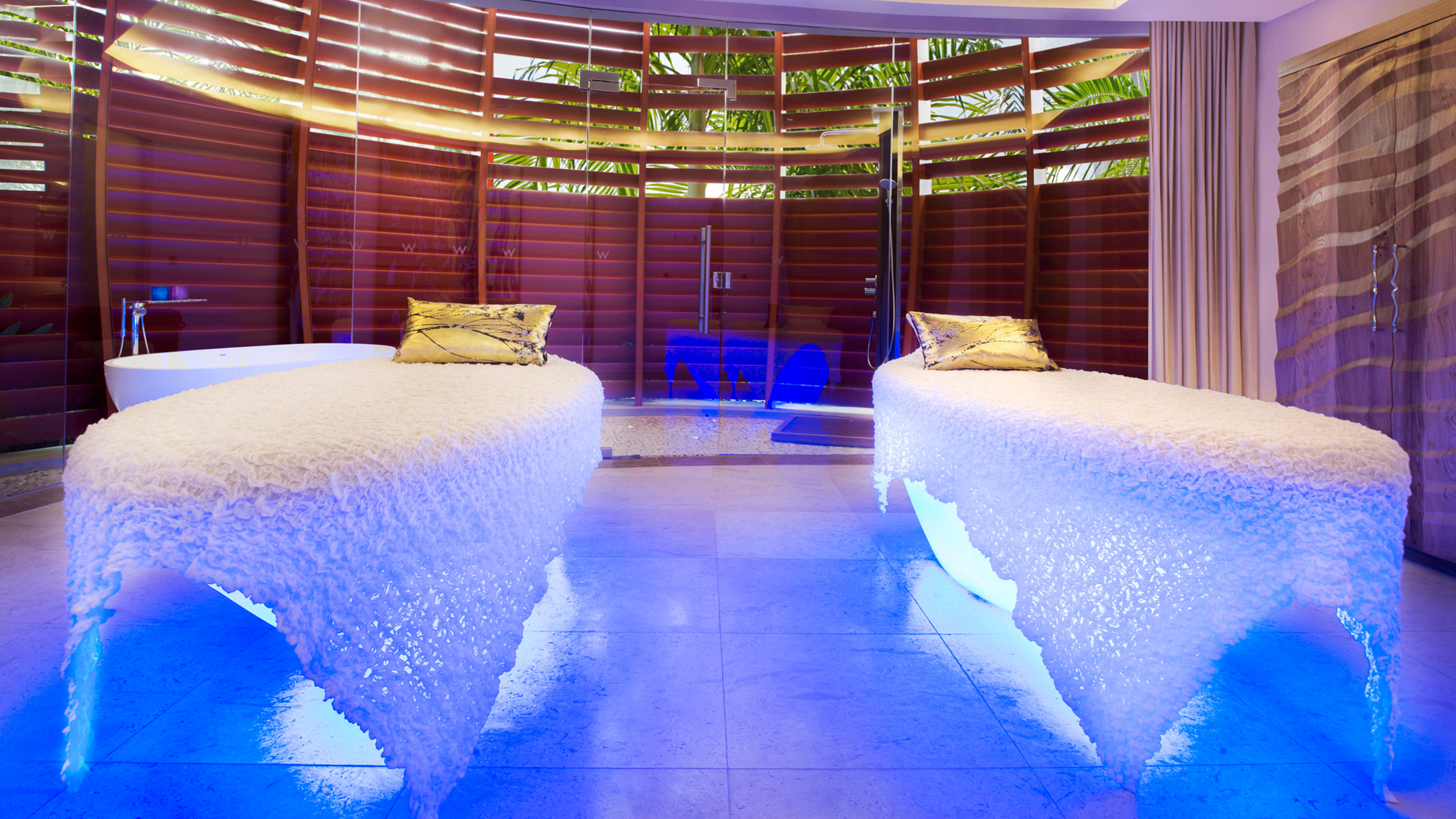
The clearest meeting point between resort luxury and advanced recovery can be found at W Singapore – Sentosa Cove. The hotel’s recently reimagined wellness offering combines AWAY Spa with AiRe Wellness, creating a broader environment that extends from traditional spa treatments to recovery and performance services.
AWAY Spa retains the sensory character expected from a luxury resort spa, with a Magnesium Whirlpool, infrared sauna, steam room, vitality pool, experiential showers, cold plunge and Refuel Recovery Room. (Marriott Bonvoy)
AiRe Wellness introduces a different dimension. Its programme is organised around five areas: Recover, Move, Connect, Optimize, and Mindfulness & Sleep. The recovery offering includes Hyperbaric Oxygen Therapy, Red Light Therapy and Compression Recovery, while Body Composition Analysis, performance assessments, personal training and movement coaching address the physical-performance side of wellness. (Marriott Bonvoy)
This makes W Singapore particularly relevant to travellers who do not necessarily want to choose between a luxury spa and a performance-oriented wellness centre. The two approaches can exist within the same destination.
The setting is also significant. Located on Sentosa Cove beside the marina, W Singapore provides the resort atmosphere associated with island wellness while maintaining access to Singapore’s more contemporary recovery culture. The result is less a traditional spa day than a broader wellness experience that can be adapted around relaxation, recovery, movement or performance.
COMO Shambhala and the Integration of Movement
Another important expression of Singapore’s wellness culture comes from COMO Shambhala, where movement and health-oriented programming sit alongside more conventional spa treatments.
The Singapore wellness centre offers Pilates and Gyrotonic sessions, mindfulness meditation, massage and facial treatments, while its health-tech facilities include infrared heat therapy, cold therapy, hyperbaric oxygen and contrast therapy. Its programmes also extend into nutrition, including a four-day, three-night Cleanse Programme developed with nutritionists.
This broader model is particularly relevant for travellers who regard wellness as part of a lifestyle rather than an isolated treatment. Movement, nutrition, recovery and relaxation can be combined according to individual interests, creating a more comprehensive programme than a conventional hotel spa appointment.
The philosophy also reflects Singapore’s role as an international business and travel hub. For visitors arriving after long-haul flights, wellness can be used to structure the beginning or end of a stay, while residents can incorporate classes, treatments and recovery sessions into a longer routine.
The emphasis is therefore not simply on indulgence. It is on creating an environment where different dimensions of wellbeing can coexist within the same destination.

Resort Wellness and the Return to Nature
Not every development in Singapore’s wellness sector is technology-led. Some of the city’s most sophisticated experiences continue to use architecture, gardens, water and natural surroundings as essential parts of the experience.
At Capella Singapore, Auriga Spa occupies a particularly tranquil position within the hotel’s 30-acre tropical estate on Sentosa. Its treatment spaces are connected to private outdoor gardens, creating a stronger relationship between treatment and landscape.
The spa is also evolving its treatment philosophy. From September 2026, Auriga Spa is introducing GROUND Wellbeing, an Irish wellness brand whose treatments include the Biome Facial, Sleep Repair Ritual and Tóg Go Bog É treatment, combining slow rhythmic techniques and grounding essential oils.
The development is significant because it demonstrates that the future of luxury wellness does not necessarily mean replacing traditional treatments with technology. Instead, established spa rituals can be refined through new approaches to sleep, touch, breathwork and sensory relaxation.

Longevity, Performance and the New Urban Wellness Club
Singapore’s newest wellness destinations increasingly occupy a space between spa, fitness club and longevity centre. MORROW, for example, describes itself as an integrated longevity destination bringing together movement, recovery, nutrition, health insights, coaching and community across a large multi-zone environment. Its recovery areas include private contrast therapy, immersion pools, thermal suites, red light therapy, hyperbaric oxygen and lymphatic compression. (morrow.health)
This model is different from a hotel spa because the emphasis is on continuity. The objective is not necessarily a single restorative afternoon but the creation of an ongoing routine combining movement, recovery and lifestyle practices.
House Longevity similarly reflects this shift, but with a more compact urban format. Its location in the CBD, dedicated recovery chambers and combination of sauna, cold plunge, red light and hyperbaric oxygen make it particularly suited to visitors who want a focused session rather than a full resort experience. (House Longevity)
The emergence of these destinations is part of a wider change in Singapore. Recent reporting has documented the growth of longevity-focused wellness centres in the city, with recovery and performance becoming increasingly prominent alongside traditional spa services. (The Straits Times)
For luxury travellers, the appeal lies in the variety of formats. A wellness itinerary can now be designed around a particular objective, whether that means slowing down after travel, recovering after physical activity, experiencing thermal rituals, maintaining a fitness routine or simply creating more space for rest.
Choosing a Wellness Experience in Singapore
The diversity of Singapore’s wellness scene makes the choice largely dependent on the kind of experience a traveller wants to create.
For a traditional luxury spa environment, destinations such as Raffles Spa and Auriga Spa retain the emphasis on treatments, atmosphere and personalised rituals. For a resort-based experience, Raffles Sentosa and W Singapore combine wellness with the wider possibilities of island hospitality. For travellers interested in movement and holistic programmes, COMO Shambhala offers a broader integration of fitness, treatments, nutrition and health-tech experiences.
The newer recovery destinations offer another direction. House Longevity, MORROW and AiRe Wellness place greater emphasis on thermal contrast, recovery technologies, performance and structured programmes. Their environments are more contemporary and, in some cases, more deliberately data-oriented.
This diversity is one of Singapore’s defining advantages as a wellness destination. There is no single model of luxury wellbeing. Instead, the city brings together heritage hospitality, tropical resort environments, Asian treatment traditions, movement practices and newer recovery technologies within a relatively compact urban landscape.
For international travellers, that makes it possible to build wellness into a Singapore itinerary without separating it completely from the rest of the journey. A morning movement session, a thermal recovery experience after sightseeing, a traditional massage or a longer spa ritual can all become part of the same stay.
The most interesting development is perhaps not the arrival of any individual technology, but the convergence of these different approaches. Singapore’s luxury wellness scene is increasingly moving from the idea of the spa as a place to escape towards wellness as an integrated part of how people travel, recover and live.
Frequently Asked Questions
What are the main types of luxury wellness experiences in Singapore?
Singapore offers traditional hotel spas, holistic wellness centres, thermal experiences, recovery studios, longevity clubs and performance-oriented facilities. Many contemporary destinations combine several of these approaches.
Where can travellers experience advanced recovery in Singapore?
AiRe Wellness at W Singapore – Sentosa Cove offers Hyperbaric Oxygen Therapy, Red Light Therapy, Compression Recovery and performance-oriented services. House Longevity in Raffles Place combines hyperbaric oxygen, red light therapy, sauna and cold immersion, while other specialised destinations offer combinations of recovery, movement and longevity services. (Marriott Bonvoy)
Is Singapore suitable for a wellness-focused luxury holiday?
Yes. The city combines luxury hotels, resort spas, dedicated wellness centres, movement studios and newer recovery destinations. Sentosa is particularly suited to resort-style wellness, while central Singapore offers more urban and performance-oriented experiences.
What is the difference between a luxury spa and a recovery centre?
A traditional luxury spa generally focuses on treatments, relaxation, bodywork, skincare and hydrotherapy. Recovery centres tend to place greater emphasis on thermal contrast, performance, recovery technologies, diagnostics and structured programmes. Some destinations, such as W Singapore, combine both approaches.
Can wellness experiences be combined with a luxury hotel stay?
Yes. Several of Singapore’s leading luxury hotels operate substantial wellness facilities, while destinations such as W Singapore and Capella Singapore integrate spa experiences directly into resort stays. Dedicated urban recovery centres can also be incorporated into an itinerary independently of the hotel.
Are these treatments medical services?
Not necessarily. Many of the experiences described by wellness operators are offered as wellness services rather than medical treatments, and individual experiences can vary. Guests should check with the relevant provider about suitability, contraindications and professional guidance before undertaking any specialised treatment.
By Luxury Magazine Editorial Team