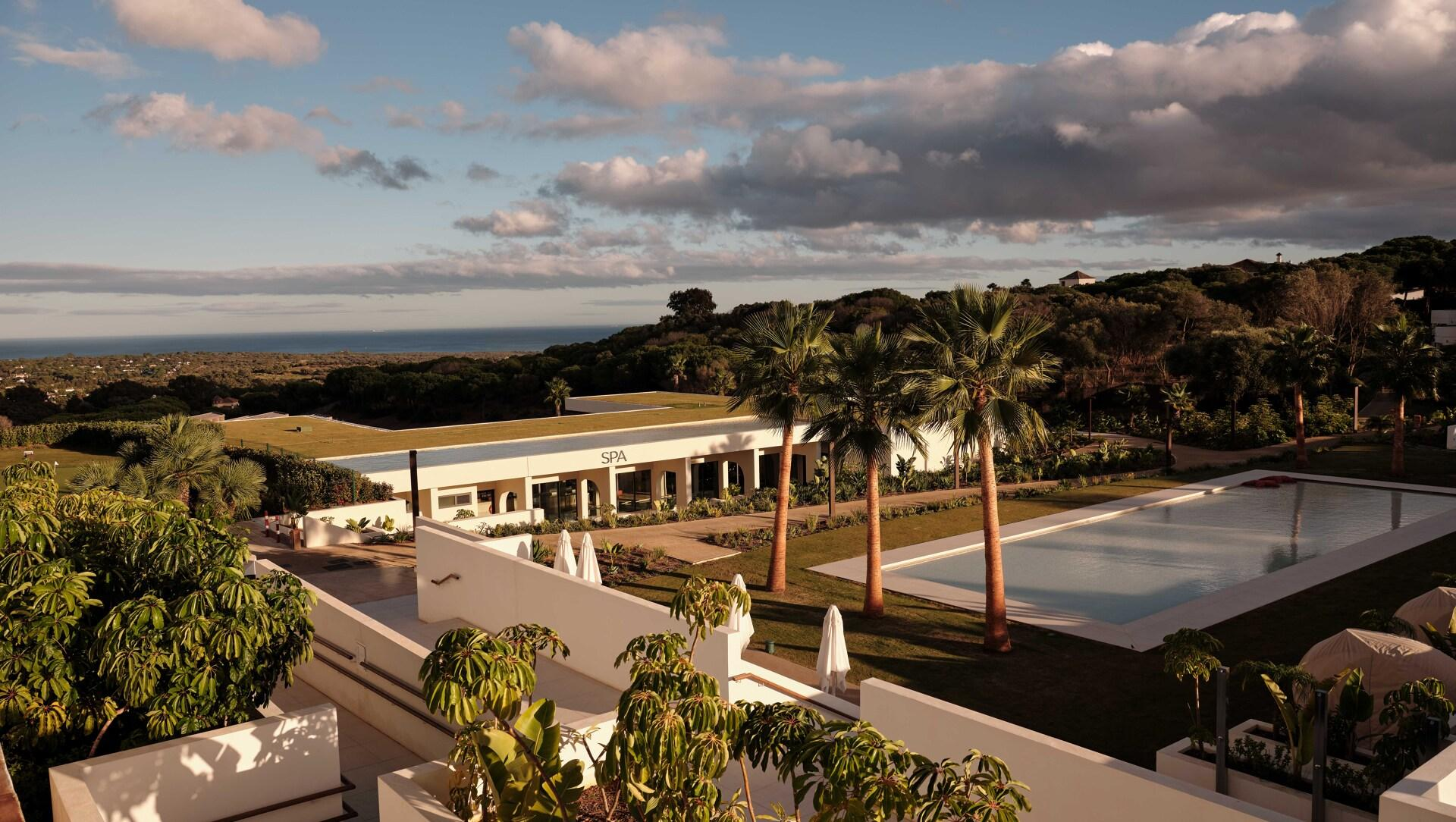
Spain has become an increasingly sophisticated destination for wellness travel, offering far more than traditional hotel spas. From the Mediterranean landscapes of Mallorca and Ibiza to the thermal waters of inland Spain and the established luxury resorts of the Costa del Sol, the country allows travellers to build a wellness retreat around very different ideas of relaxation, movement, nutrition and personal care.
The key to planning a successful luxury wellness retreat in Spain is to decide what you actually want from the experience before choosing the property. A three-night Mediterranean escape focused on spa treatments requires a different itinerary from a week dedicated to fitness, sleep, thermal bathing or a structured wellness programme. The most rewarding retreats also leave enough space for the destination itself.
Define the Purpose of the Retreat
The first step is deciding what the retreat is supposed to achieve. Luxury wellness is no longer limited to massages and facials. Leading properties increasingly combine treatments with movement, nutrition, sleep programmes, mindfulness, thermal experiences and personalised consultations.
For some travellers, the priority is simply slowing down after an intense period of work. In that case, a peaceful hotel with an excellent spa, comfortable accommodation and strong cuisine may be more appropriate than an intensive wellness programme. Others may want a structured stay built around yoga, fitness or sleep.
Six Senses Ibiza illustrates the broader approach. Its wellness offering includes personalised programmes focused on sleep, fitness, yoga and other areas, while the 1,200-square-metre spa includes a hammam, steam room, sauna, relaxation areas and fitness facilities. The resort also incorporates nutrition guidance and technology into some personalised programmes. (Six Senses)

Before booking, therefore, define whether the retreat is primarily about rest, beauty, fitness, sleep, nutrition, thermal wellness or a combination of these. This single decision can make the rest of the planning considerably easier.
Choose the Right Spanish Destination
Spain’s wellness landscape is geographically diverse, and the destination should reflect the type of retreat you want.
Mallorca works particularly well for a slower Mediterranean retreat combining spa time, nature, gastronomy and discreet luxury. Properties such as Finca Serena place wellness within a rural setting of vineyards and olive groves. The estate has 25 rooms and a spa with a swimming pool, sauna, hammam and treatment cabins, while its wider setting makes it possible to combine wellness with walks, yoga and local gastronomy. (Único Hoteles)
Ibiza offers a different interpretation of wellness. Northern Ibiza, in particular, combines nature, sea views and sophisticated wellness programmes. Six Senses Ibiza is located beside Cala Xarraca and offers daily wellness activities, yoga, fitness and spa experiences alongside its dedicated programmes. (Six Senses)
Marbella and the Costa del Sol are suited to travellers who want wellness combined with established luxury hospitality, golf, beaches and fine dining. Six Senses Spa Marbella at Puente Romano includes hydrotherapy facilities, a hammam, indoor pool, sauna, cold plunge and treatment rooms, as well as programmes centred on yoga and relaxation. (Six Senses)
For something more traditionally thermal, inland Spain offers another possibility. Castilla Termal operates wellness hotels in historic buildings across regions including Castilla y León, Castilla-La Mancha and Cantabria, with mineral-medicinal waters at the centre of its offering. Its properties offer thermal pools, contrast circuits and programmes ranging from two to 14 days. (castillatermal.com)

The destination should therefore be selected according to the rhythm you want, rather than simply according to the reputation of a particular hotel.
Select a Property That Matches Your Wellness Style
Once the destination is chosen, compare properties according to what is actually included in the wellness experience.
A luxury hotel with a beautiful treatment room is not necessarily a wellness retreat. Look at the complete ecosystem: spa facilities, fitness spaces, outdoor areas, wellness consultations, nutritional options, classes and the amount of time available for treatments.
For example, Castilla Termal Brihuega occupies an 18th-century Royal Cloth Factory surrounded by the landscape of La Alcarria, less than an hour from Madrid. Its wellness facilities are based around thermal water and include a wellness pool and programmes lasting from two to 14 days. (castillatermal.com)
At the other end of the spectrum, a property such as Six Senses Ibiza can support a much more contemporary retreat combining spa treatments, movement, nutrition and technology. Its wellness programmes can incorporate sleep tracking, personal consultations, yoga, meditation and exercise according to the programme selected. (Six Senses)
The distinction matters because a traveller looking for complete relaxation may find a highly structured programme unnecessarily demanding, while someone seeking measurable lifestyle changes may find a conventional hotel spa too limited.
Plan the Length of the Stay Carefully
A luxury wellness retreat does not necessarily need to be long. However, the number of nights should correspond to the intensity of the programme.
A two- or three-night escape can work well for rest, spa treatments, thermal bathing and a change of environment. It is particularly suitable when the objective is to disconnect rather than follow a formal programme.
A four- or five-night retreat provides more time to establish a rhythm between treatments, exercise, sleep and dining. This can be a useful format for yoga, fitness or sleep-focused programmes.
A week or longer makes more sense when the retreat includes consultations, structured activities, several treatments and a broader lifestyle programme.
Current programmes illustrate how varied the formats can be. Six Senses Ibiza offers multi-day wellness programmes, while its scheduled October 2026 Reset & Reconnect retreat runs for five days and combines movement, meditation, journaling, breathwork, hikes and spa time. (Six Senses)
The important point is not to fill every available hour. A wellness retreat should have periods without appointments, allowing the body and mind to slow down naturally.
Build a Balanced Treatment Schedule
One of the easiest mistakes when planning a luxury wellness retreat is booking too many treatments.
A better approach is to create a rhythm. A longer massage may be appropriate early in the stay, while a gentler treatment or facial can work well later. If the property offers thermal facilities, allow time to use them rather than scheduling treatments back-to-back from morning until evening.
It is also worth discussing your priorities with the spa before arrival. A professional consultation can help determine whether you need a relaxing massage, a more targeted body treatment, a facial, a recovery treatment or simply time in the thermal facilities.
At Six Senses Spa Marbella, for example, the wellness offering includes both individual treatments and broader programmes such as Yogic Sleep and Discover Yoga. The spa also has hydrotherapy facilities, a hammam and relaxation areas, allowing guests to create an experience that extends beyond the treatment room. (Six Senses)

When making reservations, tell the spa about your preferred pressure, areas of tension, previous treatments and anything you would rather avoid. Personalisation is one of the main advantages of a luxury wellness experience.
Give Equal Attention to Food, Sleep and Movement
Wellness retreats are most effective as an overall experience rather than a series of isolated spa appointments.
Dining should therefore be considered when selecting the hotel. Look for restaurants that emphasise fresh local produce, seasonal ingredients and balanced menus without making the entire experience feel restrictive.
Finca Serena, for example, places local and seasonal produce at the centre of its Jacaranda restaurant, while its setting among vineyards and olive trees creates opportunities to combine meals with walks and time outdoors. (Único Hoteles)
Movement should be planned according to the purpose of the retreat. Gentle walking, yoga or stretching may complement a relaxation-focused stay, while a fitness retreat can include more structured training and recovery.
Sleep deserves similar attention. Avoid creating an itinerary that begins early every morning and continues with appointments until late evening. A luxury wellness retreat should provide enough time for uninterrupted rest.
This is also where choosing the right hotel matters. A property with quiet surroundings, comfortable rooms and wellness facilities on site makes it easier to maintain a coherent daily rhythm without constantly travelling between appointments.
Choose the Best Time of Year
Spain can work for wellness travel throughout the year, but different destinations have distinct seasonal advantages.
Spring and autumn are particularly attractive for outdoor wellness activities in Mediterranean destinations. Temperatures are generally more comfortable for walking, yoga and excursions, while the atmosphere can be quieter than during the peak summer period.
Summer works naturally for coastal retreats, particularly when the experience is centred on swimming, sea views and outdoor treatments. Ibiza and Mallorca can be especially appealing, although peak-season demand means that popular properties and treatments should be reserved well in advance.
Winter can be an excellent time for thermal retreats or urban wellness escapes. Inland thermal destinations offer a different atmosphere from the Mediterranean coast, while cities such as Madrid and Barcelona can combine hotel wellness facilities with cultural experiences.
For travellers planning a specific retreat programme, however, the programme calendar should take priority over the general season. Some retreats operate only on particular dates, as demonstrated by Six Senses Ibiza’s scheduled October 2026 programme. (Six Senses)
Reserve the Important Elements Before Arrival
A luxury wellness retreat benefits from advance planning. Accommodation may be available while the spa’s preferred treatment times are already booked, particularly during busy periods.
Reserve the key elements first: accommodation, airport transfers if needed, major treatments, consultations and any limited-capacity wellness programme. Leave smaller activities flexible.
It is also worth checking cancellation conditions, minimum stays, treatment duration and whether spa facilities are automatically available to hotel guests. Some experiences may require separate reservations.
Travellers considering a future trip to the Costa del Sol should also distinguish between existing wellness properties and developments that have not yet opened. Lanserhof Marbella, for example, is currently scheduled to open in 2027 at Finca Cortesin, with 71 rooms and suites and dedicated medical, spa and wellness facilities. (Lanserhof)
This distinction is important when researching wellness travel because promotional material for future resorts can otherwise be mistaken for facilities currently available.
Leave Room for the Destination
The most sophisticated wellness itineraries do not isolate guests completely from their surroundings.
A retreat in Mallorca can include a vineyard visit, a quiet lunch or a walk through the countryside. In Ibiza, time by the sea or a visit to the island’s northern landscape can complement a structured wellness programme. In Marbella, guests can combine spa time with golf, coastal walks, gastronomy or a relaxed day at the beach.
The objective is not to create a packed sightseeing itinerary. Instead, select one or two experiences that reinforce the atmosphere of the retreat.
This is particularly relevant for luxury travel because wellness does not have to mean staying inside the spa all day. A well-designed retreat can connect the treatment experience with the landscape, cuisine and culture of the destination.
Pack for Comfort Rather Than Appearance
Packing for a luxury wellness retreat should be relatively simple.
Comfortable clothing is essential, particularly if the itinerary includes yoga, walking or fitness. Swimwear is useful for thermal pools and hydrotherapy facilities, while lightweight layers are practical for moving between indoor and outdoor spaces.
Most luxury properties provide robes and slippers, but this should be confirmed before arrival. A reusable water bottle, comfortable walking shoes and minimal skincare products can also be useful.
Avoid bringing unnecessary valuables into the spa. Many properties provide lockers, but there is little reason to carry expensive jewellery or accessories into a treatment or thermal area.
The best packing strategy is to make it easy to move from one wellness experience to another without constantly returning to the room.
Frequently Asked Questions
How many nights should a luxury wellness retreat in Spain last?
Three nights can be sufficient for a short spa escape, while four to seven nights provide more time for structured wellness programmes, treatments, exercise and rest. Longer stays can be appropriate for intensive programmes involving consultations and lifestyle planning.
Which part of Spain is best for a wellness retreat?
Different regions suit different purposes. Mallorca and Ibiza offer Mediterranean wellness and nature, Marbella combines wellness with established luxury resort infrastructure, while inland thermal destinations offer mineral waters and traditional spa experiences. The appropriate destination depends on the type of retreat being planned.
Should spa treatments be booked before arriving in Spain?
For popular luxury properties, advance booking is advisable. This is particularly important when specific therapists, treatment times or limited-capacity programmes are requested.
Is three nights enough for a wellness retreat?
Yes. A three-night stay can provide a meaningful reset when the schedule is kept simple. A typical short retreat might combine one or two substantial treatments with thermal facilities, gentle movement, good meals and plenty of sleep.
What should you eat during a wellness retreat?
There is no single wellness diet that suits every traveller. A balanced approach based on fresh, seasonal food and appropriate portions is generally easier to maintain than an unnecessarily restrictive programme. Properties with personalised nutrition programmes can provide more specific guidance.
Can a wellness retreat include sightseeing?
Yes. One or two carefully selected cultural, nature or gastronomic experiences can complement a wellness stay. The key is to avoid turning the retreat into a conventional sightseeing itinerary with little time for rest.
When is the best time for a wellness retreat in Spain?
Spring and autumn are particularly attractive for outdoor wellness in Mediterranean destinations, while summer suits coastal retreats. Winter can be appealing for thermal destinations and urban wellness escapes. Specific retreat programmes may operate only on selected dates, so programme availability should also influence the choice.
How far in advance should a luxury wellness retreat be planned?
For a high-demand property or a specific programme, planning several months ahead is sensible. Treatments, specialist practitioners and fixed-date retreats can have more limited availability than hotel rooms, making early reservations particularly useful.
A luxury wellness retreat in Spain works best when it is planned as a complete journey rather than as a hotel booking with a few spa appointments added afterwards. Choosing the right region, matching the property to the purpose of the stay, balancing treatments with sleep and movement, and leaving enough time to enjoy the destination can transform a short break into a genuinely restorative experience.
By Luxury Magazine Editorial Team