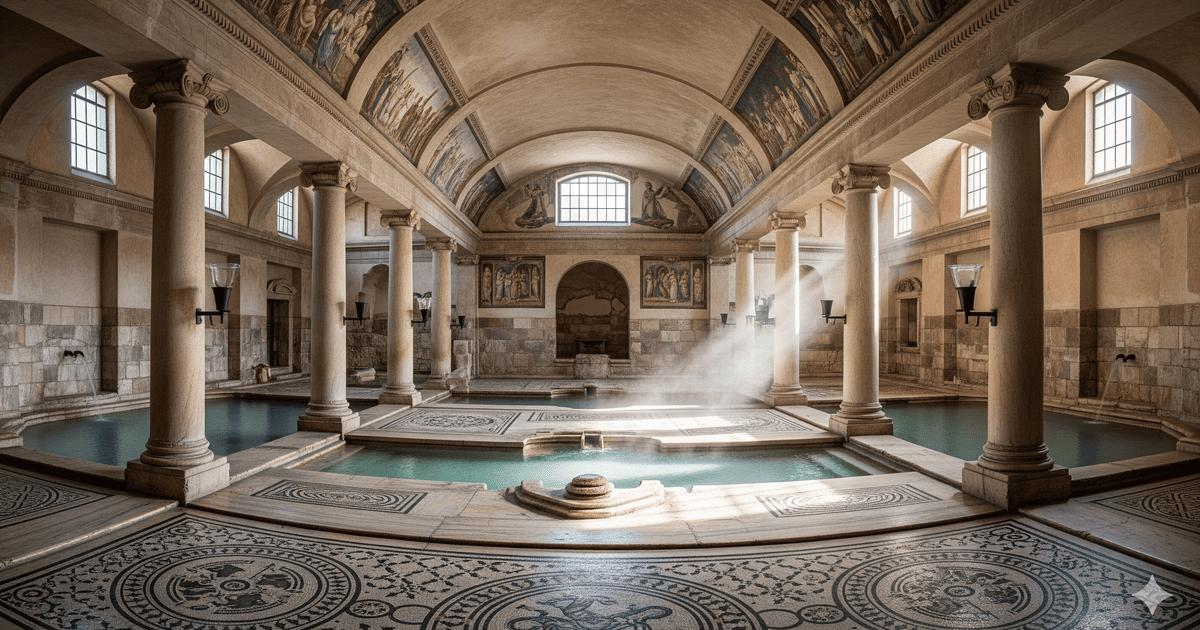
Across the Mediterranean, wellness has rarely been understood as a purely modern pursuit. Long before the arrival of contemporary destination spas, the region developed sophisticated traditions around water, heat, massage, cleansing, mineral springs and natural ingredients. Bathing could be social, therapeutic, ceremonial or simply pleasurable, often combining several of these purposes within the same experience.
This history helps explain why Mediterranean wellness remains distinctive today. A luxury spa in Rome can draw directly on ancient bathing culture, while a Moroccan hammam preserves rituals built around heat, exfoliation and natural ingredients. In Italy, thermal destinations continue to build their identity around naturally occurring mineral waters, while coastal wellness has developed its own relationship with seawater and marine resources.
The Mediterranean spa is therefore not one single tradition. It is a meeting point between cultures that, over centuries, have treated water, heat, nature and personal care as important parts of a refined way of life.
Roman Baths Created the Original Luxury Wellness Experience
Few civilisations transformed bathing as extensively as the Romans. Roman bathhouses were not simply places for washing. They became sophisticated social and recreational environments, with different rooms for hot, warm and cold bathing, exercise, massage and relaxation. English Heritage notes that bathing was central to Roman life and that bathhouses served both practical and social purposes. The tradition began in Italy and developed into an important part of Roman urban culture. (English Heritage)
The Roman bathing sequence could move from the cold frigidarium to the warm tepidarium and then to the hot caldarium, before returning to cooler surroundings. Larger complexes could also contain exercise spaces, sweating rooms, swimming pools and areas where massage and grooming took place. Heat was produced through the sophisticated hypocaust system, which circulated heated air beneath floors and through walls. (English Heritage)
This combination of heat, water, movement, treatment and social interaction has a striking resemblance to the philosophy behind many contemporary wellness environments. The difference is primarily technological and architectural rather than conceptual.
One of the most interesting contemporary examples is Anantara Palazzo Naiadi Rome Hotel, whose building stands over the remains of the Baths of Diocletian. The ancient baths were constructed between AD 298 and 306, covered more than 13 hectares and could accommodate around 3,000 people. Today, the hotel’s Anantara Spa explicitly connects its wellness programme with the site’s Roman history. (Anantara Hotels & Resorts)

The property’s spa also offers a Diocletian Ritual incorporating olive oil, honey, sea salt, salt-pan mud and Mediterranean herbs, demonstrating how a historic concept can be translated into a contemporary luxury treatment without attempting to reproduce ancient bathing literally. (Anantara Hotels & Resorts)
The Hammam Turned Cleansing into a Ritual
Further east and south across the Mediterranean world, bathing developed along different cultural lines. The hammam became one of the most distinctive forms of traditional bathing in the Ottoman and wider Islamic world, with important regional variations developing in Türkiye, Morocco and elsewhere.
Unlike a conventional modern spa treatment, the traditional hammam is structured around a sequence of heat, cleansing, exfoliation and washing. The environment itself is part of the experience, with warm marble, steam, water and carefully controlled temperatures creating an atmosphere designed for both physical cleansing and relaxation.
Morocco developed a particularly recognisable hammam culture. Traditional rituals can involve black soap, the kessa exfoliating glove, natural clay and botanical ingredients. The experience is not simply about skincare but about a cultural ritual that has been passed through generations.
The contemporary luxury interpretation can be seen clearly at Royal Mansour Marrakech’s Spa Hammam. The property describes its hammam as being rooted in Moroccan lifestyle and historic purification and beauty rituals. Its current signature treatments include ghassoul clay from the Atlas Mountains, lavender, tulsi, orange blossom honey, argan, saffron and rose water. (Royal Mansour)

This is an important distinction within luxury wellness. The value of the hammam is not simply the presence of steam or exfoliation. Its appeal comes from the relationship between architecture, ritual, ingredients and local culture. A luxury property can elevate the surroundings and personalisation while retaining the cultural identity of the treatment.
Thermal Waters Made the Landscape Part of Wellness
Another major Mediterranean spa tradition is thermal bathing. Here, wellness begins not with a treatment room but with the natural resources of the destination itself.
Italy has developed an extensive culture around thermal waters, with destinations such as Saturnia, Ischia, Abano Terme and Bormio becoming associated with spa travel. The attraction is partly therapeutic, but also geographical: visitors travel specifically to places where naturally heated water emerges from the earth.
Saturnia in Tuscany offers one of the Mediterranean’s most recognisable examples. The thermal waters remain at approximately 37.5°C and have been associated with the destination since antiquity. Today, the area combines natural thermal bathing with a more developed luxury wellness infrastructure. (Italia.it)

The surrounding landscape is part of the experience. The Tuscan Maremma’s hills, countryside and Mediterranean vegetation provide a setting that could not be separated from the identity of the thermal destination. This is one reason thermal travel continues to work particularly well within the luxury sector: the experience is geographically specific.
The same principle can be found throughout Sicily, where thermal resources exist in destinations including Sciacca, Segesta, Alì Terme, Termini Imerese and Pantelleria. The island’s volcanic geology adds another dimension to the relationship between landscape and wellness.
Modern thermal resorts may include pools, hydrotherapy circuits, mud treatments, massage and beauty rituals, but the essential distinction remains the same: the water itself is part of the destination’s natural heritage.
The Mediterranean Sea Became a Wellness Resource
If thermalism draws its identity from the earth, Mediterranean coastal wellness draws much of its character from the sea.
Thalassotherapy developed as a specialised approach to coastal wellness using seawater and marine resources. It is distinct from thermalism because its defining resource is seawater rather than naturally heated mineral water from an underground spring.
The concept fits naturally into Mediterranean travel. A coastal wellness retreat can combine seawater treatments with swimming, movement, relaxation, nutrition and outdoor living, creating an experience in which the landscape is not merely a backdrop.
Contemporary luxury spas frequently reinterpret marine traditions through seawater pools, salt treatments, algae, marine mud and mineral-based rituals. The objective is often less about reproducing an old ceremony than about connecting modern wellness with the natural resources of the coast.
This approach also reinforces an important characteristic of Mediterranean luxury: the best experiences often have a strong sense of place. A treatment involving marine ingredients, local salt or seawater feels more meaningful when the guest is actually overlooking the coastline from which those resources originate.
Mediterranean Ingredients Give Spa Rituals a Sense of Place
The region’s wellness heritage is also expressed through ingredients. Olive oil, sea salt, herbs, honey, clay and aromatic plants have long been part of Mediterranean domestic and beauty traditions. Contemporary spas have transformed many of these familiar resources into carefully designed rituals.
The distinction between tradition and medical treatment is important. An ingredient may have centuries of cultural use without every claimed health benefit being clinically established. Luxury spas increasingly focus on provenance, sensory experience and cultural authenticity rather than making exaggerated therapeutic promises.
The Moroccan hammam provides a strong example. Ghassoul clay from the Atlas Mountains, argan, rose water, saffron and orange blossom all connect the treatment to particular regions and agricultural traditions. At Royal Mansour Marrakech, these ingredients are integrated into specific hammam rituals rather than being presented simply as generic spa products. (Royal Mansour)
The same philosophy appears in Rome. The Diocletian Ritual at Anantara Palazzo Naiadi incorporates olive oil, honey, sea salt, salt-pan mud, St John’s wort, laurel, sage and lavender. The treatment therefore connects its ingredients to the Mediterranean environment while framing them through contemporary spa expertise. (Anantara Hotels & Resorts)

This emphasis on provenance has become increasingly relevant to luxury hospitality. A spa ritual becomes more memorable when its ingredients have a story connected to the destination, rather than being interchangeable products that could be found in any international hotel.
Ancient Principles Are Being Reinterpreted for Modern Luxury
The most interesting development in Mediterranean wellness is not simply the preservation of ancient treatments. It is the way luxury hospitality is translating old principles into contemporary experiences.
The Roman bath brought together heat, water, movement, massage and social interaction. The hammam created a structured ritual of heat, cleansing and exfoliation. Thermal destinations built their identity around natural springs. Coastal wellness made the sea itself part of the experience. Modern luxury spas can bring several of these principles together while adding privacy, sophisticated architecture, advanced facilities and personalised service.
The appeal of these traditions also lies in their relationship with time. A Roman bath was not designed around the modern idea of rushing through a treatment between meetings. The hammam is similarly structured as a sequence rather than a single moment. Thermal bathing encourages guests to remain in a landscape. These traditions all suggest that wellness requires time and attention.
That idea fits naturally with contemporary luxury travel. High-end travellers increasingly seek experiences that feel connected to the destination rather than treatments that could be replicated anywhere in the world.
The result is a new generation of Mediterranean wellness experiences in which history becomes part of the service. In Rome, ancient architecture can provide the setting. In Marrakech, the hammam can preserve a Moroccan ritual. In Tuscany, the thermal spring can remain the central attraction. Along the coast, the sea can become both landscape and wellness resource.
Mediterranean spa traditions continue to evolve because their fundamental principles remain relevant: water, heat, nature, skilled human touch, ritual and time can still create an experience that feels considerably more meaningful than a conventional treatment menu.
Frequently Asked Questions
What are Mediterranean spa traditions?
Mediterranean spa traditions encompass the bathing, thermal, marine and body-care practices that developed around the Mediterranean and its neighbouring cultures. They include Roman bathing, hammams, thermal bathing and modern marine wellness.
What is the difference between a Roman bath and a hammam?
Roman baths were generally larger multifunctional complexes combining different temperatures of bathing with exercise, massage and social activities. A hammam developed around a more structured experience of heat, cleansing, exfoliation and washing. Both traditions have evolved considerably over time. (English Heritage)
What is a hammam?
A hammam is a traditional bathing environment centred on heat, steam, water and cleansing rituals. Moroccan hammam culture incorporates regional ingredients and practices, while Ottoman and Turkish hammams developed their own architectural and bathing traditions.
What is thermal wellness?
Thermal wellness is based on the use of naturally occurring thermal waters and the destinations built around them. Contemporary thermal resorts may combine bathing with hydrotherapy, massage, mud treatments and other wellness services. Saturnia, for example, combines natural thermal waters with a modern wellness infrastructure. (Italia.it)
What is the difference between thermalism and thalassotherapy?
Thermalism uses naturally occurring thermal waters from underground sources, whereas thalassotherapy is associated with seawater and marine resources in coastal settings. The two can sometimes appear together within a broader luxury wellness programme, but they have different natural foundations.
Which Mediterranean destinations are famous for thermal wellness?
Italy is particularly associated with thermal tourism, with destinations including Saturnia, Ischia, Abano Terme and Bormio. Sicily also has several thermal areas, while other Mediterranean countries have their own important thermal destinations.
Which ingredients are associated with Moroccan hammam rituals?
Traditional and contemporary Moroccan hammam experiences can incorporate black soap, ghassoul clay, argan, rose water, saffron, orange blossom and other botanical ingredients. At Royal Mansour Marrakech, these ingredients form part of specific signature hammam rituals. (Royal Mansour)
Can ancient spa traditions be experienced in luxury hotels?
Yes. Contemporary luxury hotels increasingly integrate local bathing traditions into their wellness programmes. Anantara Palazzo Naiadi in Rome connects its spa with the remains of the Baths of Diocletian, while Royal Mansour Marrakech offers a dedicated hammam rooted in Moroccan traditions. (Anantara Hotels & Resorts)
By Luxury Magazine Editorial Team